The History of RUTF and How It Transformed Malnutrition Treatment
RUTF timeline: Key milestones
Pre-mid-1990s: Treatment for severe acute malnutrition is available only in hospitals, often requiring children and their caregivers to remain there for several weeks.
1996: RUTF is first developed, introducing a ready-to-eat treatment that would ultimately enable children with severe wasting who did not have medical complications to be treated at home.
2000: UNICEF begins procuring and delivering RUTF, helping to expand its use globally year by year.
2007: Four UN agencies including UNICEF issue a joint statement supporting community-based management of severe acute malnutrition, including treatment with RUTF — a major shift in approach.
Today: RUTF is widely used as an outpatient treatment for SAM. Through the Child Nutrition Fund and other partnership efforts, UNICEF is committed to making RUTF available to every child who needs it.
Severe acute malnutrition (SAM) endangers the lives of millions of children around the world. With timely treatment, recovery is possible. This is where ready-to-use therapeutic food (RUTF) comes in. A brief history of this lifesaving innovation.
How RUTF transformed severe malnutrition treatment
Treating a child for severe acute malnutrition, also called severe child wasting, once required weeks of hospitalization — a difficult if not impossible option for a child's family who lived in poverty, or in a conflict zone or remote area.
The idea for RUTF, a shelf-stable, nutrient-rich peanut paste, grew out of the need to make treatment more accessible. Its introduction was revolutionary; early programs demonstrated that children who suffered from SAM, specifically those with an appetite and no immediate medical complications could be treated in their homes safely and effectively.
In 2007, four major international bodies — UNICEF, the World Health Organization, the World Food Program and the United Nations System Standing Committee on Nutrition — issued a joint statement recommending the use of RUTF under these conditions, and with regular monitoring via weekly follow-up visits either at home with a community health worker or at a local health care facility. The endorsement marked a major shift in how child malnutrition and severe wasting would be managed globally, toward community-based treatment when feasible.
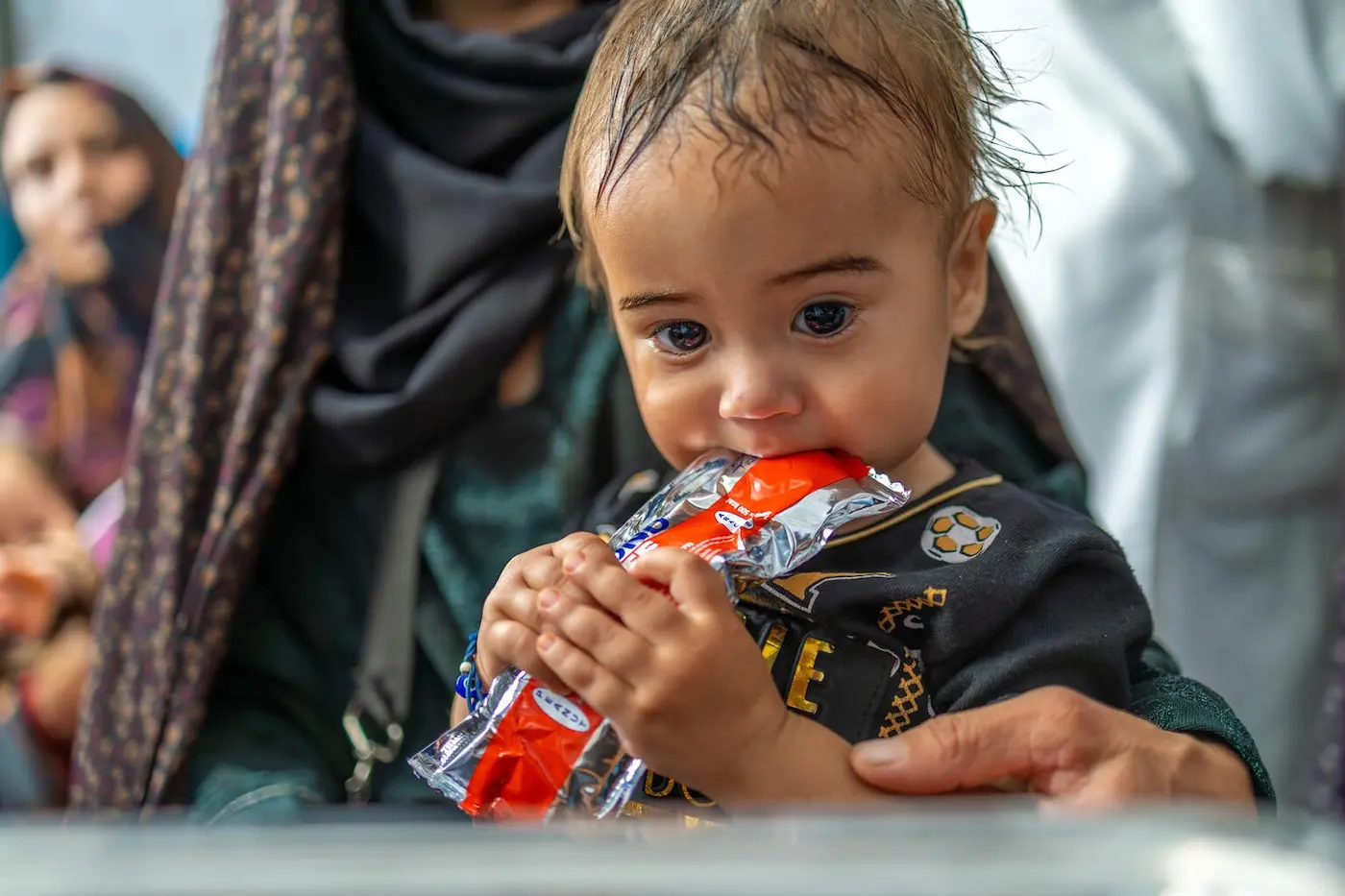
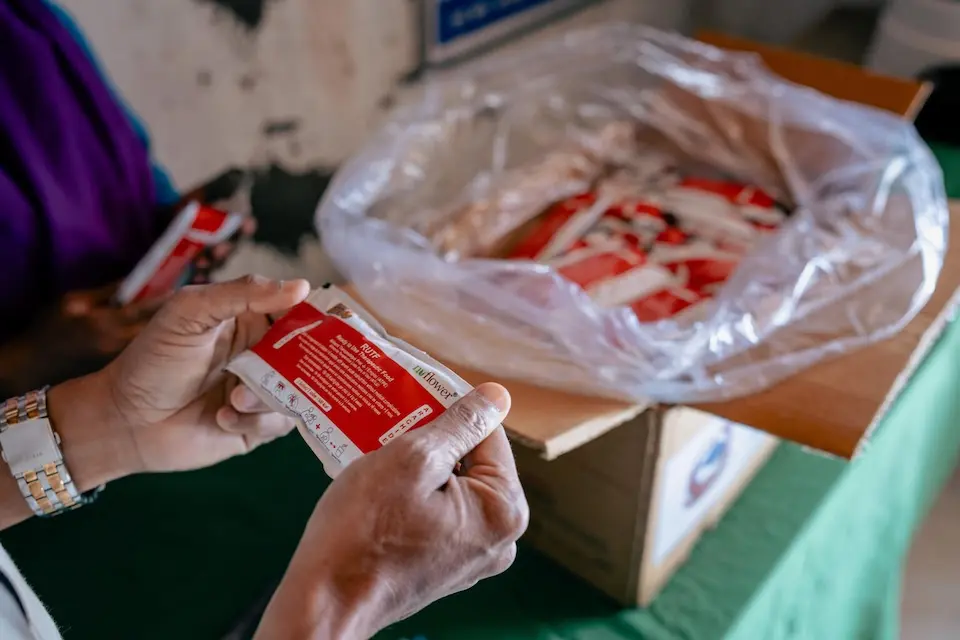
RUTF's unique formulation makes this possible. A blend of peanuts, sugar, milk powder, oil, vitamins and minerals, RUTF doesn't require refrigeration or preparation — no mixing with potentially contaminated water — and is shelf-stable for up to two years. It is easy to administer by a caregiver, no medical training required.
30 Years of RUTF: Meet the people behind a lifesaving innovation
How UNICEF expanded access to RUTF
UNICEF is the global leader in RUTF procurement, purchasing and distributing about 80 percent of the world’s supply and reaching 9 million children every year.
Working closely with its 21 suppliers of RUTF, UNICEF prioritizes quality and safety in every batch through rigorous quality assurance protocols, including supplier audits and batch testing to uphold global food safety guidelines.
To ensure the fastest delivery possible of RUTF for children who need it the most, 18 of UNICEF’s 21 suppliers are either in or near countries with high levels of child wasting. Local manufacturing is essential for a rapid response to malnutrition crises, especially in the face of global supply chain disruptions.
UNICEF also works within health systems to support community-based implementation of malnutrition treatment programs that incorporate RUTF, as well as providing training materials for parents and caregivers on RUTF best practices.
Related:
RUTF today and the work still ahead
While RUTF is highly successful — the recovery rate is nearly 90 percent — there are still millions of malnourished children who are not getting the support they need when they need it. In many areas of the world, prevention and treatment of malnutrition are under-prioritized and under-resourced. UNICEF works to close that gap, while UNICEF USA mobilizes vital support in the United States.
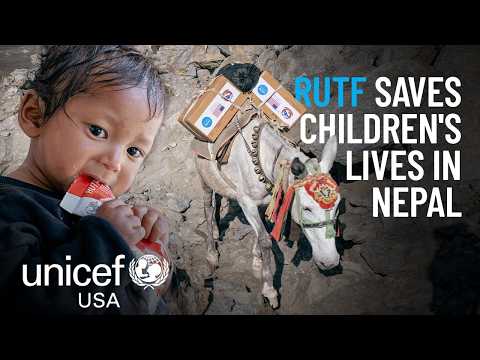
One country that has seen the positive impact of RUTF since 2009 is Nepal. In its remote mountain communities especially, RUTF has been leveraged to treat thousands of children with severe acute malnutrition closer to home.
Read the story: Going the last mile to help malnourished children in Nepal
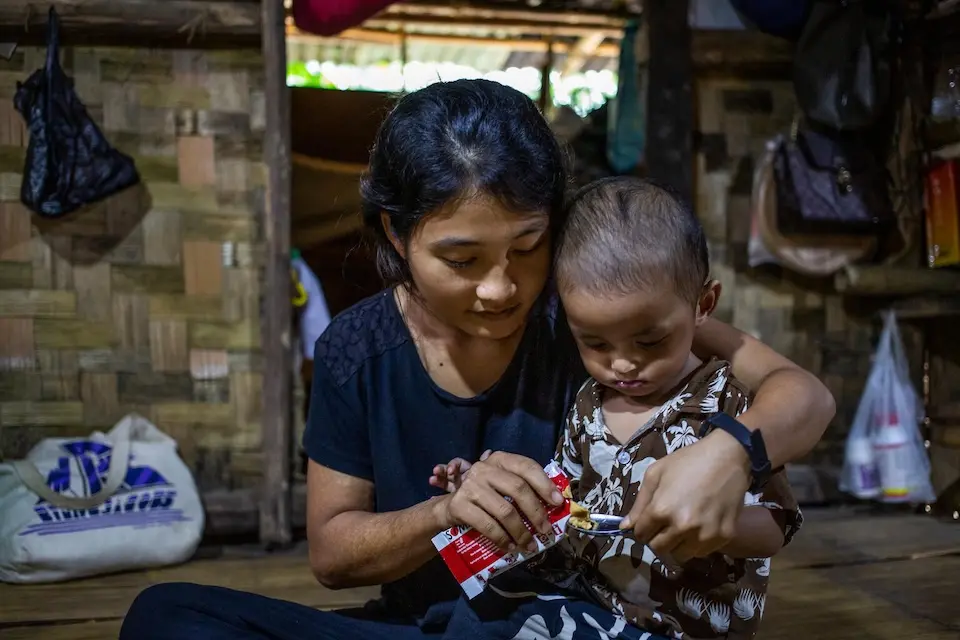
A girl named Rana and her family in Yemen know firsthand the impact RUTF can have. Rana was diagnosed with severe acute malnutrition at 12 months old after a timely home visit from a community health volunteer. Following RUTF treatment, she recovered in only six months.
Read Rana's story of recovery with RUTF
Learn more about RUTF and child nutrition
RUTF’s impact depends on adequate funding, reliable delivery and the tireless, critical work of caregivers and health care workers. UNICEF aims to expand the reach and strengthen the supply of this proven treatment through efforts like the Child Nutrition Fund to ensure RUTF is available and accessible to every child who needs it.
For more detailed information on ready-to-use therapeutic food, what it contains and how treatment works, read our RUTF explainer. For broader details about UNICEF’s work addressing child malnutrition around the world, visit the Every Child Nourished page.
Every child deserves the chance to survive, grow up and thrive. Donors can help UNICEF deliver on that promise through RUTF and other vital nutrition services.
Frequently asked questions about the history of RUTF
Who invented RUTF, and when?
Dr. André Briend, a French pediatrician, invented ready-to-use therapeutic food in the mid-1990s to address the limits of hospital-based malnutrition treatment for children.
How did RUTF change malnutrition treatment?
RUTF’s ready-to-eat, shelf-stable format helped move treatment for many eligible children from hospitals into communities.
How did UNICEF expand access to RUTF?
UNICEF became the world’s largest procurer of RUTF, scaling up local manufacturing in high-need regions to negate global supply chain disruptions and implementing rigorous quality assurance protocols.
HOW TO HELP
There are many ways to make a difference
War, famine, poverty, natural disasters — threats to the world's children keep coming. But UNICEF won't stop working to keep children healthy and safe.
UNICEF works in over 190 countries and territories — more places than any other children's organization. UNICEF has the world's largest humanitarian warehouse and, when disaster strikes, can get supplies almost anywhere within 72 hours. Constantly innovating, always advocating for a better world for children, UNICEF works to ensure that every child can grow up healthy, educated, protected and respected.
Would you like to help give all children the opportunity to reach their full potential? There are many ways to get involved.