Delivering Vital Humanitarian Supplies to Children Who Need Them Most
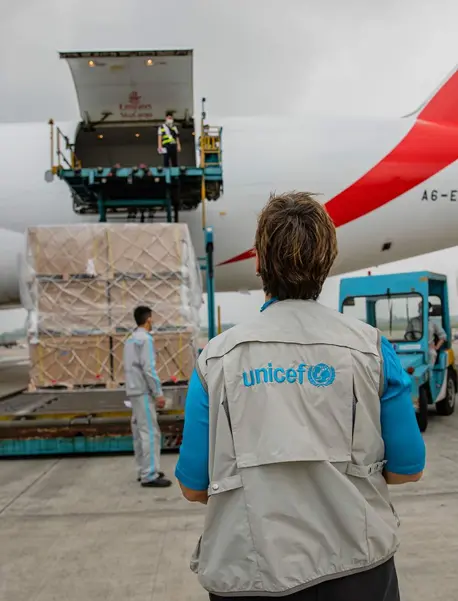
UNICEF's Supply operation is always on standby, ready to get lifesaving medicines, vaccines, therapeutic food, hygiene kits and other items to children and families in need quickly and efficiently. A look at what the division achieved in 2024.
Donate to support children around the world.
Updated November 14, 2025
Meeting global needs for vaccines, nutrition support, hygiene kits, learning materials and more
Children around the globe continue to face overlapping crises — from conflict and displacement to disease outbreaks and malnutrition to climate shocks and extreme weather events.
UNICEF's Supply Division works hand in hand with UNICEF Emergency Response, ensuring that urgently needed humanitarian supplies and services are pre-positioned and ready to go when disaster strikes. UNICEF Supply also works to support ongoing programs in children's health, education, protection and more.
Learn more: The Best Way to Provide Direct Relief in Emergencies
2024 UNICEF procurement results and impact for children
In 2024, UNICEF procured $5.61 billion worth of supplies and services for children in 160 countries, including:
- $1.234 billion worth of humanitarian supplies to support emergency response efforts in 68 countries and areas
- $294.7 million in construction services, including projects in refugee camps, schools and learning facilities
- 5.2 million cartons of ready-to-use therapeutic food (RUTF) delivered to 66 countries to treat severely malnourished children
- 1.2 billion tablets of multiple micronutrient supplementation to 28 countries to improve the health of children and adolescents
- 2.8 billion vaccine doses to protect children from preventable diseases in 99 countries — enough to reach 45 percent of the world’s children under age 5
The UNICEF Supply Division also supports in-country logistics and warehousing, research and surveys and cash and voucher assistance.
Learn how: Help UNICEF Deliver Warmth and Safety This Winter
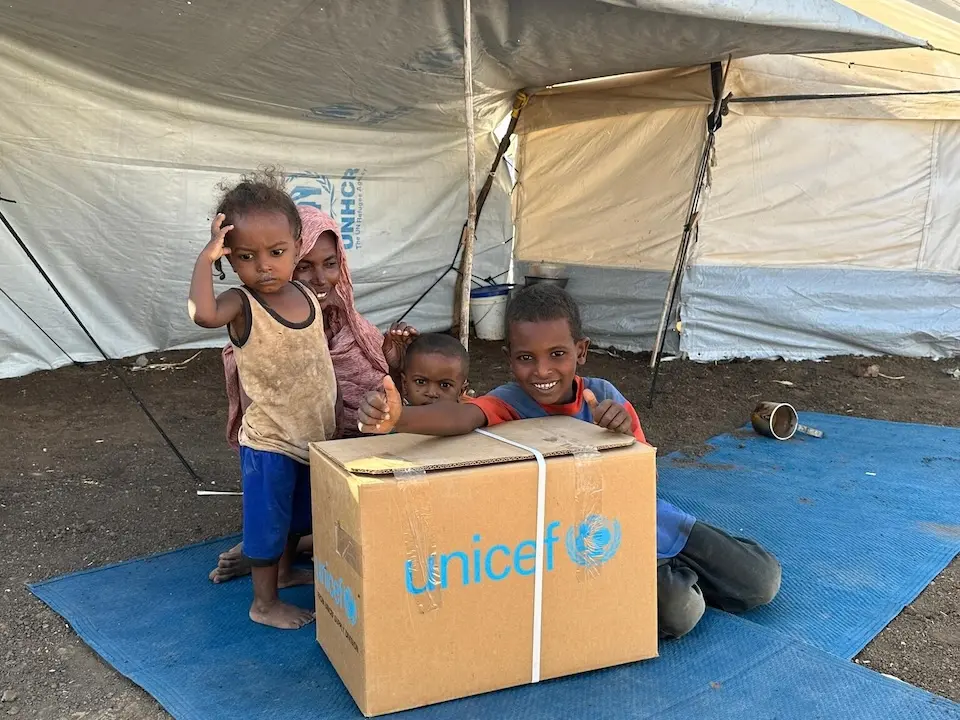
“UNICEF remains steadfast in its efforts to ensure that every child, everywhere, can survive and thrive — supported by agile and resilient supply chains,” says Leila Gharagozloo Pakkala, who, as supply division director, leads and oversees UNICEF's global supply and logistics operations and related partnerships, including in humanitarian settings.
Learn more: Inside UNICEF's Supply Powerhouse: Delivering for the World's Children Since 1962
Working with partners to provide humanitarian relief and increase impact
UNICEF relies on strategic partnerships at every level to get the job done. In 2024, almost 80 percent of supplies were procured in collaboration with UN agencies and other humanitarian and development partners.
The Supply division also looks for ways to localize operations — empowering local actors and communities to play a more active and even leading role in supply decision-making, sourcing and delivery.
Working with Gavi, the Vaccine Alliance, UNICEF is helping to promote more vaccine manufacturing in Africa, for example. In June 2024, Gavi and UNICEF launched the African Vaccine Manufacturing Accelerator, a financial instrument that will make up to $1.2 billion available over ten years to support the sustainable growth of Africa’s vaccine manufacturing base.
Learn more: Defeating Polio Means Vaccinating Hard-to-Reach Children
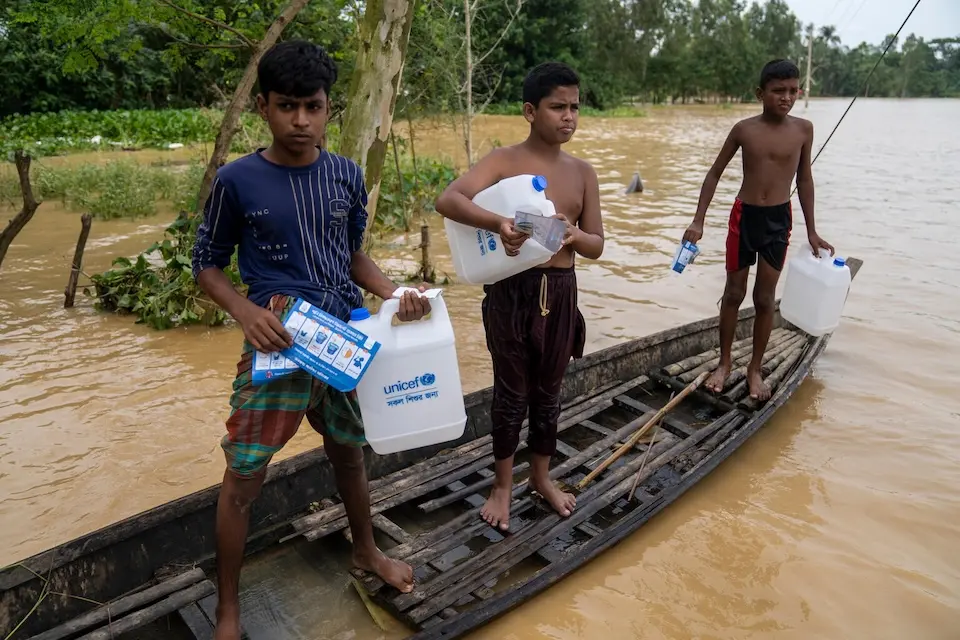
As humanitarian situations become more complex and multifaceted, the ability to find innovative solutions and improve processes for greater efficiency becomes even more critical for maximizing impact for children and families. To that end, UNICEF completed 23 separate digital improvement projects in 2024.
Sustainability remained top of mind as well, with significant progress made in sustainable procurement, supplier engagement and waste reduction.
Learn more: UNICEF Delivers Lifesaving Supplies, Cash Transfers to Families in Gaza
Strengthening supply operations and improving efficiencies, region by region
Here is a closer look at UNICEF Supply Division activities in 2024. For more information, see the 2024 supply annual report.
East Asia and the Pacific
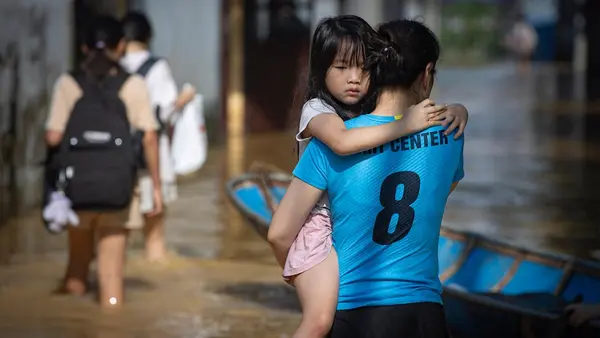
UNICEF helped significantly reduce the humanitarian impact of intense climate-related disasters, like Typhoon Yagi, by mobilizing emergency humanitarian supplies and surge personnel to reach affected communities, hospitals, health facilities and schools faster. In addition, UNICEF invested in strengthening immunization and primary health care supply chains in eight countries.
Eastern and Southern Africa
To improve the resilience and efficiency of humanitarian aid supply chains in the Eastern and Southern Africa region, UNICEF and the Global Alliance for Trade Facilitation launched the Accelerating Delivery of Essential Products Together initiative. A pilot of this program in Madagascar was able to reduce customs processing time for essential goods by 10 days.
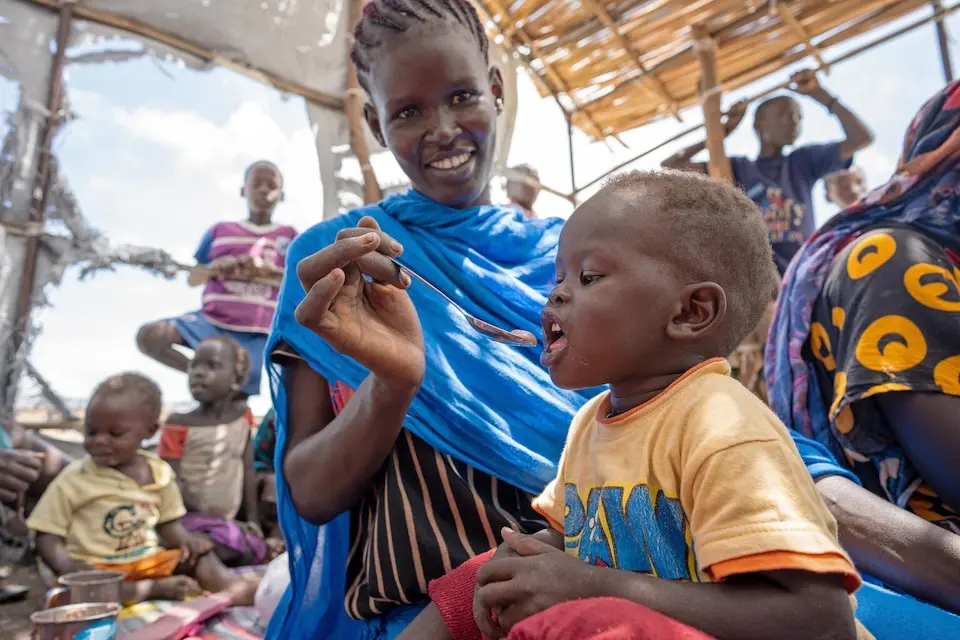
UNICEF also worked to build regional self-reliance by expanding local production of essential nutrition. In South Sudan, the Health Sector Transformation Project, funded by the World Bank and other partners, supported over 800 health facilities, procured $30.4 million in goods and distributed $40 million in supplies.
Europe and Central Asia
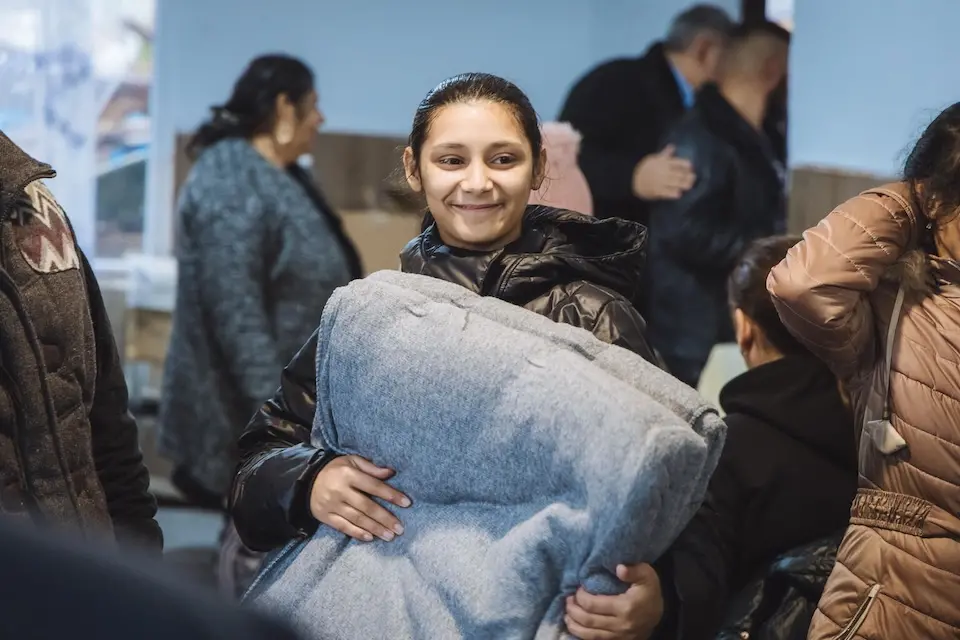
In Ukraine, UNICEF developed a warehouse inventory and management assessment tool to help keep track of essential supplies and ensure they went where they were needed most.
UNICEF also supported solarization initiatives in North Macedonia, Turkmenistan and Uzbekistan, resulting in improved energy sustainability in health care facilities. In Uzbekistan, UNICEF led the rehabilitation and installation of medical equipment in 227 perinatal centers.
Learn more: 5 Things You May Not Know About UNICEF's Humanitarian Response in Ukraine
Latin America and the Caribbean
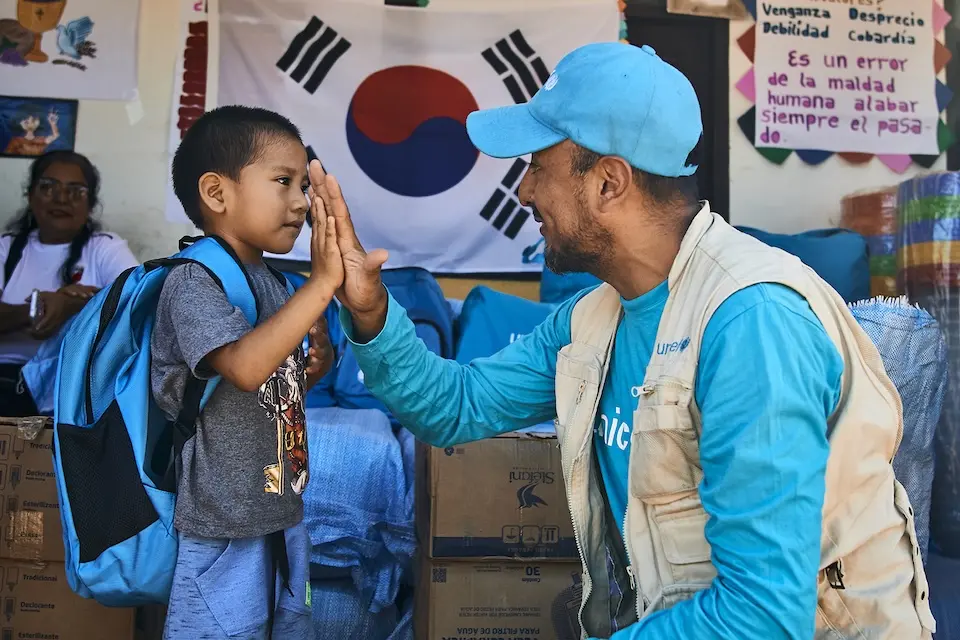
UNICEF achieved record response times in this region in 2024, thanks to pre-positioned supplies and the expansion of UNICEF’s global supply hub in Panama City. When Hurricane Beryl hit the Caribbean, UNICEF was able to replenish contingency stocks in Barbados and deliver humanitarian relief to the hardest hit areas. Supplies reached Cuba within 72 hours, communities in Haiti within seven days and Brazil within 24 hours of severe flooding.
In Bolivia, UNICEF improved local markets by launching a searchable platform of over 700 categorized suppliers.
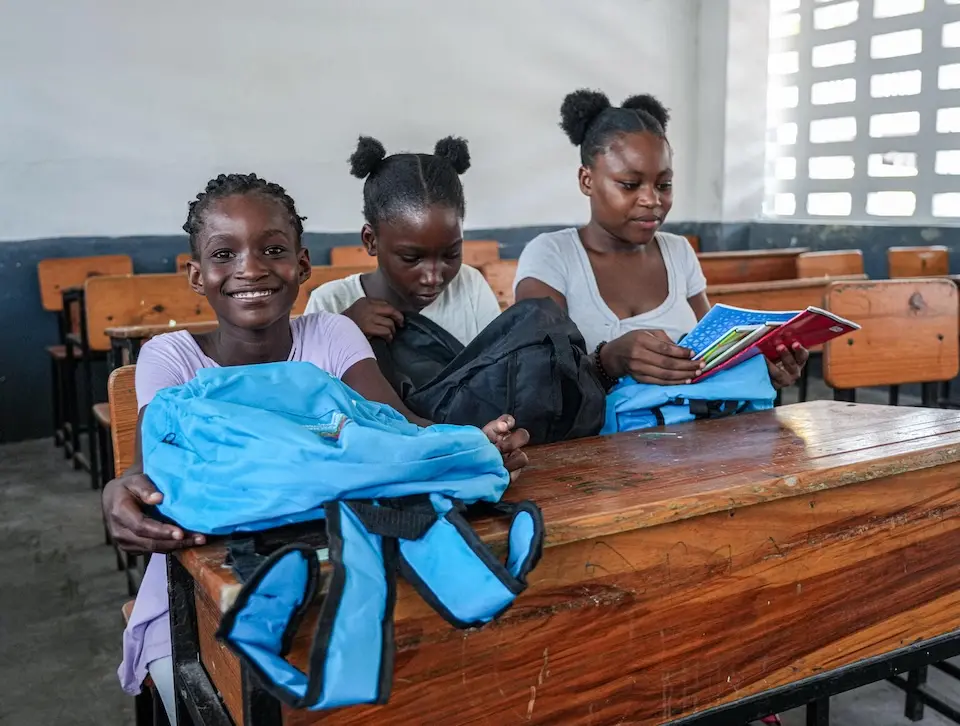
Middle East and North Africa
To improve capacity for pre-positioning humanitarian supplies to support response efforts in Gaza, UNICEF established a regional logistics hub and expanded warehousing in Jordan. UNICEF also worked to strengthen its partnership with the European Union to improve timely access to essential supplies for people affected by major emergencies in the region.
“From the very beginning, UNICEF has always been the first to respond, providing access to essential supplies," said Sospeter Baitwa, Supply and Logistics Manager in Gaza. "These achievements, big or small, show that even at the worst of times, UNICEF’s commitment remains unshaken.”
Learn more: UNICEF Is Reaching Children in Gaza with Lifesaving Therapeutic Food
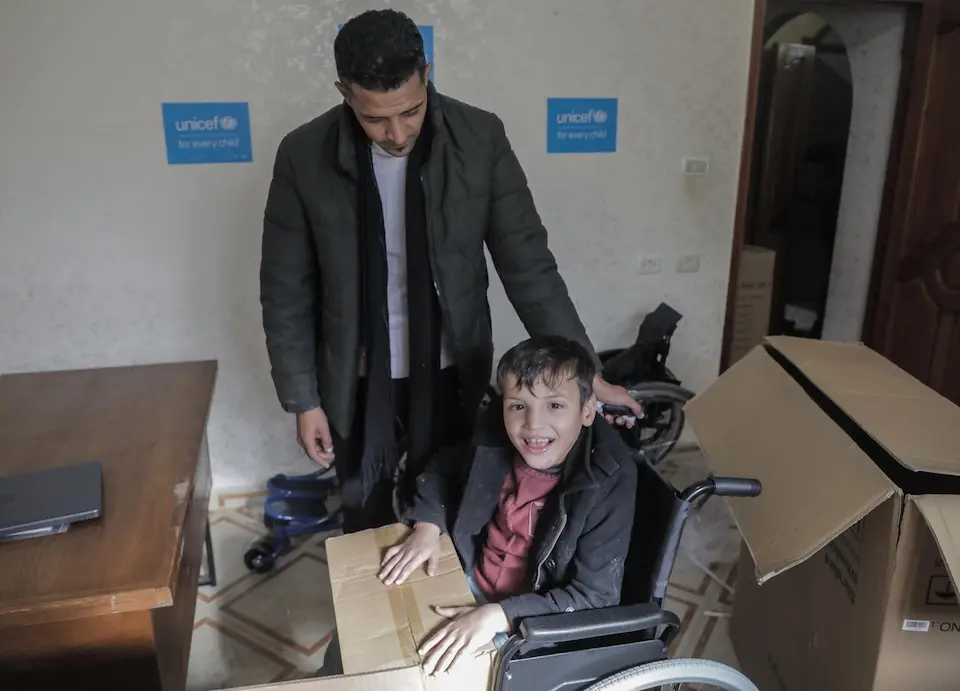
South Asia
UNICEF worked toward strengthening emergency preparedness in South Asia in 2024, particularly in Afghanistan. Through technical collaborations and strategic investments, UNICEF supported local procurement and issued expressions of interest in regional long-term agreements for medicine to be provided to UNICEF regional offices by local suppliers. These efforts improved access to essential medicines and health services in the country at a critical time.
Learn more: UNICEF Delivers Relief to Children, Families Impacted by Afghanistan Earthquake
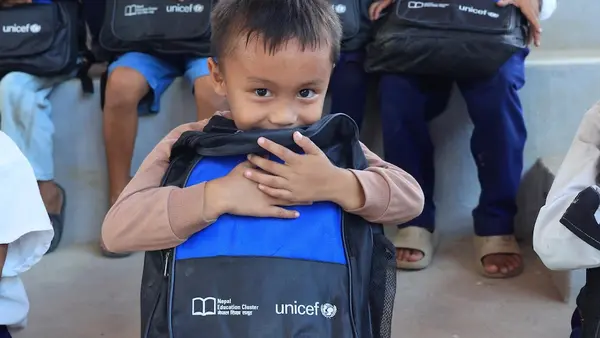
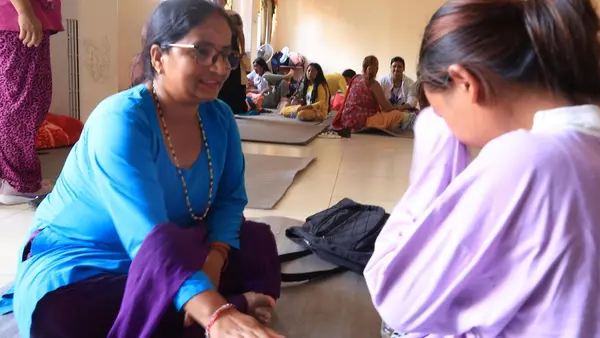
In Bangladesh, UNICEF supported government efforts to refurbish supply warehouses and implement a more effective digital inventory tracking system. In Nepal, UNICEF helped the country adopt a program that has helped reduced delays in delivering health supplies.
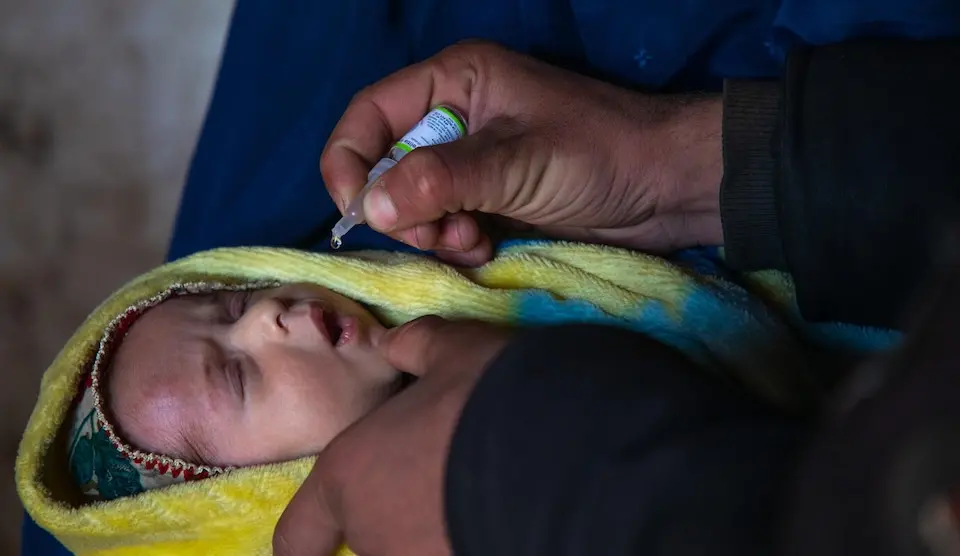
West and Central Africa
UNICEF's Supply Division played a critical role in responding to nutrition emergencies in Burkina Faso and Nigeria, pre-positioning $9 million worth of ready-to-use therapeutic food (RUTF) to treat children suffering from severe acute malnutrition.
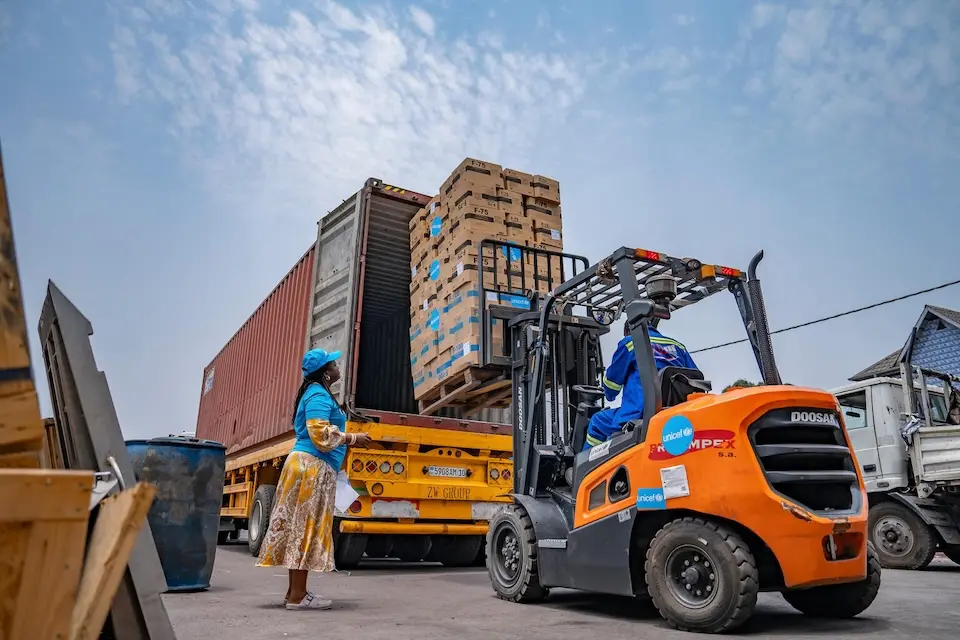
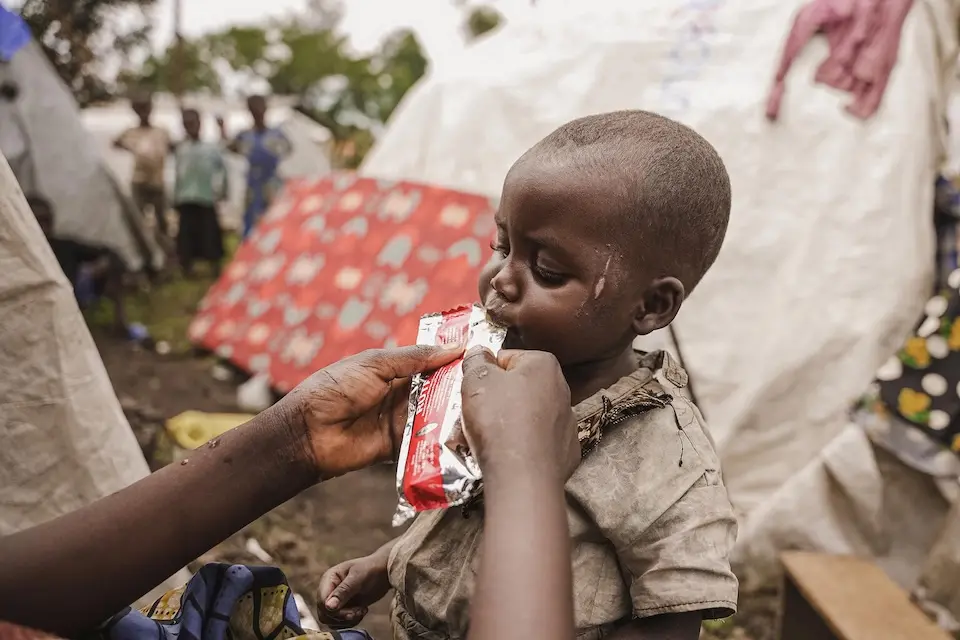
UNICEF also scaled its supply response in the Democratic Republic of the Congo, dispatching critical emergency items including RUTF, vaccines and emergency health kits as part of a broader humanitarian relief effort to support children and families affected by overlapping crises there.
To continue delivering for children, UNICEF depends on voluntary contributions from public and private sector donors. Learn more about how to support UNICEF.
Right now, the lives of the most vulnerable children hang in the balance as conflicts and crises jeopardize the care and protection that they deserve. Dependable, uninterrupted and effective foreign aid is critical to the well-being of millions of children. Please contact your members of Congress and urge them to support humanitarian relief for children and ongoing U.S. investments in foreign assistance.
HOW TO HELP
There are many ways to make a difference
War, famine, poverty, natural disasters — threats to the world's children keep coming. But UNICEF won't stop working to keep children healthy and safe.
UNICEF works in over 190 countries and territories — more places than any other children's organization. UNICEF has the world's largest humanitarian warehouse and, when disaster strikes, can get supplies almost anywhere within 72 hours. Constantly innovating, always advocating for a better world for children, UNICEF works to ensure that every child can grow up healthy, educated, protected and respected.
Would you like to help give all children the opportunity to reach their full potential? There are many ways to get involved.