Venezuela Earthquakes: Children Need Help Now
Highlights
- Powerful, back-to-back earthquakes hit northern Venezuela on June 24, 2026, causing widespread destruction
- UNICEF continues to scale up its multi-sectoral emergency response, deploying staff and lifesaving supplies
- The disaster comes on top of a severe economic crisis and political turmoil in Venezuela
One month after two powerful earthquakes hit Venezuela, children and families continue to face the lasting impacts of displacement, damaged infrastructure and disruption to essential services. UNICEF is there to help.
Help UNICEF reach children in need
Updated July 24, 2026
UNICEF is reaching Venezuelan children and their families with urgently needed supplies and assistance
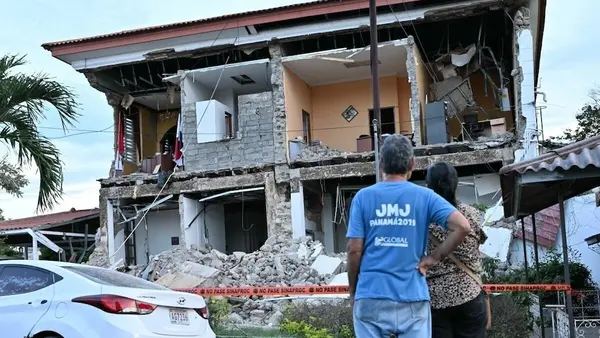
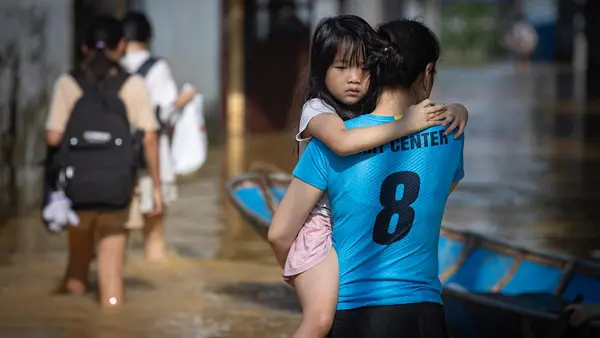
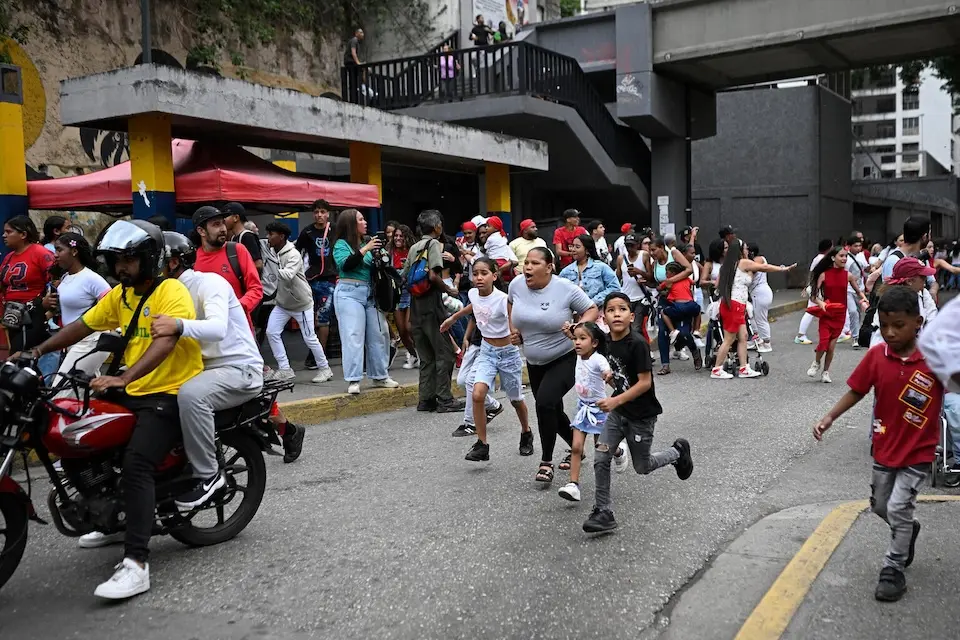
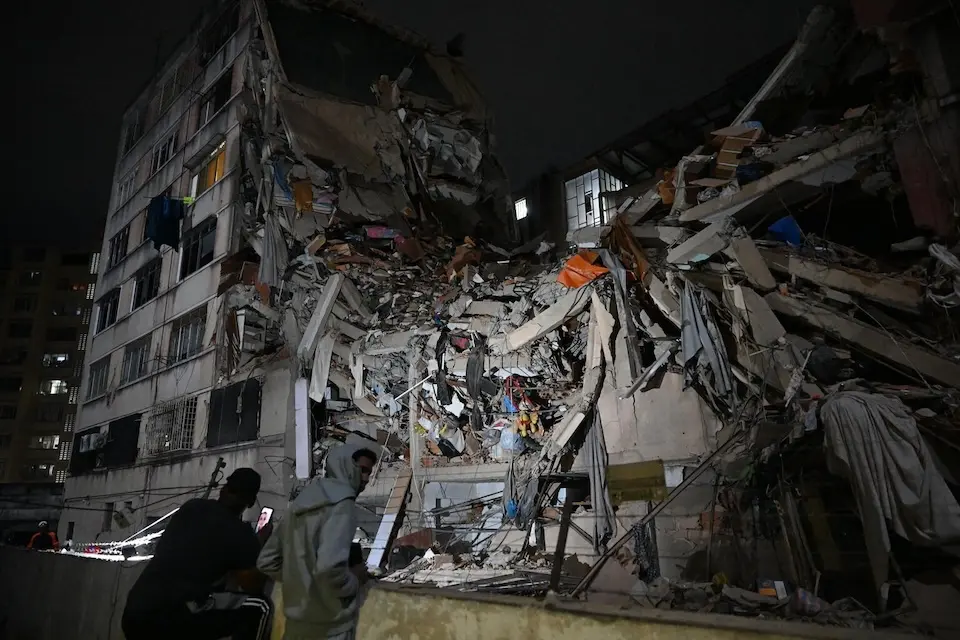
One month after powerful back-to-back earthquakes struck Venezuela's north-central coast on June 24, 2026, collapsing homes and buildings and sending people rushing into the streets, families are starting the long road to recovery.
Humanitarian needs remain significant, particularly among displaced families and communities with disrupted access to essential services. UNICEF continues to scale up its multi-sectoral emergency response, working with the Government, the United Nations system and humanitarian partners to deliver lifesaving and protective services across health, nutrition, WASH (water, sanitation and hygiene) and child protection.
UNICEF's multi-sectoral emergency response
The earthquakes' epicenters were in Yaracuy state west of Caracas, the capital city. A magnitude 7.2 foreshock was followed less than a minute later by a magnitude 7.5 quake — the worst to strike Venezuela in over a century — and more than 1,400 aftershocks. Official figures report 5,208 deaths and 16,740 people injured. Nearly 23,100 people are currently living in temporary camps across the Capital District and the states of La Guaira, Miranda and Aragua.
To meet the needs of children and families in temporary camps and affected communities, UNICEF and partners have:
- provided safe water to more than 8,900 people through the daily distribution of 80,000 liters of water across three transitional camps in La Guaira, and distributed essential hygiene supplies to support up to 29,000 people
- supported mobile health teams, in coordination with the Ministry of Health, in providing primary health care services, including vaccinations, to more than 21,000 people, including children and pregnant women.
- supplied 198 health facilities with essential medicines, with the capacity to provide primary health care services to up to 49,000 people
- reached more than 5,000 people with nutrition services, including acute malnutrition screening, micronutrient supplementation, nutrition counseling and breastfeeding support for pregnant and lactating women
- established child-friendly spaces in transitional camps in La Guaira, reaching more than 4,000 children, adolescents, and caregivers with psychosocial support, recreational activities, case management and specialized child protection services.
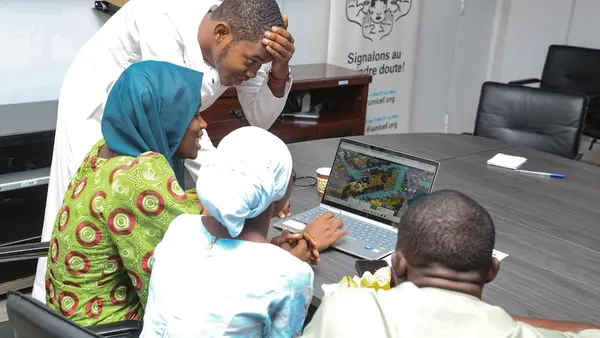
UNICEF is also supporting Post-Disaster Needs Assessments across key sectors, including WASH, health, nutrition and education, to help accelerate the restoration of essential social services for children and their families.
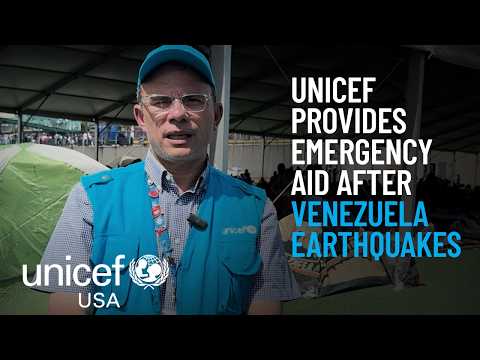
Video: UNICEF teams are on the ground
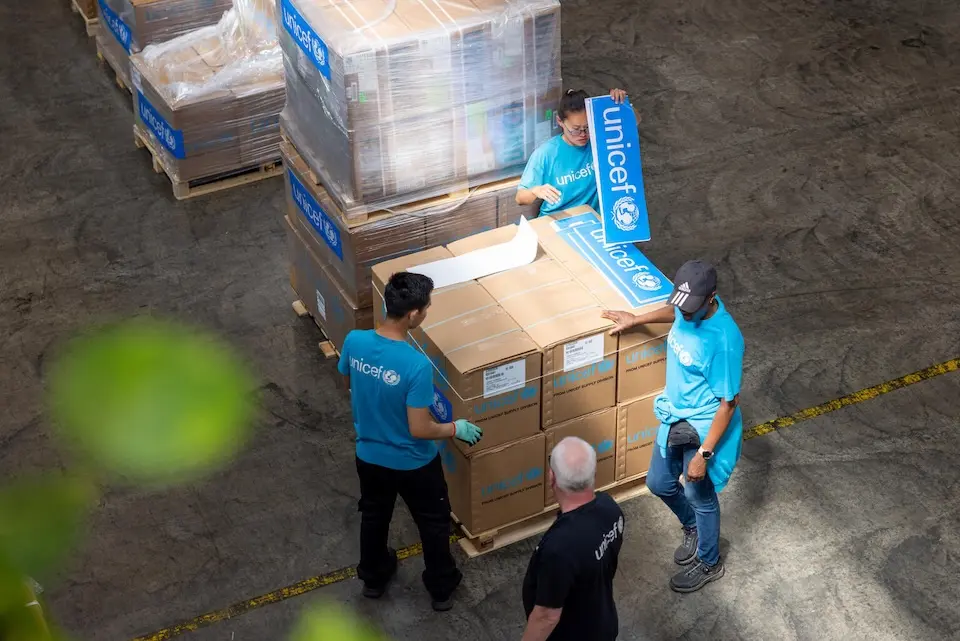
UNICEF has distributed more than 82 metric tons of emergency supplies for children and their families
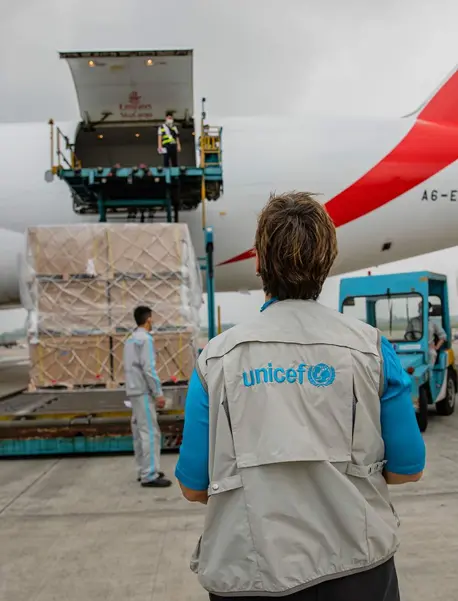
UNICEF's first air shipment of 20 metric tons of medical supplies, tents and water and sanitation items arrived in Valencia from UNICEF’s regional warehouse in Panama on June 27. A second shipment of 47 metric tons of humanitarian supplies from UNICEF's global supply and logistics hub in Copenhagen reached Venezuela on June 30.
To date, UNICEF has distributed more than 82 metric tons of emergency supplies, including health kits for urgent medical care including supplies for safe births, newborn care and disease prevention and treatment; water purification and storage equipment to help provide safe drinking water; tents for setting up child-friendly spaces and service points; mobility aids including wheelchairs; and recreational and early childhood supplies to help children regain a sense of normalcy and continue learning.
Learn more about UNICEF emergency response
How to help Venezuelan children? Donate to UNICEF
Damage assessments continue to reveal the scale of the impact, with at least 856 buildings affected, including 190 that collapsed entirely. Damage to health facilities and hundreds of schools is disrupting essential services for thousands of children, while continued aftershocks are sustaining risks for families living in temporary shelters.
"Beyond the visible damage, the fear, uncertainty and disruption caused by displacement can have lasting impacts on children’s well-being,” said UNICEF Representative in Venezuela, Manuel Rodriguez Pumarol. “Continued support is essential to ensure children have access to safe water, health care, protection and the services they need to recover.”
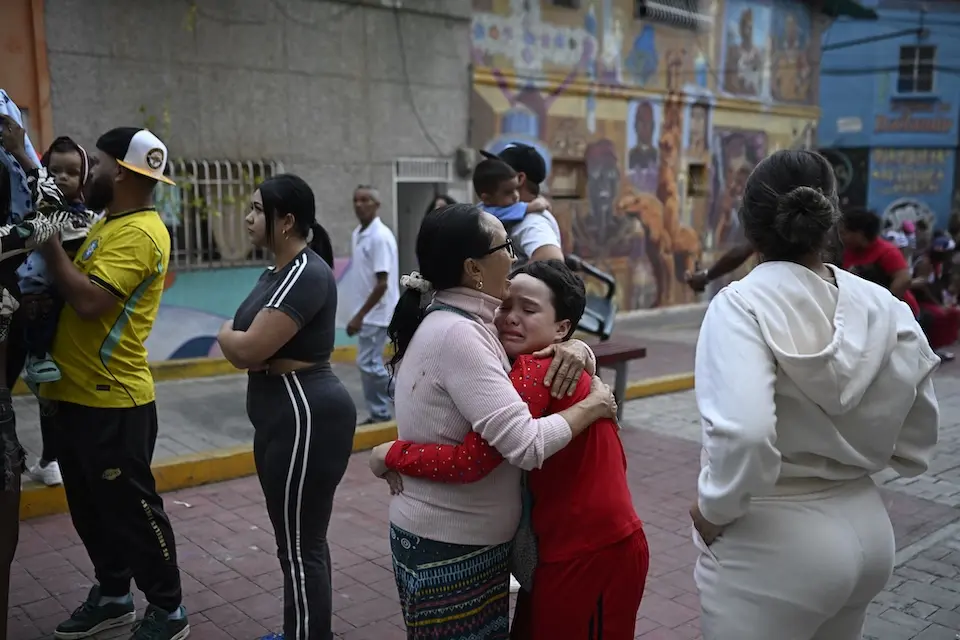
Economic crisis and political turmoil
Children are among the most vulnerable when earthquakes strike, facing injury, family separation, displacement, distress and disruptions to services including health care, safe water, education and protection.
This latest disaster comes on top of a severe economic crisis and political turmoil in Venezuela. Soaring inflation has left families unable to afford food, medicine and other essentials. Children in marginalized communities face multiple and worsening deprivations — malnutrition, preventable diseases, violence and exploitation — while overstretched services struggle to respond.
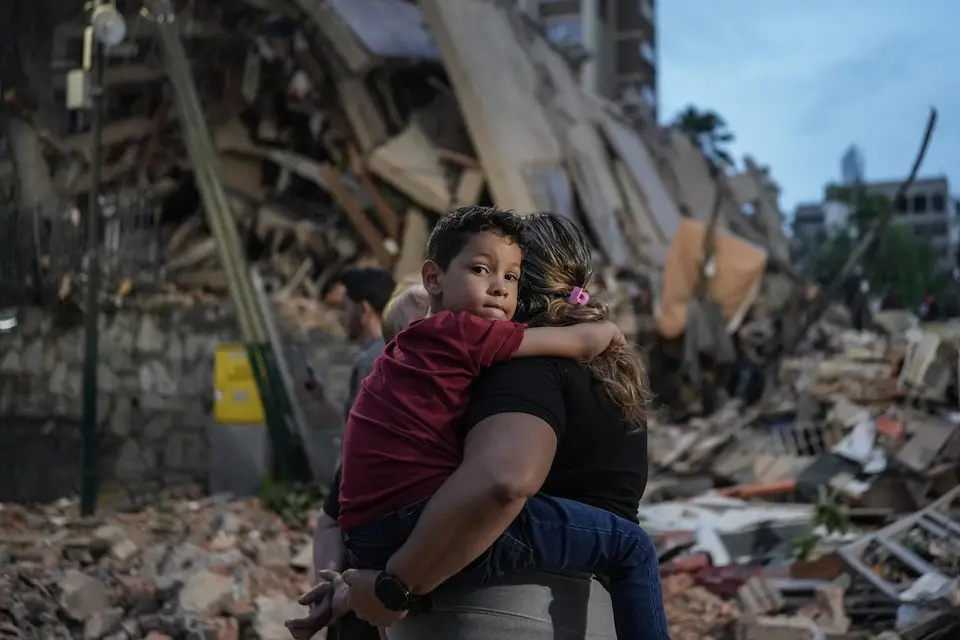
UNICEF is there before, during and after emergencies
UNICEF has been working in Venezuela for decades, delivering a child-centered, multisectoral response that combines lifesaving assistance for children with systems strengthening across health, nutrition, child protection, gender-based violence, WASH (water, sanitation and hygiene) and disaster preparedness. UNICEF estimates that $65.7 million is required to respond to the humanitarian impact of the earthquakes, as part of its wider 2026 Humanitarian Action for Children appeal for Venezuela, which stands at $137.6 million.
UNICEF has already mobilized approximately $3.5 million from its own internal emergency funds to enable rapid initial deployment of supplies and staff, and is calling on donors for additional, flexible funding to sustain and scale up its response to the Venezuela earthquakes.
Learn more about what UNICEF is doing in Venezuela to support and protect children in need
Frequently asked questions about the Venezuela earthquakes
What happened in Venezuela during the June 2026 earthquakes?
Powerful, back-to-back earthquakes struck northern Venezuela on June 24, causing homes and buildings to collapse, damaging hospitals and schools and forcing families into the streets. Assessments are ongoing, and the full scale of the damage is still being determined.
Is there an earthquake now in Venezuela?
Aftershocks have continued since the initial earthquakes, and affected communities remain at risk as damage assessments remain underway. UNICEF is working with partners to reach Venezuelan children and families with emergency supplies, safe water, health support and protection services.
How is UNICEF helping children and families?
UNICEF is supporting children and families with emergency health supplies, safe water, sanitation items, tents for child-friendly spaces, early childhood development supplies and other urgently needed assistance. UNICEF is also working to restore access to essential services including health care, education and child protection.
How can supporters in the USA help Venezuela after the earthquakes?
Supporters in the USA can help Venezuela earthquake relief efforts by donating to UNICEF USA. Flexible funding helps UNICEF move quickly to deliver emergency supplies and scale up support for children and families affected by the disaster.
HOW TO HELP
There are many ways to make a difference
War, famine, poverty, natural disasters — threats to the world's children keep coming. But UNICEF won't stop working to keep children healthy and safe.
UNICEF works in over 190 countries and territories — more places than any other children's organization. UNICEF has the world's largest humanitarian warehouse and, when disaster strikes, can get supplies almost anywhere within 72 hours. Constantly innovating, always advocating for a better world for children, UNICEF works to ensure that every child can grow up healthy, educated, protected and respected.
Would you like to help give all children the opportunity to reach their full potential? There are many ways to get involved.