8 Humanitarian Crises and the UNICEF Response
Humanitarian action is central to UNICEF’s mission for children. A look at a few of UNICEF's ongoing humanitarian responses around the world.
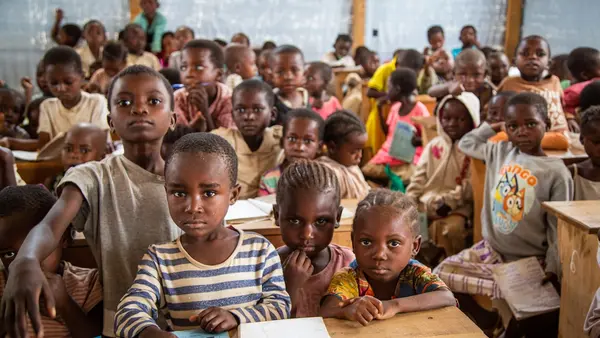
Humanitarian crises are caused by one or multiple events that threaten people's safety, health, security and lives. Natural disasters, wars, famine and drought are just a few examples. Worldwide, humanitarian crises put children's lives at risk in countless ways, taking away their safety, education, health care and access to food and water.
Many children from countries experiencing large-scale humanitarian crises are forced to flee, leaving their homes and often becoming separated from their families. UNICEF is committed to providing necessary and urgent services for children facing these circumstances.
Here is a look at just a few of the countries experiencing long-standing humanitarian crises, and where UNICEF has maintained a steady presence on the ground, working with partners to deliver for children and families who require ongoing humanitarian assistance.
Afghanistan
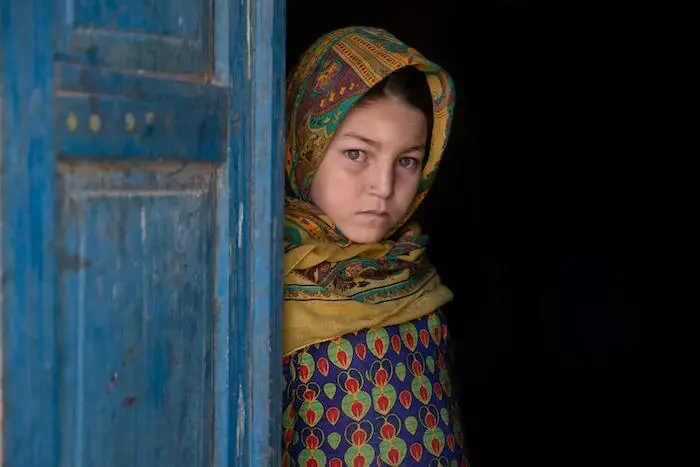
Natural disasters, displacement and chronic poverty has left more than half the population of Afghanistan requiring urgent humanitarian assistance. Half of the women in Afghanistan experience violence and millions of people are unable to access essential health care. The war in Ukraine led to an increase in prices for food and essential goods, making it even more difficult for families and causing even more children to suffer from severe acute malnutrition. Since the 2021 change in leadership, an estimated 2.6 million girls have been deprived of their secondary school education, threatening the country's future in key social sectors.
Read about how UNICEF is supporting children and families in need in Afghanistan
Ukraine
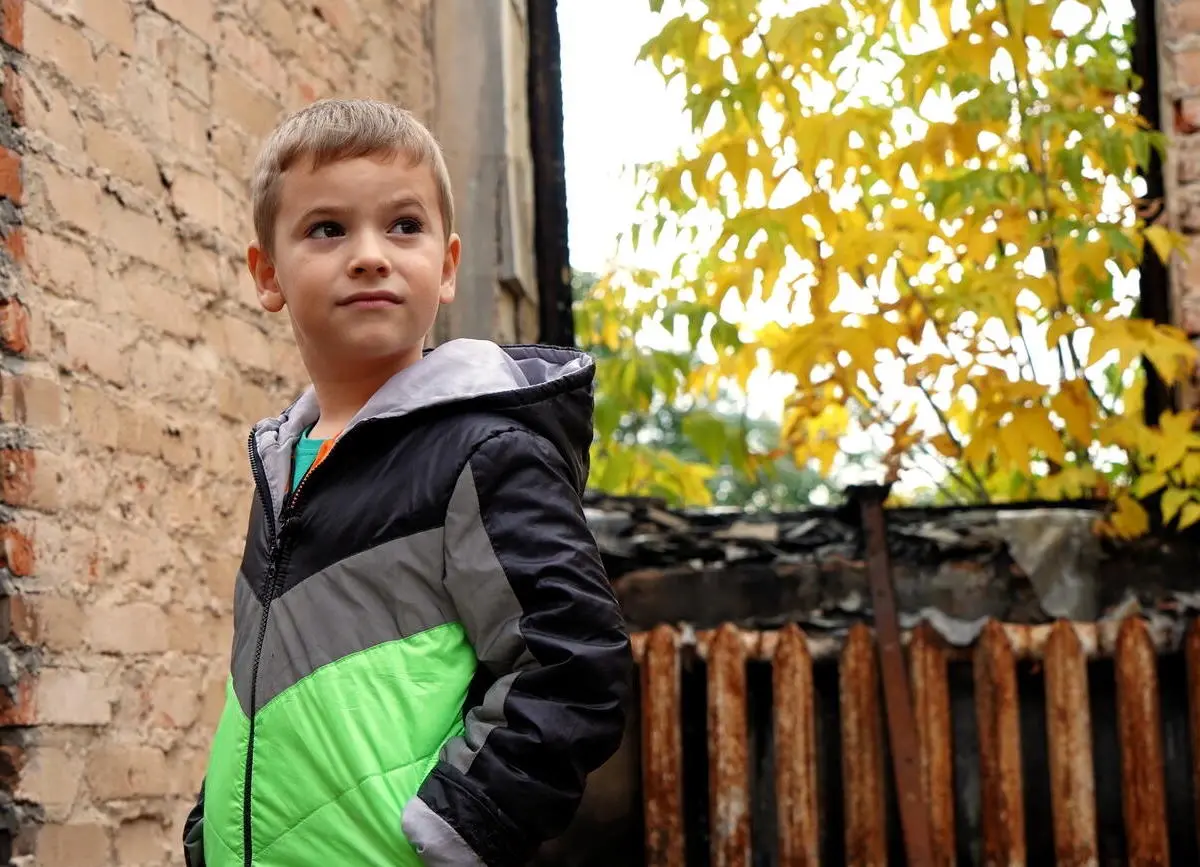
The war in Ukraine caused the fastest-growing refugee crisis since World War II. Over half of all children in Ukraine were displaced by the war, and hundreds of hospitals and health centers and schools were destroyed or damaged. An estimated 5 million children continue to need help accessing safe water, health care and education. Winters are brutal, and families continue to struggle to survive severe conditions. UNICEF is there helping to restore systems children rely on.
Learn more: Helping Children and Families Recover in Ukraine
5 Things You May Not Know About UNICEF's Humanitarian Response in Ukraine
South Sudan
Years of armed conflict, violence and lack of food, water and other essentials in South Sudan prompted millions of women and children to flee to neighboring nations, including Ethiopia and Sudan — countries experiencing their own emergencies. Climate-driven disasters, including severe seasonal flooding that destroys crops and ruins livelihoods, continue to fuel a child hunger crisis. Children in South Sudan are at high risk of being recruited into armed groups.
Read about how UNICEF is delivering humanitarian assistance in South Sudan
Nigeria
Nigeria has one of the highest maternal, neonatal and infant mortality rates in the world. Many children die from preventable causes like malaria, pneumonia and diarrheal disease. The number of children who lose their lives due to unsafe water and sanitation is one of the highest in Africa. Conflict involving armed Islamist militant groups has perpetuated violence and insecurity in the northeast region. Women and girls have been kidnapped, with some forced by armed groups into suicide bombing.
Read about how UNICEF works with partners in Nigeria to meet urgent needs
Syria
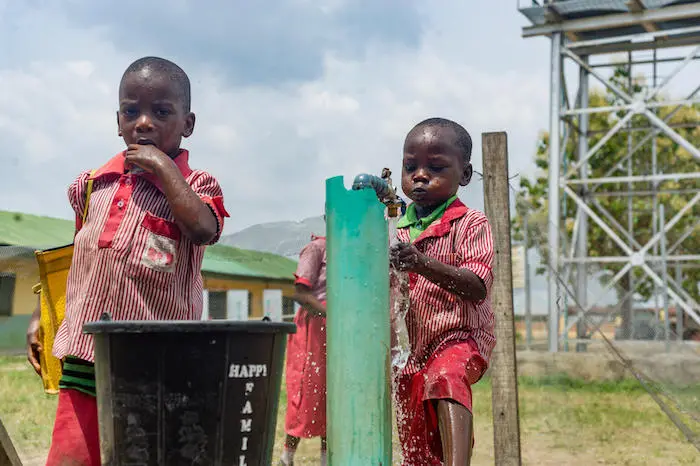
After 14 years of devastating war, Syria is at a turning point. The country is still struggling to come back from the brink of economic and social collapse, and nearly 7.5 million children still need humanitarian assistance. An estimated 2.45 million remain out of school.
UNICEF is collaborating with and under the leadership of the government of Syria to deliver essential health care, including child immunizations; screening children for malnutrition, and treating those suffering from severe wasting; restoring access to safe water and education. In 2025, UNICEF-supported child protection services reached over 1.5 million people across all 14 governorates and over 80,000 vulnerable people received cash transfers to cover their basic needs.
Read about UNICEF's evolving humanitarian response in Syria
Venezuela
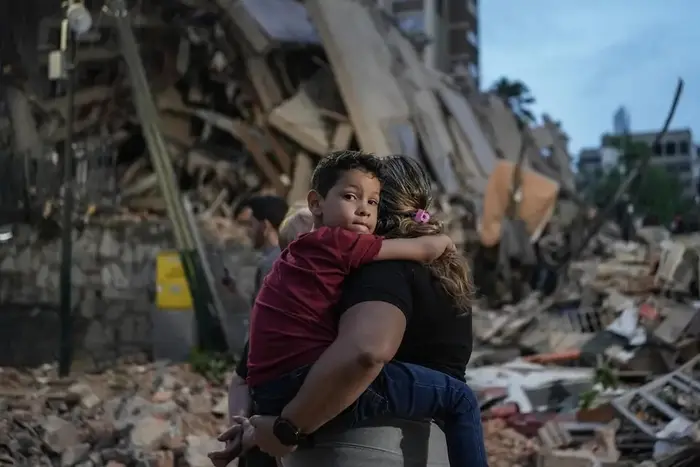
Venezuela's economic collapse led to hyperinflation that wiped out people’s life savings and made it practically impossible for them to purchase food, medicine and necessary goods. Continued economic insecurity led to increased violence and extreme poverty. Devastating earthquakes that struck the country's north-central region in June 2026 compounded humanitarian needs.
UNICEF is on the ground delivering emergency relief to earthquake victims alongside long-running programs and partnerships that are helping to address chronic problems for children in health, education and other essential areas.
Read about UNICEF's emergency humanitarian response to the June 2026 earthquakes in Venezuela
Yemen
Yemen, at civil war since 2015, is considered one of the worst places in the world for children. The country has one of the highest rates of acute child malnutrition. Every 10 minutes, a child dies from a preventable disease. Over 10,000 children have been killed or maimed since conflict started. Two million children are displaced inside the country, and hospitals and schools have been damaged or shut down, restricting children's access to education and essential health care.
Read about how UNICEF is reaching children and families in Yemen with humanitarian aid
Democratic Republic of the Congo
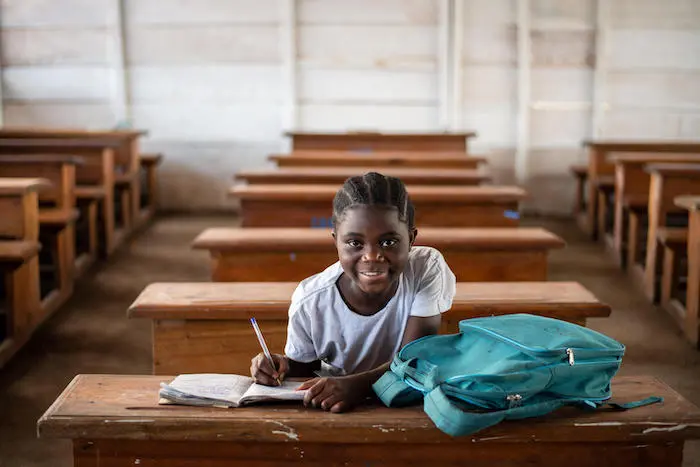
Chronic humanitarian needs in the DRC have only intensified as the country battles its largest Ebola outbreak against a backdrop of conflict and insecurity, displacement and poverty. The Ebola crisis threatens to deprive children of essential health, education and other services. Sexual violence against children is a pervasive problem. Almost 30 percent of women and girls in the DRC are survivors of gender-based violence.
Read about how UNICEF is delivering lifesaving humanitarian support to children and families in DRC
What is UNICEF's history of responding to humanitarian crises?
Since its founding in 1946, UNICEF has been on the ground responding to humanitarian crises around the world — defending the rights of children, working to ensure children are healthy, educated, protected and respected, and that they have equitable opportunities to fulfill their potential.
When disaster strikes, UNICEF works with governments and other local partners to reach children and families in need with immediate relief, support recovery efforts and provide long-term assistance to "build back better."
UNICEF's strategy is to link humanitarian assistance to development efforts, to help advance sustainable solutions to chronic problems that fuel humanitarian crises and put children in harm's way. Before, during and after emergencies, UNICEF is there. Learn why UNICEF is a leader in global emergency response.
Millions of children are on the move, unable to return to their homes. UNICEF works to provide emergency assistance in the form of food, water, health care, education and shelter to protect and support them. Learn more about what UNICEF does for child refugees and migrants.
Related: 10 Overlooked Emergencies That Need More Support in 2026
HOW TO HELP
There are many ways to make a difference
War, famine, poverty, natural disasters — threats to the world's children keep coming. But UNICEF won't stop working to keep children healthy and safe.
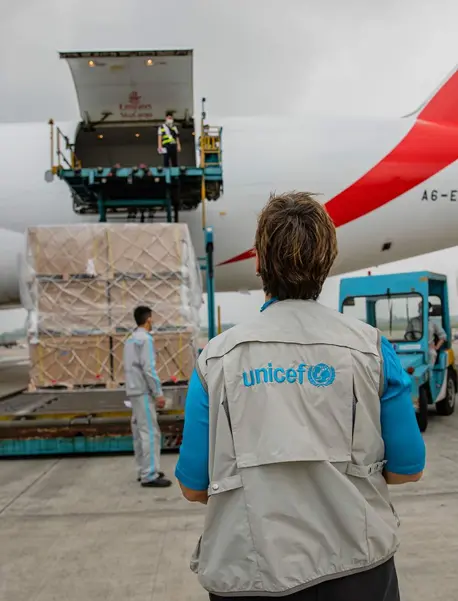
UNICEF works in over 190 countries and territories — more places than any other children's organization. UNICEF has the world's largest humanitarian warehouse and, when disaster strikes, can get supplies almost anywhere within 72 hours. Constantly innovating, always advocating for a better world for children, UNICEF works to ensure that every child can grow up healthy, educated, protected and respected.
Would you like to help give all children the opportunity to reach their full potential? There are many ways to get involved.