Children Seek Safety in the West Bank as Violence Escalates
Highlights
- A surge in settler violence is endangering the lives of Palestinian children in the West Bank.
- More than 800,000 children across the West Bank, including East Jerusalem, face barriers to safe and continuous education.
- UNICEF-supported learning centers provide safe spaces where children can continue their education and receive psychosocial support.
As the situation in the West Bank continues to deteriorate, UNICEF-supported learning spaces help Palestinian children affected by violence and displacement continue their education and access psychosocial support.
The fundamental spaces of childhood — the home, the classroom, the street, the community — are becoming increasingly unsafe for children in the West Bank
Over the past three years, settler violence and increasingly militarized operations have escalated sharply across the occupied West Bank, putting children's lives at risk. "Children have been killed and injured. Families have been displaced. Homes, schools and essential infrastructure have been attacked or destroyed," UNICEF Deputy Executive Director Hannan Sulieman said during an address to the UN Security Council on Aug. 11, 2026.
Sulieman shared the story of a grandmother who is afraid to even step out of her home to take out the garbage because of near daily settler attacks. An improvised incendiary grenade was thrown into her kitchen, setting the house on fire while her grandchildren were inside. "She has since covered the windows with corrugated iron to try to protect her family, but the persistent sense of fear and insecurity haunts them, particularly for the safety of children while traveling to and from school," Sulieman said.
174 Palestinian children have been killed and over 1,500 injured in the West Bank, including East Jerusalem, since January 2024
According to UN-verified reports, between January 2024 and the end of July 2026, 174 Palestinian children were killed in the West Bank, including East Jerusalem — more than one child per week. Over 1,500 children were injured. Nearly half of those injured were wounded by live ammunition. During the same period, three Israeli children were killed and 15 injured.
Boys, particularly adolescent boys, account for most of the children who have been killed and injured.
The UN continues to monitor and verify grave violations against children in the West Bank. — UNICEF Deputy Executive Director Hannan Sulieman
"The UN continues to monitor and verify grave violations against children in the West Bank," Sulieman said. "These include incidents in which children were shot when they did not pose an imminent threat — some were shot while running away, while others were simply caught in the violence around them."
Learn more about how UNICEF supports children and families in the West Bank
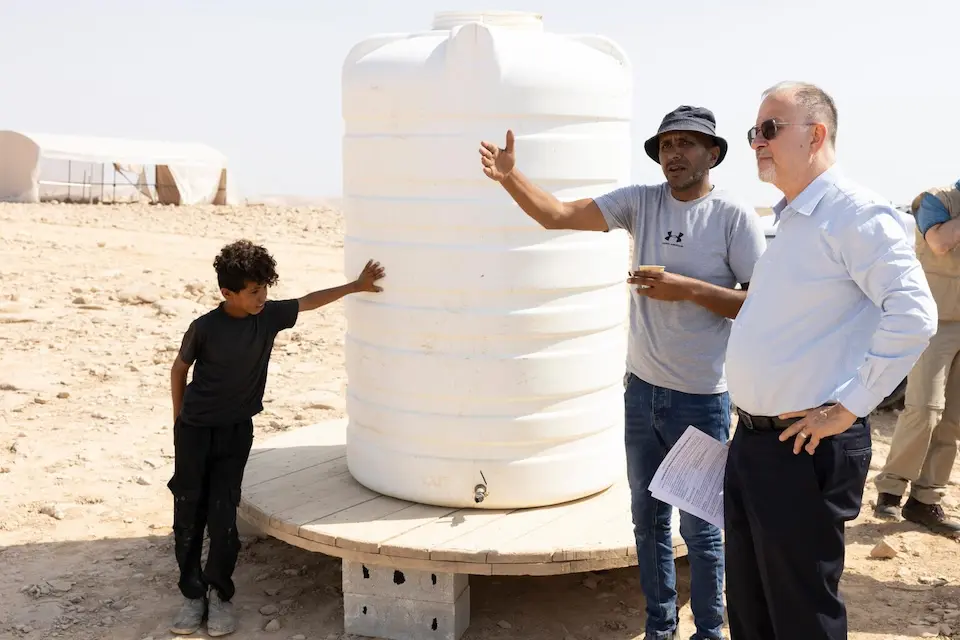
Parents struggle to keep their children learning when the journey to school itself can be dangerous
Between January and June of this year, over 3,250 Palestinians, including more than 1,500 children, were displaced in the West Bank including East Jerusalem due to settler violence, access restrictions and administrative demolitions. Another 32,000 Palestinians, including 12,000 children, remain displaced since January 2025 from three Palestinian refugee camps in the northern West Bank.
More than 800,000 children face barriers to safe and continuous education because of school closures, insecurity, movement restrictions and damage to infrastructure. "In 2026 alone, 99 education-related incidents were documented, including children being killed, injured or detained in or on their way to schools; schools being demolished; school buildings being used by military forces; and children being denied access to education," Sulieman said.
According to the Aug. 7, 2026 situation report from OCHA, the United Nations Office for the Coordination of Humanitarian Affairs, 84 schools serving nearly 13,000 students across the West Bank, including East Jerusalem, have pending demolition orders.
Related: Children in Gaza Are Still Waiting for an End to the Violence
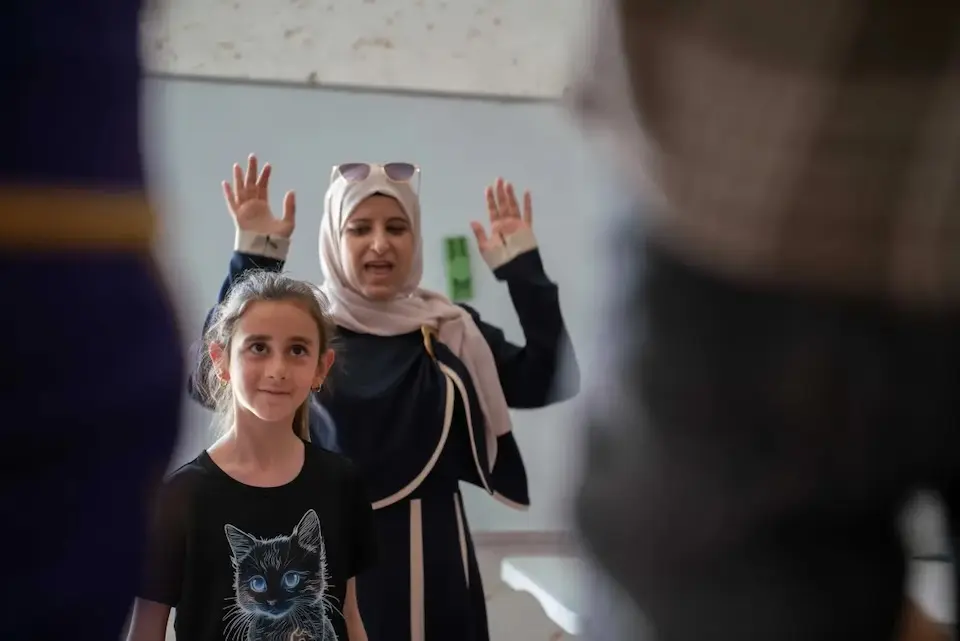
In an environment of violence and uncertainty, schools can provide normalcy, learning and a much-needed safe space for children
In the northern West Bank community of Qaryut, 9-year-old Lina says she feels afraid all the time now. “There is no sense of safety at home or anywhere in the village,” she explains. “Soldiers used to come into our neighborhood and open fire. One day, they killed my father.”
To support children facing such threats, UNICEF is supporting psychosocial and educational support programming in isolated northern West Bank communities. The Community Empowerment Network for Children’s Well-Being and Education project supports 90 marginalized communities across the West Bank exposed to violence from settlers.
Learn more: Emergency Support for Children and Families in the West Bank
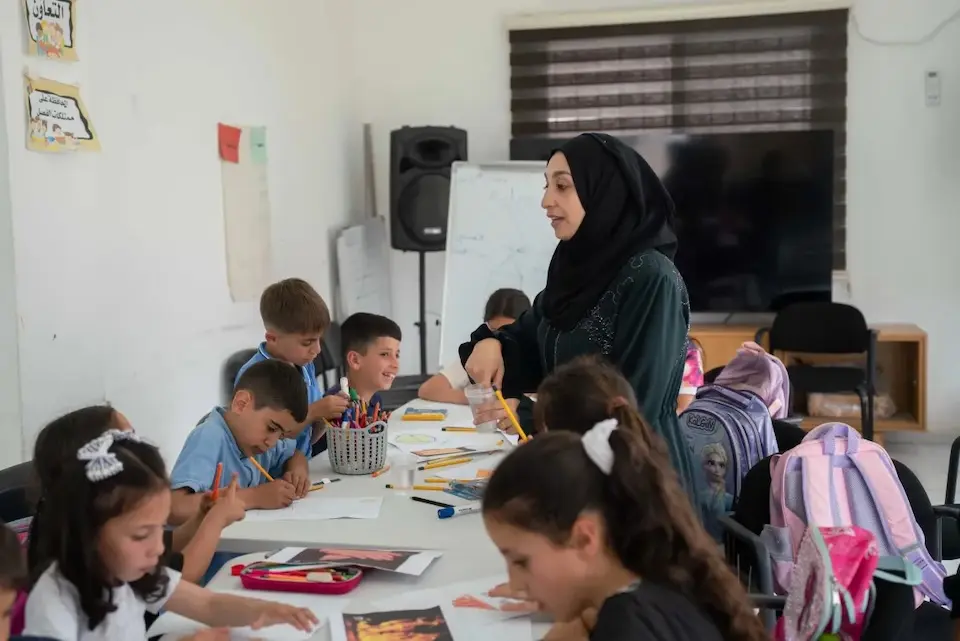
Creating safe spaces where children can grow and learn
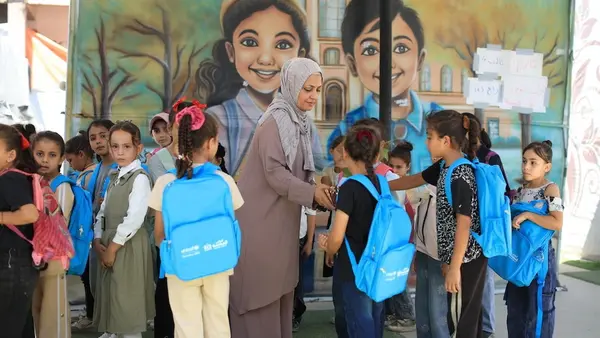
In this high-stress environment, learning spaces offer a refuge where children can continue to grow and learn. At the UNICEF-supported hubs, children attend remedial classes and play together. Shadow teachers are provided for children with specific needs.
“This space is more than a classroom for me,” says 8-year-old Malak. “Here I can learn, play and enjoy every moment.”
The children’s mothers say that the program helps to close learning gaps and improve children’s emotional well-being.
Related: Getting Children Back to Learning in Gaza
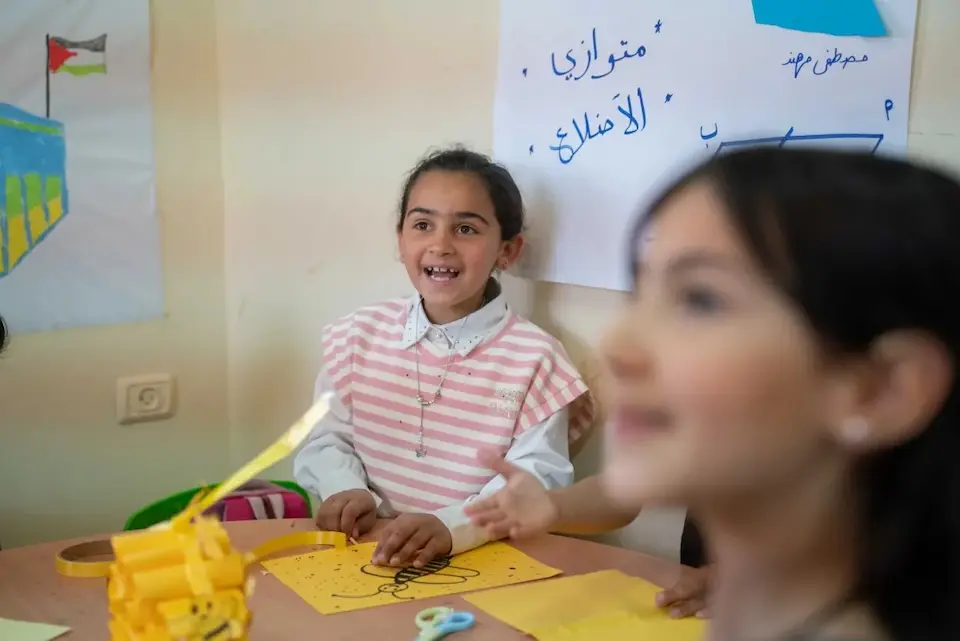
"Soldiers attacked our school before and threw stun grenades at it. Here, I feel safer,” says 8 -year-old Muhannad, an 8-year-old from the village of Qusra, located near the city of Nablus in the northern West Bank, as he joins in the learning exercises.
Jana, 8, has to walk a long distance to reach her school. “Sometimes I can't go because of the situation,” she says. “Sometimes I’m afraid to leave the house when the Israeli army passes near us or implements a militarized operation near my house.”
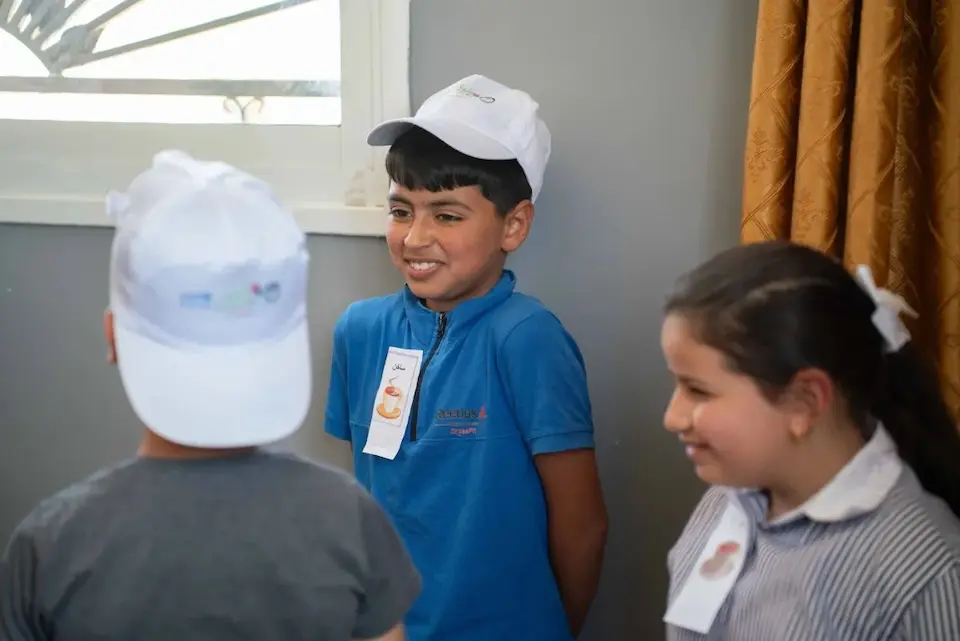
Every child has the right to a quality education
Under the Convention on the Rights of the Child, every child has the fundamental right to education, and states are obligated to respect, protect and fulfill this right.
UNICEF continues to help children across the West Bank access quality education, remedial learning opportunities, and mental health and psychosocial support, including socio-emotional learning, while creating safe spaces and supporting them to pursue their dreams. This work is made possible thanks to the support of partners, including the European Union Humanitarian Aid, Akelius Foundation, Education Cannot Wait, the Global Partnership for Education and the Governments of Australia and Finland.
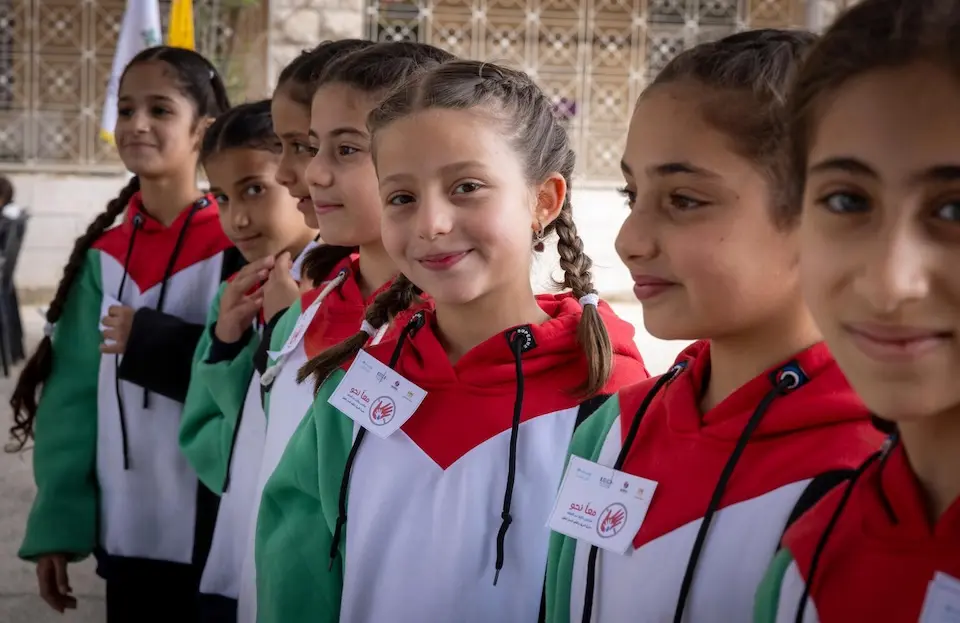
For parents and caregivers: How to Talk to Your Children About Conflict and War
This story was adapted from unicef.org
HOW TO HELP
There are many ways to make a difference
War, famine, poverty, natural disasters — threats to the world's children keep coming. But UNICEF won't stop working to keep children healthy and safe.
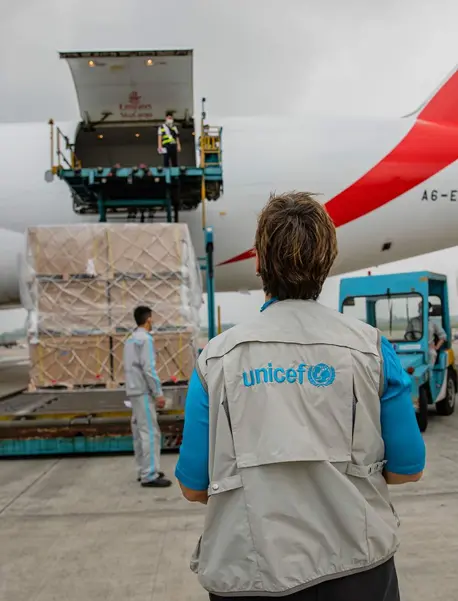
UNICEF works in over 190 countries and territories — more places than any other children's organization. UNICEF has the world's largest humanitarian warehouse and, when disaster strikes, can get supplies almost anywhere within 72 hours. Constantly innovating, always advocating for a better world for children, UNICEF works to ensure that every child can grow up healthy, educated, protected and respected.
Would you like to help give all children the opportunity to reach their full potential? There are many ways to get involved.