Children in Gaza Are Still Waiting for an End to the Violence
Highlights
At least 300 children have reportedly been killed in Gaza since a ceasefire was announced in October 2025
UNICEF continues to deliver basic supplies to displaced families despite significant constraints
UNICEF calls on all parties to the conflict to protect children and allow unimpeded humanitarian access
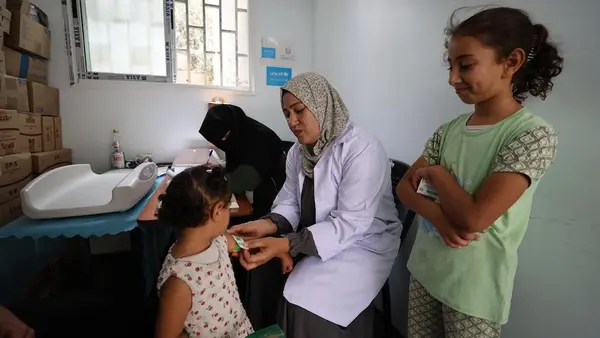
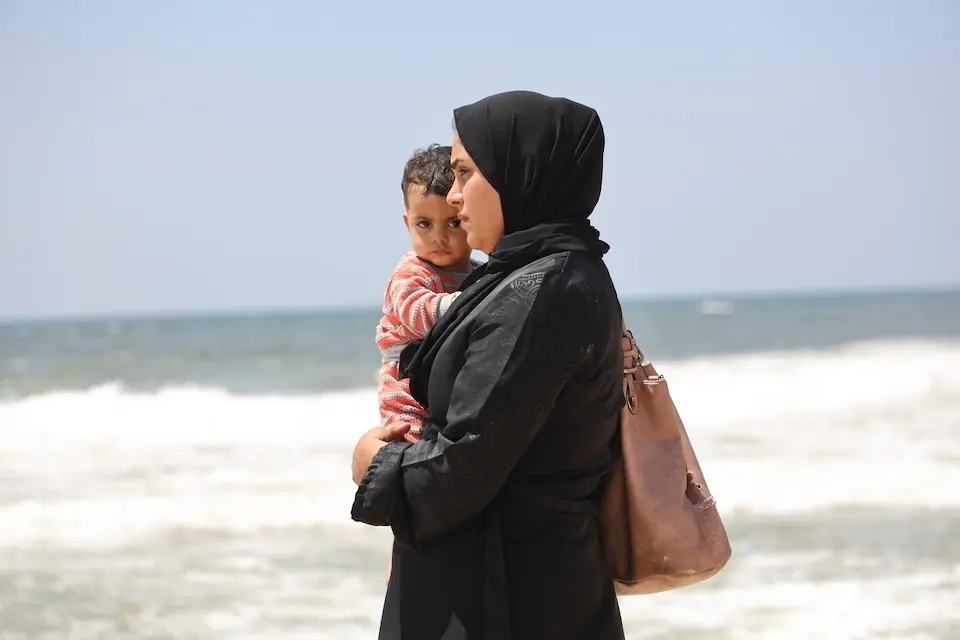
UNICEF and partners are on the ground in the Gaza Strip, working to meet the basic needs of Palestinian children and their families. Humanitarian conditions remain dire, with most of the population — 1.9 million out of 2.1 million people — displaced and exposed to ongoing health and environmental risks.
Under summer heat, with ongoing attacks and aid access restrictions, children in the Gaza Strip continue to pay the highest price
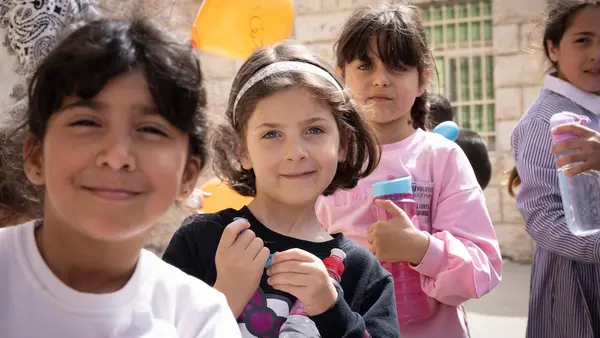
In the 300 days since the announcement of a ceasefire in October 2025, at least 300 children have reportedly been killed in the Gaza Strip — an average of one child every day, despite an agreement for the suspension of military operations and the full entry of humanitarian aid and relief almost 10 months ago.
"A ceasefire that leaves an average of one child dead each and every day is failing children," UNICEF Regional Director for the Middle East and North Africa Edouard Beigbeder, said on Aug. 6, 2026. "With hundreds more children injured, many severely, children in Gaza are still waiting for the end to the violence they were promised."
Related: More Than 64,000 Children Killed or Injured in Gaza Since October 2023
A ceasefire that leaves an average of one child dead each and every day is failing children. — Edouard Beigbeder, UNICEF Regional Director for the Middle East and North Africa
Families are now crowded into roughly a third of the Gaza Strip, sheltering in soaring temperatures and unsafe conditions among destroyed buildings, rubble and accumulated solid waste. Nearly 90 percent of all water and sanitation infrastructure has been damaged or destroyed. Children continue to face acute malnutrition, disease, unsafe water and contaminated environments.
As part of its efforts to improve living conditions, UNICEF supports waste collection and recycling workers like Wasim Mohammed Abu Nasr in Deir al Balah, central Gaza. "The most important thing is for our camp to be clean," he says. "And we are removing harm from the children. Since it's metal left in the streets, they play with it, it cuts their hands and they get injured."
Learn more: Why Are Children Still Dying in Gaza?
Video: Every child has the right to a safe and healthy childhood
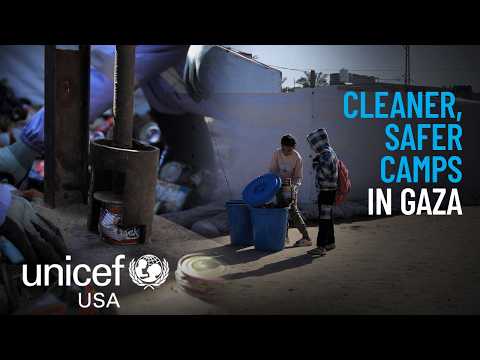
UNICEF is reaching children in Gaza with lifesaving humanitarian aid, despite significant constraints
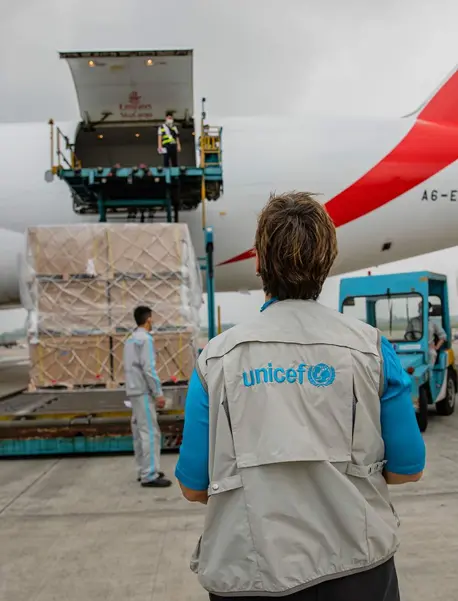
In the first six months of 2026, UNICEF and its partners continued to deliver lifesaving assistance across the Gaza Strip despite significant operational constraints:
- More than 1.15 million people accessed safe drinking water through emergency water trucking, while 516,000 people gained access to sanitation services.
- Across the health sector, 487,000 children and women accessed primary health care services, and 11,019 small and sick newborns received specialized inpatient newborn care.
- More than 19,400 children were screened and treated for acute malnutrition; 163,000 caregivers received counseling on infant and young child feeding.
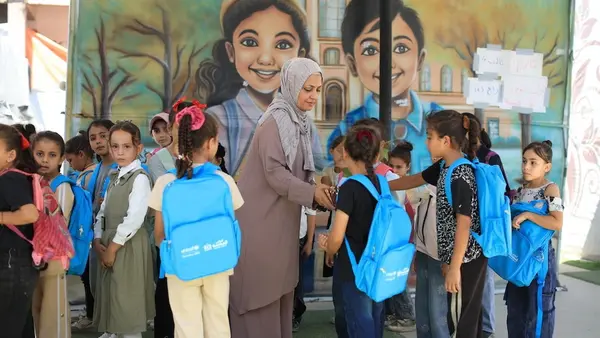
- 266,000 children accessed formal or non-formal education opportunities, helping restore learning and a sense of normalcy amid ongoing upheaval.
Learn more in UNICEF State of Palestine's mid-year 2026 situation update
Video: UNICEF delivers basic supplies to families trapped in unimaginable circumstances
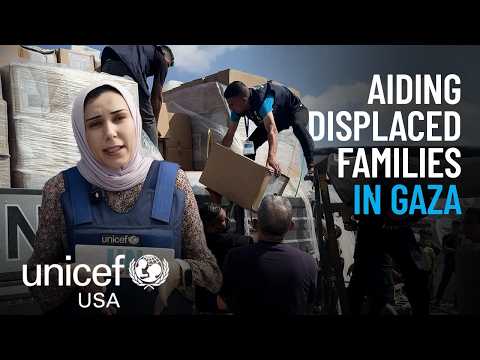
UNICEF calls on all parties to protect children in Gaza and safeguard their access to essential goods and services
"Announcements made in recent days set out a roadmap for the next phase of the ceasefire, including steps towards ending hostilities and scaling up humanitarian relief," said Beigbeder. "This offers new hope and a chance to finally stop children being killed."
UNICEF calls on all parties to comply with their obligations under international law, including international humanitarian and human rights law. They must protect children, safeguard their access to essential goods and services, including health care, education, safe water and food, and allow and facilitate safe, rapid and unimpeded humanitarian access to children in need.
"For children in Gaza, the test is simple," Beigbeder continued. "Does the killing stop? Does aid reach them at scale? Do hospitals reopen and water flow? Will children return to school safely in September? Children have heard promises before. This time, agreements must translate into action."
HOW TO HELP
There are many ways to make a difference
War, famine, poverty, natural disasters — threats to the world's children keep coming. But UNICEF won't stop working to keep children healthy and safe.
UNICEF works in over 190 countries and territories — more places than any other children's organization. UNICEF has the world's largest humanitarian warehouse and, when disaster strikes, can get supplies almost anywhere within 72 hours. Constantly innovating, always advocating for a better world for children, UNICEF works to ensure that every child can grow up healthy, educated, protected and respected.
Would you like to help give all children the opportunity to reach their full potential? There are many ways to get involved.