Bringing Hope and Support to Children in Sudan
After more than three years of conflict, even the most ordinary parts of daily life are becoming increasingly dangerous for children in Sudan. UNICEF is there, working with partners to deliver essential services and improve child protection. More donor support is needed to reach children caught in one of the world's worst humanitarian crises.
A rise in drone strikes endangers children's lives across Sudan
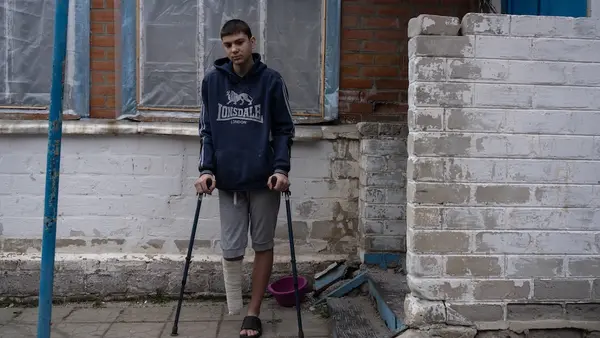
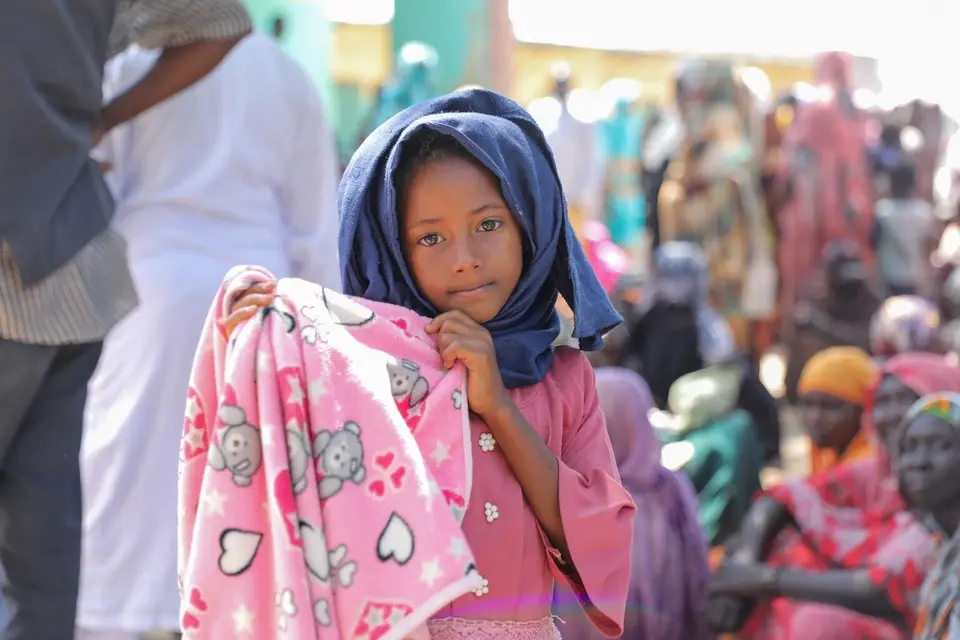
Since heavy fighting broke out in the capital, Khartoum, in April 2023, around 15 million people in Sudan have fled their homes in search of safety. But as conflict intensifies and drone warfare escalates, places that once might have seemed relatively safe have become more deadly.
Drones — including the use of increasingly accurate long-range drones — are targeting schools, public markets and health facilities, killing and injuring children. In 2026, two-thirds of all child casualties in Sudan were caused by armed drone attacks.
The psychological impact on children is enormous
On Oct. 26, at least five children between the ages of 7 and 14 were reported killed in a drone attack on a market in Nyala, in South Darfur. Just a week earlier, on Oct. 19, drone strikes reportedly killed at least 80 people, including women and children, in a busy market in Abyei.
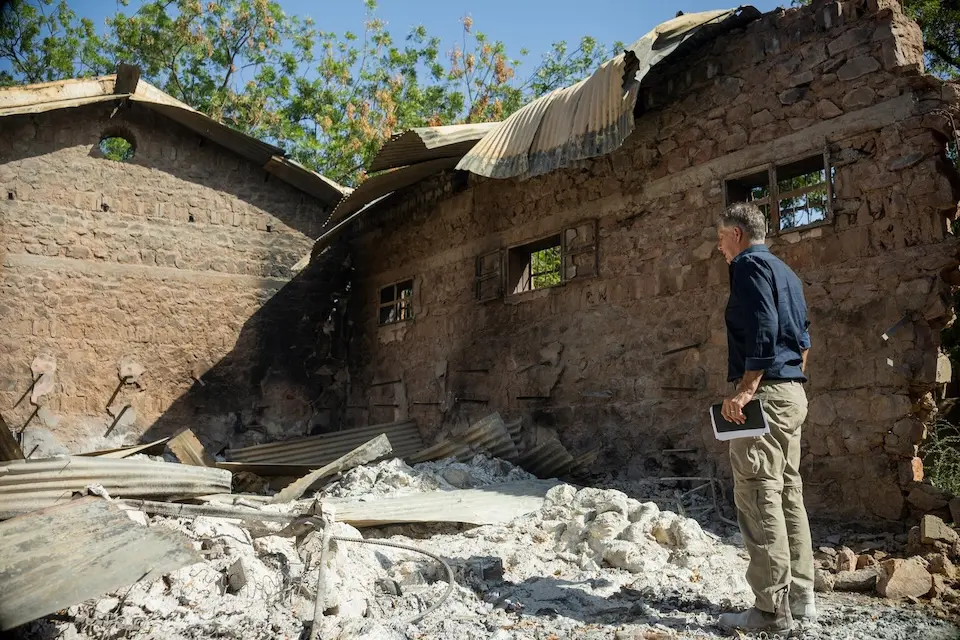
Up to 15 power stations were targeted by drones during the month of October alone. Hitting key sites across Sudan's grid, the strikes marked a serious escalation in attacks on civilian infrastructure.
Attacks on communities, separation from family members, constant uncertainty — the psychological impact on children is enormous. At least 8 million children are out of school, mainly in Darfur and Kordofan.
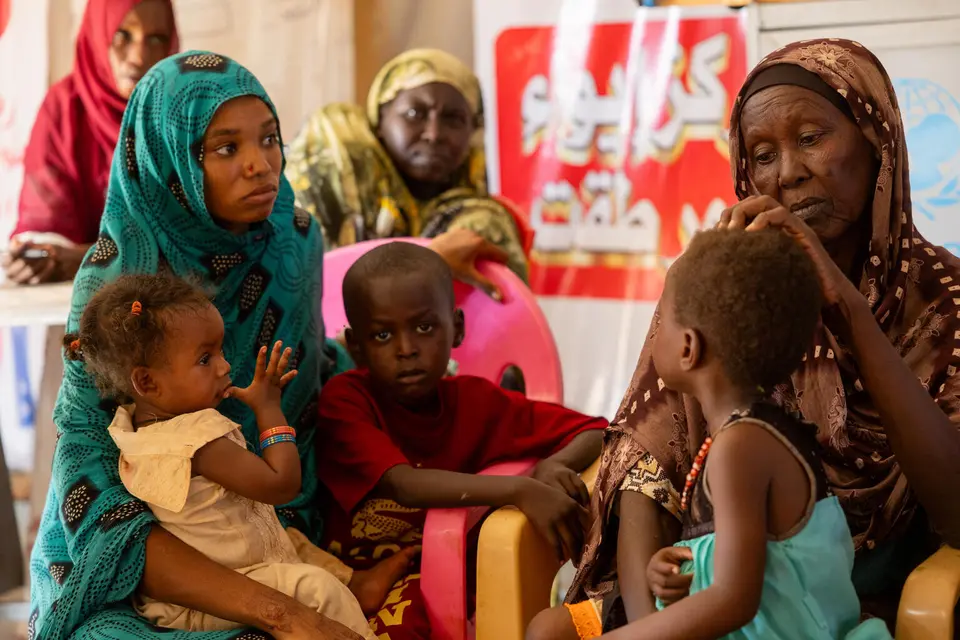
UNICEF is on the ground in Sudan, delivering for children
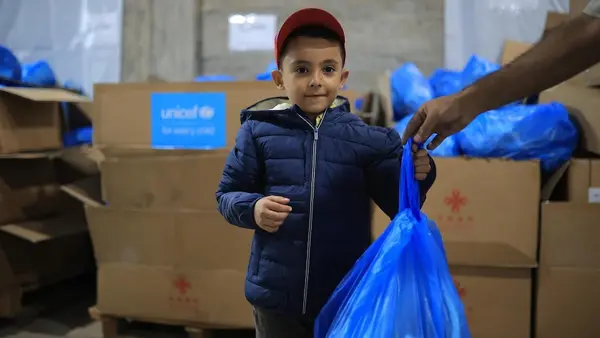
Despite the growing safety risks, UNICEF is staying to deliver in Sudan, working side by side with communities to reach children and families affected by conflict, including:
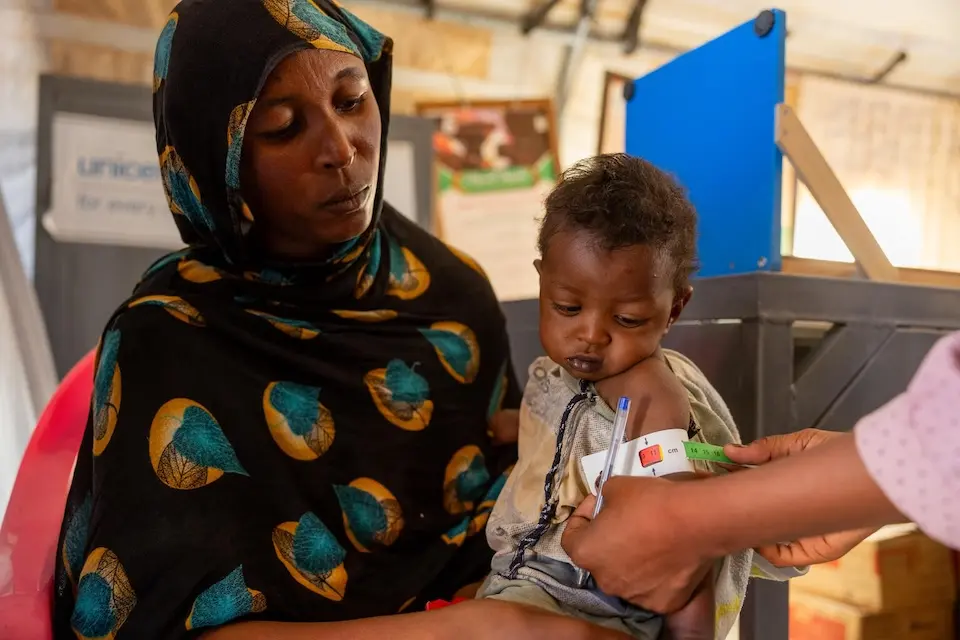
- treating hundreds of thousands of children diagnosed with severe acute malnutrition
- helping to provide health care to more than 2.5 million people
- vaccinating millions of children against devastating diseases
- supporting unconditional cash grants to help pregnant and breastfeeding women afford food and other essentials for their children
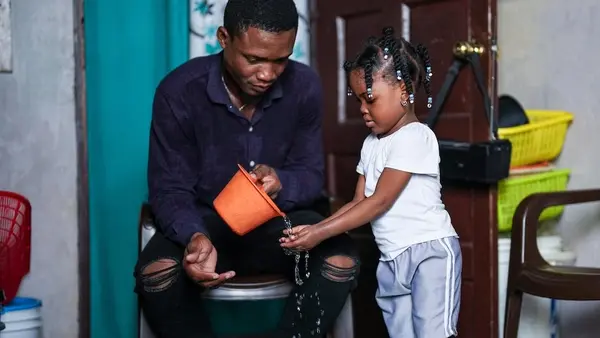
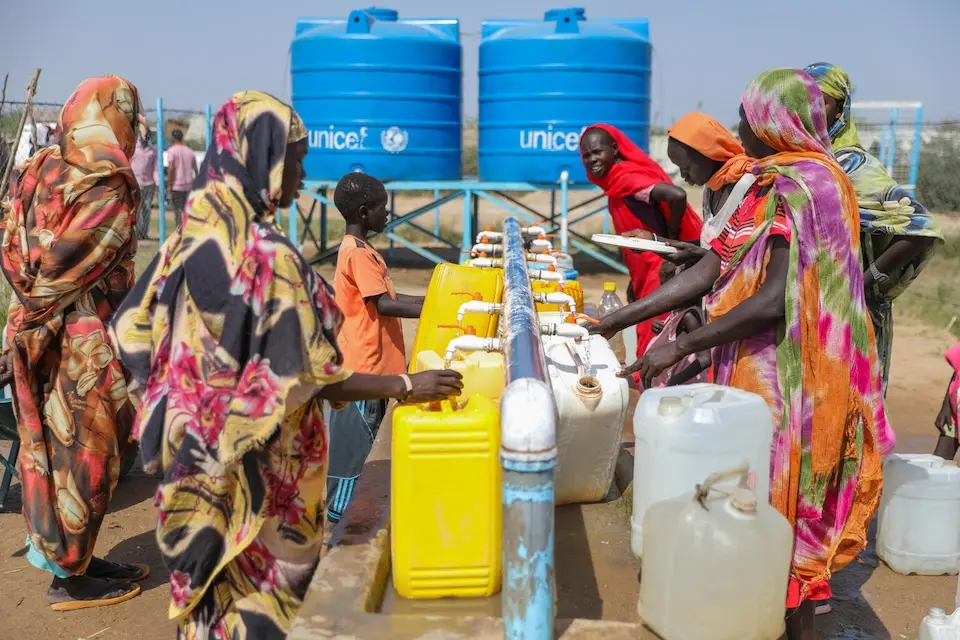
- repairing and solarizing water systems to provide safe drinking water and prevent the spread of disease
- helping to keep safe water flowing for close to 8 million people, including displaced and returnee families
- reopening schools and providing learning materials so millions of children can safely return to class
- reaching 1.5 million children and families with protection, mental health and psychosocial support
Learn more about UNICEF's integrated emergency response in Sudan
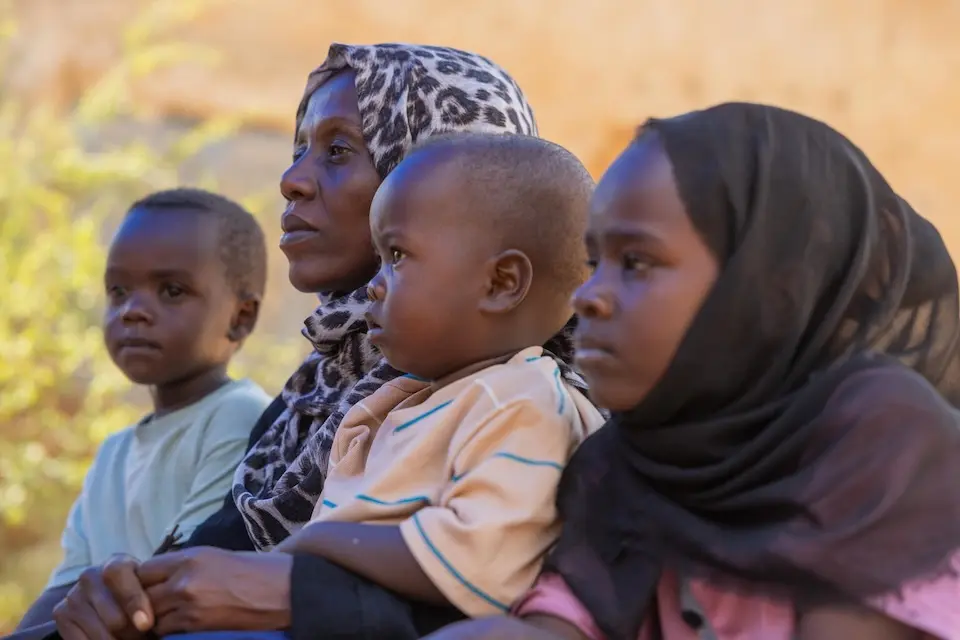
Drought poses another deadly threat to Sudan's children
On top of the proliferation of drone attacks, children in Sudan also face deepening drought conditions. Together, these two factors pose a compounded threat to their health and well-being.
"In Sudan, power is water," UNICEF Spokesperson James Elder said on Nov. 10, after returning from North Kordofan. "When a power station is struck, water pumps stop and water treatment stops. Families are forced onto expensive and unsafe alternatives. Disease spreads. We are again seeing pockets of cholera in some of the hardest-to-reach communities, including among internally displaced families."
A lethal cycle kicks in
“The cold storage that keeps vaccines and medicines viable is threatened," Elder continued. "Farmers lose irrigation because the pumps run on electricity and there are cripplingly fuel shortages. Harvests suffer, prices keep rising, and food slips further out of reach for more and more families. A lethal cycle kicks in."
An estimated 19.5 million people in Sudan face high levels of acute food insecurity. This year, an estimated 825,000 children under 5 are expected to suffer from severe acute malnutrition, which can be fatal if left untreated.
Learn more about how UNICEF supports children in Sudan
Children in Sudan need an end to the violence and a sustained, fully funded response
Through it all, people in Sudan are showing remarkable strength. But with so many crises happening at once, children in Sudan are not getting the public attention they deserve. UNICEF’s response in Sudan is just one-third funded.
UNICEF is calling for three things:
- an end to violence against children and attacks on power stations, water systems and the civilian infrastructure they depend on
- safe access across conflict lines, and for those with influence to protect children and civilians, and stop the flow of weapons that are killing and injuring children
- urgent, sustained and flexible funding to keep essential services running: safe water, treatment for malnourished children, health care, education and protection for children
The story doesn't end here. Help change what happens next.
HOW TO HELP
There are many ways to make a difference
War, famine, poverty, natural disasters — threats to the world's children keep coming. But UNICEF won't stop working to keep children healthy and safe.
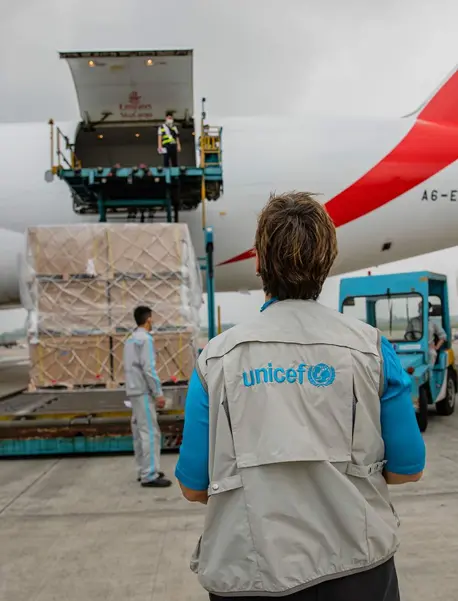
UNICEF works in over 190 countries and territories — more places than any other children's organization. UNICEF has the world's largest humanitarian warehouse and, when disaster strikes, can get supplies almost anywhere within 72 hours. Constantly innovating, always advocating for a better world for children, UNICEF works to ensure that every child can grow up healthy, educated, protected and respected.
Would you like to help give all children the opportunity to reach their full potential? There are many ways to get involved.