Palestinian Children in Gaza and the West Bank Need Support
Learn how UNICEF is supporting Palestinian children in the Gaza Strip and the West Bank, delivering critical aid from safe water to health care, education and protection to help children and families survive and recover. Keep reading for important updates and more information on how you can help.
UNICEF is on the ground in Gaza and the West Bank, working to help children survive, recover and keep learning, despite catastrophic circumstances. UNICEF’s support for Palestinian children focuses on delivering critical aid to those who need it the most.
UNICEF USA helps supporters stay up to date on urgent developments on the ground, discover child-centered stories and learn how to help.
For children in Gaza, every day depends on care
A conflict that escalated in October 2023 has resulted in a deepening crisis for Palestinian children and families. Meeting basic needs for safety, shelter, school, health care, food and clean water is a daily struggle. At least 64,000 children have been killed or injured.
March 18, 2025, marked a turning point, the day a ceasefire ended and conditions for children worsened. Another ceasefire, announced on Oct. 10, 2025, has done little to prevent children from death and injury; conditions remain horrific. Getting aid into Gaza and the West Bank remains difficult.
Famine marks a devastating turning point for children in Gaza
On August 22, 2025, famine was confirmed in Gaza Governorate, located in the north-central Gaza Strip — a first for the Middle East — triggering the need for accelerated lifesaving action.
More than half a million people were at risk of starvation, destitution and preventable death. Children were hit the hardest. Months of blockades meant urgent needs for food, nutrition treatment, safe water and health care went unanswered.
Explainer: What is famine?
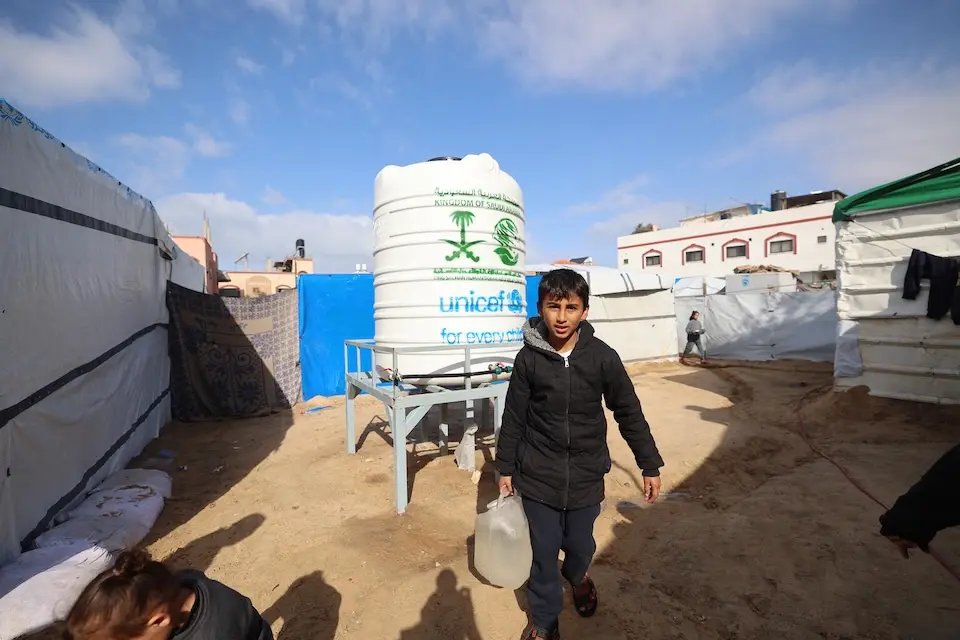
Safe water is one of the first needs in any emergency
The vast majority of Gaza’s water, sanitation and hygiene (WASH) infrastructure has been damaged or destroyed by military operations. Those left standing and operational are running at reduced capacity due to lack of fuel.
This leaves children and families across the region struggling to find sufficient quantities of safe, drinkable water.
Damaged water and sanitation systems exacerbate unsafe living conditions, heightening risks of dehydration and disease, especially for children.
Read about the water emergency endangering children's lives in Gaza
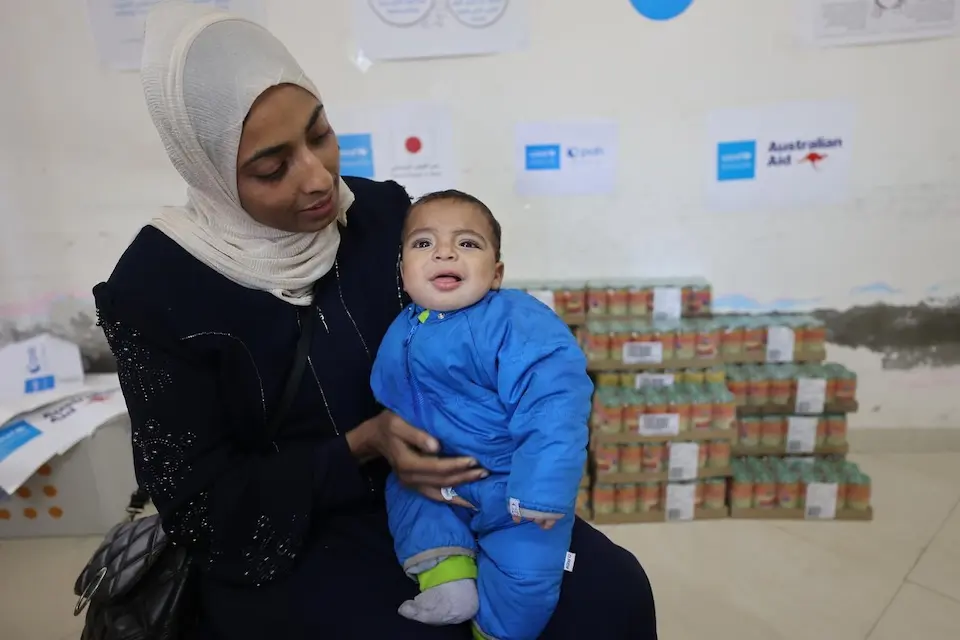
Nutrition and health care can’t wait
Food insecurity and disrupted health services are a lethal combination. On Sept. 11, 2025, UNICEF warned that child malnutrition in Gaza had reached record levels, citing sharply increasing rates of acute and severe acute malnutrition among children. The share of children admitted for treatment for SAM, the deadliest form of child malnutrition, had risen to 23 percent, nearly double the 12 percent reported six months earlier.
Throughout the Gaza Strip, child malnutrition levels remain critical. Significant numbers of children remain in urgent need of lifesaving treatment, yet for many, support services are out of reach. For these children, getting treatment fast is essential for survival.
Vaccines, essential medicines and maternal and newborn care also remain difficult to access.
UNICEF’s work for Palestinian children is rooted in every child's rights
UNICEF’s work for Palestinian children is an extension of UNICEF's global mission: to create a more equitable world where every child can grow up healthy, educated, protected and respected.
Alongside partners, UNICEF works to uphold the rights of children, and ensure access to the services and support they need to grow up healthy and safe and to reach their full potential. UNICEF programs and interventions cover all stages of a child's life, from birth through adolescence, helping them, their caregivers and communities in times of crisis while also supporting long-term needs.
Learn more about UNICEF's commitment to children's rights
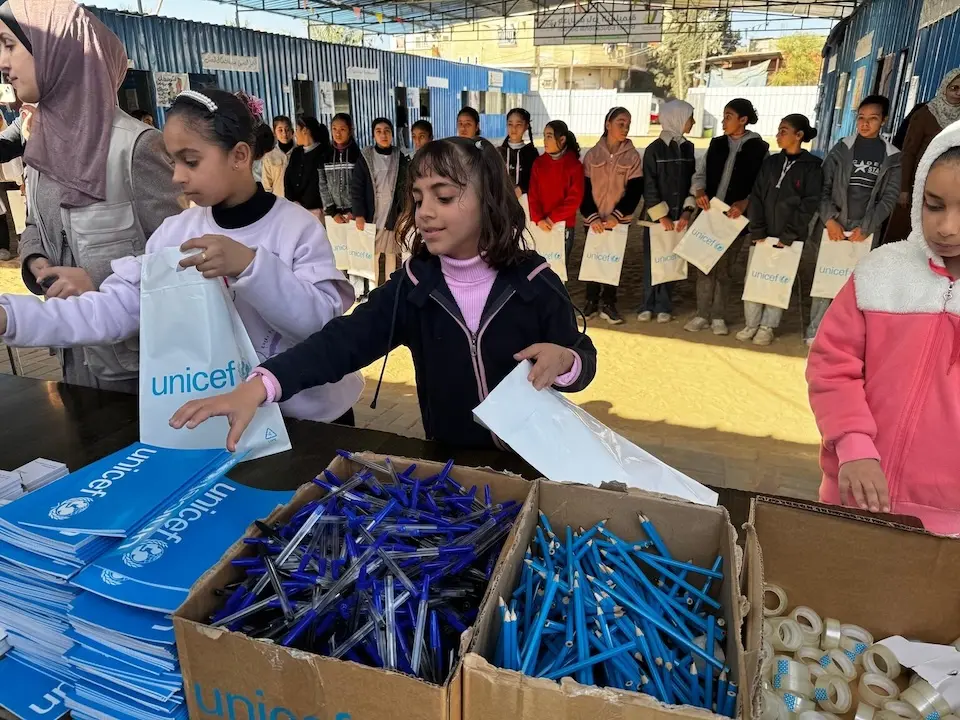
How UNICEF reaches children in Gaza with lifesaving support
UNICEF has been operating on the ground in the Gaza Strip and the West Bank, providing humanitarian assistance to children and families, since the early 1980s.
In 2023, the scale and nature of UNICEF's presence shifted dramatically into a massive emergency response. UNICEF remains on the ground working alongside partners day in and day out to meet the most urgent needs to support immediate survival and recovery.
Priorities include providing therapeutic and supplemental foods for children who are malnourished; supplying safe drinking water to children and families who lack access; providing psychosocial and mental health support to children and caregivers; and providing cash assistance so families can buy nutritious food and other basics.
Water, nutrition and health support help children survive
Whenever UNICEF responds to an emergency — in Gaza or anywhere else in the world — the focus is getting the most essential support to the most vulnerable as quickly as possible. Safe water, sanitation and hygiene (WASH) supplies, nutrition support and vital health care are often the first steps.
Priorities in Gaza include delivering ready-to-use therapeutic food, vaccines, medical supplies, newborn care equipment, water treatment and more to enhance child survival, disease prevention and family health.
Learn how UNICEF is reaching children in Gaza with lifesaving therapeutic food
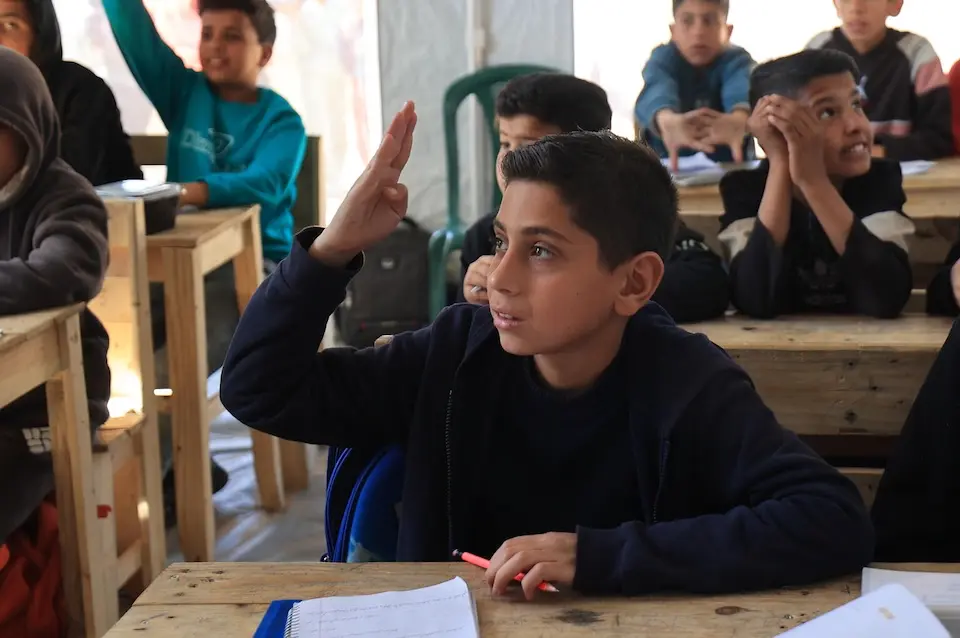
Protection and learning help children hold on to childhood
Children living through war and conflict, including those in Gaza, face displacement, trauma, family separation and interrupted learning.
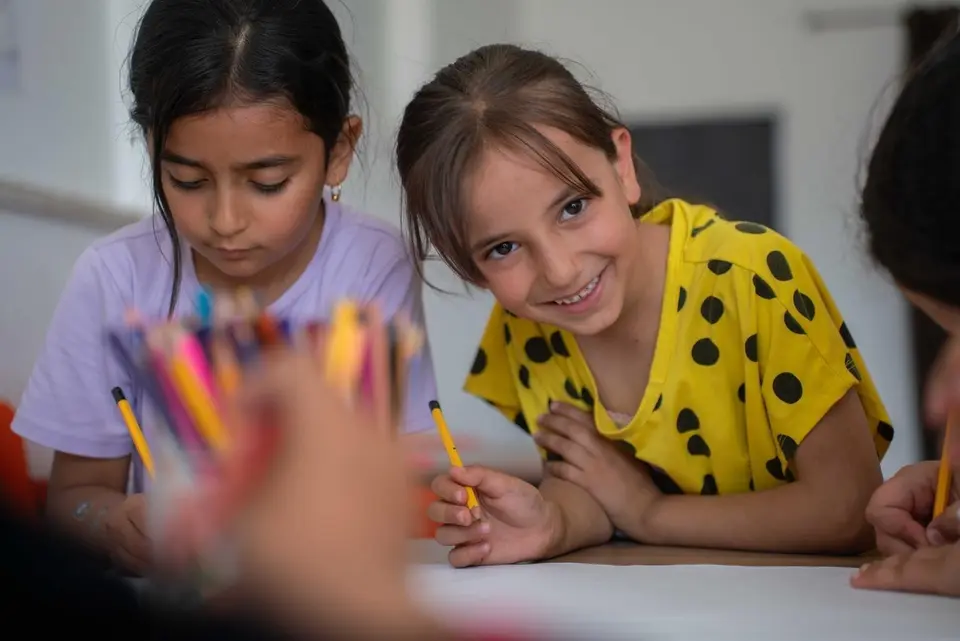
In response, UNICEF establishes, staffs and equips child-friendly spaces where children can play, receive psychosocial support and get back to learning, helping to restore some routine and sense of normalcy. Essential household supplies like soap, blankets, diapers, baby supplies and other emergency items are provided to enhance health and dignity.
Children in the West Bank need safety, stability and support too
UNICEF is also in the West Bank, working to provide emergency support to children and families in crisis. With no ceasefire in place, conflict and violence continue to undermine children’s access to safety, leaving families in a perpetual state of fear and uncertainty.
Together with partners, UNICEF is delivering vital nutrition and health services, immunization, education, child protection, psychosocial and family support to children in the West Bank.
Learn more about where UNICEF works in the Middle East
Stories from Gaza help families’ needs come into focus
Part of UNICEF USA’s role is to share real stories of real children and families in Gaza and the West Bank. Each story offers readers a glimpse into the reality these children are living, and their urgent needs for safety, safe water, emergency supplies, child protection and more.
For example, "Nowhere Is Safe for Children in Gaza" reports on the unimaginable toll on children 500 days into the escalated conflict. "UNICEF Aids Children Caught in Water and Sanitation Crisis in Gaza" details UNICEF's WASH response.
Explore UNICEF USA's featured stories page for the latest updates
How support reaches children and families
Donations through UNICEF USA directly support UNICEF’s work and help make supporting children in crisis around the world possible.
Essential supplies and services move through UNICEF’s supply chains, partners and flexible response systems in order to reach the children who need them the most.
Flexible funding — contributions to UNICEF that are not earmarked for any one country or project — helps UNICEF respond swiftly as children’s needs change.
Each donation — no matter how small — helps ensure UNICEF can deliver for children caught in conflict and other crises all around the world. UNICEF responds to hundreds of emergencies every year.
Learn more about the impact of donor support in Gaza
Frequently asked questions about UNICEF’s work for Palestinian children
What is UNICEF doing to help children in Gaza?
UNICEF helps children in Gaza access essential services like safe water, treatment for malnutrition and health care, including vaccines. Along with partners, UNICEF also works to provide psychosocial support as well as education and child protection. UNICEF puts children's needs first — in Israel, the Gaza Strip, the West Bank, and around the world.
When was famine confirmed in Gaza?
Famine was confirmed on Aug. 22, 2025, based on Integrated Food Security Phase Classification (IPC) analysis. While conditions have improved somewhat, children in Gaza remain at increased risk of malnutrition and in urgent need of support as most are surviving on diets lacking essential nutrients.
Does UNICEF help children in the West Bank, too?
UNICEF supports children across the Gaza and the West Bank, providing and enhancing access to health, education, protection and essential services.
How can I help children in Gaza and the West Bank?
There are many ways to help children in Gaza and the West Bank. Unrestricted, flexible donations help UNICEF provide water, nutrition, medical supplies, learning materials, protection and more.