Nowhere Is Safe for Children in Gaza
Why It Matters
- Children continue to be killed and wounded. Nearly 1 million people have been repeatedly displaced since October 2023.
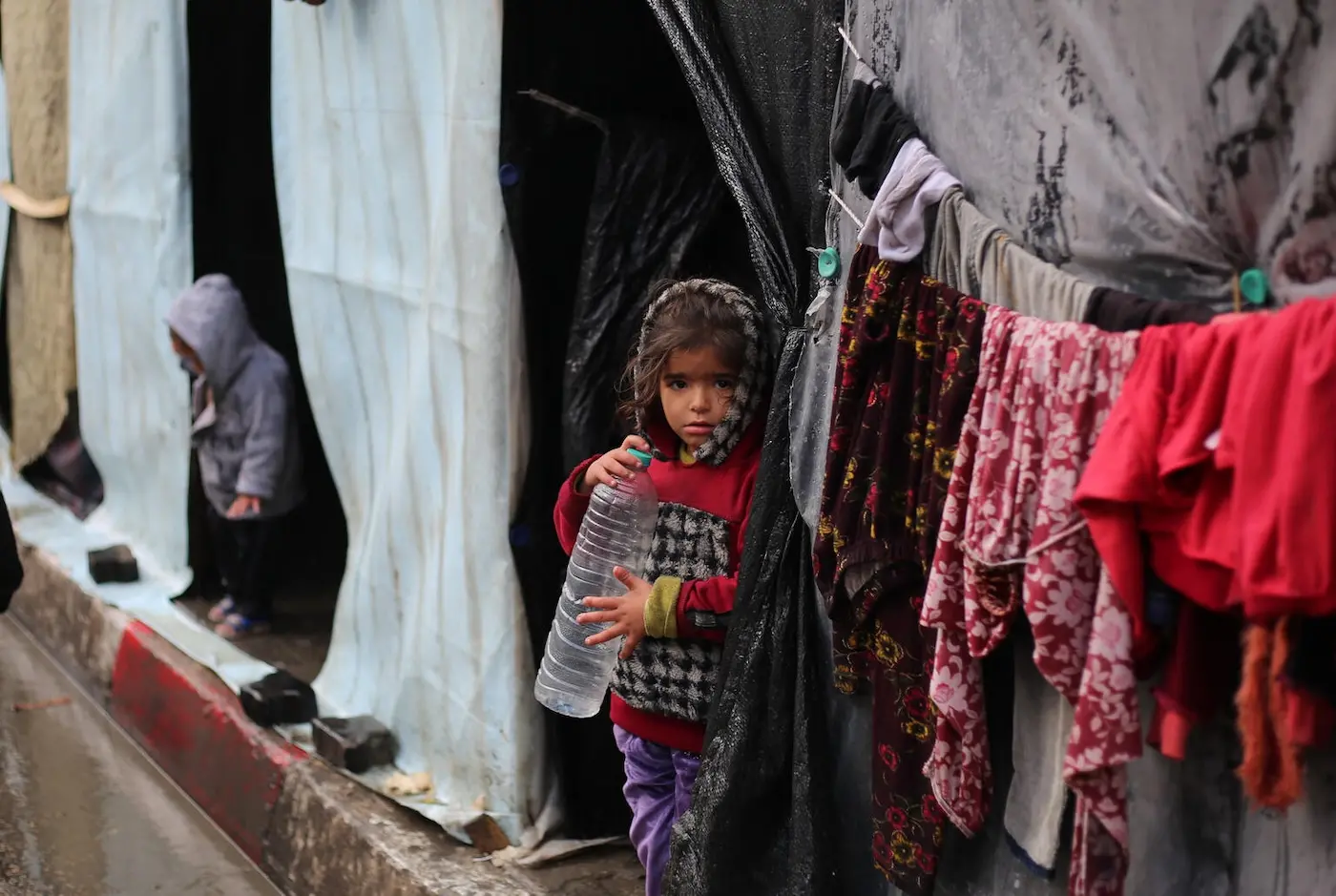
- Severely limited water, sanitation and shelter are fueling disease outbreaks. Infants, children with disabilities and kids suffering from malnutrition are at particularly high risk.
- UNICEF is providing cash transfers and mental health services while continuing to call for the protection of children and civilians in keeping with international law.
Children in Gaza are facing danger, displacement and trauma. UNICEF humanitarian assistance is making a difference to protect Gaza’s children, but much more help is urgently needed.
Updated July 2, 2026
Children don't start wars but they pay the highest price
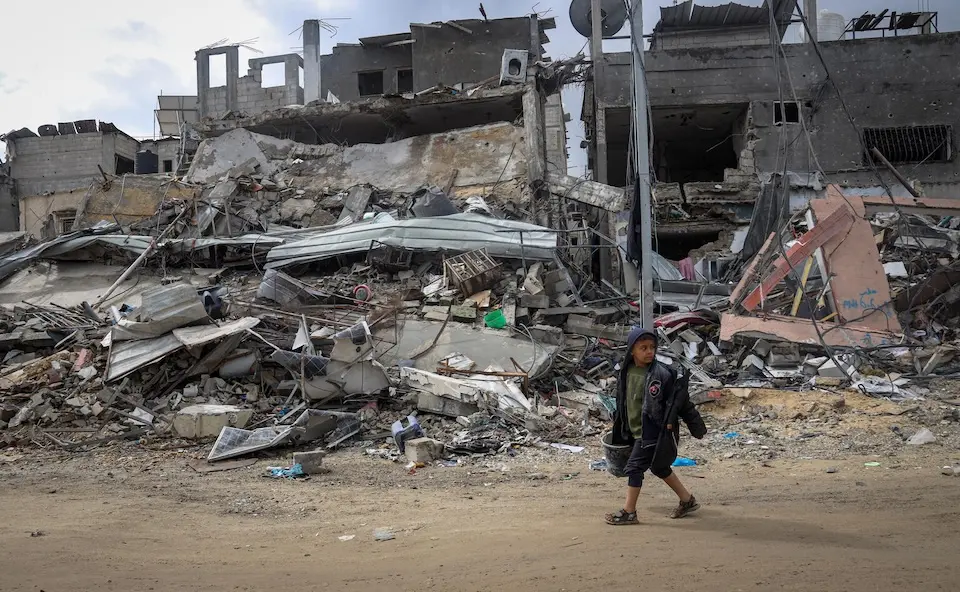
The situation for children in Gaza is dire and getting worse. Since the start of the conflict in October 2023, at least 21,000 children have been killed, over 44,000 wounded and nearly 1 million repeatedly displaced and deprived of their right to basic services.
A ceasefire in early 2025 allowed UNICEF to ramp up the delivery of lifesaving supplies, reaching nearly every part of Gaza, but by March 2025, no food or commercial goods were allowed through in what would become the longest blockade yet.
The October 2025 ceasefire has eased food insecurity somewhat, but conditions remain dire — and children continue to be killed and injured. Safe water, safe shelter and medical supplies remain in short supply. Without these essentials, risks of malnutrition, diseases and other preventable conditions remain high, threatening more preventable child deaths.
UNICEF continues to advocate for the protection of civilians, including children and humanitarian aid workers, and critical infrastructure.
UNICEF fights child malnutrition, shores up health services, delivers vaccines, improves sanitation and more
Throughout the conflict, despite continued air strikes, fuel shortages, communications blocks and attacks on medical and humanitarian personnel and facilities, UNICEF has been working with partners to meet children's urgent needs.
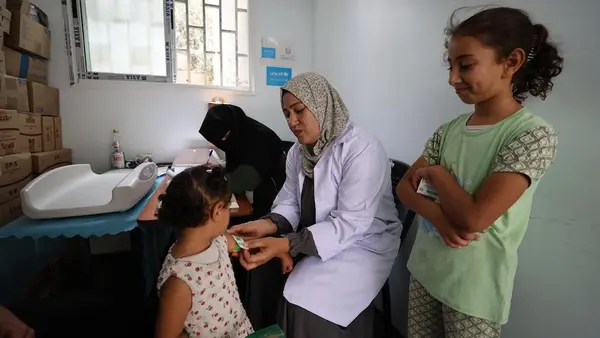
Children's nutrition: UNICEF and partners screen children in Gaza for malnutrition in fixed and mobile sites across the region. The acutely malnourished are treated with therapeutic feeding, while those at risk are provided with supplies to prevent acute malnutrition.
UNICEF is the sole provider of supplies for treating acute malnutrition in Gaza, procuring and distributing these supplies to partners — a role that became even more critical as more and more treatment centers were forced to close due to displacement orders or bombardment.
Children's health: Malnourished children are more vulnerable to disease and infectious diseases are rampant among children in Gaza. UNICEF works with partners to shore up health services including immunization to prevent the spread of disease. UNICEF's mass polio vaccination campaign in February 2025 reached more than 602,000 children under the age of 10 — 102 percent of the target — in just four days.
Water: UNICEF repairs damaged waterworks, including desalination plants and water wells, and continues to press for the delivery of fuel necessary to operate the generators that power water systems and the trucks that deliver safe water. With partners, UNICEF has reached over 1.6 million people, including more than 600,000 children, with safe water through emergency interventions in Gaza.
Sanitation: The massive displacement of people in Gaza has created a waste management crisis. Despite lack of space and very limited building materials, UNICEF provides urgently needed sanitation facilities: 95 percent of all toilets built in southern Gaza since October 2023 were built by UNICEF. More than 699,000 people accessed appropriate sanitation facilities with support from UNICEF in January and February 2025 alone.
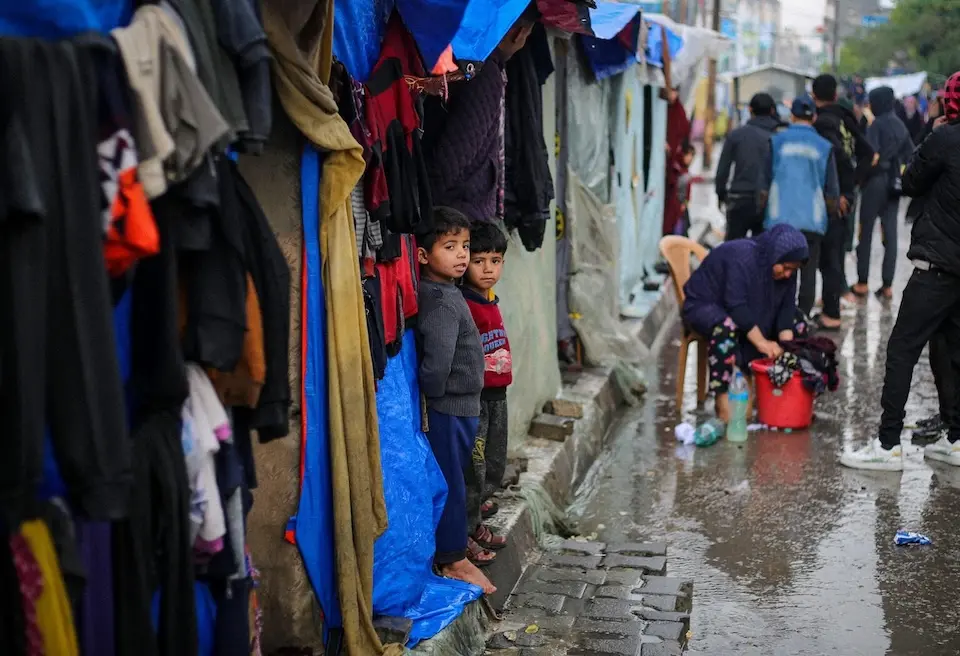
Cash transfers give families purchase power to meet urgent needs; mental health programs help children in Gaza recover from trauma
Humanitarian cash transfers: UNICEF is the largest provider of humanitarian cash payments in the Gaza crisis, reaching 116,000 vulnerable families (640,000 people) in 2025 alone, providing them with flexible funds to use to meet immediate needs, when they can find goods for sale in the marketplace.
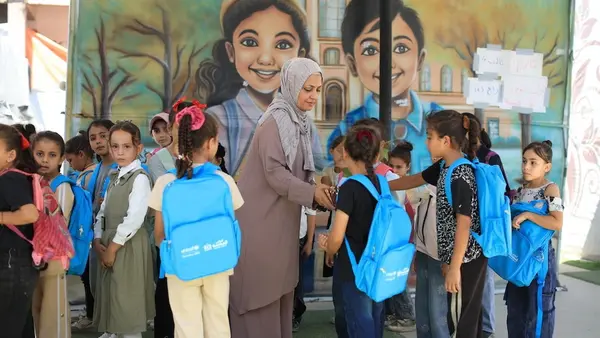
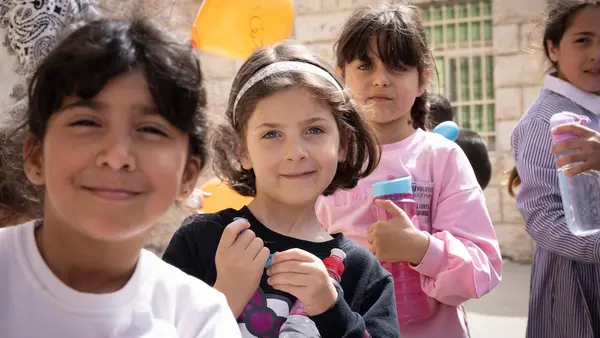
Children's mental health: Every child in Gaza needs mental health support to address the potential longterm effects of cumulative exposure to violence, the deaths of family members and friends, and injuries. UNICEF works with partners to provide mental health and psychosocial support for kids, including hospitalized children recovering from their injuries. Giving children the opportunity to just be children for a while, through programs that center on drawing, games and interactive storytelling, helps them recover from the trauma they have experienced.
Learn more about how conflict affects children, including the long-term impact violence and displacement can have on children’s mental health.
A devastating humanitarian crisis gets worse
As bombardments continued, exhausted and terrified families, already displaced multiple times, were told they must move once again to places without access to the basic infrastructure they need to survive: safe water, proper sanitation and adequate shelter. For the children of Gaza, repeated displacement means the idea of a safe place — a home, a school, a hospital, a shelter — has been shattered again and again.
After a ceasefire was announced on Oct. 10, 2025, bombs slowed but did not stop. "Life in Gaza remains suffocating," UNICEF Spokesperson James Elder said on Jan. 13, 2026. "Survival is still conditional."
On June 19, 2026, UNICEF reported that since the October 2025 ceasefire was announced, 265 Palestinian children had been killed across Gaza.
Children in conflict need urgent help. UNICEF continues to call for children to be protected and for lifesaving aid to safely reach families wherever they are.
FAQs about safety for children in Gaza
How can I donate and help children in Gaza?
Your gift can help children in Gaza access lifesaving support and moments of safety when they need them the most. You can also advocate for children and help kepe attention on children's urgent need for protection.
Donate today to protect children and families in urgent need.
Why are kids in Gaza at such high risk?
Kids in Gaza are at high risk because violence, repeated displacement, damaged infrastructure, unsafe water and limited access to health care have made daily life dangerous. Many children have lost access to the places that should keep them safe, including homes, schools, hospitals and shelters. UNICEF continues to call for all parties to end violence against children and to protect children.
Where can I find the latest UNICEF Gaza updates?
For the latest situation updates, read more about what UNICEF is doing in Gaza.
HOW TO HELP
There are many ways to make a difference
War, famine, poverty, natural disasters — threats to the world's children keep coming. But UNICEF won't stop working to keep children healthy and safe.
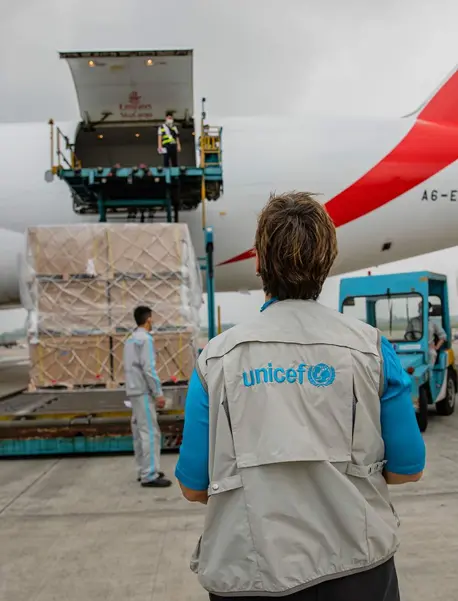
UNICEF works in over 190 countries and territories — more places than any other children's organization. UNICEF has the world's largest humanitarian warehouse and, when disaster strikes, can get supplies almost anywhere within 72 hours. Constantly innovating, always advocating for a better world for children, UNICEF works to ensure that every child can grow up healthy, educated, protected and respected.
Would you like to help give all children the opportunity to reach their full potential? There are many ways to get involved.