UNICEF Provides Critical Support for Children in Gaza
The Gaza ceasefire offers a vital chance for the survival and safety of children under threat for far too long. Even after the ceasefire, the situation for children in Gaza remains critical. UNICEF is mobilizing to save children's lives and futures. More help is urgently needed to meet ongoing humanitarian aid needs in Gaza as deadly threats of starvation, disease and cold affect Palestinian children.
Gaza's children are still being killed and wounded
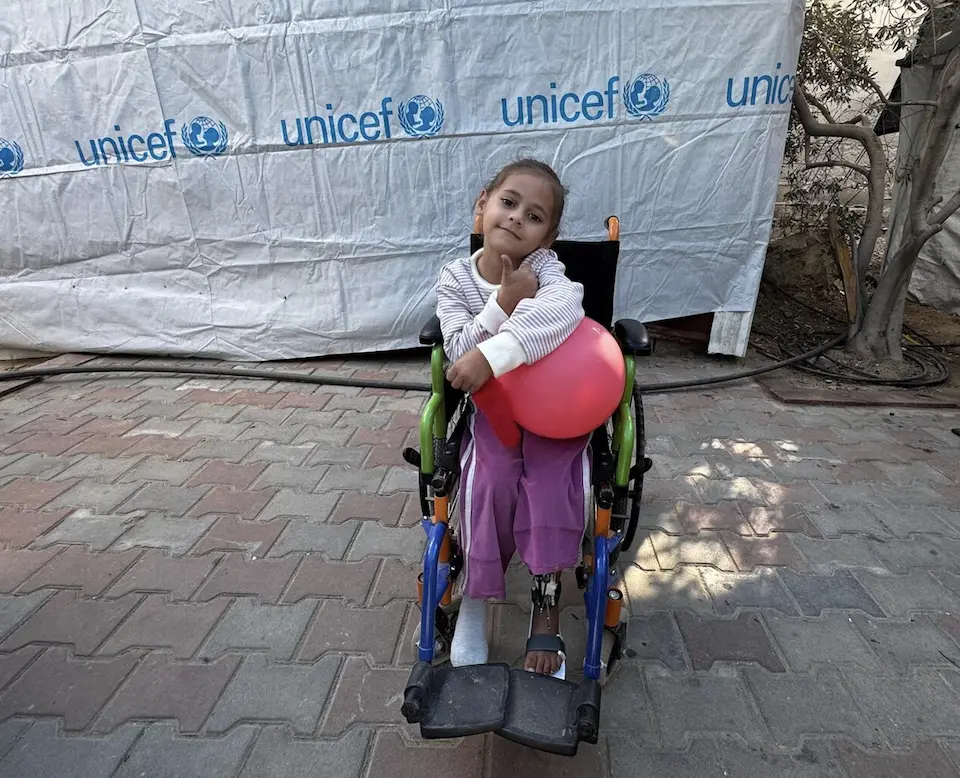
The bombings and shootings have slowed since a fragile ceasefire in the Gaza Strip took effect on Oct. 10, 2025, but they haven't stopped. At least 60 boys and 40 girls have reportedly been killed since the start of the ceasefire. Hundreds more Palestinian children have been wounded.
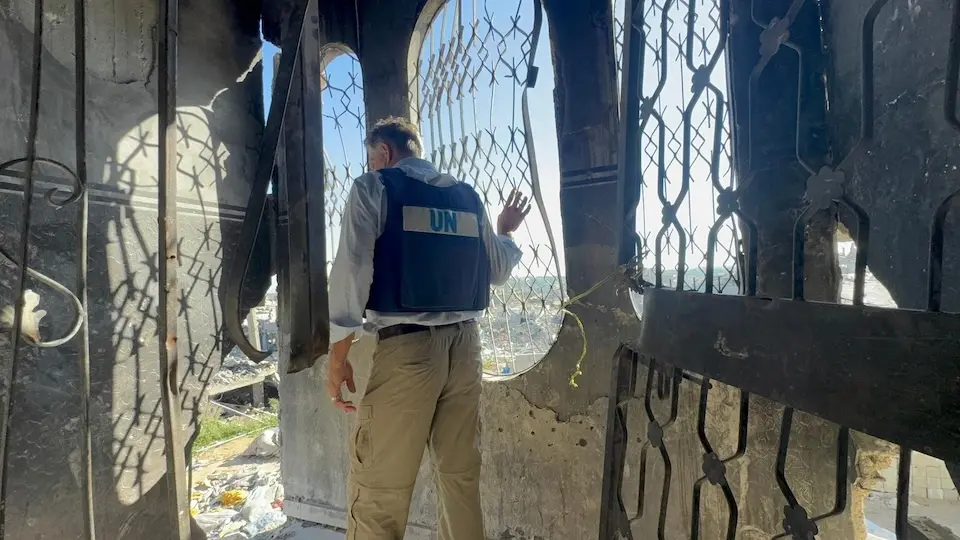
"That is roughly one girl or boy killed every day. During a ceasefire," said UNICEF spokesperson James Elder, on a recent visit to Gaza to see the impacts of UNICEF's ongoing emergency response.
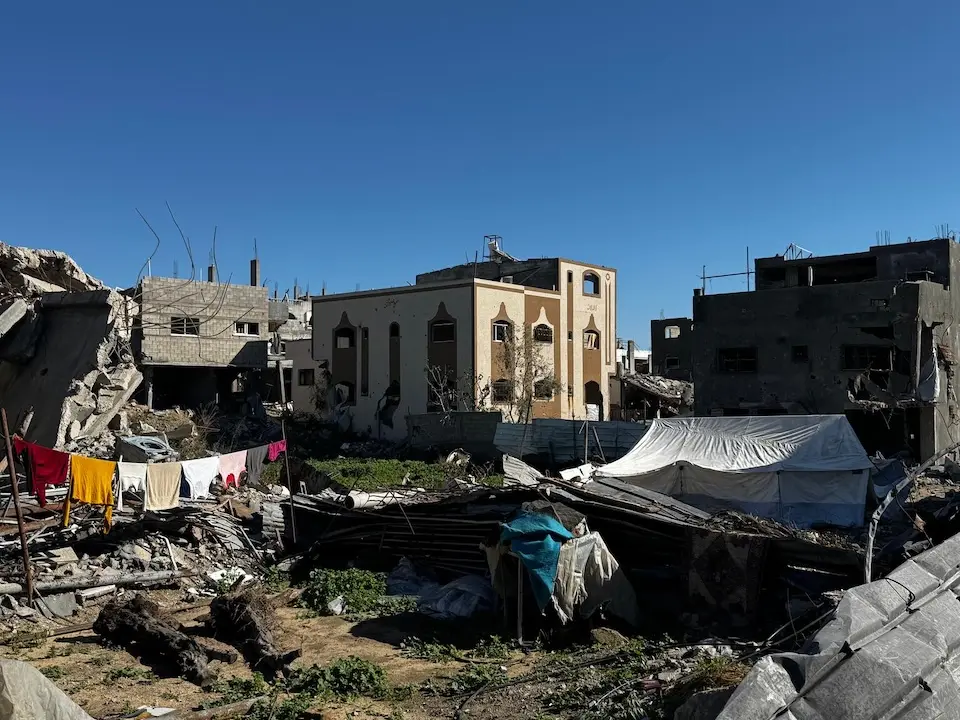
The situation remains precarious: With two-thirds of Gaza's population still living in tents during a particularly brutal winter, humanitarian aid needs are acute. UNICEF is working with partners around the clock to ramp up delivery of essential services for children and support Palestinian families as they begin to rebuild their lives.
Read the latest UNICEF Gaza Strip situation report
UNICEF supports a child- and youth-focused recovery in Gaza
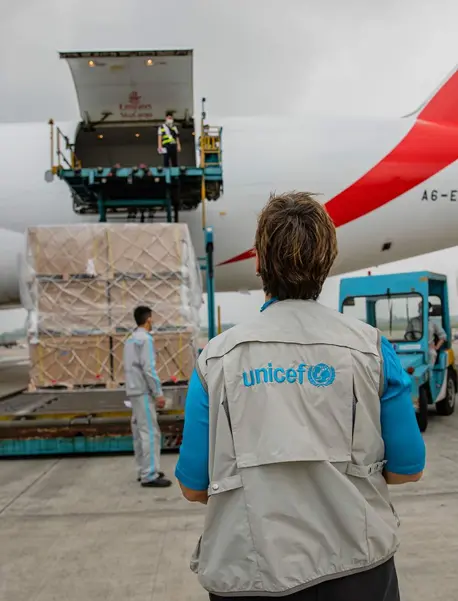
Humanitarian shipments have increased nearly 300 percent since early October, with over 4,500 pallets of Gaza aid delivered weekly. By Dec. 31, 2025, as part of its emergency winter response, UNICEF had successfully delivered almost 1 million thermal blankets and more than 290,000 winter clothing kits, including insulated footwear, to keep children in Gaza warm and safe from heavy rains and bitterly cold temperatures.
UNICEF and partners have expanded primary health care services, including immunization, in particular to completely unserved North Gaza, as people try to move home. In November 2025, the first round of a vaccination catch-up campaign successfully protected over 14,000 children under age 3 against measles, mumps and rubella, diphtheria, tetanus and pertussis, hepatitis B, tuberculosis, polio, rotavirus and pneumonia. The second round is taking place in January. Meanwhile, 70 new nutrition facilities have been added across Gaza. Famine has retreated, but remains a risk for Palestinian children. Starvation is still a harsh reality in Gaza, and nearly every child under 5 faces severe malnutrition.
Video: Dignity, safety and health for Palestinian children
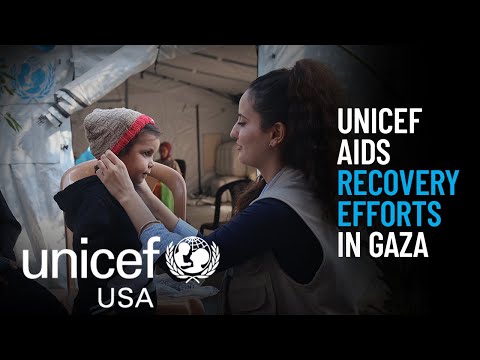
UNICEF is improving hygiene and sanitation in Gaza, using everything from donkeys to bulldozers
As the war in Gaza continues to impact daily life, sever restrictions remain on essential supplies — including medical supplies, cooking gas, fuel and parts needed to repair and rebuild lifesaving water and sanitation systems destroyed throughout the conflict.
“Remarkably, we have made urgent and lifesaving repairs to water pipelines, pumping stations and sewerage networks, all on the back of Palestinian ingenuity more than spare parts being allowed in," said Elder.
UNICEF is using everything from donkeys to bulldozers to improve hygiene and sanitation, and removing 1,000 tons of solid waste every month. More than 1.2 million people have received sanitation and hygiene support.
Emergency water supply is being sustained through 56 water trucks and 14 relocated desalination plants, producing a combined 83 million liters of safe water daily, reaching cumulatively 1.6 million people, including 600,000 children.
UNICEF's humanitarian cash transfer program helps families meet urgent needs
For the third year in a row, UNICEF has run the largest digital humanitarian cash transfer program in Gaza, reaching 640,000 people (116,000 families) in 2025 and 1,364,000 (232,500 families) since the start of the escalation in October 2023. Cash transfers have enabled families, especially those with malnourished children and disabilities, to access essential goods such as food, hygiene items, medicine and transportation.
UNICEF is also operating more than 100 temporary learning centers across Gaza, reaching 125,000 Palestinian children with basic learning: reading, writing, math and science. More than 90 percent of Gaza's school buildings have been damaged or destroyed during the war; children are eager to get back to learning and experience a much-needed sense of normalcy.
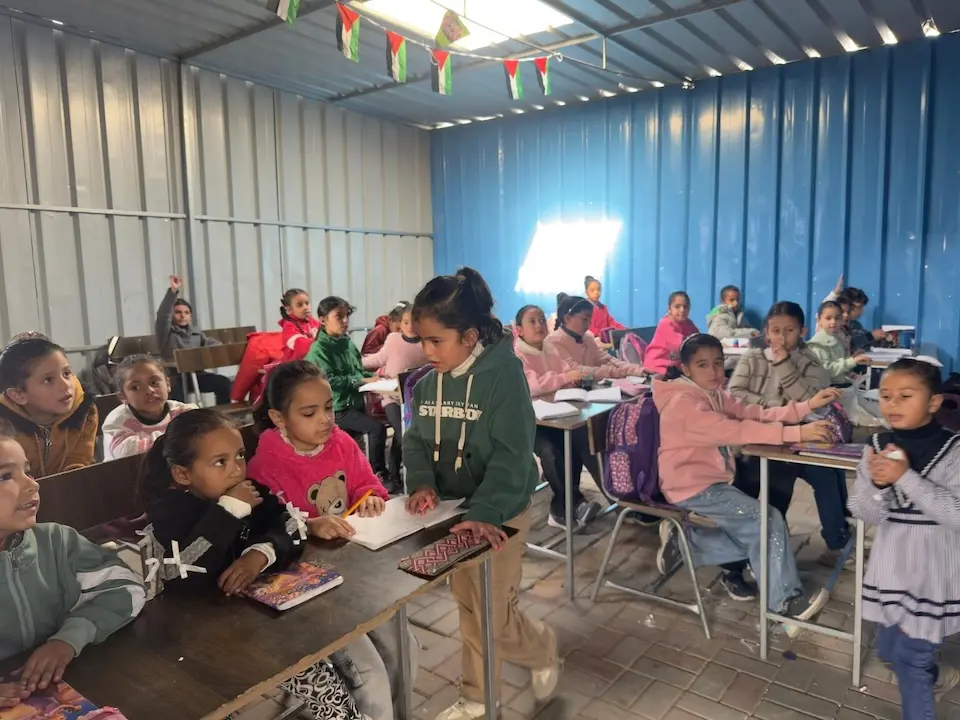
UNICEF is staying to deliver support for children in Gaza
But the path to recovery has just begun. “Even with modest gains, two years of war have left life for Gaza’s children unimaginably hard," Elder said. Children still live in fear, and their psychological damage remains untreated — becoming deeper and harder to heal the longer the terror and hardships continue.
“A ceasefire that slows the bombs is progress — but one that still buries children is not enough. It is a warning, and it demands enforcement, humanitarian access and accountability," Elder continued.
“This is the time to turn reduced violence into real safety: open access for aid, massively increase medical evacuation, and make this the moment when the killing of children in Gaza truly ends.”
Right now, the lives of the most vulnerable children hang in the balance as conflicts and crises jeopardize the care and protection that they deserve. Dependable, uninterrupted and effective foreign aid is critical to the well-being of millions of children. Please contact your members of Congress and urge them to support ongoing U.S. investments in foreign assistance.
HOW TO HELP
There are many ways to make a difference
War, famine, poverty, natural disasters — threats to the world's children keep coming. But UNICEF won't stop working to keep children healthy and safe.
UNICEF works in over 190 countries and territories — more places than any other children's organization. UNICEF has the world's largest humanitarian warehouse and, when disaster strikes, can get supplies almost anywhere within 72 hours. Constantly innovating, always advocating for a better world for children, UNICEF works to ensure that every child can grow up healthy, educated, protected and respected.
Would you like to help give all children the opportunity to reach their full potential? There are many ways to get involved.