World Tuberculosis Day: Protecting Children From a Deadly Disease
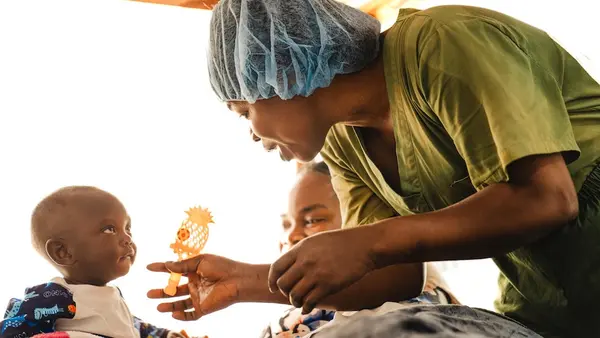
Observed each year on March 24, World Tuberculosis Day raises awareness of tuberculosis (TB) — still one of the world’s deadliest infectious diseases — and its effects on children. UNICEF works to protect children globally through prevention — including vaccination — and health system strengthening.
What is World Tuberculosis Day?
Commonly called World TB Day, World Tuberculosis Day was first sponsored by the World Health Organization in 1982. Focused on education, advocacy and action, the aim is to raise public awareness of the nature of this preventable and treatable yet often deadly infectious disease and the importance of boosting efforts to eliminate it.
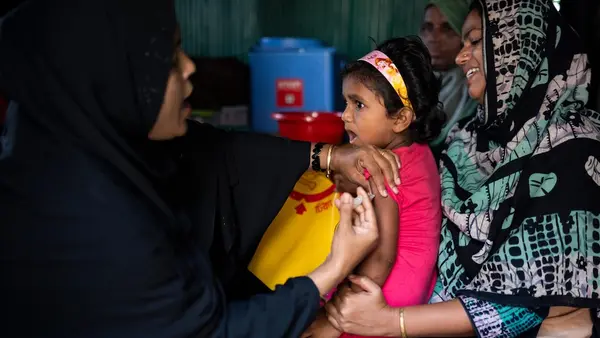
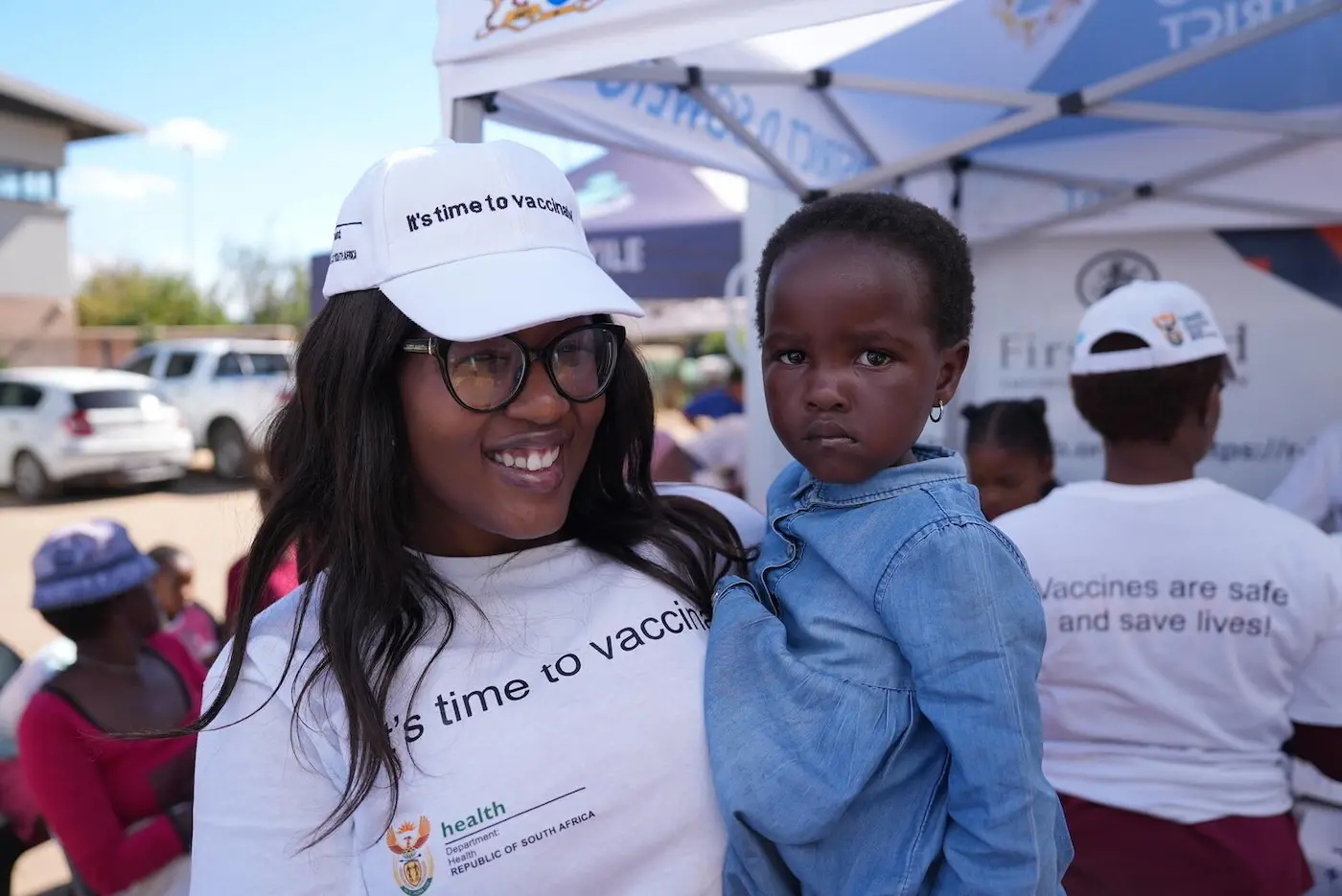
Ensuring a TB-free future for every child is part of UNICEF's mission in children's health. UNICEF works with partners to strengthen local health systems to improve prevention and treatment, while advocating for accelerated action toward ending the disease through increased investment and accountability. UNICEF also supports routine vaccinations to protect children from TB.
Learn more about UNICEF's immunization programs
Why is World Tuberculosis Day important for children?
Tuberculosis remains a leading infectious killer of children, with thousands of deaths each year.
Children under age 5 are particularly at risk of severe, rapidly-progressing forms of TB due to their developing immune systems.
Symptoms can be inconsistent and easy to miss; they can include a persistent cough, malnutrition or failure to grow. Roughly half of children who contract tuberculosis go undiagnosed.
In a 2025 global report, the World Health Organization warned that funding challenges threatened to reverse hard-won gains in the fight against TB, increasing the number of cases and deaths in coming years.
The significance of observing World Tuberculosis Day on March 24
Designating March 24 as World TB Day commemorates the date of discovery of the germ that causes TB. On March 24, 1882, Dr. Robert Koch introduced Mycobacterium tuberculosis, a species of pathogenic bacteria, to the world.
World TB Day 2026 continues the theme of “Yes! We can end TB!” — both call to action and a message of hope, affirming that progress is possible and the ultimate goal attainable.
The UN Sustainable Development Goals for global health include a 90 percent reduction in the number of TB deaths and an 80 percent reduction in TB incidence rates by 2030 — effectively ending the global epidemic.
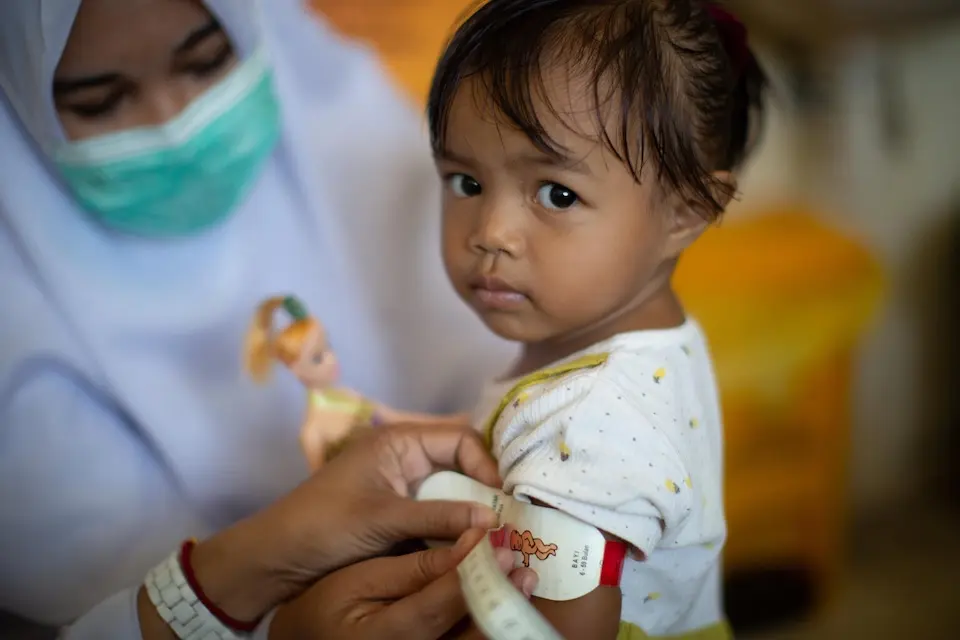
Signs and symptoms of tuberculosis
In younger children, tuberculosis often causes non-specific symptoms like unexplained fever, failure to grow or gain weight and lethargy. For older children, symptoms are more similar to adults, including a persistent cough, chest pain, night sweats, fatigue and coughing up blood.
Children who survive TB often experience reduced long-term lung function, chronic respiratory issues and stunted growth.
Why children are especially vulnerable
For young children with immune systems that aren’t fully developed, tuberculosis can quickly turn severe, affecting the brain, bones or lymph nodes. Children in crisis settings are even more at risk, as crowded, unsanitary and unstable conditions can accelerate transmission.
Pediatric tuberculosis is also challenging to diagnose because children often have lower bacterial numbers and can’t always easily produce the samples required for diagnosis.
How World TB Day supports prevention and awareness
World Tuberculosis Day supports prevention and awareness by educating the public and mobilizing political and financial commitments to invest in prevention measures. The day is also an occasion for sharing new diagnostic tools and promoting testing for TB.
The "Think. Test. Treat TB" initiative is the U.S. Centers for Disease Control and Prevention's national multilingual communications campaign to increase awareness of TB and encourage testing and treatment for inactive TB.
Scientific symposia and media workshops are often held on World TB Day. Sometimes new data is released to show advancements in treatment and diagnosis.
How vaccinations, strong health systems help
Tuberculosis is preventable and treatable thanks to vaccines and other advances in medicine. The current vaccine for tuberculosis primarily protects against severe pediatric TB, preventing death in the youngest and most vulnerable children.
Identifying infections and providing treatment is crucial, particularly for latent TB in high-risk populations.
Patients with latent TB have no symptoms and can’t spread the disease to others; but the infection can become active later, so it’s important to catch these cases through proper screening and diagnosis.
Strengthening health systems is crucial to ensure prevention and treatment are possible and accessible to all.
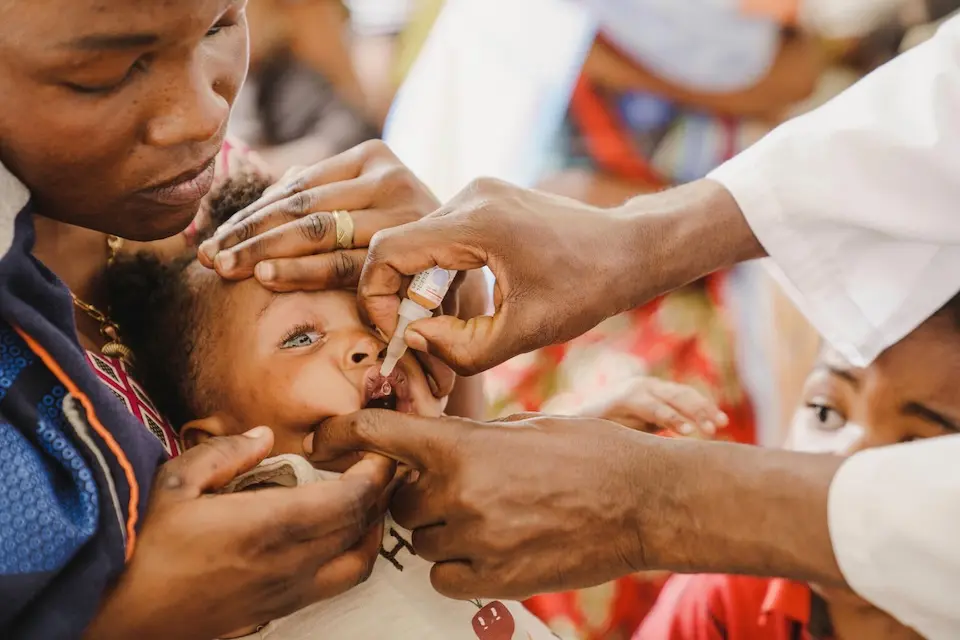
How UNICEF supports children on World Tuberculosis Day and beyond
UNICEF works with partners around the world to address childhood TB, focusing on prevention, detection, treatment and research. Year-round, UNICEF advocates for better primary care services to reach even the most vulnerable and isolated children.
One way UNICEF works to combat tuberculosis is through vaccination campaigns, including in emergency contexts. In the Gaza Strip, UNICEF and partners implemented a catch-up immunization campaign designed to fill the gap for children who missed vaccinations due to conflict in the area, including the vaccine for TB.
In Ghana, with UNICEF support, TB diagnosis has become a bit easier for babies and children, thanks to a new machine that tests with stool samples.
How families and communities can recognize World Tuberculosis Day
Here are some ideas for how to recognize World Tuberculosis Day and support the cause of global elimination:
- seek out and share accurate information about tuberculosis with friends and family on social media
- find child health and immunization programs to support, financially or by sharing their messages
- participate in TB awareness activities held on or around World TB Day
- advocate for sustained political commitment and increased investment in the global fight against TB
Frequently asked questions about World Tuberculosis Day
How does World Tuberculosis Day support global awareness for children?
World Tuberculosis Day encourages governments and organizations to prioritize child health needs. It helps share accurate information about TB in ways families can easily understand and act on. Global observance helps sustain attention on children who are most at risk of contracting TB.
How does UNICEF approach tuberculosis differently for children?
UNICEF focuses on prevention, early care and child-specific needs around tuberculosis. Programs are designed for children living in fragile and low-resource settings to ensure all children are seen and supported. Access to quality health care is vital for long-term health for all children.
How can people support children on World Tuberculosis Day?
Stand in solidarity with children around the world by learning and sharing reliable information about tuberculosis and other preventable diseases. Support organizations like UNICEF that work to protect children worldwide with a tax-deductible donation. Shop at UNICEF Market, where you can purchase 200 doses of the tuberculosis vaccine as a way to help support the most vulnerable.
HOW TO HELP
There are many ways to make a difference
War, famine, poverty, natural disasters — threats to the world's children keep coming. But UNICEF won't stop working to keep children healthy and safe.
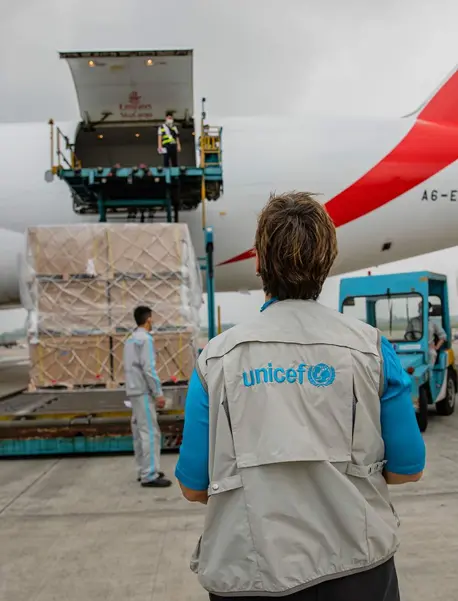
UNICEF works in over 190 countries and territories — more places than any other children's organization. UNICEF has the world's largest humanitarian warehouse and, when disaster strikes, can get supplies almost anywhere within 72 hours. Constantly innovating, always advocating for a better world for children, UNICEF works to ensure that every child can grow up healthy, educated, protected and respected.
Would you like to help give all children the opportunity to reach their full potential? There are many ways to get involved.