Why Non-Communicable Diseases in Children Are a Rising Crisis
Non-communicable diseases (NCDs) are the leading cause of death globally and increasingly affect children and adolescents. UNICEF tackles this through a multisectoral approach that reduces exposure to risks, promotes prevention, enables early detection and improves access to quality care. On Sept. 25, 2025, the fourth UN High-Level Meeting on the prevention and control of NCDs and the promotion of mental health and well-being will address ways to accelerate efforts in this urgent public health crisis. Below is an overview of the childhood NCD landscape and UNICEF and partners’ progress.
Dr. Fouzia Shafique, UNICEF Associate Director for Health, focuses on maternal, newborn, child and adolescent health, primary health care/health system strengthening, and digital health and information systems. She is also the global lead for UNICEF’s work on community health and generously contributed her insights to this article.
What are non-communicable diseases (NCDs)?
Non-communicable diseases are non-transmissible diseases that fall into seven categories: cardiovascular disease, cancer, chronic respiratory disease, diabetes, genetic/hematologic conditions, neurodevelopmental disorders and mental health conditions.
Unlike infectious diseases, NCDs are not transmitted from person to person, but arise from behavioral, environmental, genetic and physiological factors. NCDs can affect people at any age, may be chronic or acute and often require lifelong care.
Why is this a critical moment for addressing NCDs in children?
Over 2.1 billion children and adolescents under 20 are affected by NCDs globally. Some, like sickle cell disease or type 1 diabetes, appear early in life, while others stem from harmful behaviors adopted in youth, like smoking, alcohol use or inactivity. Though often preventable or treatable, NCDs cause about 1 million deaths annually — 16 percent of all deaths in this age group.
“We urge all sectors to place children and adolescents at the center of NCD and mental health commitments. If we had that understanding and recognition, we would be miles ahead of where we are now," says Dr. Shafique. “Services to care for children at risk of NCDs and those living with them must be integrated into maternal, child and adolescent health — not just adult care — with monitoring from early childhood onward.”
How do we manage NCDs that cannot be prevented?
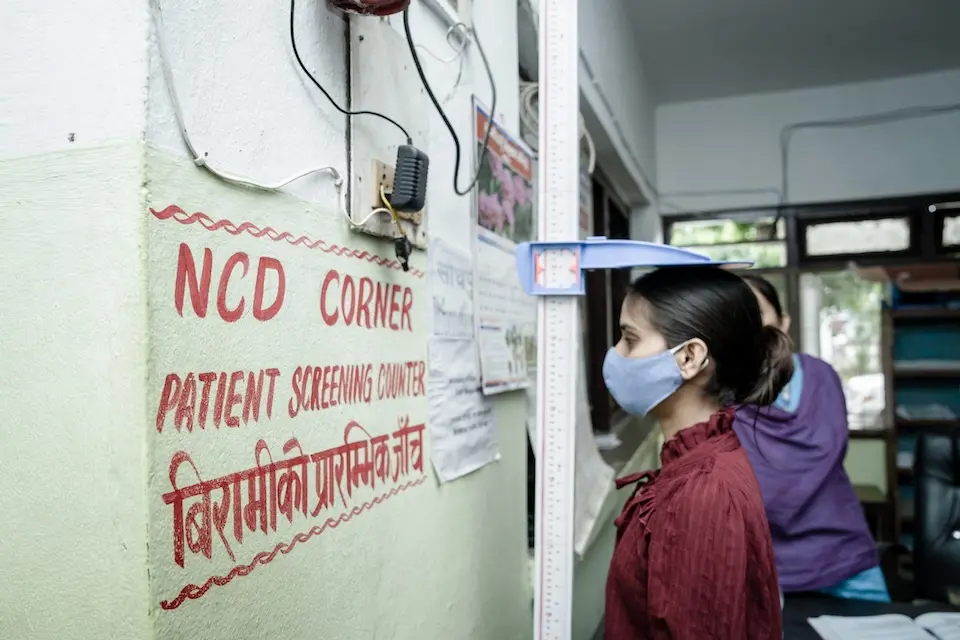
Not all NCDs can be prevented, and hence early screening is crucial. "Millions of children live with and suffer from undiagnosed chronic conditions like diabetes or asthma,” says Dr. Shafique. Early detection improves outcomes, while delays can lead to lasting, sometimes irreversible harm.
Dr. Shafique elaborates on the high stakes of timely intervention. “In rural settings and remote areas of South Asia, West Africa and East Asia, I’ve met many families who must travel long distances to somewhere central — a provincial capital, a state capital — for diagnoses. The expenses such as those for transportation are heavy for these families. Tragically, many cannot then afford to even begin let alone continue ongoing treatment.”
The cost of missed diagnosis and care is high. “For example, early detection of sickle cell disease is vital," Dr. Shafique says. "Each year, over half a million children, mostly in low- and middle-income settings, are born with it, and half will not live to see their fifth birthday. Sadly, most of these deaths can be prevented.”
How do families address the many barriers to NCD care in the low- and middle-income countries where UNICEF has focused this work?
For many families, especially in remote areas, long-term NCD treatment is costly and burdensome. Ongoing care requires frequent travel, leading to lost income, transport expenses, and time away from school and work. Parents often face the painful choice between accessing care and managing daily needs. Stigma also isolates children and families, limiting community support and opportunities for the children.
“A colleague of mine says, ‘It isn’t the lack of love or determination on behalf of parents. It’s the systemic barriers of poverty, distance and fragile health systems,’” remarks Dr. Shafique.
The direct costs of lifelong care for someone with an NCD, combined with the indirect loss of income, can trap individuals and families into generational poverty. Globally, NCDs are projected to cause cumulative economic losses of $47 trillion by 2030, according to the NCD Alliance, a network of 2,000 associations, civil society organizations, scientific and professional associations, academic and research institutions committed to improving NCD prevention and control worldwide.
What are UNICEF and partners doing to help children access the NCD care they need?
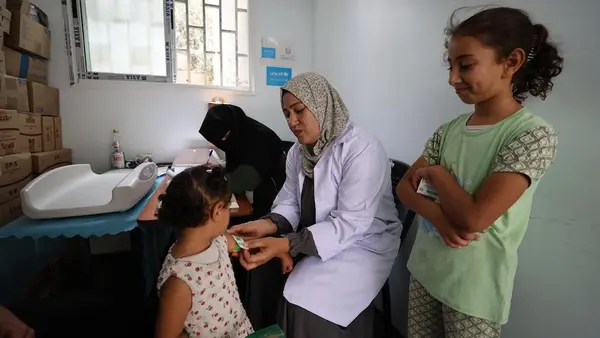
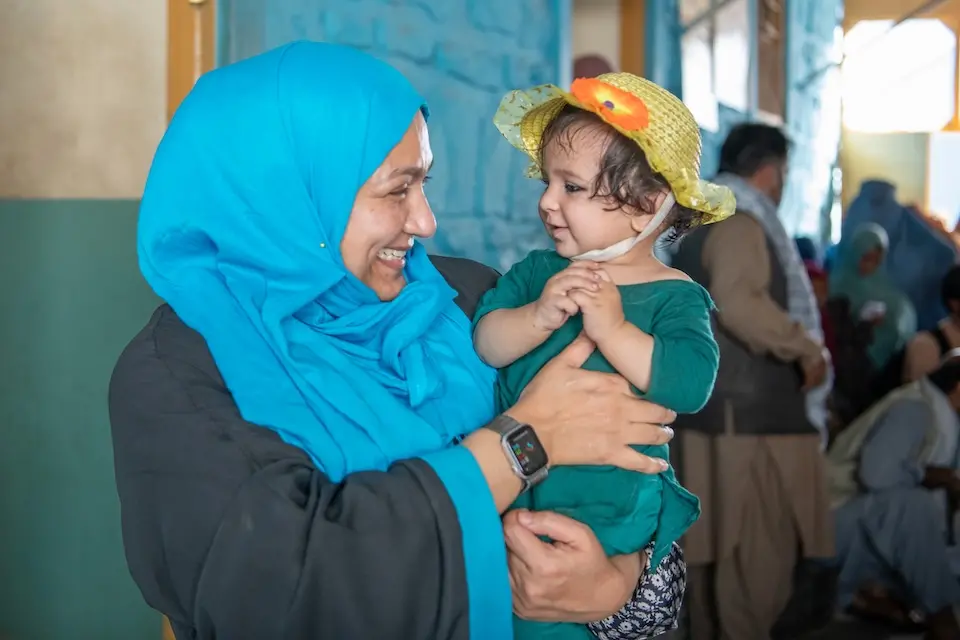
UNICEF partners with governments in more than 25 countries to bring NCD care closer to children. The goal, Dr. Shafique explains, is to integrate NCDs into existing services. In Malawi, Zimbabwe, Nepal, Bangladesh and India, community health workers, nurses, midwives and providers are being trained to support not only prevention but also early diagnosis and referral for those diagnosed with NCD regular care and follow-up.
A game changer is UNICEF’s support for peer groups for children with NCDs to share support and guidance. A pilot program in Zimbabwe showed promise and is expanding to other countries.
“The aim is to link health, education and social protection systems to support the child in an integrated manner as one entity, not just as a patient or a student or recipient of social protection services,” says Dr. Shafique.
UNICEF aims to support every child in growing up healthy, supported and prepared for adulthood.” — Dr. Fouzia Sharique, UNICEF Associate Director for Health
A key component of integrated care is making sure that national health insurance covers care and medicines for NCDs. This is especially important for children who need long-term treatment. UNICEF is working to advance this issue in Nepal and the Philippines, according to Dr. Shafique.
Public-private partnerships are also driving change by bringing services closer to home, improving access to diagnostics and medicines and promoting healthy behaviors in schools and communities.
Why should there be greater public awareness of NCDs in childhood and adolescence?
NCDs can appear at any age, and no one can predict who will develop one.
“UNICEF promotes a continuum of care approach — supporting health at every life stage, from preconception to old age — because a child’s health is deeply connected to that of their mother, family and community,” explains Dr. Shafique.
Prevention starts with maternal nutrition and safe pregnancy, followed by vaccinations and early screening. Adolescents face new challenges like mental health issues, increased likelihood of harmful behaviors and substance abuse that need supportive environments and care.
How are digital health solutions and other innovations having an impact on NCD prevention, detection and care?
One major innovation in digital care is longitudinal data systems, which track children’s health over time and support providers, yet their potential is often overlooked.
Dr. Shafique notes these systems empower young people and providers with access to information, treatment plans and peer support.
Finally, UNICEF USA asked Dr. Shafique what makes her especially hopeful about future outcomes for childhood NCDs.
“What gives me hope is the resilience of families and young people," Dr Shafique says. "The Kigali Youth Declaration, led by youth in the global NCD community, united thousands demanding access to information about their health and environment, meaningful involvement in decision-making and accountability from governments and health systems. Seeing teens actively seek knowledge and a voice in their care is truly inspiring.”
UNICEF receives support for NCD programming by donations from the public and private sector. With a donation from Eli Lilly and Company to UNICEF USA, UNICEF is strengthening health systems and preventing, detecting and treating non-communicable diseases for children and adolescents in Bangladesh, India, Malawi, Nepal, the Philippines and Zimbabwe. The Helmsley Charitable Trust has supported UNICEF in introducing and scaling NCD treatment and care in Malawi and Mozambique, while also elevating the visibility and prioritization of NCDs globally.
UNICEF does not endorse any company, brand, product or service.
HOW TO HELP
There are many ways to make a difference
War, famine, poverty, natural disasters — threats to the world's children keep coming. But UNICEF won't stop working to keep children healthy and safe.
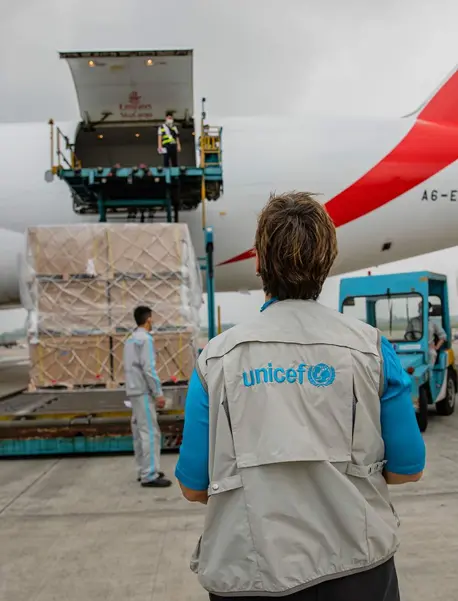
UNICEF works in over 190 countries and territories — more places than any other children's organization. UNICEF has the world's largest humanitarian warehouse and, when disaster strikes, can get supplies almost anywhere within 72 hours. Constantly innovating, always advocating for a better world for children, UNICEF works to ensure that every child can grow up healthy, educated, protected and respected.
Would you like to help give all children the opportunity to reach their full potential? There are many ways to get involved.