How UNICEF Support for Safer Childbirth Is Saving Lives in Somalia
In Somalia — a country facing multiple humanitarian crises including looming famine — a displaced mother finds hope and safe care as she welcomes her newborn son. "This time, I am going home with my baby."
For women in Somalia, pregnancy brings fear
For Kiin Awale, welcoming her newborn son into the world was more than a joyful moment. It was a moment of relief.
The 28-year-old mother knows how fragile life can be. Displaced from Mogadishu and now living with her family in Galkayo, in Somalia's north-central Mudug region, Kiin has faced years of uncertainty.
She has lost two children. Today, she is raising five children, all in good health, but the memories of those losses have stayed with her. So when she became pregnant again, fear was never far away.
“After what I had been through, I worried throughout the pregnancy,” she says. “You keep hoping everything will be okay, but you are never fully at peace.”
Crisis in Somalia: looming famine
Somalia is facing its worst famine threat since 2022, driven by multiple shocks, including severe drought, insecurity, extremely limited humanitarian assistance and the ripple effects of conflict in the Middle East. Food prices — linked to fuel price increases and maritime supply chain disruptions — have risen by up to 20 percent, weakening household purchasing power and pushing families closer to the brink.
For families uprooted by drought, conflict and hardship, pregnancy can come with added risks. Limited income, unstable living conditions and limited access to health care often leave mothers vulnerable.

Kiin and her husband currently do not have formal employment. Like many displaced families, they focus each day on meeting their children’s basic needs.
But when labor began, Kiin did not have to make an impossible choice between staying home or searching for help. At Galkayo Health Center, skilled care was available.
Improving health outcomes with round-the-clock maternal, newborn and child health care services
With support through the Joint Resilience Program, a multi-partner initiative led by UNICEF and the World Food Program with funding from the German government, Galkayo Health Center provides round-the-clock maternal, newborn and child health care to communities in Galmudug, including displaced families who often have limited access to essential services.

For nurse Siraad Mohamud, supporting mothers like Kiin is deeply personal.
“Some women arrive carrying more than labor pain,” Siraad says. “They carry fear, trauma and memories of difficult pregnancies or children they have lost. Part of our work is helping them feel safe again.”
That reassurance matters. The health center serves more than 35,000 households, offering safe deliveries, antenatal care, child health consultations, immunization, nutrition support and emergency referrals.
For many mothers, that access changes everything.
“Before, some women delayed seeking care because they had no transport, no money or nowhere to go,” Siraad says. “Now, more mothers are coming earlier, and that gives us the chance to prevent complications.”
“Before, some women delayed seeking care because they had no transport, no money, or nowhere to go. Now, more mothers are coming earlier, and that gives us the chance to prevent complications.” — Nurse Siraad Mohamud, Galkayo Health Center, Somalia
When Kiin arrived in labor, health workers acted quickly. She safely delivered a healthy baby boy.
“The staff treated me well from the moment I arrived,” Kiin says. “They helped me feel calm.” As she cradles her son, the exhaustion in her face gives way to a quiet smile.
For her, this birth represents something deeper than a new addition to the family. It represents hope after grief.

Building resilience in Somalia's health system
Across Somalia, resilient health systems remain essential for families facing repeated shocks from displacement and conflict. Through support from partners, facilities like Galkayo Health Center are helping ensure that mothers and children can access quality care close to home.
For Kiin, that support made all the difference. “After losing children, you carry that pain with you,” she says softly. “This time, I am going home with my baby.”
Learn more about how UNICEF supports children in Somalia
A version of this story was originally published by unicef.org
HOW TO HELP
There are many ways to make a difference
War, famine, poverty, natural disasters — threats to the world's children keep coming. But UNICEF won't stop working to keep children healthy and safe.
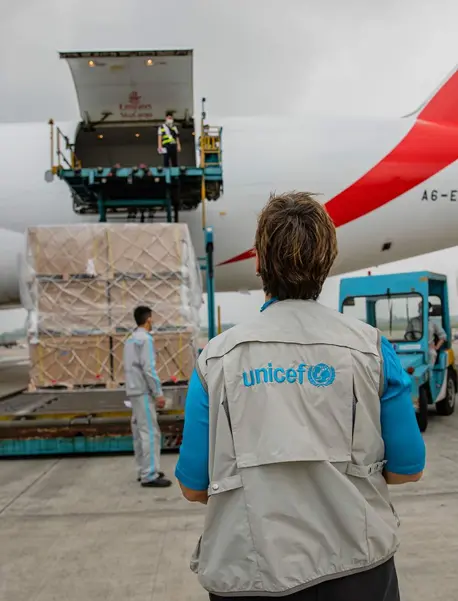
UNICEF works in over 190 countries and territories — more places than any other children's organization. UNICEF has the world's largest humanitarian warehouse and, when disaster strikes, can get supplies almost anywhere within 72 hours. Constantly innovating, always advocating for a better world for children, UNICEF works to ensure that every child can grow up healthy, educated, protected and respected.
Would you like to help give all children the opportunity to reach their full potential? There are many ways to get involved.