Crisis on Top of Crisis: Haiti After Hurricane Melissa
How UNICEF helped Haiti prepare for the storm, bringing aid to vulnerable children and families, and the need to step up support to assist with recovery, build resilience and strengthen services as the country remains mired in a polycrisis.
On Oct. 29, 2025, Hurricane Melissa dealt a terrible blow to Petit-Goâve, a coastal town in Haiti's Ouest department a few dozen miles southwest of Port-au-Prince.
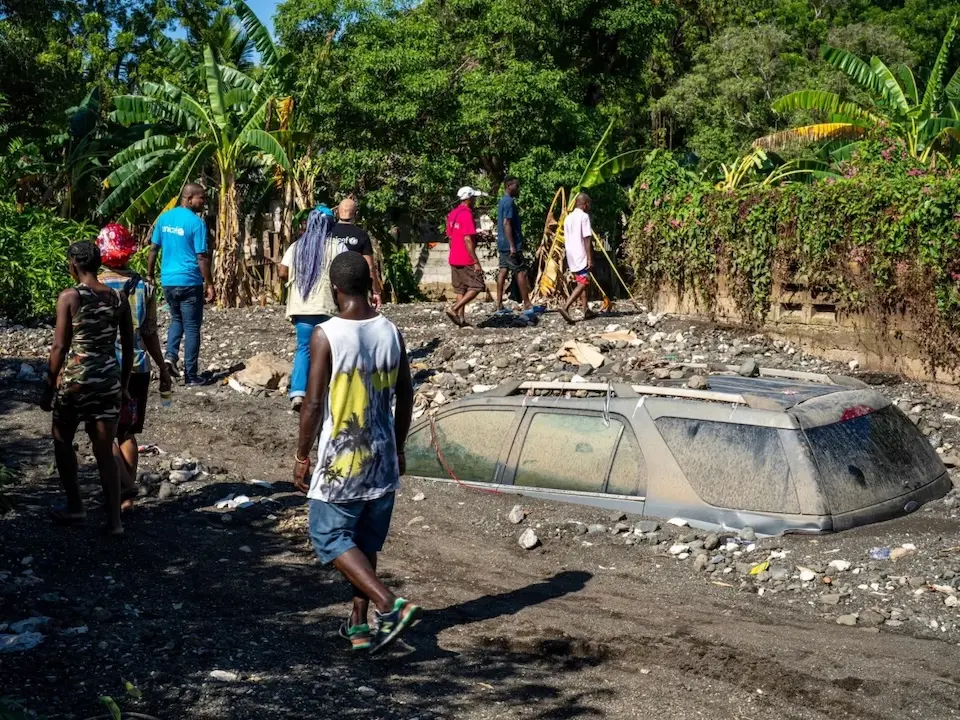
In the days following the storm, one of the Atlantic's strongest in recorded history, the town's landscape was desolate, the silence broken only by the sound of footsteps in mud and the splashing of puddles. The smell of wet soil mingled with that of debris.
Streets once bustling with life were blanketed with silt and rubble, homes and cars buried beneath. Waterlogged schoolbooks, soaked uniforms, children’s toys and battered cookware were scattered everywhere.
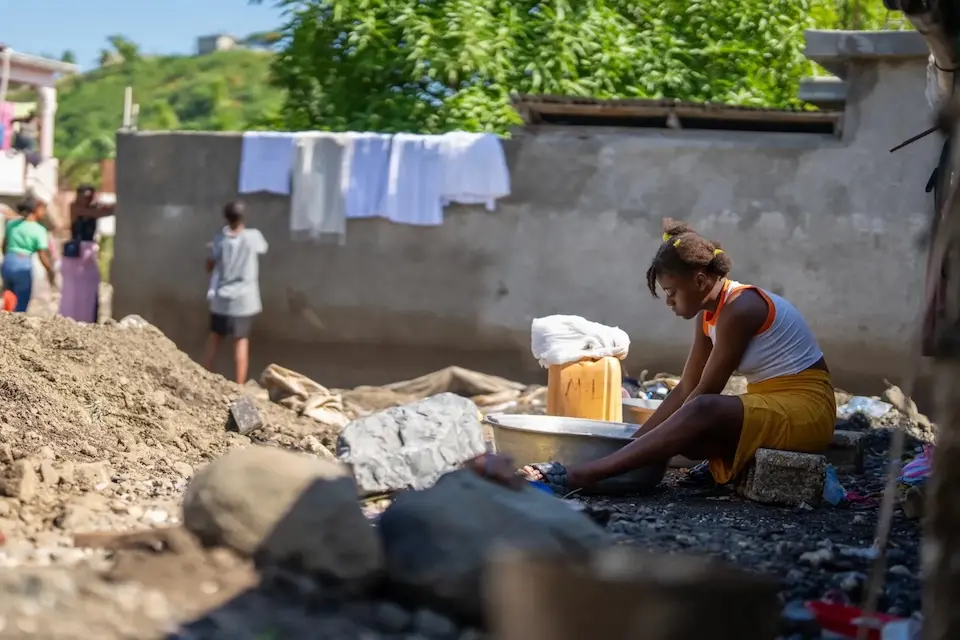
Other parts of Haiti's southern regions were also hard hit — communities already weakened by previous disasters in the South, Nippes, Grand’Anse and South-East departments.
In Petit-Goâve, the La Digue River flooded, destroying homes and bridges, killing 43 people including several children, leaving dozens missing and forcing families to take cover in makeshift shelters.
“The water rose at one in the morning, when everyone was asleep," recalled Viguens, 35, of Petit-Goâve. "We didn’t have time to save anything. I lost my father, my brother and three of my nieces. I survived by escaping through a window. I feel guilty for still being here.”
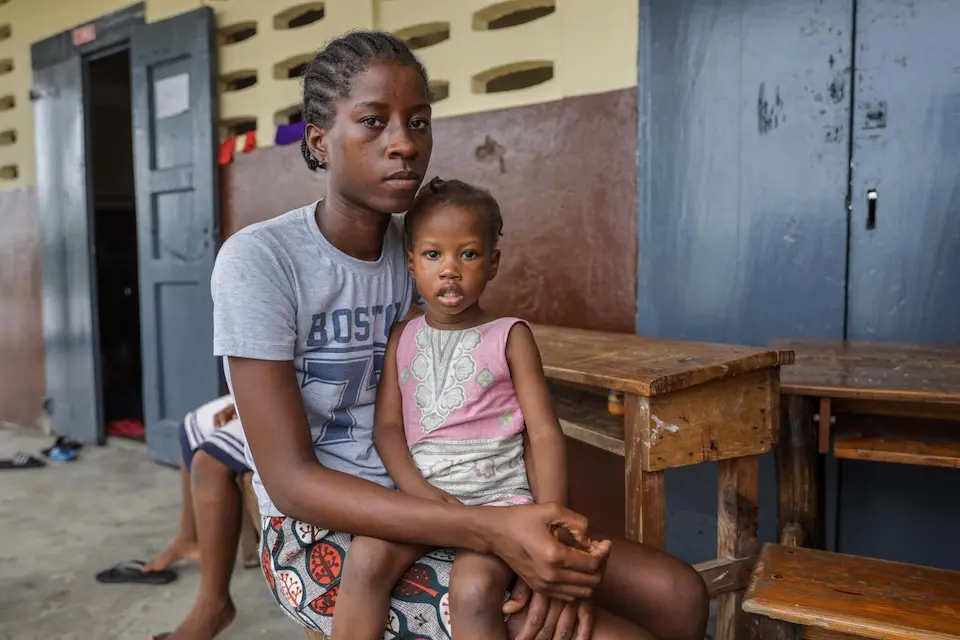
Hurricane Melissa has deepened an already extremely fragile situation in Haiti, where millions of children have long lived in fear, displacement and deprivation. “The burden on Haiti’s children keeps growing heavier," said Geeta Narayan, UNICEF Representative in Haiti.
While assisting in the island nation’s recovery from the hurricane, UNICEF is also focused on helping communities build resilience to future shocks — all while continuing to address other chronic needs.
"As families try to rebuild their lives, we must act urgently and in solidarity to provide them with protection, comfort and access to essential services," Narayan said. "UNICEF will remain on the ground, alongside the people of Haiti, to help children overcome this ordeal and find the strength to move forward.”
Related: Reaching Children With the Greatest Needs — Wherever They Are
Preparing for Hurricane Melissa: Preventive action to limit the damage
UNICEF was well-positioned to take action ahead of Hurricane Melissa, having maintained a steady presence in Haiti, working with local partners to provide humanitarian assistance to children and families in need since 1983.
As the storm approached, UNICEF supported emergency preparedness measures, reducing risks for vulnerable children and families.
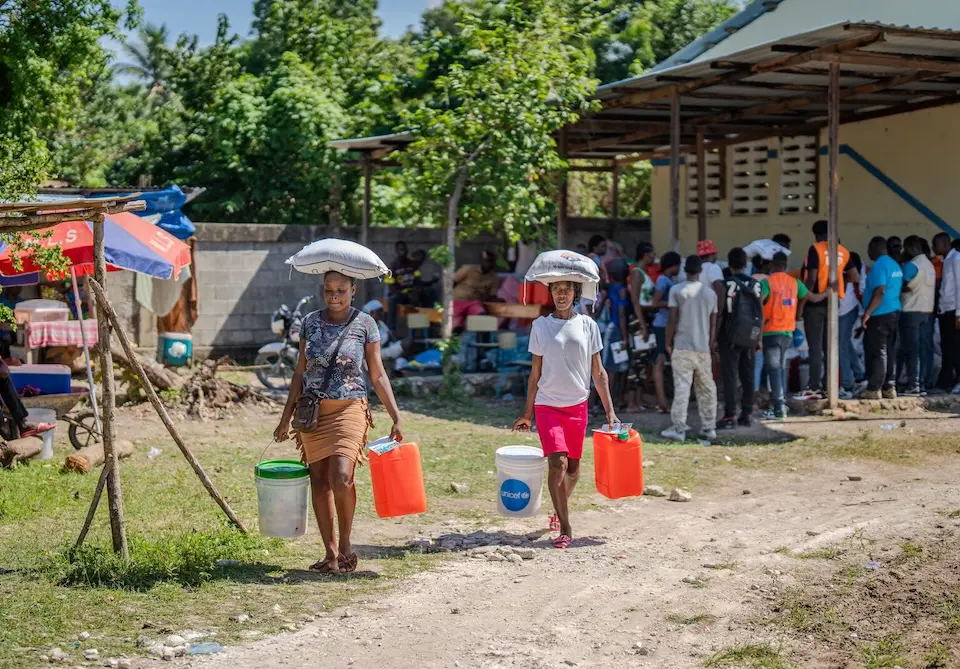
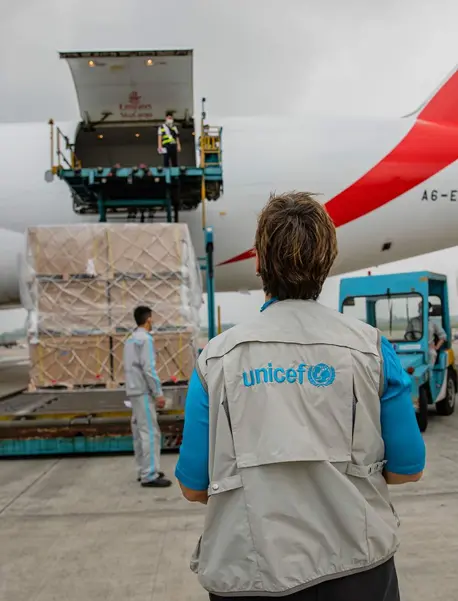
In coordination with national authorities and local partners, UNICEF pre-positioned essential supplies, such as hygiene kits, water purifiers and containers and medical supplies, and shared early warning messages with communities. UNICEF also provided cash to vulnerable households.
As Cyclone Melissa swept across the country, UNICEF teams remained on the ground alongside the Haitian government and humanitarian partners to quickly assess and coordinate the response across the water, health, hygiene, nutrition and child protection sectors.
Within two weeks, training and capacity-building sessions were underway with local authorities and partners to support further interventions and planning around emergency health management, cholera prevention, psychosocial support and the coordination of rapid community-level needs assessments.
"I have seen a lot of emergencies in my work with UNICEF — and the impact of this one has been really astonishing — but it could've been a lot worse if we hadn't prepared," said Alexandra Blason, UNICEF Emergency Regional Advisor in Latin America and the Caribbean.
Learn more about UNICEF's focus on preparedness, building resilience and other priorities for humanitarian action in 2026 in Haiti and around the world
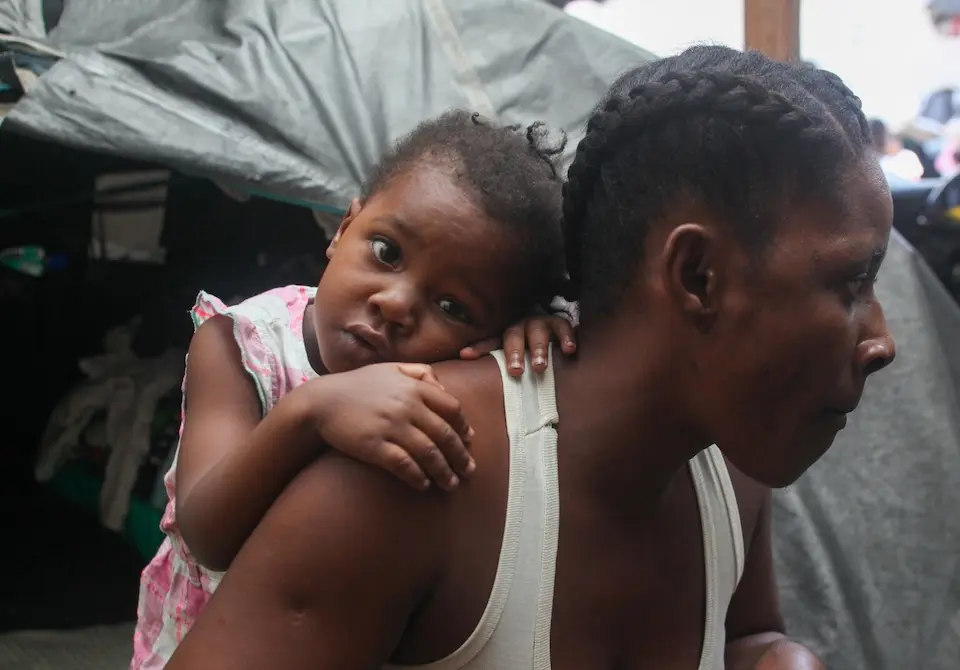
For Haiti, natural disasters only one source of pain
Hurricane Melissa struck Haiti at a time of tremendous suffering due to protracted violence between armed groups in Port-au-Prince and surrounding areas. An estimated 1.4 million people, including 741,000 children, are now displaced by the violence. Food insecurity and child malnutrition are on the rise, and cholera remains a serious threat.
In October, UNICEF issued a Child Alert warning that the country was at a breaking point, and called for international support and coordinated action to restore access to health, safe water and other essential services "to protect children and reverse the country’s downward spiral."
UNICEF's 2026 appeal for Haiti details plans to deliver support to children and families in need, across all program areas — health, nutrition, water and sanitation, education, child protection — while continuing to help strengthen preparedness and response to future extreme weather events.
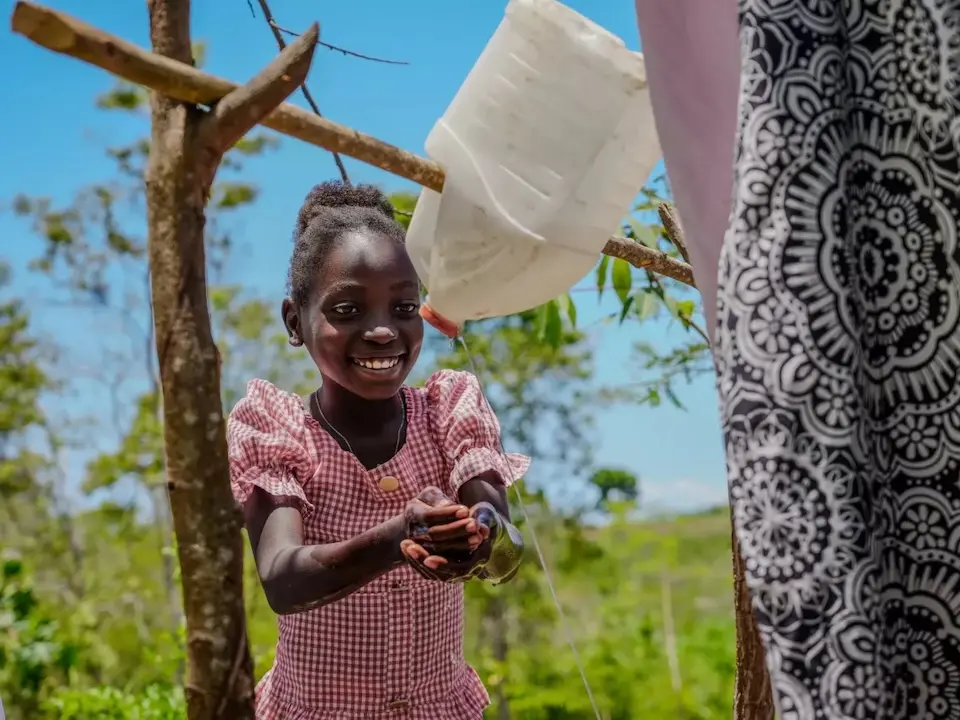
To fully safeguard the futures of children in Haiti — to ensure they can survive, recover and thrive — humanitarian access must be restored and protected, with armed actors complying with international law. The scale and scope of humanitarian funding must be increased immediately, with donor governments and international partners mobilizing immediate and sufficient resources to fully support critical programs, and there must be sustained political engagement and investment in long-term stabilization and a pathway toward inclusive governance.
Building hope: What UNICEF is calling for in Haiti
Right now, the lives of the most vulnerable children hang in the balance as conflicts and crises jeopardize the care and protection that they deserve. Dependable, uninterrupted and effective foreign aid is critical to the well-being of millions of children. Please contact your members of Congress and urge them to support ongoing U.S. investments in foreign assistance.
HOW TO HELP
There are many ways to make a difference
War, famine, poverty, natural disasters — threats to the world's children keep coming. But UNICEF won't stop working to keep children healthy and safe.
UNICEF works in over 190 countries and territories — more places than any other children's organization. UNICEF has the world's largest humanitarian warehouse and, when disaster strikes, can get supplies almost anywhere within 72 hours. Constantly innovating, always advocating for a better world for children, UNICEF works to ensure that every child can grow up healthy, educated, protected and respected.
Would you like to help give all children the opportunity to reach their full potential? There are many ways to get involved.