Use of Braille Marks Important Step Toward More Inclusive Health System in Lesotho
Parents in Lesotho who are visually impaired responded positively when a recent UNICEF-supported measles-rubella vaccination campaign involved distributing vaccine information in braille.
This story is adapted from an article originally published by VaccinesWork
UNICEF backs effort to provide vaccine info in braille
Before launching its national vaccination campaign last October, the Lesotho Ministry of Health made sure that parents who were visually impaired were provided with the necessary information in braille.
Tlhokomelo Hlahla, 23, is one of those parents. She says she appreciated the move because it allowed her to make an informed decision about her child's health, independently.
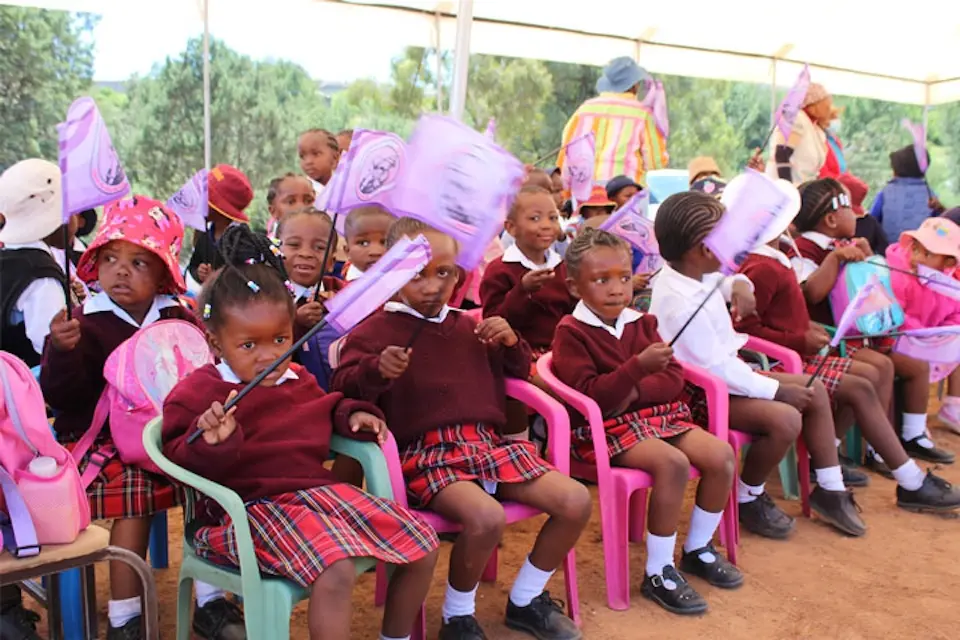
Hlahla's 10-year-old son was one of over 110,000 children under 5 who received the measles and rubella (MR) vaccine, along with polio drops, deworming tablets and vitamin A supplements, during the campaign, which ran Oct 20-24, 2025. Health campaigns that include the measles jab and also address vitamin A deficiency save the eyesight of thousands of children in low-income countries each year.
"Having braille materials is important because when you rely on someone to read for you, they may not read in a way that helps you understand as well as you would if you read it yourself," Hlahla said in a recent interview with VaccinesWork, a global health news website supported by Gavi, the vaccine alliance, a UNICEF partner. "Braille helps us comprehend things better and more independently."
Keketso Mangope, a representative of the Lesotho National League of the Visually Impaired Persons (LNLVIP), praised the initiative for helping mothers with visual impairments access accurate information — about measles-rubella vaccination as well as the diseases themselves, including symptoms and where to go to get treatment.
“For a long time, access to information has been a major challenge for people with visual impairments," Mangope said. "Access to information is a right enshrined in laws such as Lesotho's own Persons with Disability Equity Act and the United Nations Convention on the Rights of Persons with Disabilities under Article 9.
"The inclusion of braille and audio materials was meant to ensure that persons with disabilities, especially those with visual impairments, are reached, wherever they are," Mangope continued.
A 27-year-old mother who is visually impaired said extending the use of braille across all health services would also help protect individual privacy.
“When you are a person who cannot see or has a disability, there are private matters you want to keep to yourself," said the mother, who requested anonymity. "But you end up asking someone to read your medicine for you, revealing your personal information because you need help. Privacy is not protected that way."
Making health information more accessible also builds trust
In an email message to VaccinesWork, a UNICEF Lesotho spokesperson wrote: "Partnering with disability groups and investing in formats like braille builds trust, ensures dignity and can be easily replicated in other countries to make vaccination campaigns more inclusive."
UNICEF has made it a priority to work with partners worldwide to do just that, as a way to increase participation in vaccination campaigns, improve overall immunization coverage and protect more children from preventable diseases.
UNICEF's Immunization Roadmap to 2030 spells out these and other strategies for driving progress toward global immunization goals, including improving access to immunization services for marginalized groups, including children with disabilities and their families. In many communities, these children remain invisible and excluded from basic services.
In many humanitarian settings, there are pre-existing inequities related to gender, ethnicity and caste, education and disability that need to be overcome to reach children with lifesaving vaccines and other essential services.
Across all program areas, UNICEF works with partners to ensure equitable, inclusive access to services children rely on for their health, safety and future well-being.
Learn more about what UNICEF does to create a more equitable world where every child is healthy, educated, protected and respected
Right now, the lives of the most vulnerable children hang in the balance as conflicts and crises jeopardize the care and protection that they deserve. Dependable, uninterrupted and effective foreign aid is critical to the well-being of millions of children. Please contact your members of Congress and urge them to support ongoing U.S. investments in foreign assistance.
HOW TO HELP
There are many ways to make a difference
War, famine, poverty, natural disasters — threats to the world's children keep coming. But UNICEF won't stop working to keep children healthy and safe.
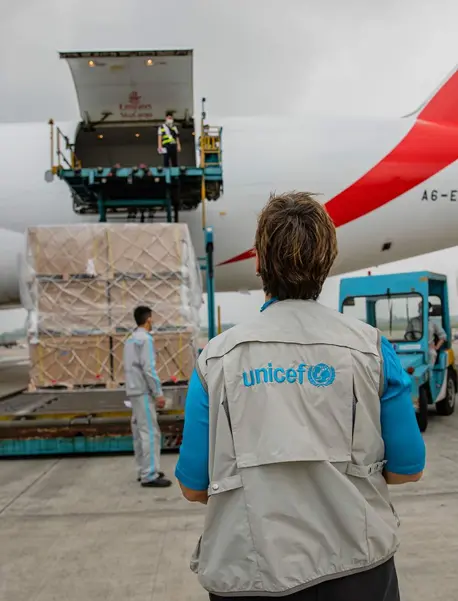
UNICEF works in over 190 countries and territories — more places than any other children's organization. UNICEF has the world's largest humanitarian warehouse and, when disaster strikes, can get supplies almost anywhere within 72 hours. Constantly innovating, always advocating for a better world for children, UNICEF works to ensure that every child can grow up healthy, educated, protected and respected.
Would you like to help give all children the opportunity to reach their full potential? There are many ways to get involved.