UNICEF Supports Children Caught in Crisis in Middle East
Escalating hostilities and their ripple effects threaten to compound already immense humanitarian needs of children and their families across the region. UNICEF is there.
UNICEF deploys rapid emergency response to meet children's needs following air strikes in Lebanon
UNICEF has deployed rapid response teams in Lebanon to identify immediate needs of children and families impacted by escalating hostilities including intense air strikes across multiple areas north and south of the Litani River on Monday, March 2, 2026.
At least 31 deaths and 149 injuries have been reported. The attacks displaced 29,000 people — including 9,000 children — in one day, swelling the country’s displaced population to an estimated 91,000.
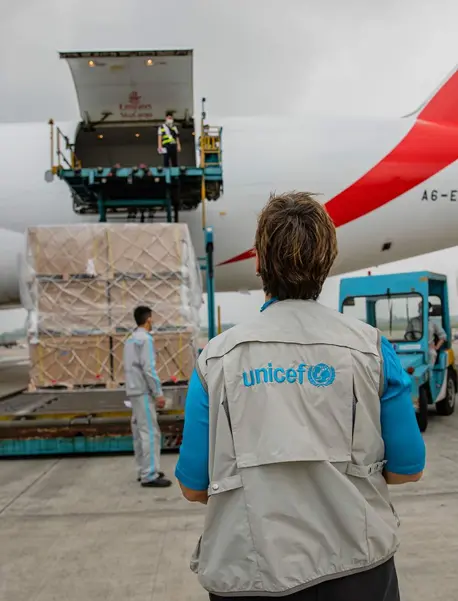
UNICEF's emergency response is focused on delivering lifesaving services and supplies, including to displacement shelters and hospitals. Some supplies have already reached families on the move in and around Beirut, including essential medicines.
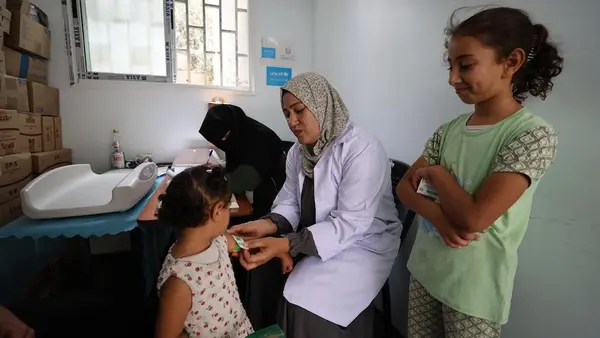
In coordination with Lebanon’s Ministry of Public Health, UNICEF has activated a half dozen new mobile primary health care units to provide medical consultations, immunization and emergency services to displaced children and their caregivers. UNICEF is also supporting hospitals to ensure continued neonatal and pediatric care.
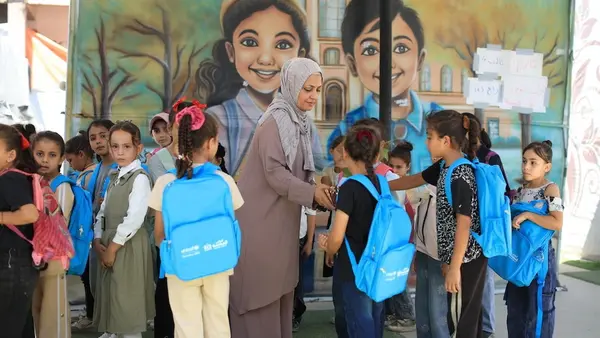
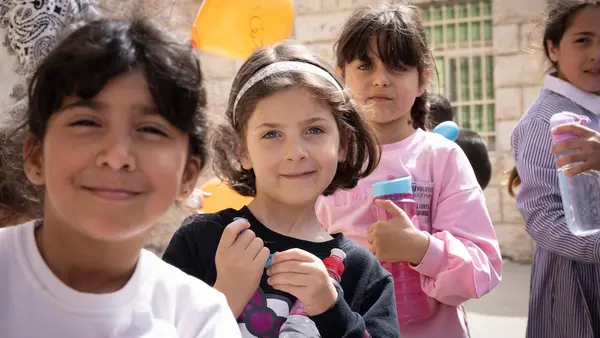
Other forms of emergency support include fuel to keep water and wastewater systems operating; opening hub schools in safe areas so children can keep learning; mobilizing dignity kits to distribute to women and girls; and assembling recreational kits to support displaced children's mental health and psychosocial well-being.
UNICEF has also begun pre-positioning essential nutrition supplies — including high-energy biscuits, micronutrient supplements and ready-to-use complementary foods — to prevent and treat malnutrition among vulnerable children.
A region enveloped in overlapping and protracted crises
The unfolding situation in Lebanon is only the latest development in a region-wide swirl of overlapping and protracted humanitarian crises that are disproportionately affecting children and families across the Middle East and North Africa, from Gaza to Syria to Sudan.
A military escalation last weekend — including reports of schools being struck in Iran, and of scores of students killed and many others injured — prompted UNICEF to echo the call by the UN Secretary General for an immediate cessation of hostilities and de-escalation and to urge parties to protect civilians and services children rely on to survive. "UNICEF, together with other UN agencies and humanitarian partners, is actively assessing the situation and stands ready to scale up support to affected children and their families as needed and requested," UNICEF said in its Feb. 28 statement.
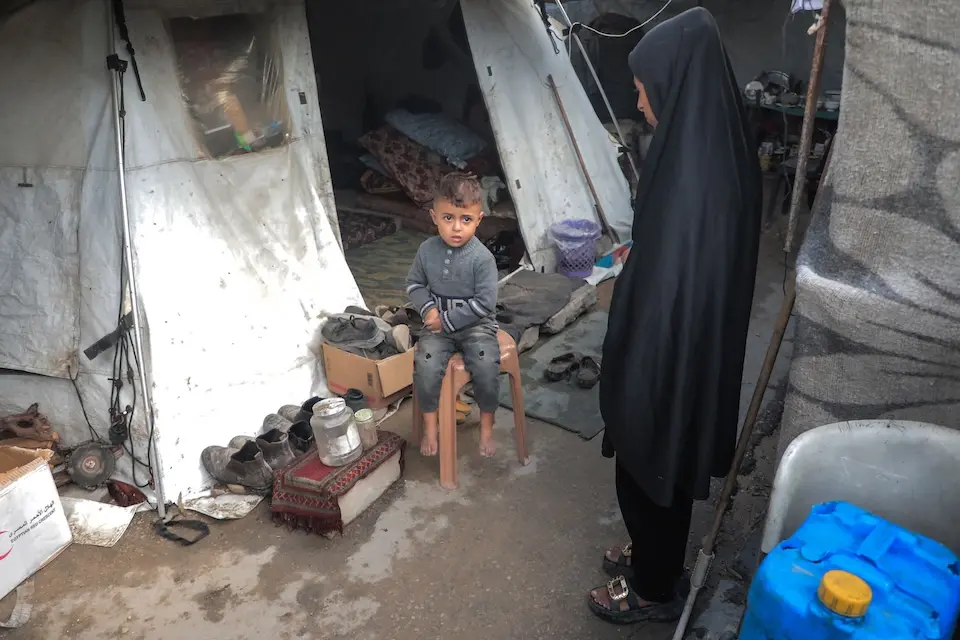
Escalating violence in the West Bank and conflict in the Gaza Strip and have created a devastating humanitarian crisis for children with regional impacts. Famine was confirmed in parts of the Gaza Strip in 2025; despite improved conditions and increased access following the ceasefire, 132,000 children remained at risk of malnutrition at the start of 2026.
Related: UNICEF-supported mobile health clinics offer a lifeline for Palestinian families in the West Bank
In Syria, persistent insecurity, displacement and drought-like conditions continue to strain communities and hinder the delivery of essential services, as systems are stretched thin by the needs of returning refugees. In Yemen, years of conflict, economic decline and climate shocks have left families struggling to access food, health care and education. Iraq is facing its worst water crisis in 80 years.
Learn about how UNICEF is rebuilding sanitation systems to protect children's health in Syria
Countries in North Africa are in similarly dire straits due to a number of factors, including climate shocks such as droughts, floods and water scarcity, alongside complicated migration flows. Sudan is home to the world’s largest child displacement crisis, with millions forced to flee internally and across borders and famine conditions confirmed in some parts of the country.
Across the region, UNICEF continues to deliver for children and families through ongoing programs and interventions across all major program areas — health, nutrition, safe water, education and protection — but rising needs continue to outpace available resources.
UNICEF's responses in Sudan, Syria and Lebanon are particularly — and chronically — underfunded.
Help UNICEF scale up emergency response operations for children in need
* UNICEF USA complies with U.S. sanctions restrictions, and, as such, we do not accept funds specifically designated for programs in Iran. We do, however, raise funds for UNICEF programming in the Middle East and North Africa region.
For parents and caregivers: How to Talk to Your Children About Conflict and War
HOW TO HELP
There are many ways to make a difference
War, famine, poverty, natural disasters — threats to the world's children keep coming. But UNICEF won't stop working to keep children healthy and safe.
UNICEF works in over 190 countries and territories — more places than any other children's organization. UNICEF has the world's largest humanitarian warehouse and, when disaster strikes, can get supplies almost anywhere within 72 hours. Constantly innovating, always advocating for a better world for children, UNICEF works to ensure that every child can grow up healthy, educated, protected and respected.
Would you like to help give all children the opportunity to reach their full potential? There are many ways to get involved.