Rebuilding Sanitation, Protecting Children's Health in Syria
After more than a decade of war, essential services in Syria are in urgent need of repair. With support from partners, UNICEF restored the main sewage network in Tadamon, a densely populated area in Damascus, reducing disease risks, improving daily living conditions and supporting community recovery and resilience.
Children need safe water, sanitation and hygiene to stay healthy
Years of conflict have severely damaged essential public services across Syria, with water and sanitation systems among the most affected. In Tadamon, a densely populated neighborhood in Damascus that experienced intense fighting, large parts of the sewage network were destroyed. As security conditions improved and families began returning, the deteriorated sanitation system posed growing public health risks, particularly for children and women.
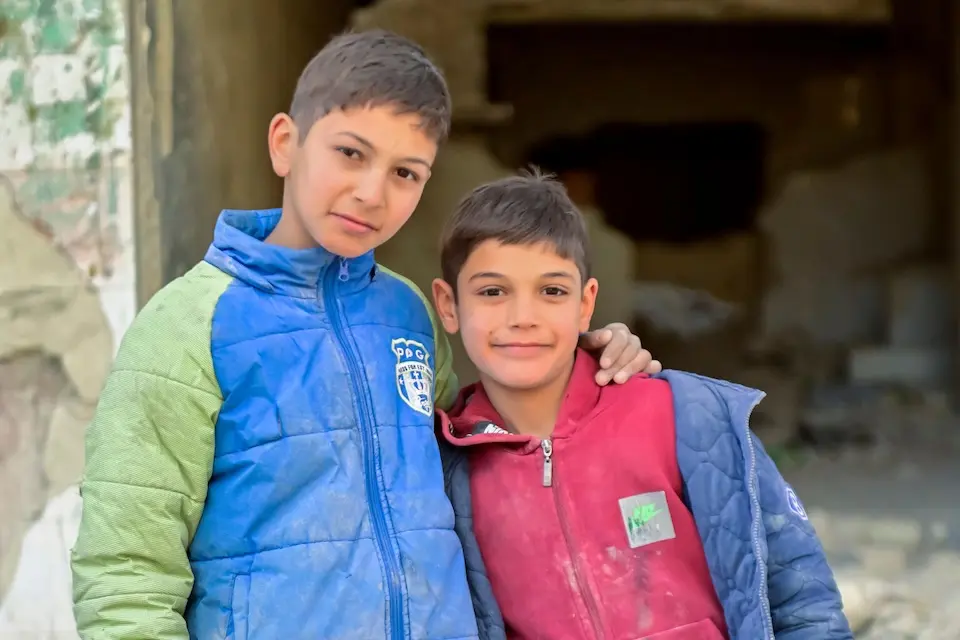
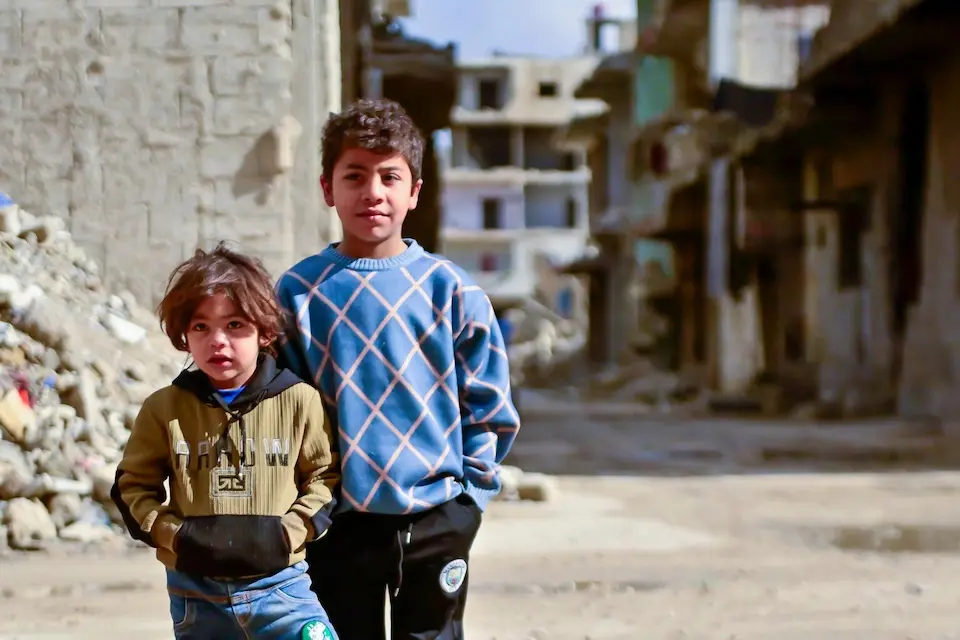
“My brother and I used to help each other jump over sewage floods while holding our noses because of the bad smell," says 12-year-old Ayham.
Inadequate sanitation increases the risk of disease outbreaks
Limited financial resources prevented local sanitation authorities from carrying out urgent repairs. As a result, sewage blockages and overflows became widespread, increasing the risk of wastewater contaminating drinking water sources and heightening the likelihood of outbreaks of diarrhea, hepatitis A and other waterborne diseases in an already vulnerable community.
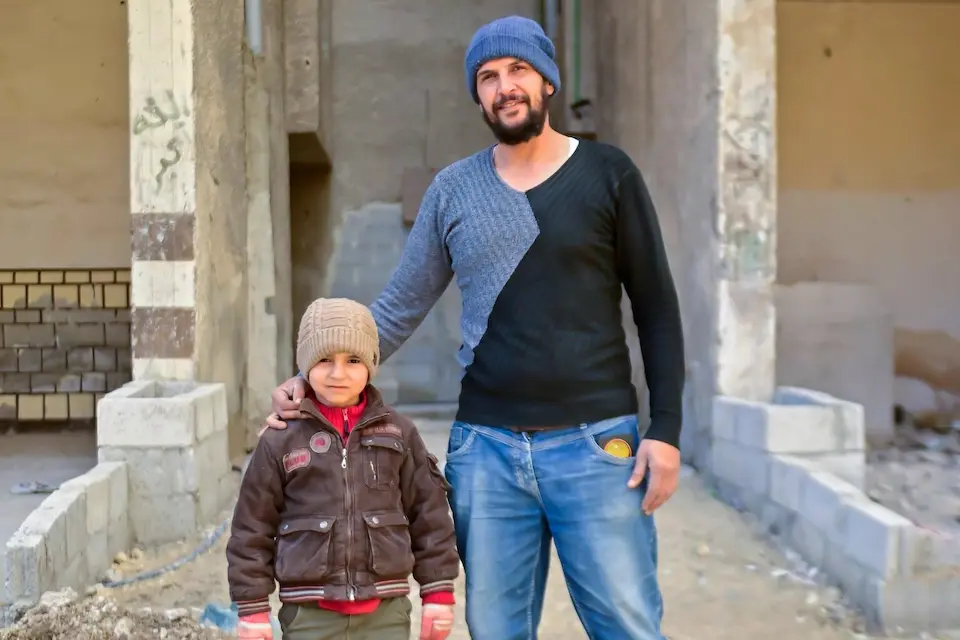
"My children used to get sick all the time, particularly with breathing problems. When sewage flooded the streets, germs spread everywhere," says Abdulrazak, the father of 5-year-old Nasser.
Restoring water and sanitation infrastructure improves public health
In response, UNICEF supported the rehabilitation of the main sewage network between September 2025 and January 2026, with support from the German Federal Ministry for Economic Cooperation and Development (BMZ) through the KfW Development Bank. The intervention included replacing damaged pipes, constructing manholes, reconnecting households and restoring roads to reestablish safe and sustainable wastewater management.
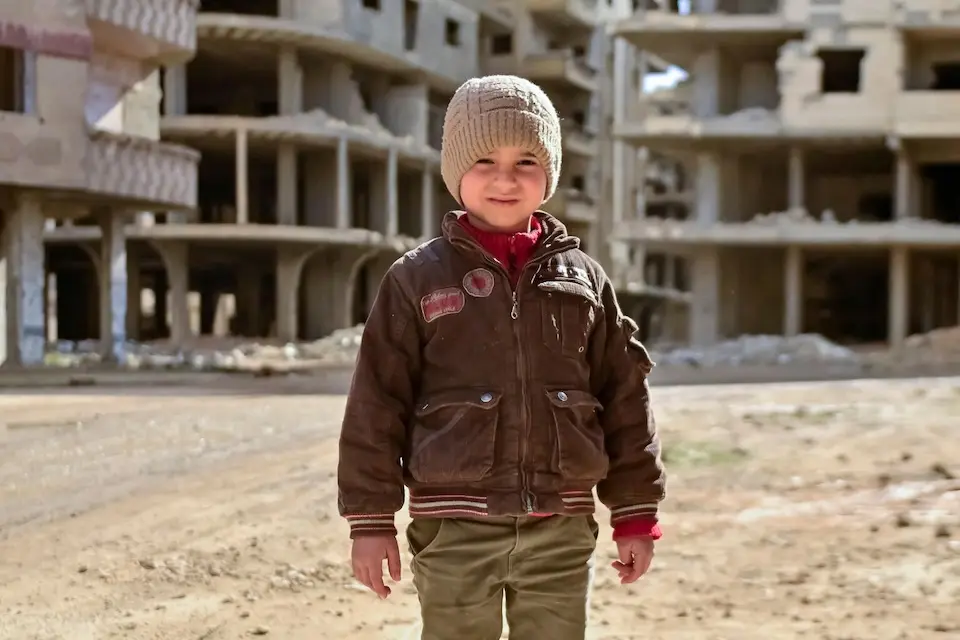
“I don’t need to put plastic bags on my feet anymore to cross the street when sewage overflows," says Nasser. "It used to bother me a lot.”
I don't need to put plastic bags on my feet anymore to cross the street when sewage overflows. — Nasser, age 5
There is still a long road to recovery ahead, but now families in Tadamon can breathe a little easier.
"I didn’t like the neighborhood when we moved here because of the smell. Now I love my home, and I play with my cousins near my house,” says Bilal, 8.
"Our street used to be full of holes and open drains, and I was always afraid my children might fall in," one father adds. "Now, they go about their daily routines safely, and I feel at ease.”
Learn more about how UNICEF is helping children in Syria
Reliable sanitation services help families in Syria rebuild their lives
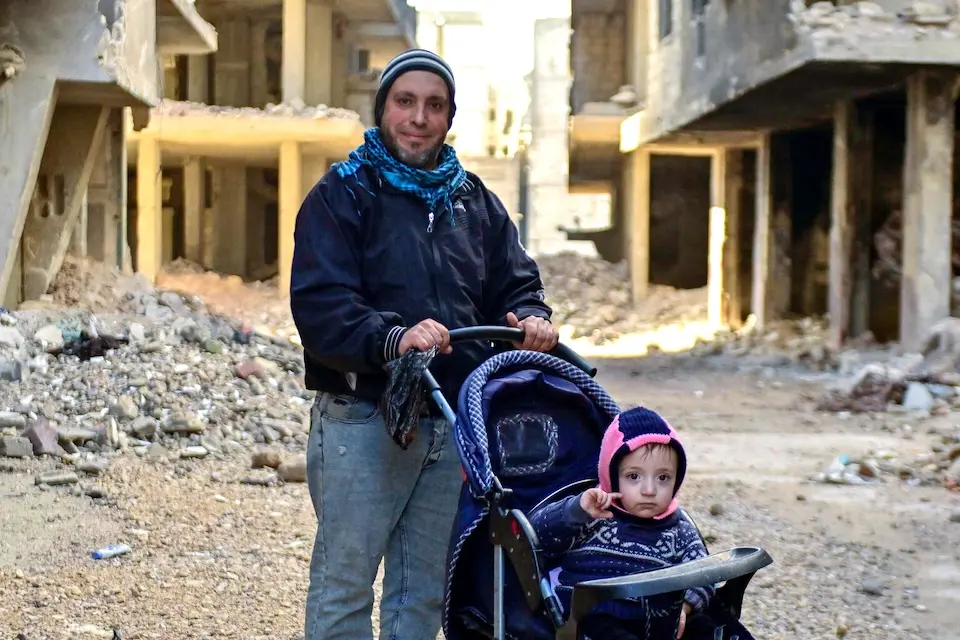
“I am visiting the area to assess whether my family could return," says Omar, pushing a stroller carrying his 2-year-old son across a street piled with rubble. "The rehabilitation of the sewage network is a positive step that reassures families and supports safe returns.”
The rehabilitated network provides reliable sanitation services to more than 200,000 people, most of them children and women. By reducing health risks, improving living conditions and supporting the safe return of families, the intervention has strengthened public health protection and contributed to the recovery and resilience of a community emerging from years of crisis.
Right now, the lives of the most vulnerable children hang in the balance as conflicts and crises jeopardize the care and protection that they deserve. Dependable, uninterrupted and effective foreign aid is critical to the well-being of millions of children. Please contact your members of Congress and urge them to support ongoing U.S. investments in foreign assistance.
Adapted from unicef.org
HOW TO HELP
There are many ways to make a difference
War, famine, poverty, natural disasters — threats to the world's children keep coming. But UNICEF won't stop working to keep children healthy and safe.
UNICEF works in over 190 countries and territories — more places than any other children's organization. UNICEF has the world's largest humanitarian warehouse and, when disaster strikes, can get supplies almost anywhere within 72 hours. Constantly innovating, always advocating for a better world for children, UNICEF works to ensure that every child can grow up healthy, educated, protected and respected.
Would you like to help give all children the opportunity to reach their full potential? There are many ways to get involved.