UNICEF Responds to Ebola Outbreak in DRC and Uganda
As risks mount from a rare strain of the deadly virus, UNICEF mobilizes emergency supplies and rapid response personnel to help contain the spread and protect children and families.
Updated May 22, 2026
Children especially vulnerable to Ebola outbreak impacts
Rising Ebola cases in the Democratic Republic of the Congo and Uganda are placing children and vulnerable communities at growing risk. As of May 20, 2026, there were 598 suspected cases and 139 suspected deaths, including 66 laboratory-confirmed cases and 7 confirmed deaths, almost all of them in eastern DRC. In Uganda, there have been two cases and one confirmed death.
The outbreak was confirmed on May 15, 2026, and is centered in the Mongwalu, Rampart and Bunia health zones of Ituri province. This is the 17th Ebola outbreak DRC has faced since the virus was discovered in 1976.
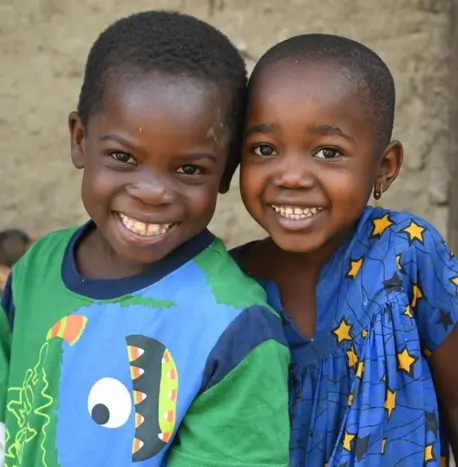
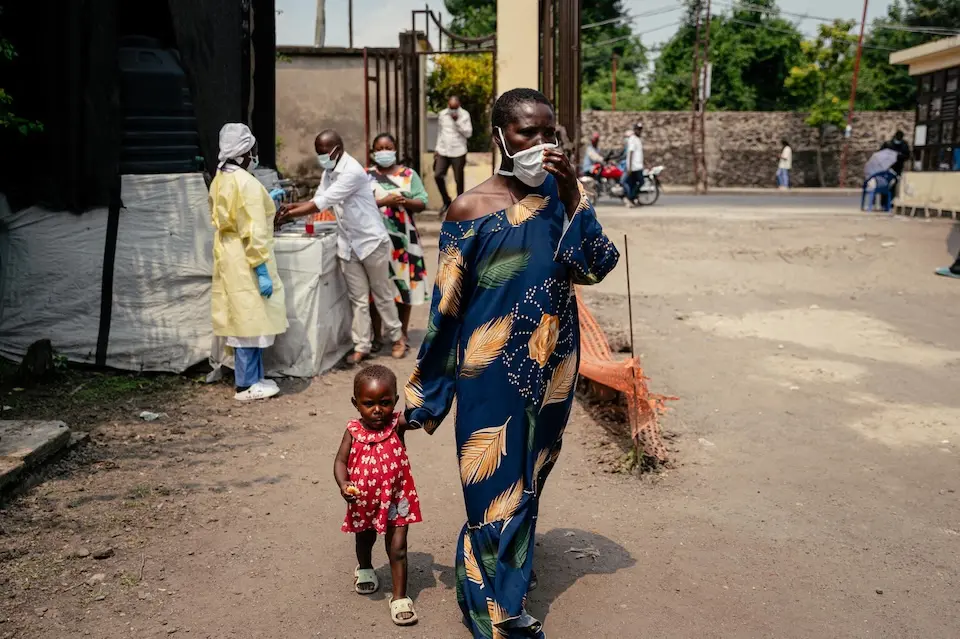
Children are especially vulnerable to the impacts of Ebola outbreaks, including disruptions to essential health, nutrition, education and other services. Children may experience the loss of their parents, and the fear and stigma surrounding Ebola can leave children isolated by their own communities, leading to psychosocial distress and increased protection risks.
On May 17, 2026, the World Health Organization declared the outbreak a public health emergency of international concern. While the situation is serious, it does not currently meet the criteria for a pandemic emergency under the WHO’s international health regulations. Circulation may have started in late April, UNICEF noted in a statement.
But the risk of further spread is high and growing. Population movement along mining corridors, active displacement, ongoing insecurity, weak infection prevention and control infrastructure and sustained cross-border movement are driving transmission beyond the reach of current containment measures.
The Bundibugyo strain currently has no approved vaccine (there are vaccines that protect against the better known Zaire strain of Ebola virus) and there is no approved targeted treatment, making early identification and supportive care critical to survival.
Symptoms of Ebola virus disease typically begin with fever, headache, fatigue and muscle pain. These early symptoms can resemble malaria and other infectious diseases, making early diagnosis difficult. But within days, the illness can progress rapidly to severe vomiting and diarrhea, a rash, and in some cases, unexplained bleeding, seizures and organ failure. Fatality rates are high, between 25 and 50 percent.
Most suspected cases are between 20 and 39 years old, and 60 percent are female — suggesting significant risks associated with household and caregiver transmission, the WHO reported.
Infection prevention and control top priority for responders
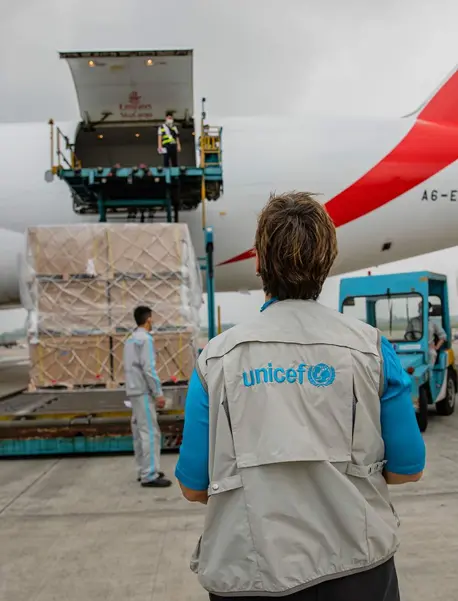
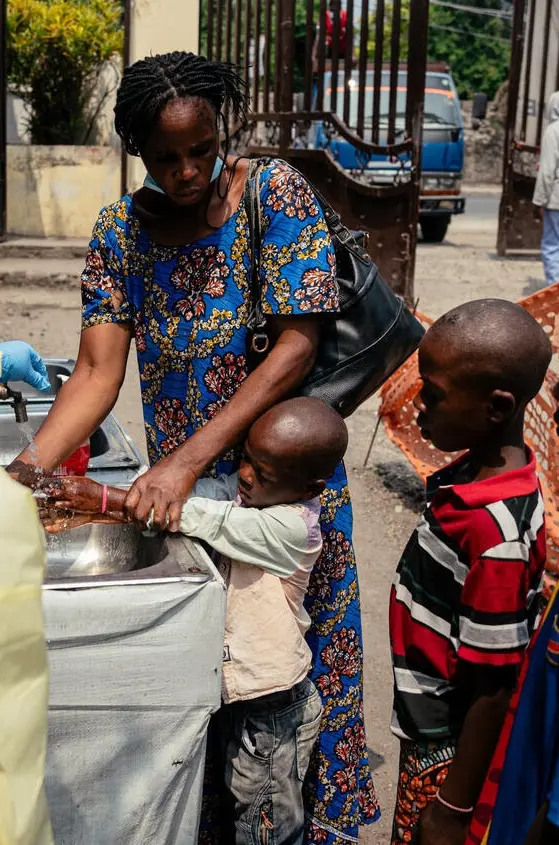
By May 18, 2026, UNICEF had already mobilized nearly 50 tons of infection prevention and control supplies, such as disinfectants and soaps and personal protective equipment, and water purification tablets and water tanks to Bunia, the capital of Ituri province.
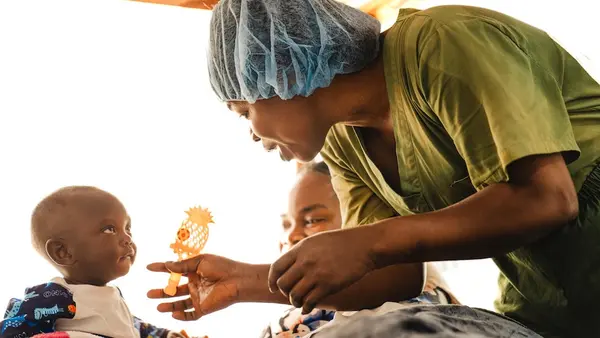
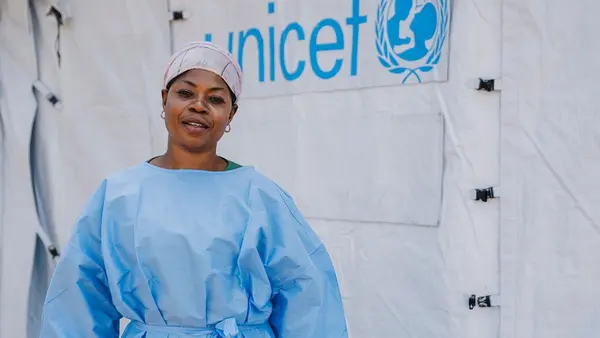
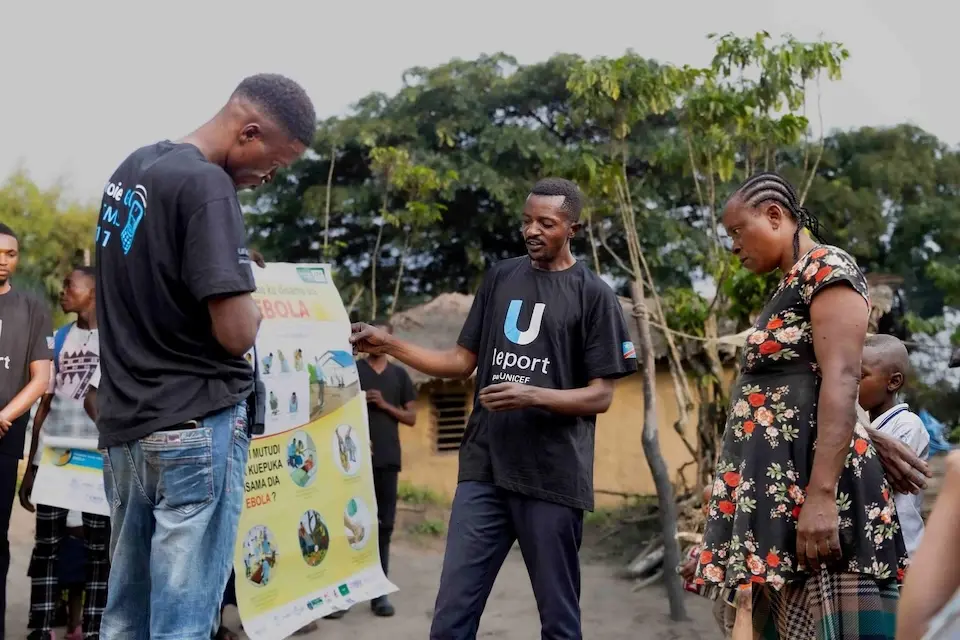
A multidisciplinary Emergency Rapid Response team has been dispatched to provide technical assistance in priority areas, including support for risk communication and community engagement activities aimed at amplifying communication to help families understand how Ebola is transmitted and how to reduce the risk of infection.
Over 2,000 community health workers are already in place, but additional capacity and resources are urgently needed to ensure effective coverage, particularly in hard-to-reach areas, UNICEF said.
Learn more about how UNICEF supports community health workers and the crucial role they play in safeguarding children's health worldwide
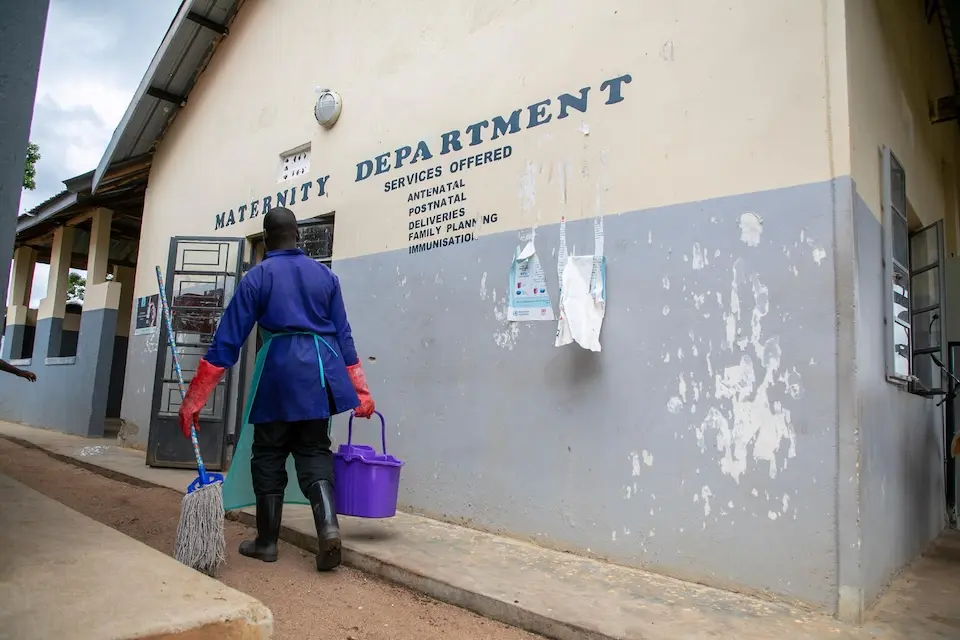
Ensuring children stay safe, supported and connected to essential services
In announcing its response plans, UNICEF called for immediate, safe and sustained humanitarian access to affected communities, particularly in eastern DRC — a region where humanitarian needs are already high due to ongoing conflict and other crises — to enable response teams to reach children and families in need with lifesaving support and protection.
"We need to be able to act swiftly," said Jérôme Kouachi, Chief of Emergency for UNICEF in DRC, in an interview broadcast by the French television network M6 on May 17, 2026. "This will involve decontamination, the distribution of protective equipment to health care staff, and an early warning system. It is therefore absolutely crucial that communities and individuals are able to raise the alarm and seek treatment at health care facilities."
UNICEF calls on all responders to make protecting children a priority — ensuring they stay safe, supported and connected to essential services.
Significant concerns about further transmission
The humanitarian response in Ituri was already severely underfunded before the outbreak, with nearly 1 million displaced people, weak health systems and limited access to basic services. Insecurity and population movement in the region make disease surveillance, contact tracing and community engagement difficult.
The two confirmed cases in Uganda were identified in a city in Kampala — two travelers coming from affected areas in the DRC — raising significant concerns about further transmission.
To support an organization-wide scale-up of preparedness and response efforts across affected and at-risk areas, UNICEF has classified the outbreak as a Level 3 emergency — it's highest classification — to accelerate personnel deployment and simplify operational procedures to reach children and families faster.
UNICEF is working with WHO, the Africa Centers for Disease Control and Prevention (Africa CDC) and other partners in support of the government-led outbreak response, scaling up across five priority areas:
- risk communication, social mobilization, and community engagement to inform and protect affected and at-risk populations
- infection prevention and control via access to safe water and sanitation in communities, health facilities, and schools
- support to community health systems and community-based surveillance
- continuity of essential services and humanitarian assistance for children already facing acute humanitarian needs
- leadership and coordination of preparedness and response efforts, including cross-border coordination, alongside national governments in DRC, Uganda and South Sudan
More flexible funding from the international community is needed.
Learn more about UNICEF emergency response
HOW TO HELP
There are many ways to make a difference
War, famine, poverty, natural disasters — threats to the world's children keep coming. But UNICEF won't stop working to keep children healthy and safe.
UNICEF works in over 190 countries and territories — more places than any other children's organization. UNICEF has the world's largest humanitarian warehouse and, when disaster strikes, can get supplies almost anywhere within 72 hours. Constantly innovating, always advocating for a better world for children, UNICEF works to ensure that every child can grow up healthy, educated, protected and respected.
Would you like to help give all children the opportunity to reach their full potential? There are many ways to get involved.