Ceasefire in Gaza: Children Need Surge in Humanitarian Aid Now
After more than 700 days of a devastating war in Gaza, news of a ceasefire is fueling hope for children and their families. UNICEF is mobilizing to ramp up delivery of lifesaving supplies and services to meet the urgent needs of children across the Gaza Strip.
Read updates on UNICEF's emergency response in Gaza
Support UNICEF's lifesaving work for children
UNICEF is calling for sustained humanitarian access to reach children in Gaza with the emergency aid they need to survive
The statistics are staggering. On average, every hour of every day for the past two years, a child has been killed in Gaza. Some 64,000 children have been reported killed or maimed, including at least 1,000 babies. As famine spreads to the south, 90 percent of the population has been displaced, many repeatedly, and homes and infrastructure lie in ruins.
The emergency needs of those who have survived this brutal war are immense.

With news that the first phase of a ceasefire has been agreed upon, UNICEF is calling for unimpeded access to reach all children and families in Gaza with emergency supplies and services, including essential food and nutrition, health care and psychosocial support, clean water, sanitation and education, along with cash assistance and the resumption of commercial trucking operations.
A genuine ceasefire must be more than words; it must be sustained and respected, placing children's rights at the very center. — UNICEF Executive Director Catherine Russell
“A genuine ceasefire must be more than words; it must be sustained and respected, placing children’s rights at the very center," said UNICEF Executive Director Catherine Russell. "This means opening all crossings for humanitarian aid and ensuring that every child, north to south, is reached with the essentials for survival."
Related: UNICEF Is Reaching Children in Gaza With Lifesaving Therapeutic Food

Children urgently need nutrition support and protection from the cold
The situation is critical. "We risk seeing a massive spike in child deaths, not only neonatal, but also infants, given their immune systems are more compromised than ever before, nor have they had access to proper food for what is now years," Russell said. “To add to this a cold winter, without adequate shelter and clothing, will be lethal — we saw neonates die last year from hypothermia."
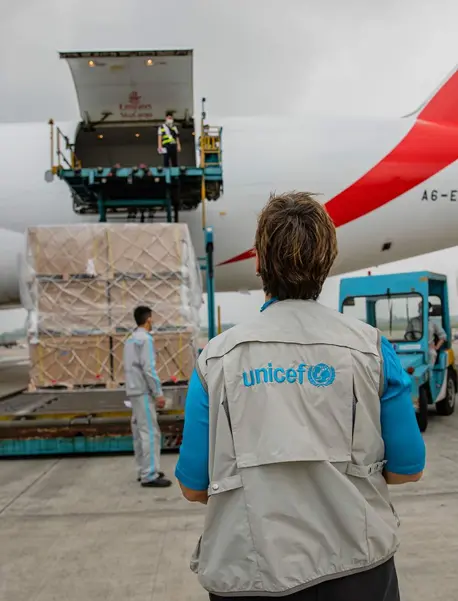
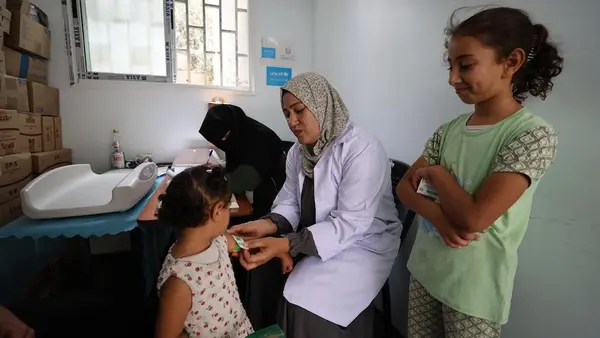
UNICEF has more than 1,300 trucks stationed around the Gaza Strip, ready to bring in tents, nutrition supplies, medical supplies and many other necessities needed to save the lives of children living in dire conditions and alleviate their suffering.
As an ultimate priority, the deal should be used to avert malnutrition and the extension of famine.
“As an ultimate priority, the deal should be used to avert malnutrition and the extension of famine," said Russell. "UNICEF has the capacity to swiftly improve the nutrition status of 50,000 children below 5 years of age who are at high risk and 60,000 pregnant and breastfeeding mothers. We have been doing it in the past months, but we need to be able to flood Gaza with nutritious supplies and treatment."
Learn more: 'This Is What Famine in a War Zone Looks Like'

Top of the list: vital nutrition supplies and 1 million blankets, one for every child in Gaza
UNICEF is prioritizing delivery of essentials including:
- nutrition supplies to address rising malnutrition
- tents, tarps and winterization supplies to help children survive the cold months ahead
- 1 million blankets, one for every single child in Gaza
- 2 winter clothing kits for every baby under 12 months
- water, sanitation and hygiene (WASH) supplies for families living in overcrowded camps without access to basic water and sanitation services
- supplies and fuel for the repair and operation of water production and distribution systems, along with drainage and sanitation systems, including solid waste management
- medical supplies and vaccines
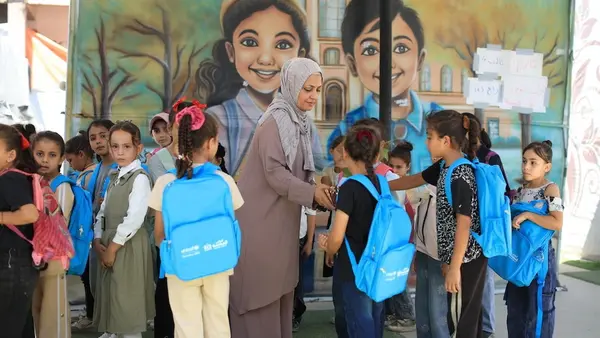
- School-in-a Box kits and MHPSS (mental health and psychosocial support) recreational kits to help children get back to learning and begin to recover from the unimaginable trauma they've experienced
- expanded humanitarian cash transfers to allow families to purchase food and other essentials in the marketplace as commercial trucking resumes
Funding is crucial to help UNICEF rapidly reposition supplies and repair and expand lifesaving services for children
“It is critical that all parties to the conflict do absolutely everything they can to ensure the deal is implemented, sustained, and leads to lasting peace," Russelll said. It will be a long road to recovery, but UNICEF is ready. The aid must flow.
Donate today to help UNICEF deliver hope to families.
Right now, the lives of the most vulnerable children hang in the balance as conflicts and crises jeopardize the care and protection that they deserve. Dependable, uninterrupted and effective foreign aid is critical to the well-being of millions of children. Please contact your members of Congress and urge them to support ongoing U.S. investments in foreign assistance.
HOW TO HELP
There are many ways to make a difference
War, famine, poverty, natural disasters — threats to the world's children keep coming. But UNICEF won't stop working to keep children healthy and safe.
UNICEF works in over 190 countries and territories — more places than any other children's organization. UNICEF has the world's largest humanitarian warehouse and, when disaster strikes, can get supplies almost anywhere within 72 hours. Constantly innovating, always advocating for a better world for children, UNICEF works to ensure that every child can grow up healthy, educated, protected and respected.
Would you like to help give all children the opportunity to reach their full potential? There are many ways to get involved.