UNICEF Focuses on What Children Need After Earthquake Hits Panama
The 7.5-magnitude quake left some 38,000 people — including 8,300 children — in need of humanitarian assistance. UNICEF is there.
A focus on meeting immediate needs of affected children and families
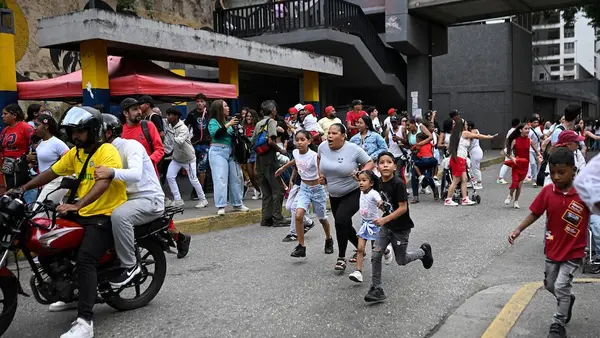
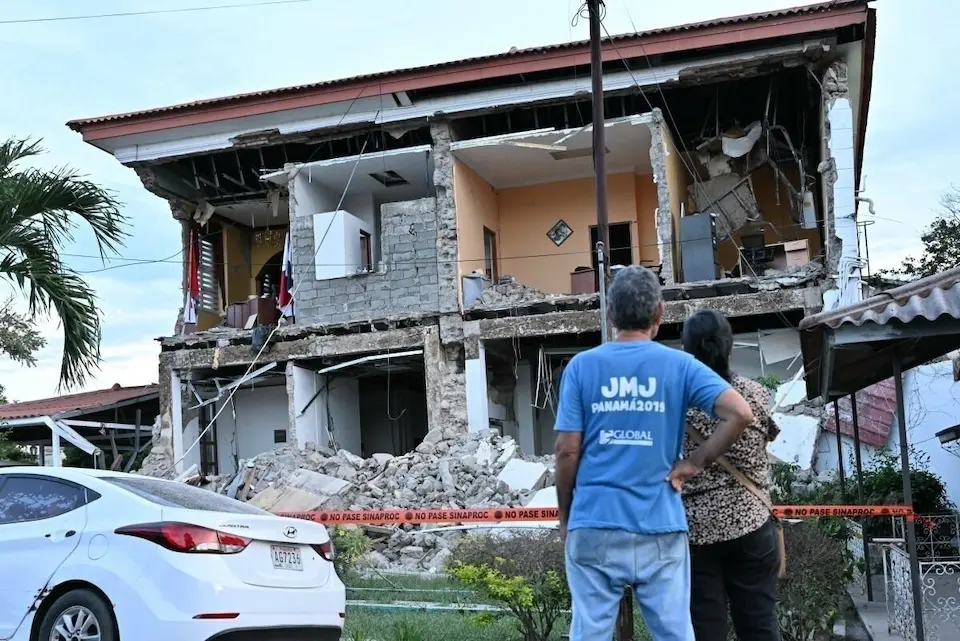
A 7.5-magnitude earthquake struck Panama on Oct. 9, damaging homes, schools, health facilities, water systems and roads in at least four central and west-central provinces, followed by more than 200 aftershocks over the weekend.
An estimated 38,000 people — including 8,300 children — are in need of humanitarian assistance.
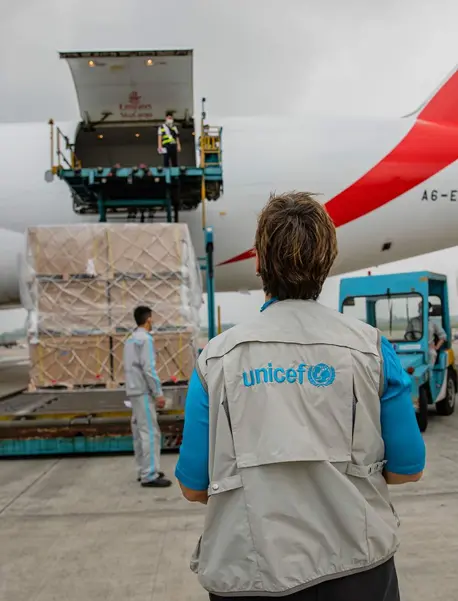
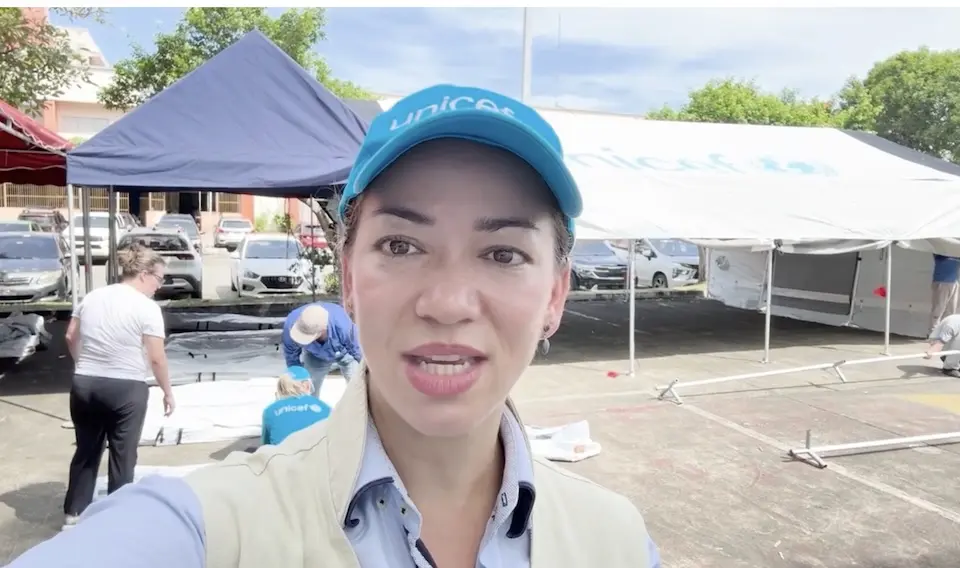
UNICEF is working closely with the Government of Panama to ensure that children remain at the center of the humanitarian response and recovery efforts, deploying additional personnel in the country and mobilizing emergency supplies from pre-positioned stocks to meet needs in health, water and sanitation, education and child protection.
UNICEF is working closely with the Government of Panama and partners to support affected children and families in the weeks ahead. — Olga Isaza, UNICEF Representative in Panama
“Three days after the earthquake, children and families continue to experience fear and distress as aftershocks persist, with thousands of children in the hardest-hit communities facing disruptions to essential services, including safe water and education,” said UNICEF Representative in Panama, Olga Isaza. “UNICEF is working closely with the Government of Panama and partners to support affected children and families in the weeks ahead.”
Assessments are ongoing to determine the needs in hard-to-reach communities and among displaced families staying in temporary shelters. Children and adolescents experiencing emotional impacts will require mental health and psychosocial support interventions.
Restoring essential services is paramount, including ensuring children can continue their education. More than 650 schools sustained damaged nationwide, and classes were suspended on Oct. 12 while structural safety inspections continue. Local authorities also reported damage to at least 25 health facilities.
When disaster strikes, the first days matter most — and UNICEF is ready to help children and families when they need it.
UNICEF is appealing to donors for support to help deliver lifesaving assistance and early recovery efforts for children and families affected by the Panama earthquake and other disasters around the world.
Learn more about how UNICEF responds to emergencies to support and protect children
HOW TO HELP
There are many ways to make a difference
War, famine, poverty, natural disasters — threats to the world's children keep coming. But UNICEF won't stop working to keep children healthy and safe.
UNICEF works in over 190 countries and territories — more places than any other children's organization. UNICEF has the world's largest humanitarian warehouse and, when disaster strikes, can get supplies almost anywhere within 72 hours. Constantly innovating, always advocating for a better world for children, UNICEF works to ensure that every child can grow up healthy, educated, protected and respected.
Would you like to help give all children the opportunity to reach their full potential? There are many ways to get involved.