UNICEF Afghanistan Earthquake Response: the First Seven Days
UNICEF is working with partners to provide emergency supplies and services for children and families devastated by the Aug. 31 earthquake. The needs are enormous. Learn more, including how to help.
263,000 children affected by the earthquake
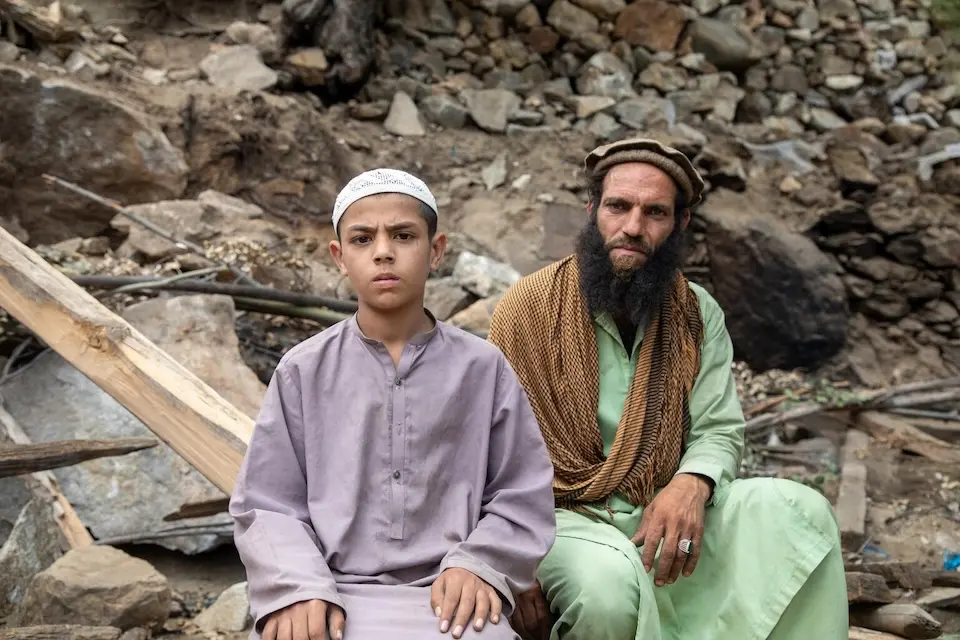
The powerful magnitude 6.0 earthquake that struck eastern Afghanistan on Aug. 31 claimed the lives of more than 1,172 children — more than half of the total death toll. Over 3,640 people were injured; 6,700 homes were completely or partially destroyed. Survivors — many of whom live in remote, mountainous regions with limited access — now face grave risks as winter approaches and temperatures begin to fall.
An inter-agency rapid assessment reported that 500,000 people were affected by the quake, including 263,000 children. Within the first 72 hours, UNICEF launched its rapid multi-sectoral response, delivering prepositioned emergency supplies along with urgent health, nutrition, WASH (water, sanitation and hygiene) services, cash and child protection support. UN agencies including UNICEF have mobilized 20 teams across Kunar, Nangarhar and Laghman provinces.
Read more about the first 72 hours of UNICEF's earthquake response in Afghanistan
Logistical difficulties and social sensitivities complicate delivery of humanitarian aid
The shallow depth of the earthquake, mountainous terrain prone to landslides and widespread use of mud-brick and unreinforced masonry housing amplified the destruction. Entire villages were damaged or destroyed, and repeated shocks have collapsed and weakened structures. Rockfalls and landslides continue to cut off access to several districts, while many families remain displaced outdoors due to fear of further collapses.
The affected regions are among the most remote in Afghanistan, with steep mountain terrain, limited road access, and deeply rooted cultural norms that restrict the mobility of women and girls. This makes delivering humanitarian aid not only logistically difficult but also socially sensitive. UNICEF is prioritizing the deployment of female health workers and social service providers to ensure safe and equitable access for women and girls.
Geographic isolation, limited infrastructure and deeply conservative social norms make this one of the most complex emergency responses we've ever faced. — Dr. Tajudeen Oyewale, UNICEF Representative in Afghanistan
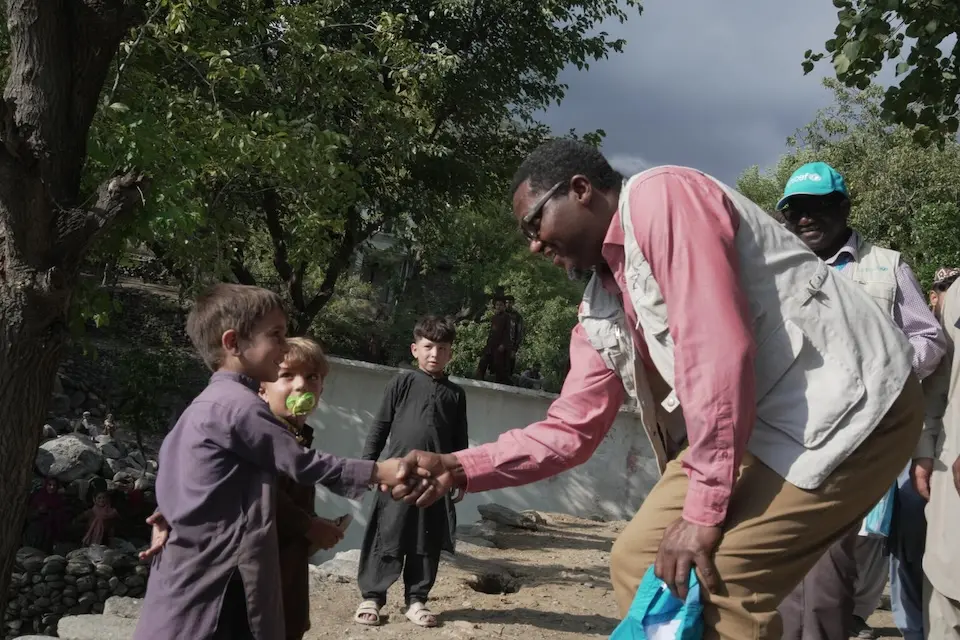
“Geographic isolation, limited infrastructure and deeply conservative social norms make this one of the most complex emergency responses we’ve faced,” said Dr. Tajudeen Oyewale, UNICEF Representative in Afghanistan. “Despite these challenges, UNICEF and our partners were on the ground from Day One — delivering health care, safe water, psychosocial support and critical supplies to children and families in urgent need. But much more is needed. We’re calling on the international community to stand with these communities and help us protect children before the harsh winter sets in."
UNICEF teams deliver for Afghanistan's children
Many survivors, including children, have already relocated to valley settlements, where humanitarian organizations can more effectively provide shelter, food, safe water and psychosocial support. However, with winter rapidly approaching, there is an urgent need to scale up assistance before conditions worsen.
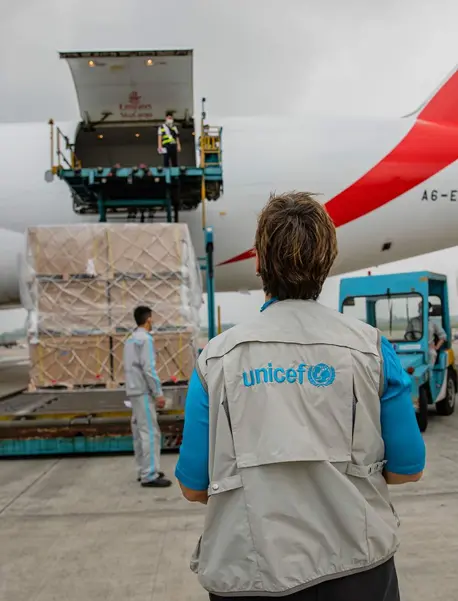
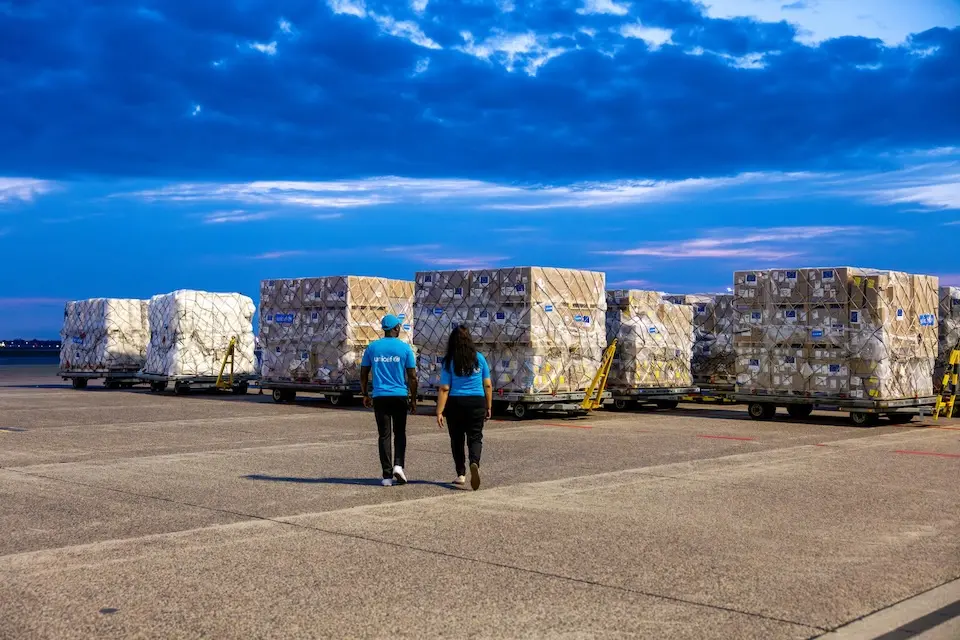
As emergency supplies are delivered by plane from UNICEF's Dubai supply hub and the UNICEF global supply headquarters in Copenhagen, UNICEF continues to mobilize surge teams, supplies and resources across multiple sectors, with an operational base in Jalalabad to address urgent needs in the earthquake-affected areas. Some highlights from the first week of UNICEF's emergency response:
Children's health
Over 25 UNICEF-supported health facilities, including one regional and two provincial hospitals (funded by the World Bank and Asian Development Bank), are providing critical services to children and families affected by the quake. Since Sept. 1, these facilities have treated more than 2,850 trauma cases and conducted 304 major surgeries.
A fleet of 47 ambulances is operating around the clock, transporting the injured from remote villages to hospitals in Jalalabad and Asadabad. Community health teams deployed in 10 villages treated more than 1,000 patients between Sept. 3 and Sept 7. Services include primary health care consultations as well as mental health and psychosocial counseling.
Mobile health and nutrition teams deployed by UNICEF implementation partners are assisting with trauma care and malnutrition screening, while 12 additional nurses and medical staff have been deployed to the regional hospital to manage increased caseloads.
Water, sanitation and hygiene
Water trucking is underway in three sites: Khas Kunar, Pattan School and Sawkai, ensuring access to safe drinking water for displaced families. A team of 20 hygiene promoters are engaged in distributing WASH supplies and raising awareness, having reached 400 families to date.
In Kunar, 5,150 family hygiene kits and 40,000 jerry cans have arrived and are being distributed across multiple locations. The installation of 150 sanitation facilities is ongoing to improve hygiene and prevent disease outbreaks in crowded sites.
WASH teams are also working with partners to establish facilities in the newly proposed camp for the displaced at Mazar Dara and are conducting technical assessments for the rapid repair of damaged water supply systems.
Child protection
UNICEF and partners have prioritized the protection of children affected by the earthquake. At Jalalabad Hospital, 36 unaccompanied and separated children, including 18 girls, have been identified. To date, 34 children (18 girls and 16 boys) have been successfully reunified with their families and provided with psychosocial support.
To strengthen case management, 21 social workers (13 men and 8 women) have been deployed in hospitals and affected villages, supported by a dedicated child protection hotline. Two interim care centers are being established in Khas Kunar Camp and Nangarhar to provide safe care for unaccompanied children, following medical treatment or while awaiting family tracing and reunification.
Child-friendly spaces are being scaled up, with nine sites operational, providing structured activities and psychosocial services. So far, 975 children (479 girls and 496 boys) have accessed these safe spaces. In addition, 463 individuals (87 girls, 111 boys, 145 women, 120 men) have benefited from mental health and psychosocial support (MHPSS), while 250 people (70 girls, 35 boys, 100 women, 45 men) have received awareness and messaging on child protection and well-being.
Cash assistance
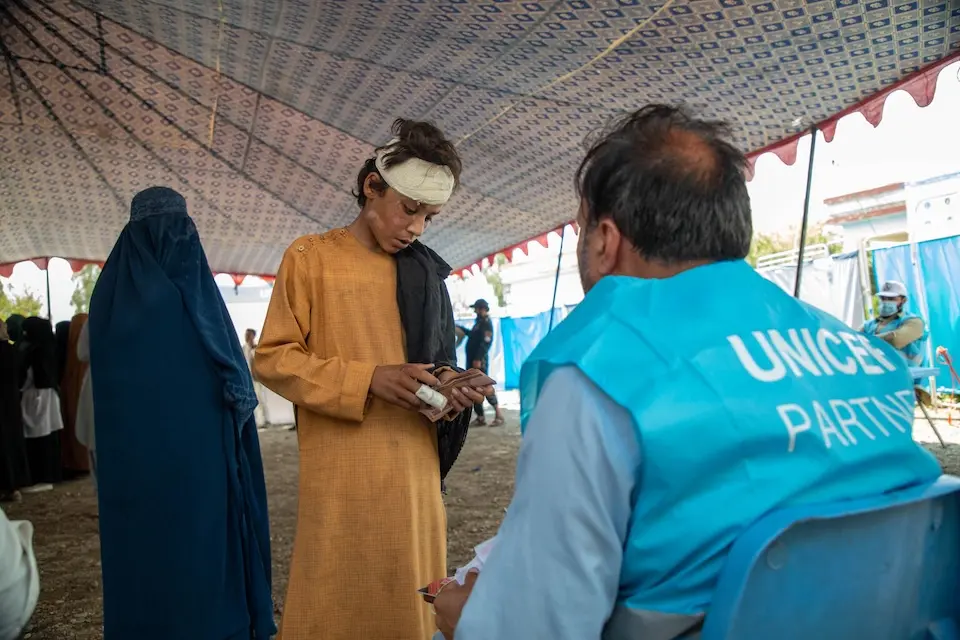
Cash assistance for communities affected by the earthquake in Noorgal District, Kunar Province, began on Sep. 6. In Masoud village, 89 households — including 11 with persons with disabilities — received a multi-purpose cash payment of $150. Distributions continued on Sept. 7 at Patang School in Titak village, for 120–150 households.
The initial response aims to reach up to 3,200 households, with the possibility of scaling up to 5,000. The number of supported households is expected to rise in the coming days as access improves, and inter-agency needs assessment data becomes available.
Learn more about UNICEF humanitarian cash transfers
Winterization
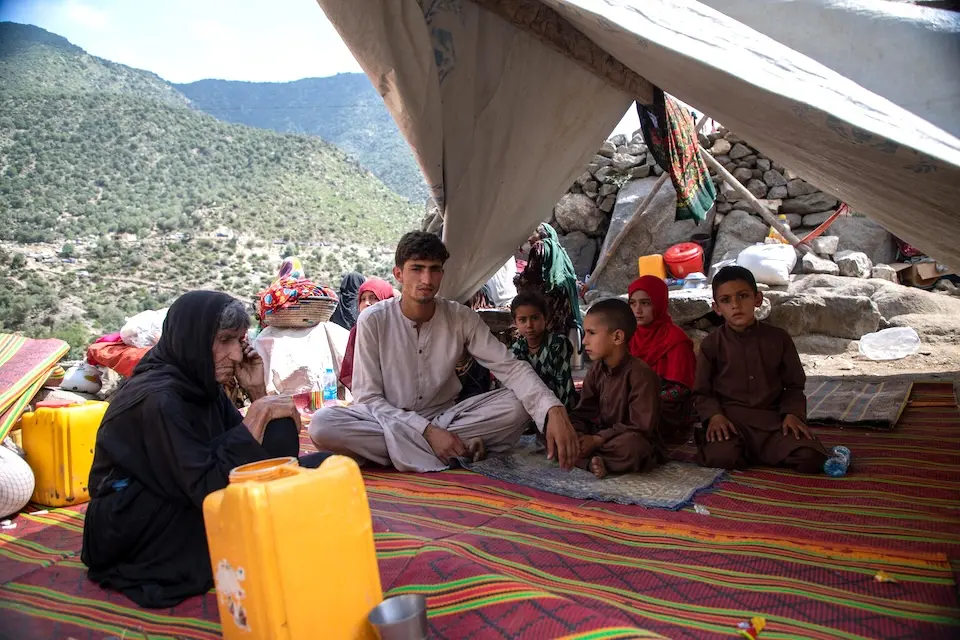
UNICEF and partners are supporting winter preparedness in earthquake-affected mountainous districts. In coordination with relevant clusters, UNICEF has pre-positioned family kits containing essential household supplies such as cooking equipment, tarpaulins for emergency shelter and 5,000 sets of warm winter clothing and blankets, ready for distribution ahead of the cold season.
In addition, UNICEF will reach 25,000 earthquake-affected households with cash assistance under the winterization program. This one-time payment will enable families to meet critical winter needs, including heating, fuel and other essential expenses.
Learn more about how UNICEF mobilizes emergency supplies
© UNICEF/UNI859112/Meerzad
Looking ahead: urgent needs and response priorities
UNICEF’s six-month earthquake response plan aims to reach 400,000 people, including over 212,000 children, across the most devastated districts such as Chapadara, Nurgal and Chawkay. Planned interventions include:
- Expanding access to emergency health care: Strengthening fixed health facilities and deploying additional mobile health teams to deliver trauma care, maternal and newborn services, and essential medicines
- Providing access to clean water: Rehabilitating water systems and setting up emergency water points to prevent outbreaks of acute watery diarrhea
- Improving sanitation and hygiene: Repairing WASH facilities in schools and health centres and distributing hygiene kits containing soap and other essential items
- Combating malnutrition: Screening and treating children for acute malnutrition, which is likely to worsen due to displacement and limited access to food
- Providing cash assistance: Supporting 13,200 vulnerable households with emergency cash transfers to meet immediate needs and prepare for the winter months
- Delivering psychosocial support: Establishing child-friendly spaces and increasing the number of trained social workers — especially female staff—to provide mental health support for children and their families
- Ensuring continuity of education: Setting up temporary learning spaces while damaged schools are assessed and repaired
Help UNICEF deliver lifesaving aid to children in Afghanistan
UNICEF urges donors and partners to act swiftly. With sufficient funding, UNICEF can meet the immediate and long-term needs of children and families devastated by this disaster — ensuring they are not left behind in the face of extreme hardship.
HOW TO HELP
There are many ways to make a difference
War, famine, poverty, natural disasters — threats to the world's children keep coming. But UNICEF won't stop working to keep children healthy and safe.
UNICEF works in over 190 countries and territories — more places than any other children's organization. UNICEF has the world's largest humanitarian warehouse and, when disaster strikes, can get supplies almost anywhere within 72 hours. Constantly innovating, always advocating for a better world for children, UNICEF works to ensure that every child can grow up healthy, educated, protected and respected.
Would you like to help give all children the opportunity to reach their full potential? There are many ways to get involved.