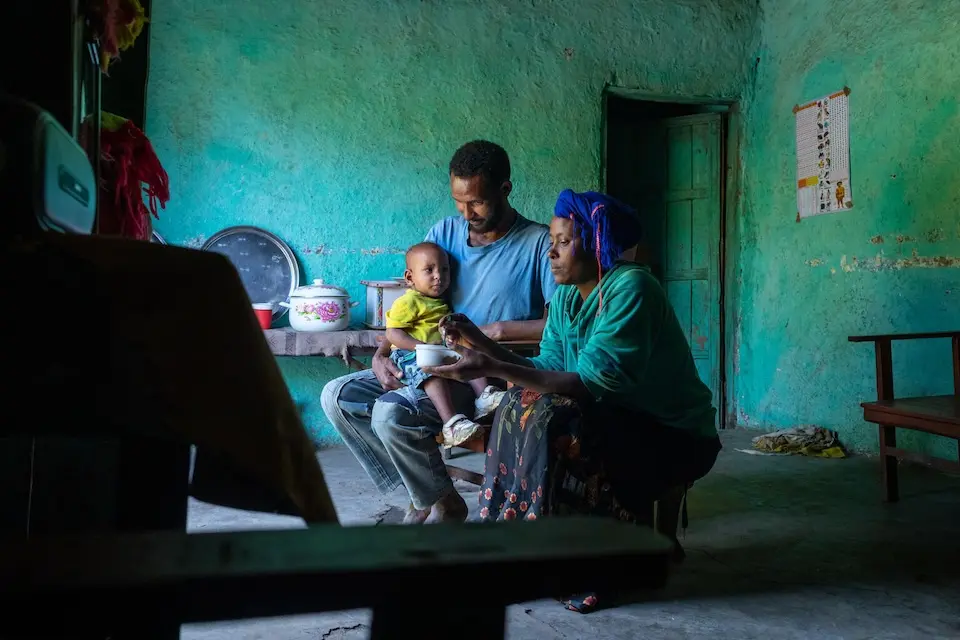
How Economic Shocks of Middle East War Threaten to Increase Child Poverty Worldwide
Highlights
- UNICEF projects Middle East conflict-related economic shocks could push 18-23.4 million more children into monetary poverty by the end of 2026.
- Rising food and fuel prices are squeezing families and straining government budgets for critical services.
- Risks of deprivation are highest for children in Africa and Asia.
- Timely action can help shield children from the worst effects.
Children are paying the price of conflict-related shipping disruptions — including those living far beyond the region, UNICEF warns in a new report.
Up to 23.4 million additional children could fall into monetary poverty by the end of 2026
Up to 23.4 million additional children could fall into monetary poverty by the end of 2026 as ongoing tensions in the Middle East and related shipping disruptions continue, UNICEF warns in a new report released July 16, 2026.
"The Impact of the Middle East War on Children in Monetarily Poor Households" draws on data from over 167 countries and highlights how rising food and energy prices — and broader economic shocks resulting from escalating hostilities, including disruptions linked to the closure of the Strait of Hormuz – are eroding what households can afford to buy. Governments also have less fiscal space, making it more difficult to fund health, education and other critical services.
Children in the poorest households are disproportionately affected.
Monetary poverty means a household is surviving on income that is too low to meet basic needs. For children, this often means reduced access to nutritious food, health care, education, transportation and other essentials.
Read the report: The Impact of the War in the Middle East on Children in Monetarily Poor Households
"The escalation of conflict in the Middle East is first and foremost a human tragedy, with devastating consequences for civilians and serious implications for regional stability and global peace, as violations of international humanitarian and human rights law continue," the report states.
"While the gravest impacts are borne by children and families in and around areas affected by the conflict, the crisis is also generating economic shocks that extend far beyond the region, with significant consequences for children's rights worldwide." The most visible effect is on household purchasing power.
For children already living in poverty, these shocks deepen deprivation and can cause harm that lasts a lifetime.
Nations in Asia and Africa are expected to account for an estimated 80 percent of the projected increase in child monetary poverty due to already high poverty rates and greater overall vulnerability, according to the report.
“The longer this continues, the worse the consequences will be," UNICEF Executive Director Catherine Russell said. "Rapidly rising costs are making food and education unaffordable for many families. For children already living in poverty, these shocks deepen deprivation and can cause harm that lasts a lifetime.”
Related: 5 Ways Conflict in the Middle East Impacts Children
Higher food, fuel costs increase pressure on millions of families already struggling to meet children’s basic needs
Few countries are suffering the effects of the Middle East crisis as painfully as Somalia. Within days of the escalation in conflict earlier this year, fuel prices in Mogadishu more than doubled, increasing the cost of food, water, transport and humanitarian assistance, the report notes, and the country is already grappling with a deepening malnutrition crisis.
In Ethiopia, disruptions linked to the Strait of Hormuz have driven up fuel costs, with a knock-on effect on daily essentials. With fuel costs 50 to 70 percent higher, delivering aid to hard-to-reach communities has become more difficult.
In Nigeria, low-income households spend between 60-70 percent of their income on food and transport, meaning even a slight increase in prices reduces their purchasing power. In Bangladesh, UNICEF estimates that 1.2 million more people could fall into poverty amid the rising cost of staple foods such as rice, lentils, cooking oil, vegetables, fish and poultry.
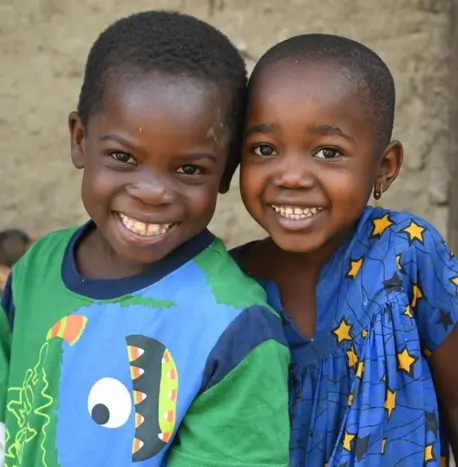
Children experience poverty differently from adults. When families face financial pressure, children may eat less nutritious food, miss health appointments, drop out of school, or face increased risks of child labor and child marriage.
Learn more about child poverty and UNICEF's commitment to end it worldwide
Timely action can protect children from the worst
In conducting its analysis, UNICEF examined how slower economic growth and higher inflation linked to Middle East crisis was affecting household spending across 167 countries. The projections presented in the report range from 18 million to more than 23 million children pushed into monetary poverty by year's end, depending on how long the shocks last.
If the world fails to act swiftly, the combined effects of conflict, economic instability and rising costs will push millions of children into deeper poverty. We could see hard-earned development gains unravel.
The report also emphasizes that timely and targeted policy responses can help protect children from the worst effects. UNICEF is calling on national governments, donor governments and international financial institutions to protect children by:
- protect spending on social services such as health, nutrition, education and child protection
- expand social protection programs — including humanitarian cash support
- increase financial support for countries facing severe fiscal pressure
- strengthen preparedness systems so support can reach children quickly when shocks occur
"If the world fails to act swiftly, the combined effects of conflict, economic instability and rising costs will push millions of children into deeper poverty," Russell said. "We could see hard-earned development gains unravel.”
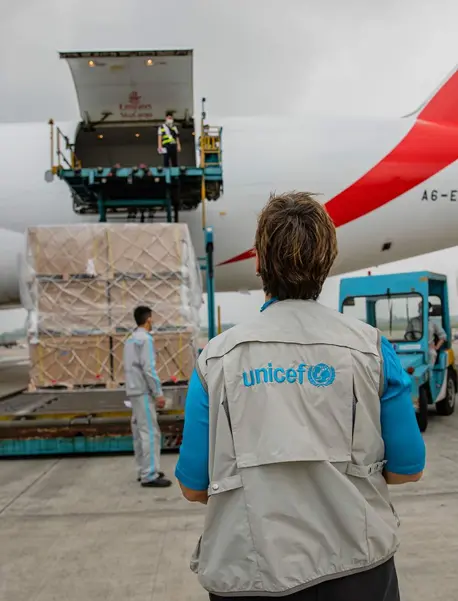
Learn more about how war in the Middle East is disrupting supply chains — and what UNICEF and partners are doing to maintain the flow of lifesaving supplies for children
HOW TO HELP
There are many ways to make a difference
War, famine, poverty, natural disasters — threats to the world's children keep coming. But UNICEF won't stop working to keep children healthy and safe.
UNICEF works in over 190 countries and territories — more places than any other children's organization. UNICEF has the world's largest humanitarian warehouse and, when disaster strikes, can get supplies almost anywhere within 72 hours. Constantly innovating, always advocating for a better world for children, UNICEF works to ensure that every child can grow up healthy, educated, protected and respected.
Would you like to help give all children the opportunity to reach their full potential? There are many ways to get involved.