Emergency Support for Children and Families in the West Bank
Rising violence in the West Bank is intensifying child protection risks, displacing families and impeding access to the services children rely on. UNICEF is there, working with partners to support Palestinian children with basic health care and other essentials.
Escalating violence in the West Bank has crippled essential services
In the first month of 2026, two children were killed in the West Bank and 25 were injured, the latest casualties in a rising tide of violence. Between Oct. 7, 2023 and Oct. 30, 2025, at least 999 Palestinians were killed in the West Bank, including East Jerusalem. Tens of thousands have been displaced from their homes. Families are living in a perpetual state of fear and uncertainty as settler attacks, militarized law enforcement operations and movement restrictions continue to undermine children's access to safety and basic services.
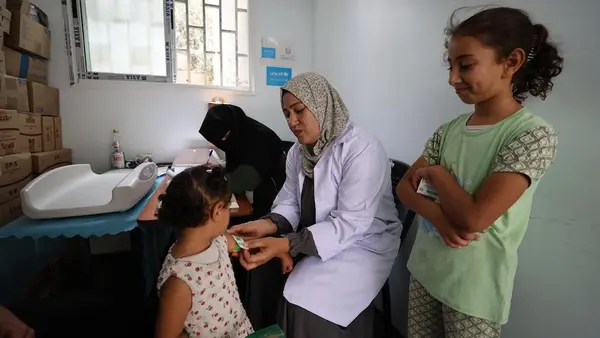
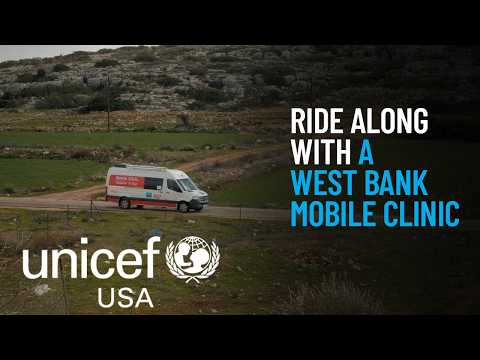
As part of its ongoing emergency response, UNICEF supports two mobile clinics in the northern West Bank, providing more than 10 marginalized communities with maternal, newborn and child health care, along with mental health and psychosocial support, care for persons with disabilities and essential medical screenings. Each month, the mobile teams reach more than 2,000 women and 1,200 children.
Video: UNICEF-supported mobile health clinics are a lifeline for Palestinian families in the West Bank
One woman, Siham, describes how she and her family were displaced from Jenin refugee camp the day after military operations began. The whole family is currently sharing one small room in Talfit.
"We had to leave our home and walk a long distance. My mother is 85 years old and uses a wheelchair," Siham says. "UNICEF supported us and provided essential assistance. The UNICEF mobile clinic helps us with psychological support, medicines and medical check-ups. They also visit my mother and provide her with care."
Upgrading and expanding health services for families in the West Bank
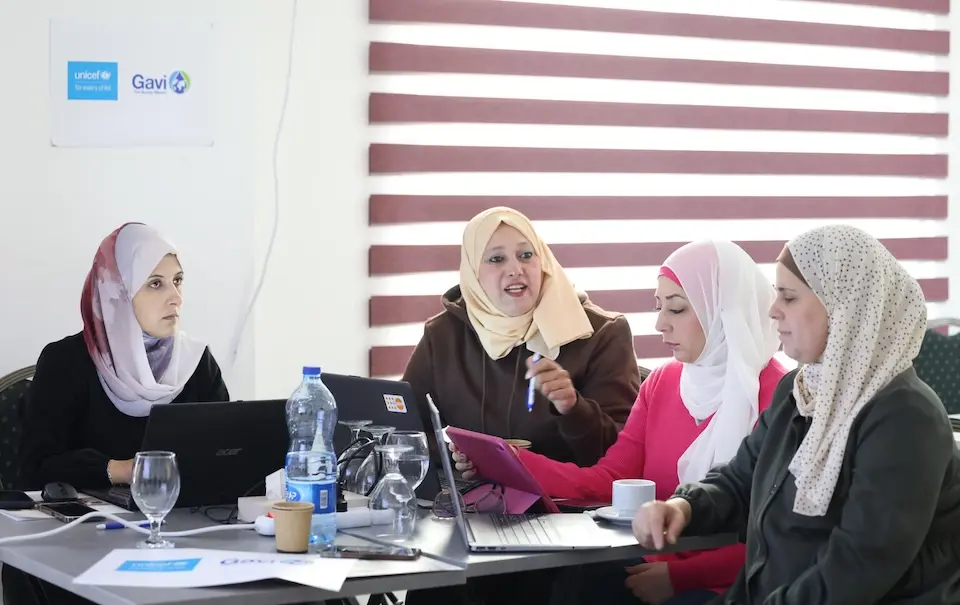
To strengthen and climate-proof the health system in the West Bank, UNICEF and the Palestinian Ministry of Health recently completed the design phase and launched the bidding for renovations of five primary health care (PHC) facilities. Once completed, these centers will serve 21,000 people (41 percent children) with improved maternal, newborn child health and immunization services.
Other recent UNICEF activities for children in the West Bank include:
- Keeping the vaccine cold chain running: To safeguard vaccines during power cuts and emergencies, UNICEF delivered and installed 20 generators in health facilities in Tulkarem and Jenin, ensuring reliable backup power for cold chain operations.
- Expanding clean energy for health services: UNICEF is supporting the solarization of 16 PHC facilities across 10 governorates, helping to ensure uninterrupted essential services. These centers serve more than 15,000 children and their caregivers, strengthening both resilience and sustainability.
- Strengthening early learning through play: UNICEF, together with the Ministry of Health, Ministry of Education, Ministry of Social Development and a local NGO partner, completed a three-day Training of Trainers on the 'learning through play' approach using LEGO kits. Twenty participants from health, education and social sectors across eight governorates took part.
UNICEF’s Humanitarian Action for Children (HAC) appeal for 2026 requires $673.8 million to address the escalating needs of children and families in the Gaza Strip and the West Bank to provide lifesaving support in WASH (water, sanitation and hygiene), health, nutrition, education, child protection, social protection and cash transfers and to support work restoring and strengthening systems.
Donate now to support UNICEF's work for children in the West Bank and around the world
HOW TO HELP
There are many ways to make a difference
War, famine, poverty, natural disasters — threats to the world's children keep coming. But UNICEF won't stop working to keep children healthy and safe.
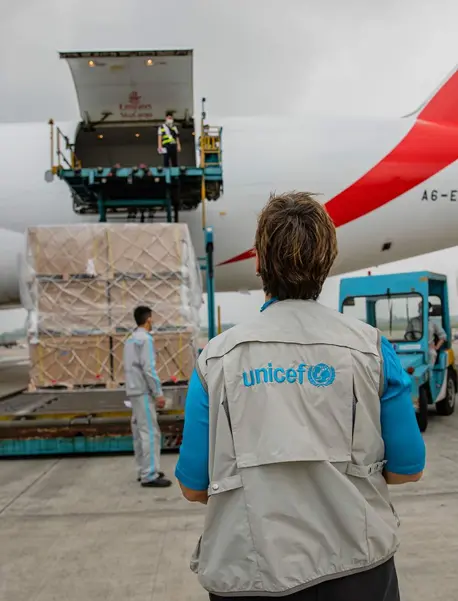
UNICEF works in over 190 countries and territories — more places than any other children's organization. UNICEF has the world's largest humanitarian warehouse and, when disaster strikes, can get supplies almost anywhere within 72 hours. Constantly innovating, always advocating for a better world for children, UNICEF works to ensure that every child can grow up healthy, educated, protected and respected.
Would you like to help give all children the opportunity to reach their full potential? There are many ways to get involved.