From Diagnosis to Big Dreams: A Malawi Teen’s Non-Communicable Disease Journey
- Catching up with Chifundo, a Malawian teen living with type 1 diabetes
- UNICEF helps bring non-communicable disease care closer to rural communities
- With UNICEF’s support, Malawi is strengthening its national health system
- Nearly 1 million people under the age of 20 die from NCDs each year
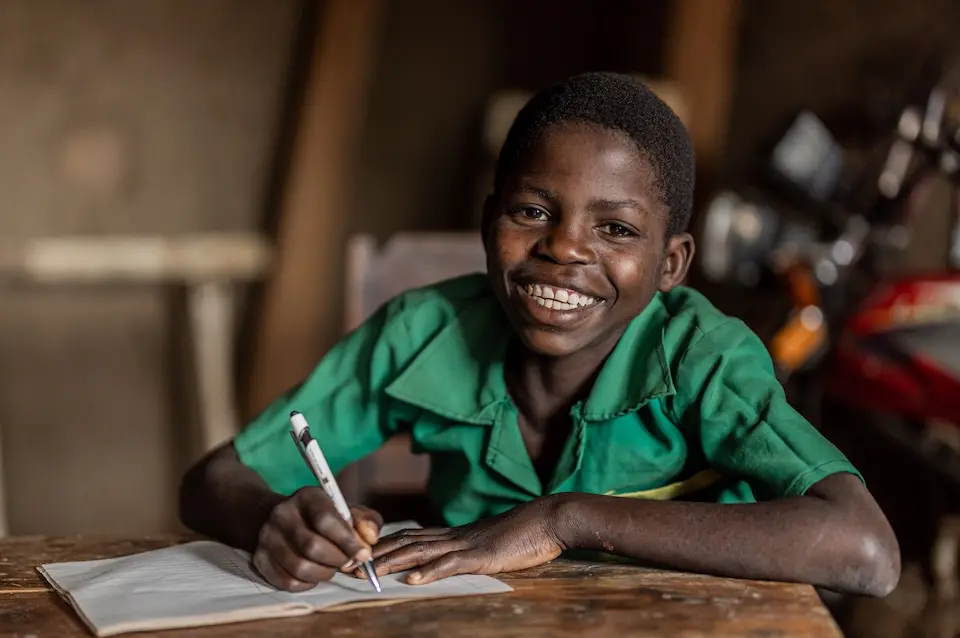
Years after his type 1 diabetes diagnosis, UNICEF catches up with Chifundo, 14, in rural Malawi. Thanks to early non-communicable disease (NCD) screening and ongoing care, he is looking forward to a bright future.
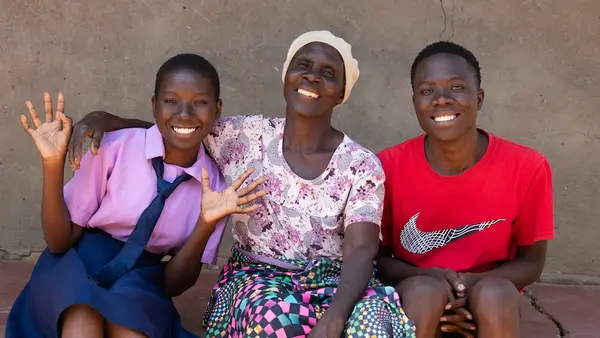
At 14, Chifundo lives with his mother in a small rural village in the hills of southern Malawi. He goes to school, looks after his family’s goats and spends time with lifelong friends, the same friends who used to carry him home when he was too tired to walk. Like any teenager, he is working through the ups and downs of adolescence. He is also living with type 1 diabetes.
UNICEF first met Chifundo just after his diagnosis in 2021. Five years later, UNICEF went back to Malawi to visit Chifundo and his community and to see how local primary health care supports him in managing his condition.
From falling to full of energy
When Chifundo was young, he got very sick. For months, he lost weight, felt extremely thirsty and tired and needed to urinate often.
“Every time I tried to move, I fell down again and again,” Chifundo recalls.
Then, when he was 10, his family took him to Neno District Hospital, where he had a required screening for non-communicable diseases (NCDs). The screening revealed he had type 1 diabetes, an autoimmune disease in which the body produces too little or no insulin, the hormone that controls blood sugar.
Getting the right diagnosis meant he could get the right care. Now, with proper management and treatment, Chifundo is thriving at home and in school.
“Right now, my body feels good,” he tells UNICEF. “I am so energetic.”
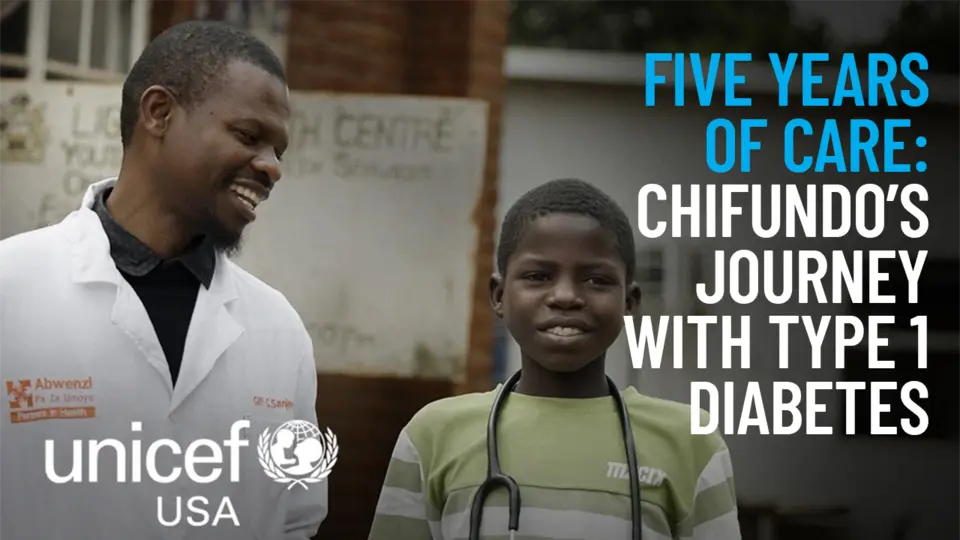
Watch the video:
Following in Gift's footsteps
Chifundo hopes to become a doctor. When he talks about his dream, he thinks of Gift, the clinician at Neno District Hospital who has been treating him since he was 10 and teaches Chifundo’s family how to care for him.
“We started educating them about the condition, which is an NCD that will stay with him for the rest of his life,” Gift explains. “Teaching them is a long journey.”
Along the way, Chifundo’s mother Katalina has been grateful to know her son is in good hands. “When my child started feeling better after receiving treatment from the doctors … [m]y heart was relieved and I was very happy," she tells UNICEF.
And Gift is someone Chifundo trusts and looks up to. “When I become a doctor, I will help people the same way Gift helps me,” he says.
A whole team in his corner
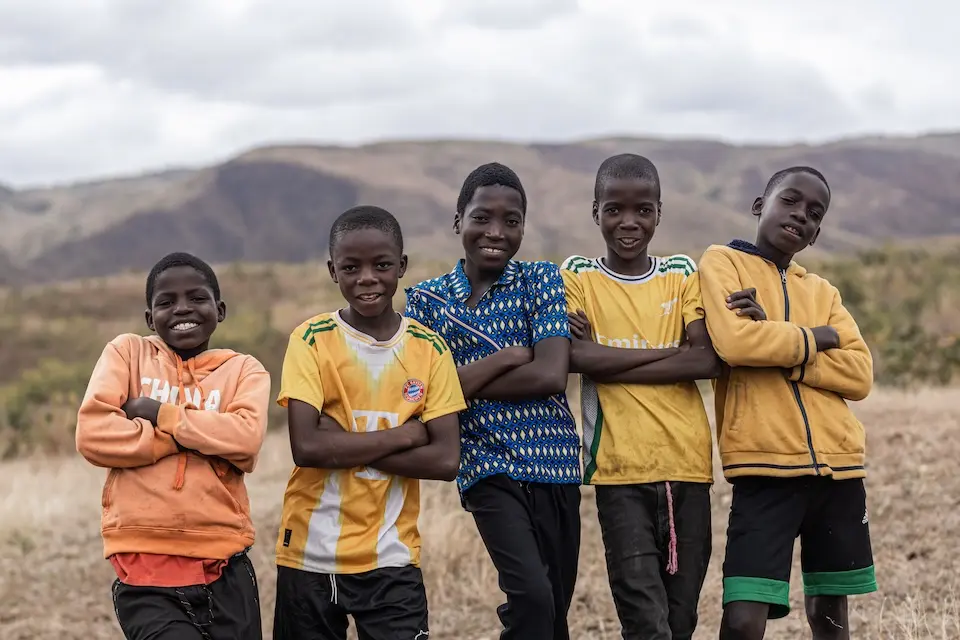
Chifundo doesn't manage his diabetes alone. His mother, brother, friends and the health workers who know him all play a role. They have support, too, from a health system that will be there as he grows.
UNICEF Malawi is helping build that system. It has reached millions of children and caregivers and trained tens of thousands of community health workers to better prevent, detect and treat childhood NCDs, so children with chronic conditions receive continued support for years to come.
The toll of undetected NCDs
Each year, nearly 1 million people under the age of 20 die from NCDs, including cancer, diabetes, high blood pressure and asthma. Many of these diseases are preventable and treatable, yet they disproportionately affect people in low- and middle-income countries, where health systems and communities often lack the resources to address them.
While type 1 diabetes is not preventable, many NCDs can be averted through early detection, intervention and education on key risk factors like tobacco use, alcohol abuse, physical inactivity and poor nutrition.
In Malawi, NCDs account for 25 percent of the total burden of disease and 29 percent of the country's mortality. To date, more than 122,000 Malawians have been screened for hypertension and diabetes, with over 1,100 referred for further assessments.
Bringing care closer to communities
In rural Malawi, long distances to health facilities and limited specialized services can make managing chronic conditions particularly difficult.
The NCD screening facility at Neno began as one of two hospital pilots run by the Ministry of Health and Partners In Health (PIH) and supported by UNICEF Malawi. UNICEF supports countries as they lead their own efforts to build strong, sustainable public health systems.
In Neno District, efforts to strengthen NCD care have focused on training health care workers, improving early detection and decentralizing services to bring care closer to communities.
That work is expanding across Malawi. As of Aug. 31, 2026:
- 1,057 health care workers, including clinicians and nurses, have been trained in NCD care
- 273 of the country's 489 primary-level health facilities (56 percent) now offer essential NCD services
- 16 of Malawi's 29 districts, or 55 percent, have expanded access to specialized care for children and adults with moderate to severe NCDs
These are important steps toward a health system better equipped to identify, manage and provide ongoing care for people like Chifundo living with chronic conditions.
From being carried home to paying it forward
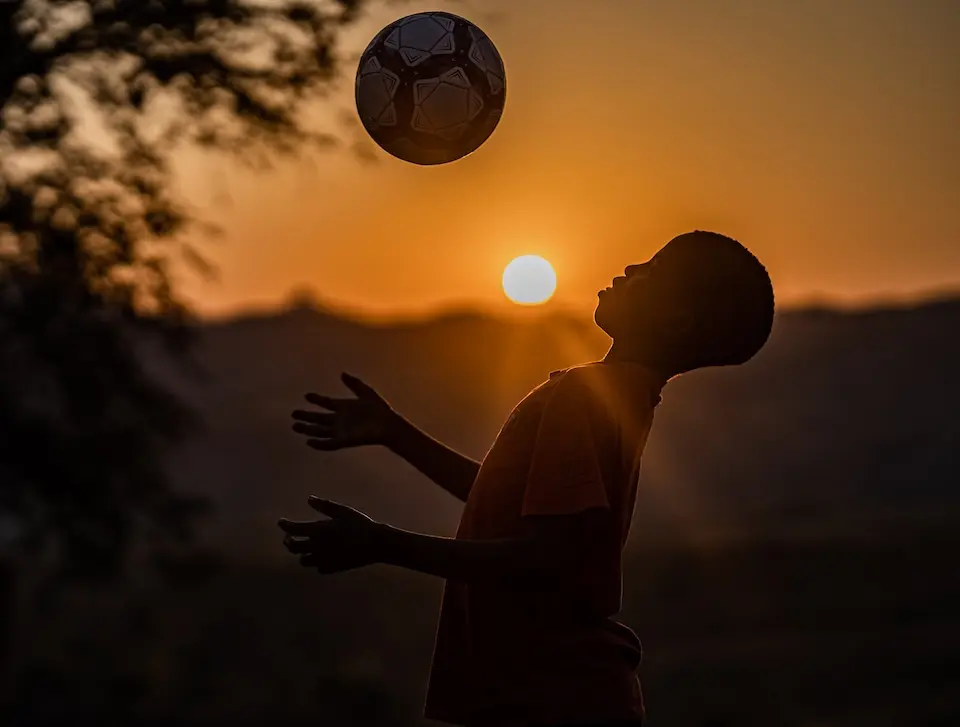
For Chifundo, stronger, more accessible health care has changed his life. The boy whose friends once carried him home from school now has energy to spare and big plans for his future. One day, he hopes to help people the same way Gift helps him.
Behind Chifundo’s progress is a broader effort to make quality health care accessible to more children in low- and middle-income countries. Since 2022, Eli Lilly and Company and UNICEF have collaborated to accelerate NCD prevention and care for children and adolescents in resource-limited settings.
UNICEF does not endorse any company, brand, organization, product or service.
The story doesn't end here. Help change what happens next.
HOW TO HELP
There are many ways to make a difference
War, famine, poverty, natural disasters — threats to the world's children keep coming. But UNICEF won't stop working to keep children healthy and safe.
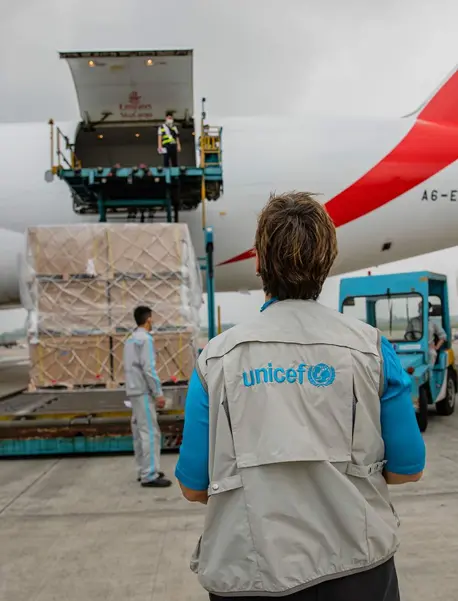
UNICEF works in over 190 countries and territories — more places than any other children's organization. UNICEF has the world's largest humanitarian warehouse and, when disaster strikes, can get supplies almost anywhere within 72 hours. Constantly innovating, always advocating for a better world for children, UNICEF works to ensure that every child can grow up healthy, educated, protected and respected.
Would you like to help give all children the opportunity to reach their full potential? There are many ways to get involved.