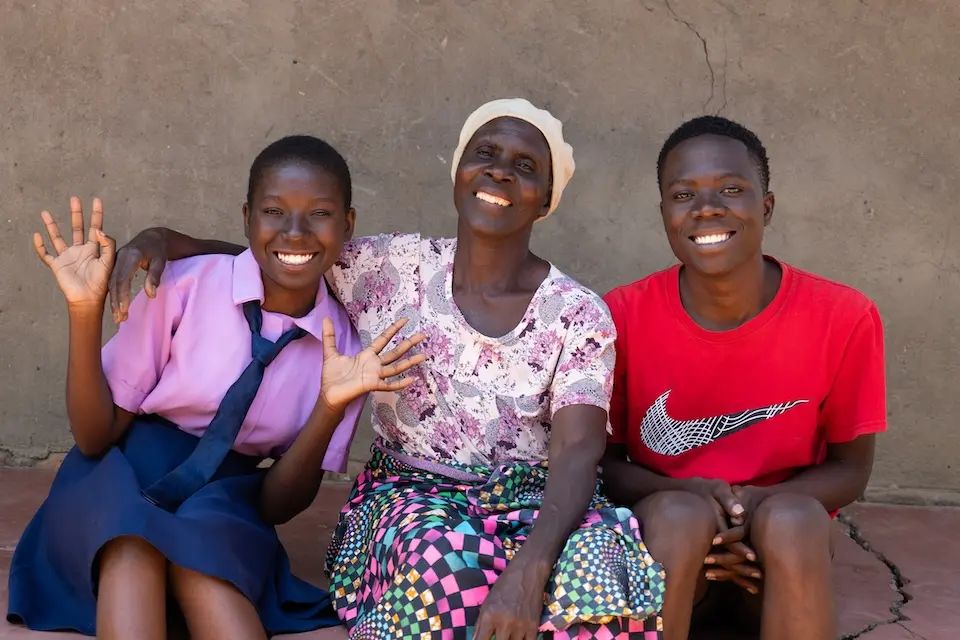
K.I.N.D. Scholarships Help Girls in Malawi Pursue Their Dreams
Launched by MS NOW and UNICEF USA in 2010 to improve education outcomes in Malawi, The K.I.N.D. (Kids in Need of Desks) Fund not only delivers desks to classrooms across the country, it also gives girls in Malawi the support they need to graduate from high school.
Girls in Malawi have big plans for the future
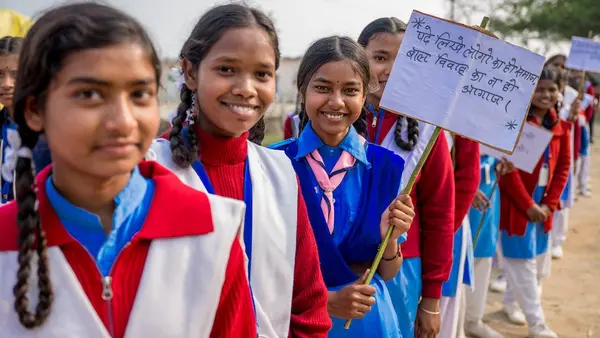
The girls at Chipoka Secondary School in Salima district, central Malawi, have been giving a lot of thought to how they want to make their mark on the world. Cecilia, 16, and Hannah, 14, have their hearts set on becoming surgeons. Sixteen-year-old Sandra is planning on a career as a lawyer, to promote justice. Wallinane, 14, wants to be "a judge who is not corrupt." Fourteen-year-old Patience dreams of becoming an architect, so she can help design beautiful schools for children and other buildings in Malawi.
These are some of the girls who will help shape Malawi's future. And with support from The K.I.N.D. (Kids in Need of Desks) Fund, launched back in 2010 by MS NOW's Lawrence O'Donnell and UNICEF USA, their dreams have a much better chance of coming true. To date, K.I.N.D. scholarships have helped nearly 38,000 girls in Malawi graduate from high school.
Learn more: K.I.N.D. Fund Celebrates 15 Years of Impact for Children in Malawi
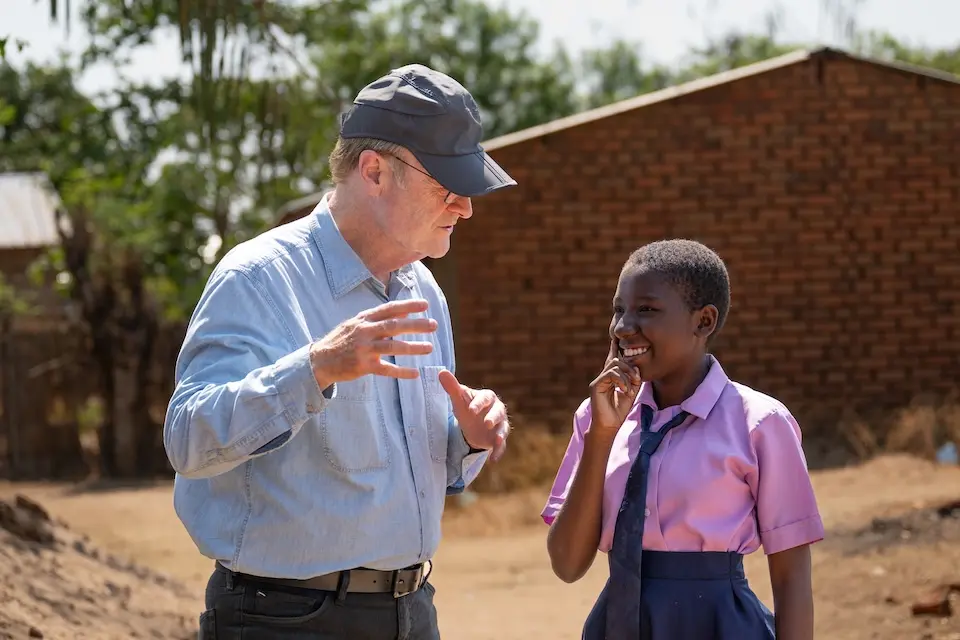
Lack of access to secondary education limits a girl's choices in life
Without support, many girls in Malawi wouldn't make it through secondary school. Malawi is one of the world's poorest countries; approximately 63 percent of children live in poverty. Deeply ingrained cultural beliefs regard girls as destined for marriage and boys as providers through charcoal selling and manual labor. Families that can afford to send their children to secondary school often prioritize sons over daughters, limiting girls' choices and cutting off their potential. As a result, boys in Malawi are twice as likely as girls to complete high school.
Lack of access to secondary education affects more than a girl's ability to get a degree. Girls who drop out of school are more apt to marry young and start having babies while they themselves are still children. An estimated 38 percent of girls in Malawi are married before age 18; 30 percent of babies are born to adolescent mothers. Only 10 percent of young mothers return to school after giving birth.
Learn more about girls' education in Malawi
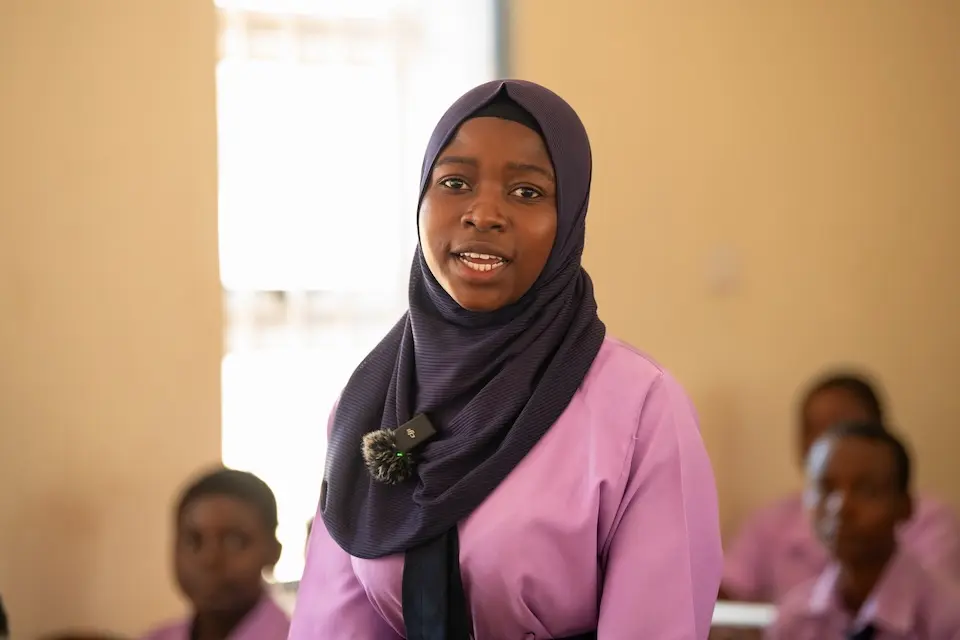
A high school education can help girls reach their full potential
To help more girls stay in school and make their own decisions about their future, The K.I.N.D. (Kids in Need of Desks) Fund offers four-year merit-based scholarships. The scholarship package covers all school fees, transportation, uniforms, school supplies and menstrual hygiene products, along with room and board for boarding school students. Girls also receive mentoring and psychosocial guidance to help them get the most out of their classes.
For girls like Esther, now 18, a K.I.N.D. scholarship has given her hope for a better future. "When I came to Nsalura Community Day Secondary School, my mother said she couldn’t pay anything," says Esther. Her mother told her to drop out, but Esther kept going to class.
"One day, I heard my teacher saying, 'We want girls to apply for the bursary [scholarship],' and I applied," Esther recalls. "After three weeks, I heard that my name was picked. I was happy on that day because it was not easy for me and there was no hope in my life ... The scholarship provides me with everything I need to continue my education.”
Related: The K.I.N.D. Fund Opens Doors to Education in Malawi
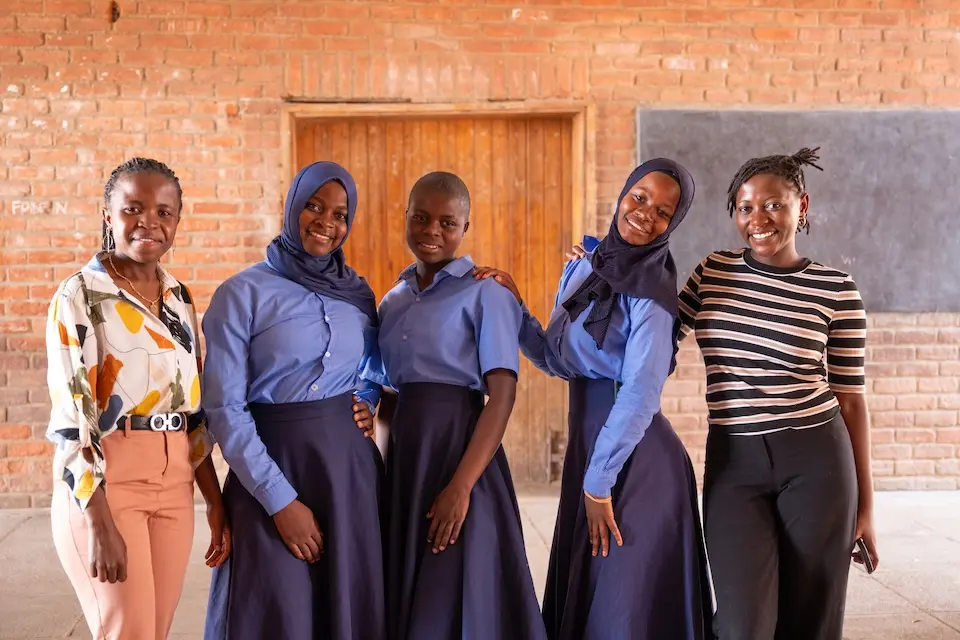
K.I.N.D. Fund alumni inspire the next generation of girls in Malawi
Now in her last semester at Kamuzu University of Health Sciences in southern Malawi, K.I.N.D. Fund graduate Joyce Chisale is a role model for today's high school students. She's planning on a career as a microbiologist, doing medical research.
"The UNICEF scholarship really helped me throughout my secondary school because my father could not afford to pay for my fees as he was earning a low income and he also had to support my other siblings," says Joyce, the third of four children. Her merit-based K.I.N.D. scholarship also made it possible for her family to send her younger brother to high school and university.
There is a saying: If you educate a girl child, you educate the nation. — Damison Senzani, Head Teacher, Chapita Primary School
At Chipoka Secondary School in October, Joyce and six other K.I.N.D. alumnae who are now in college shared their experiences with current K.I.N.D. Fund scholarship recipients. During that meeting, the younger girls got a glimpse of what their futures might hold.
Damison Senzani, Head Teacher at Chapita Primary School, is a firm believer in investing in education for girls. "For the nation to develop, for the community to develop, even for the family to develop, we need to educate the girl child," he says. "When I see a girl child who is not going to school because of school fees, I feel very sorry. There is a saying: if you educate a girl child, you educate the nation."
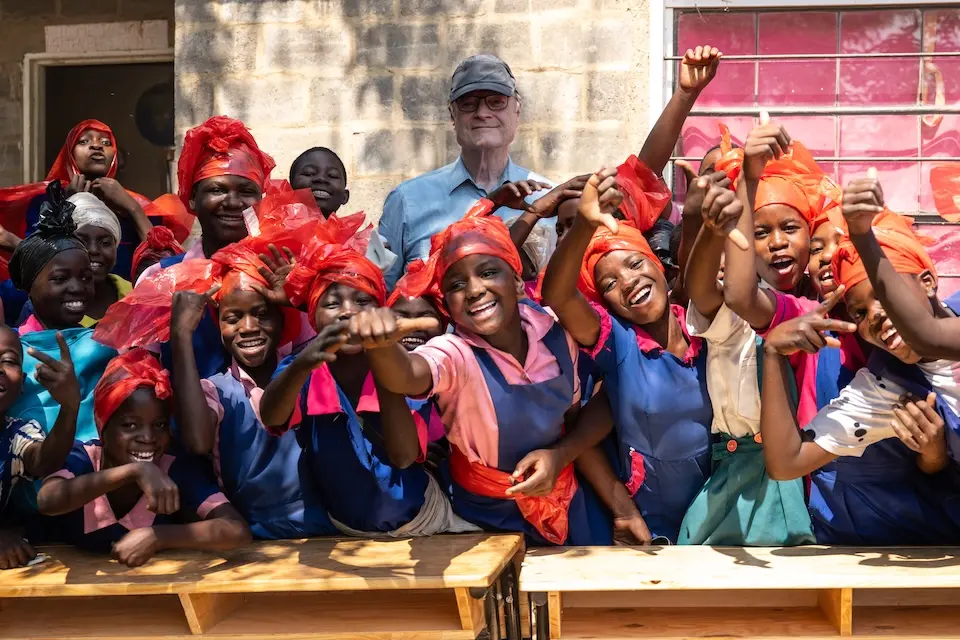
Investing in children's education transforms lives and brightens futures. Families, communities and economies are strengthened. The K.I.N.D. Fund continues to provide students with the support they need to keep learning and thriving. Help children in Malawi reach their full potential. Please donate today.
HOW TO HELP
There are many ways to make a difference
War, famine, poverty, natural disasters — threats to the world's children keep coming. But UNICEF won't stop working to keep children healthy and safe.
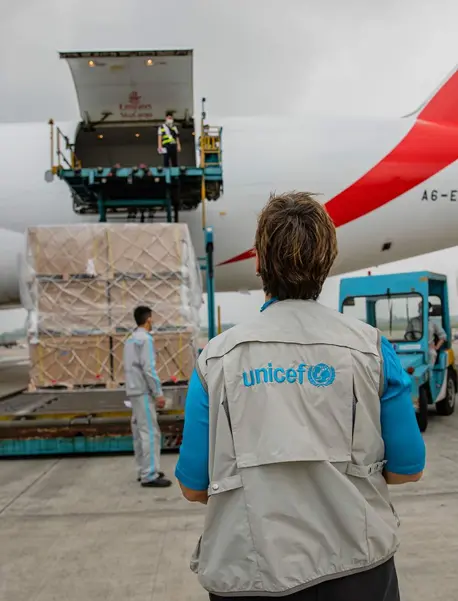
UNICEF works in over 190 countries and territories — more places than any other children's organization. UNICEF has the world's largest humanitarian warehouse and, when disaster strikes, can get supplies almost anywhere within 72 hours. Constantly innovating, always advocating for a better world for children, UNICEF works to ensure that every child can grow up healthy, educated, protected and respected.
Would you like to help give all children the opportunity to reach their full potential? There are many ways to get involved.