Best Charities to Donate to for Children
With so many worthy organizations tackling an endless array of problems, it can be extremely difficult to choose which charity to support. This guide aims to help you think through your decision so you can give with confidence.
The best charities to donate to: How to decide?
When trying to decide which charity to donate to, start with some personal reflection. Which causes do you care most about? What problems do you most wish to solve?
Next, identify the organizations that are actively addressing those issues. Look at mission and program reach. Check for financial transparency. Which ones are holding themselves accountable for results — and can show real impact?
The case for donating to UNICEF
With a presence in over 190 countries and territories and an 80-year history of being in the right place at the right time, UNICEF is ideally suited to meet the challenges of today, as more and more children and families are caught in conflicts, climate disasters and other crises.
For decades, UNICEF has upheld children’s rights to clean water, nutritious food, health care, education and the basic freedoms we can’t imagine children living without. UNICEF won't stop addressing the world's toughest problems until every child has the childhood they deserve.
UNICEF: The best charity for climate change
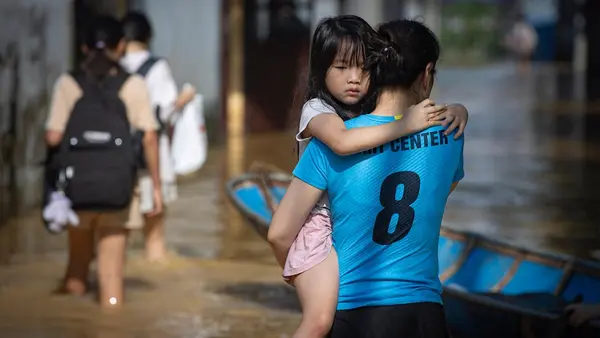
UNICEF works to keep climate change top of mind for governments and policymakers, believing it to be one of the most critical issues facing children today. The rise in climate-related disasters and extreme weather makes this work increasingly important. While children contribute the least to climate change, the most marginalized children are the ones hardest hit by its impacts.
UNICEF works to protect children endangered by climate change during extreme weather events by providing clean, safe water and sanitation, medicine to combat waterborne diseases and other emergency medical supplies as well as educational programs so that in an emergency, like a hurricane, flood, earthquake or drought, children don’t fall too far behind in their learning. UNICEF also promotes education on environmental issues to empower children to become champions of the environment they will inherit.
Learn more about children's climate risks — and UNICEF's response to the climate crisis
Peace
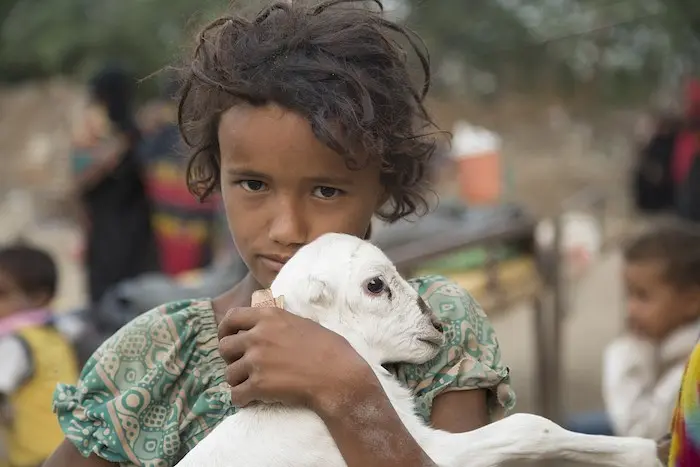
Today, the number of countries with violent conflicts is the highest it has been in 30 years. More than 1 in 5 children in the world are currently living in or fleeing from active conflict zones. Attacks on schools and health facilities in war-torn places like Sudan, Ukraine and Yemen have disproportionately harmed children.
For 80 years, UNICEF has looked after the children forced to live in some of the world's most dangerous places. When fighting destroys children's homes, schools and the community spaces they need to stay healthy and safe, UNICEF steps in to provide clean water, health care, nutrition, protection and learning opportunities.
Learn more about why UNICEF is one of the best disaster relief organizations to donate to
Health
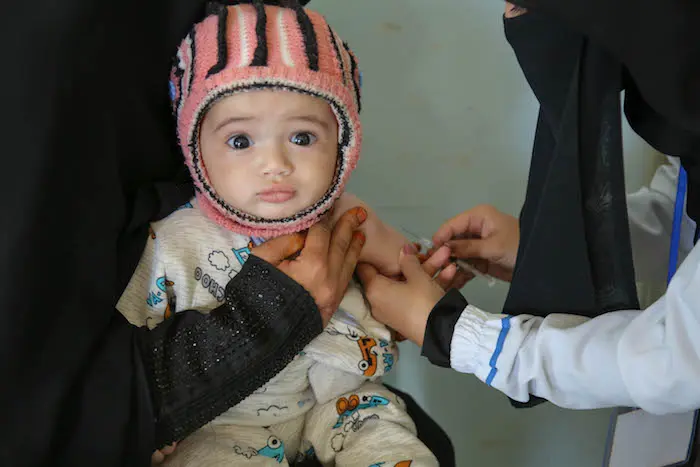
An estimated 15,000 children under the age of 5 die every day from preventable causes. Meanwhile, 50 million displaced children are on the move today, creating serious health threats that can negatively impact their daily lives and their futures.
UNICEF does whatever it takes to protect children’s health, employing tried-and-true interventions like immunization against diseases we can prevent. Every year UNICEF vaccinates 45 percent of the world's children.
Learn more about how UNICEF supports children's health
Charities for Children: Child Protection
Giving to charities that manage child protection cases is one of the best ways to donate in support of children. Grave violations of children's rights are at an all-time high. And they occur in every country, cutting across ethnic and economic lines.
Every seven minutes an adolescent is killed by an act of violence. If current rates prevail, more than 150 million girls will marry before their 18th birthday and 68 million more girls will undergo female genital mutilation by 2030.
UNICEF protects children around the world from violence, exploitation and abuse by working with governments to develop policies that address the risks to children, promoting legislative protections and working on the ground to help children who’ve been assaulted, abused, exploited, trafficked or separated from their parents.
UNICEF helps girls whose families' economic pressures have nearly sacrificed them to child marriage. When schools close and families fall deeper into poverty, UNICEF strengthens child-protection systems to combat child labor.
In 2025 alone, UNICEF and partners reached close to 54 million children and caregivers with mental health and psychosocial support services.
Best Charity to Donate Water
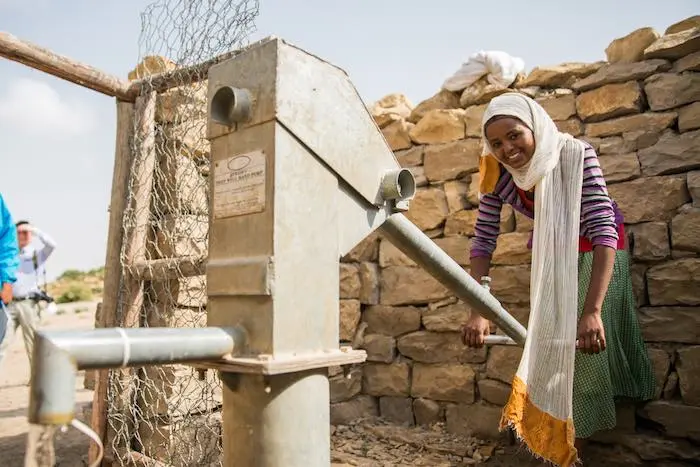
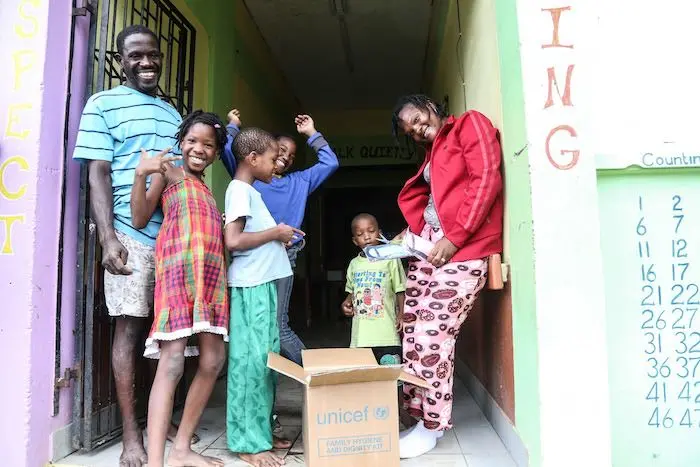
Donating to support UNICEF’s water, sanitation and hygiene programs is a great way to have a significant impact on children’s health and the communities where they live. According to the World Health Organization, for every $1 invested in water and sanitation, there’s an average economic return of at least $4. Programs that help children and families maintain good hygiene are another truly cost-effective way to ward off disease and keep everyone — grownups and kids — in good health.
Since 2014, more than 150 million people in 113 countries have benefited from improved water supplies thanks to UNICEF, which works with governments, community-based organizations and families to ensure children and their families have clean water and sanitation — even during emergencies. UNICEF also improves sanitation and hygiene facilities in schools, which helps keep attendance up and empowers children to take positive steps, like handwashing, to keep themselves and their communities healthy. In 2020, 14.2 million people accessed safe water for drinking, cooking and personal hygiene.
Nutrition
Children can’t survive without proper nutrition, both before they are born and after. Tragically, though, every day, nearly 7,500 children under age 5 die from malnutrition. The numbers who are chronically malnourished are just as sobering. 155 million children — about 1 in 4 worldwide — are chronically malnourished, raising the risks of infection, disease and long-term health risks. Children who are malnourished also have trouble learning, which over the long term can keep them from reaching their full potential. UNICEF safeguards nutrition from a child's first day of life by promoting breastfeeding, her first and best protection from illness and disease. UNICEF also provides pregnant women and children with nutritional supplements and vitamins to keep babies and moms healthy before and after birth. In 2020, UNICEF treated 1.5 million children for severe acute malnutrition.
UNICEF works hard to prevent the conditions that can tip a malnourished child into crisis. But for those who do become severely malnourished, UNICEF has the answer: Ready-to-Use Therapeutic Food, which can literally bring a child back to life.
Education
If you care about education, UNICEF works in 155 countries to give the most marginalized children the chance to learn. What's more, supporting education is one of the smartest investments you can make to improve a child's life. If all students in low-income countries left school with basic reading skills, an estimated 171 million people could be lifted out of poverty, which would be equivalent to a 12 percent reduction in global poverty.
A disadvantaged child who can go to school has a chance to break the cycle of poverty that can grip a family for generations. On average, just one additional year of education can increase a child’s earnings later in life by 10 percent. For that reason alone, supporting education is one of the most meaningful ways to donate to children.
Education is also crucial to empowering girls, who all too often don’t get their fair chance to learn. From 1970 to 2009, the world saw immense reductions in child mortality. An estimated 50 percent of that progress is linked to an increase in the education of girls and young women.
Despite those gains, 263 million children are out of school. Some 63 million children are missing out on their education due to conflict and crisis.
From the safe learning spaces in Yemen to the tent schools of Syria, UNICEF is helping children build the skills they’ll need to forge a better future. In 2025, UNICEF helped tens of millions keep learning, by supporting their schools and teachers, by setting up temporary learning spaces for displaced children and other approaches.
Empowering girls and women through charitable donations
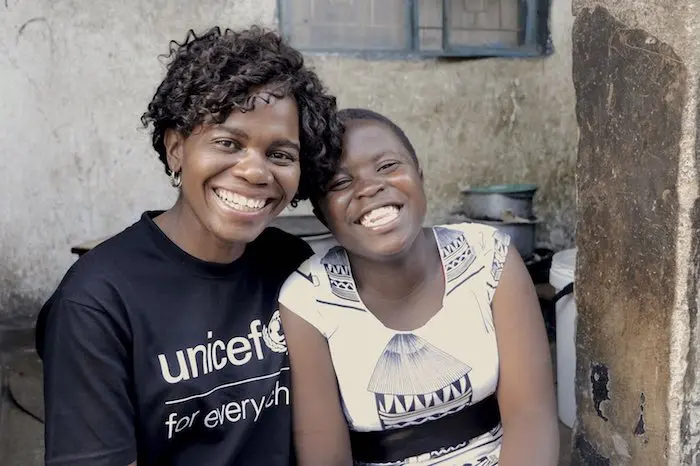
Discrimination against girls can begin at birth. Infant girls are often deprived of both medical care and nutritious food, a dangerous form of discrimination that has contributed to higher mortality rates for girls. Girls’ perceived inferiority in some cultures can also limit their ability to go to school, live free from violence, make autonomous decisions about their lives and, down the line, earn an income that can support them and their children.
When poverty and inequality grows, essential services like health care, education and protection are disrupted. This is especially threatening for girls. UNICEF works with partners to mitigate risks to their health, well-being and futures.
How do I find out if a charity is legitimate?
Before you write a check or provide your credit card details, you'll want to make sure the charity is legitimate and that the maximum amount of your donation will reach those in need. Doing your research will help you feel good about making your charity donations, especially if you are looking to make your gift monthly. Below are a few research tools to help you choose the best charities to donate to:
Four tools for finding the best charities in 2021 to donate to that help children:
IRS Nonprofit Charities Database: Enter the name of any charity you wish to check out into the site's Exempt Organizations Select Check Tool to ascertain its 501(c)(3) tax exemption status, which will tell you whether or not your donation will be tax-deductible.
Charity Navigator: This organization rates charities based on their financial health, accountability and transparency to help prospective donors gauge how efficiently a charity will use their support, its programs' and services' performance over time, and the charity's commitment to accountability and transparency.
UNICEF USA receives the highest ratings for accountability and transparency from Charity Navigator, and our program expense ratio of 84 percent means we are a highly efficient charity, as defined by independent monitors, with the remaining 16 cents going toward fundraising and operating costs. This means that, out of every dollar spent, 84 cents goes directly toward helping children.
Better Business Bureau Wise Giving Alliance: BBB rates organizations according to 20 metrics, including governance and oversight, effectiveness, finances, solicitations and informational materials. Compliance with each standard earns charities one point. Organizations receiving BBB accreditation — like UNICEF USA — score a perfect 20.
Learn more about donating to UNICEF USA and our monthly-giving program
This story may also help you when deciding what is the best charity you can donate to to help children.
HOW TO HELP
There are many ways to make a difference
War, famine, poverty, natural disasters — threats to the world's children keep coming. But UNICEF won't stop working to keep children healthy and safe.
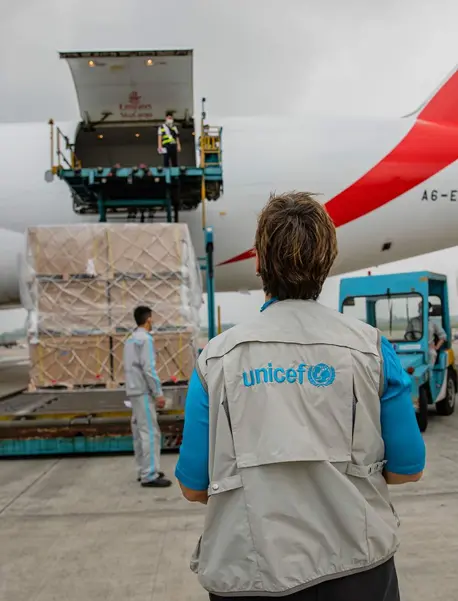
UNICEF works in over 190 countries and territories — more places than any other children's organization. UNICEF has the world's largest humanitarian warehouse and, when disaster strikes, can get supplies almost anywhere within 72 hours. Constantly innovating, always advocating for a better world for children, UNICEF works to ensure that every child can grow up healthy, educated, protected and respected.
Would you like to help give all children the opportunity to reach their full potential? There are many ways to get involved.