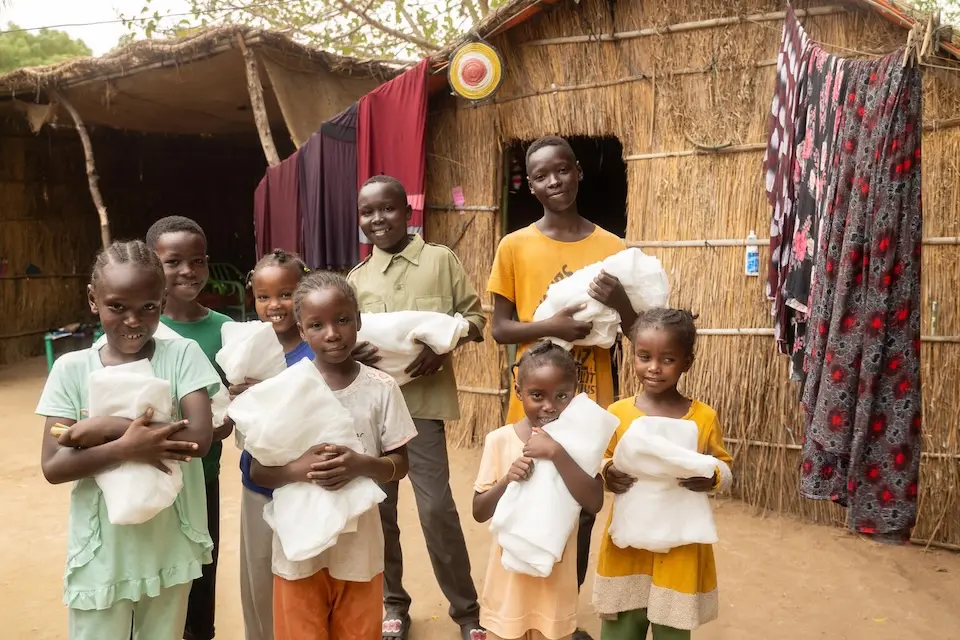
Back Home, Still Unsafe: Supporting Sudan's Returnees
Some 1.2 million people displaced by the Sudan war have returned to homes in Khartoum, Blue Nile and other central states — arriving only to find devastated infrastructure, lack of basic services and ongoing protection risks. UNICEF is there providing assistance, but more support is needed.
Sudan remains mired in one of the world’s gravest humanitarian emergencies.
Since the conflict erupted in mid-April 2023, it has triggered the world’s largest displacement crisis, decimated infrastructure, pushed vast areas of the country into famine conditions and contributed to diseases outbreaks.
Roughly 7.7 million people were displaced internally within Sudan in the last two years, while another 4 million-plus individuals fled to neighboring countries.
But many displaced families are starting to return home — some 1.2 million have made their way back to Sudan's central region, including Blue Nile State — arriving only to find devastated infrastructure, lack of basic services and ongoing protection risks.
UNICEF is there, delivering for children and families in health, nutrition, education and child protection. But more support is needed.
How UNICEF Supports Children in Sudan
Watch the video:
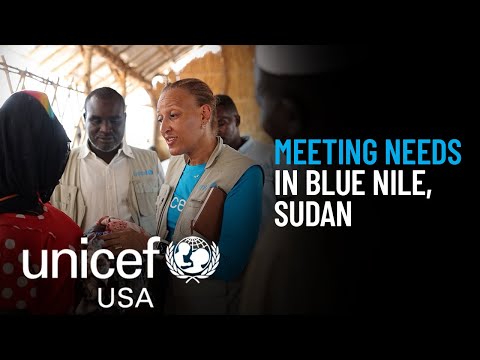
Impact of UNICEF's ongoing emergency response across Sudan
UNICEF has been on the ground in Sudan since the beginning of the crisis, delivering lifesaving assistance to affected children and families.
Humanitarian access to central states has significantly improved, yet remains severely constrained in hotspot areas, mainly North Darfur, South, and West Kordofan states, due to insecurity and bureaucratic delays.
Khartoum and other states in central Sudan continue to face critical challenges, including a cholera outbreak, a collapsed health system and continued disruptions in and limits on humanitarian response capacities.
UNICEF maintains active partnerships with key local partners — particularly national NGOs operating in high-risk areas — and UNICEF technical teams have been deployed to coordinate humanitarian response efforts and provide essential support to partners.
To ensure continued presence in these critical areas, UNICEF has also recruited a number of field extenders to monitor and oversee activities supported by UNICEF in remote locations.
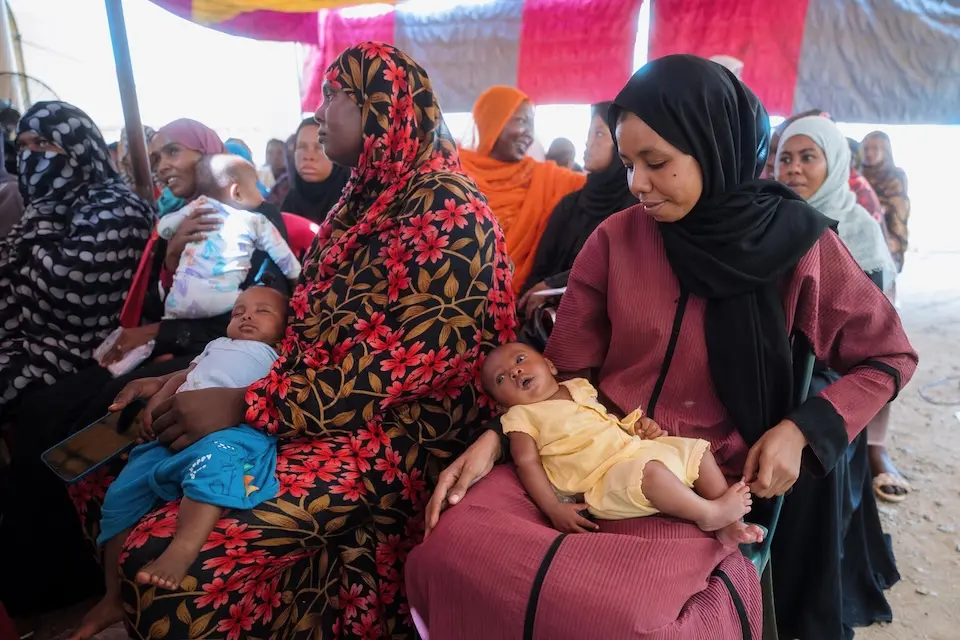
In the first six months of 2025, according to a mid-year situation report, UNICEF:
- provided lifesaving treatment to over 198,000 children suffering from severe acute malnutrition across affected regions
- supported nutrition screening for 3.8 million children across 88 localities through routine and integrated campaigns
- helped some 219,000 12th-grade students sit the national exam on June 29 — including students from states previously excluded due to insecurity
- delivered 7.6 million doses of oral cholera vaccines to support the emergency response to the ongoing cholera outbreak and support distribution to multiple health service points — reaching over 6.1 million people with protection against the vaccine-preventable waterborne disease
- strengthened cholera treatment capacity by delivering 767 Acute Watery Diarrhea (AWD) kits to cholera-affected and high-risk areas
- supported large-scale immunization campaigns to address other disease outbreaks and gaps in routine services; a measles and rubella outbreak prompted catch-up vaccination campaigns in Aj Jazirah and South Kordofan, reaching 1.3 million children aged 9 months to 15 years, achieving a 93 percent coverage rate in those states
For more details about UNICEF's humanitarian action in Sudan from Jan. 1 through June 30, 2025, read the full report.
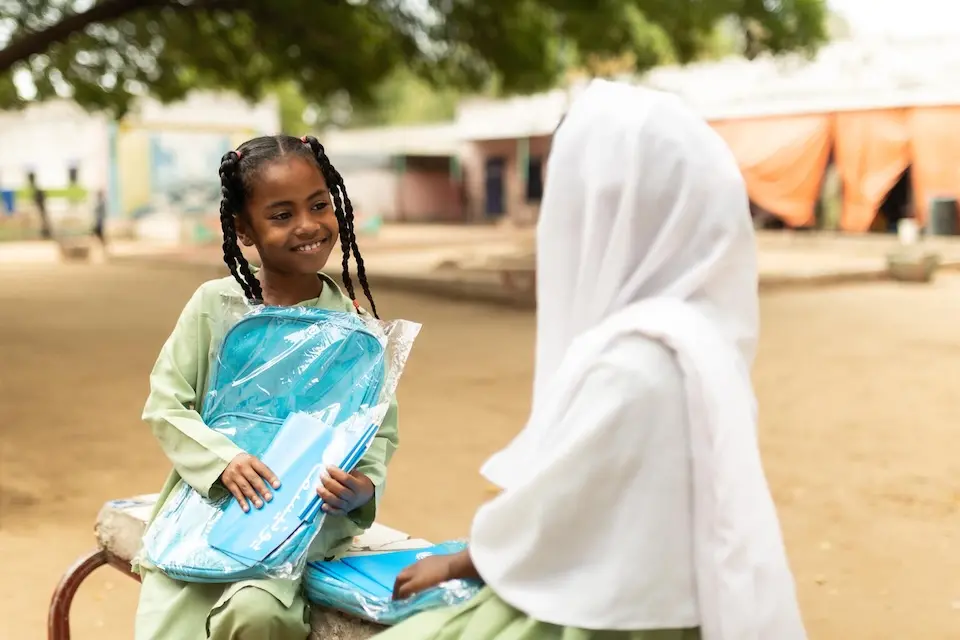
UNICEF continues to appeal for donor support to expand emergency assistance in Sudan as the response faces a 62 percent funding gap. Your unrestricted donation can help UNICEF reach more children in need in Sudan and around the world.
HOW TO HELP
There are many ways to make a difference
War, famine, poverty, natural disasters — threats to the world's children keep coming. But UNICEF won't stop working to keep children healthy and safe.
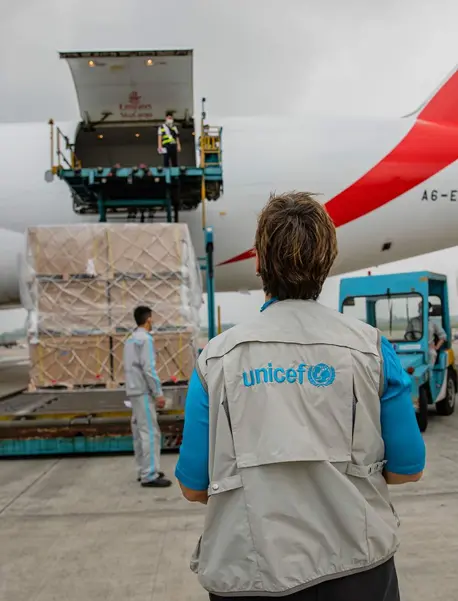
UNICEF works in over 190 countries and territories — more places than any other children's organization. UNICEF has the world's largest humanitarian warehouse and, when disaster strikes, can get supplies almost anywhere within 72 hours. Constantly innovating, always advocating for a better world for children, UNICEF works to ensure that every child can grow up healthy, educated, protected and respected.
Would you like to help give all children the opportunity to reach their full potential? There are many ways to get involved.