Nelson Mandela Day: Remembering a Champion For Children
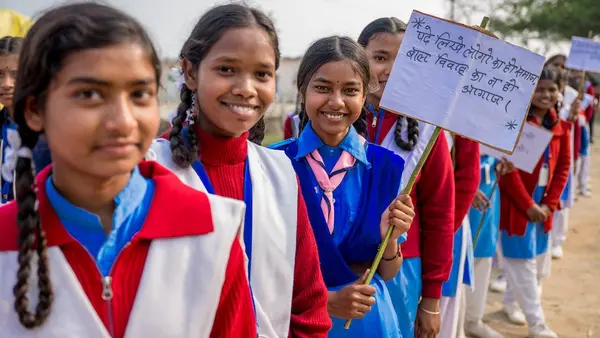
On July 18th, the world observes Nelson Mandela International Day, a UN-recognized occasion honoring a life spent fighting for equality, justice and the right of every child to learn.
On Nelson Mandela Day, UNICEF USA remembers the life and work of this renowned anti-apartheid activist, the first democratically elected Black African President of South Africa and a winner of the Nobel Peace Prize.
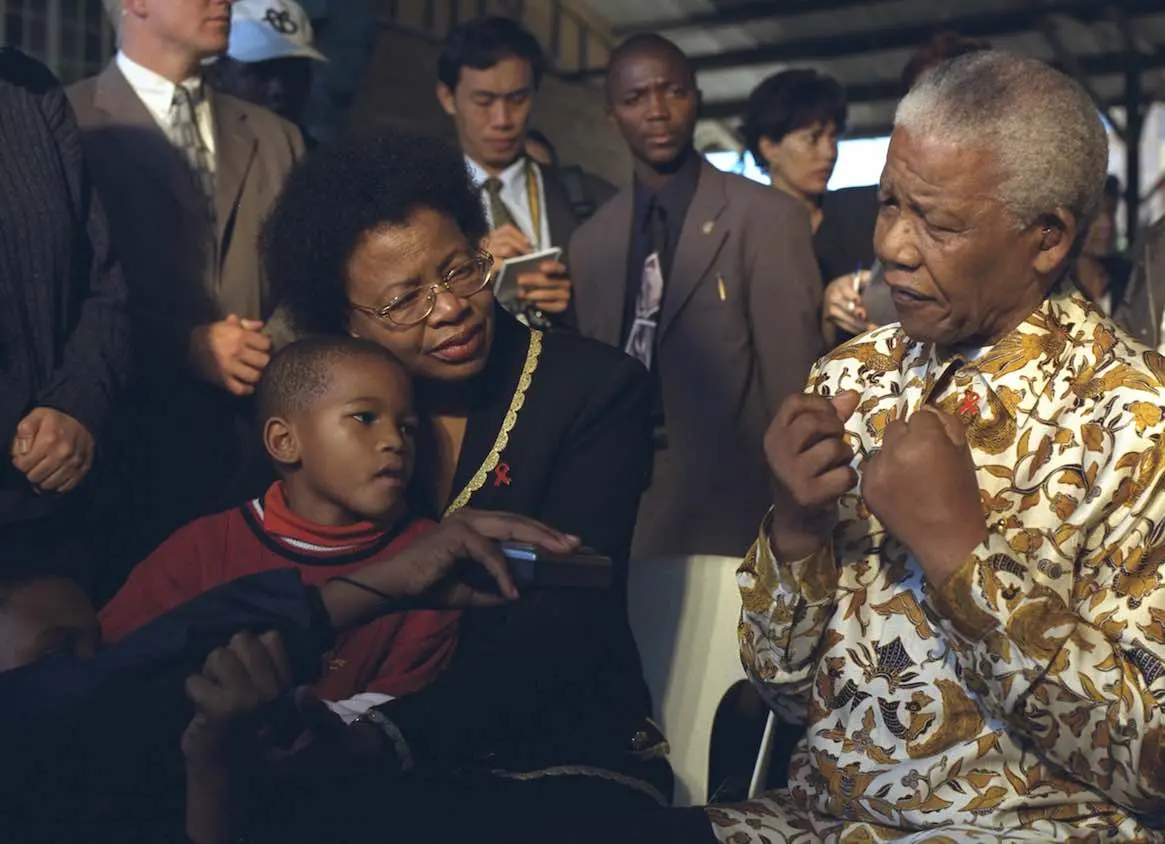
For UNICEF, Nelson Mandela Day is more than a commemoration. It marks the life of a man who believed that children are the most important asset in any country. Mandela put that belief into action through the Schools for Africa campaign, a joint initiative between the Nelson Mandela Foundation and UNICEF that has reached more than 30 million children across 13 countries.
Mandela's belief in children’s education continues to be an inspiration. His conviction that education is the most powerful weapon for changing the world continues to drive UNICEF's work in classrooms, communities, and countries worldwide — and UNICEF USA's dedication to supporting that work.
Learn more about what UNICEF does for children's education in Africa and worldwide
Who was Nelson Mandela?
Nelson Mandela was born on July 18, 1918, in Mvezo, a small village in South Africa's Eastern Cape. From his earliest years, he lived under a system built to limit what Black South Africans could achieve. He became one of the very few Black South Africans of his generation to earn a bachelor’s degree, and at the University of Witwatersrand’s law school in the 1940s, he was the only Black African student in his classes.
These early experiences laid the foundation for a lifetime of advocacy. Mandela became the foremost leader of the anti-apartheid movement, a world-renowned peacemaker and statesman. He won the Nobel Peace Prize in 1993 and served as the President of South Africa following the nation's first multiracial democratic elections.
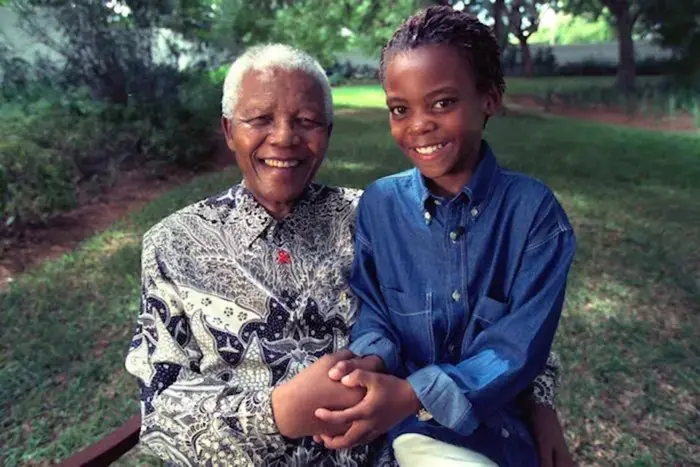
Mandela's commitment to children ran through all of his life's achievements. And he did not only advocate of equal rights in his own country. He was also a champion of children’s rights worldwide. His vision for ensuring access to quality education for all children is especially important now, when gender disparity, poverty and armed conflict continue to keep hundreds of millions of children out of school.
Children are the most important asset in a country. — Nelson Mandela
Mandela’s passion for both education and children grew in part from his own personal experiences and his struggle with inequality in South Africa. His commitment to education, and to children, only deepened with his activism.
After being imprisoned for his opposition to apartheid in 1962, Mandela reflected that the nearly 30 years he spent in jail without being able to see his own children was "one of the most severe punishments prison life can impose, because children are the most important asset in a country.”
In 1999, as Mandela stepped down after a single term as South Africa’s president, Mandela established the Nelson Mandela Foundation “to promote freedom and equality for all.”
The partnership with UNICEF to improve African children's access to education launched in 2004, inspired by Mandela's belief that, as he famously said, "Education is the most powerful weapon you can use to change the world."
Education is the most powerful weapon you can use to change the world.
In an early Schools for Africa campaign message, Mandela appealed for support for the initiative: "Together we can build more schools and equip them sufficiently," he said in his video message. "Let us together help raise the next generation of educated African leaders."
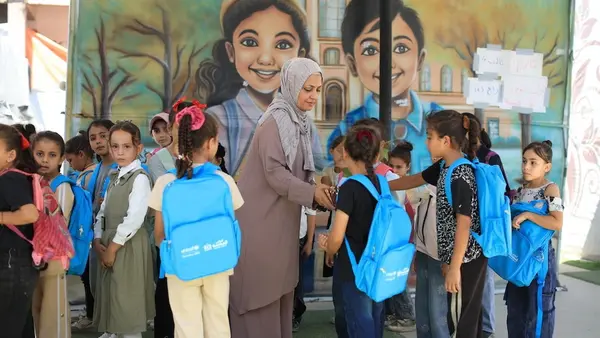
Schools for Africa supported efforts to build and furnish schools, supply students with school materials, train teachers, facilitate school access for the most disadvantaged — especially girls and marginalized children — and provide access to clean water, which many students lacked at home.
Together, these efforts reflected Mandela's belief that children's education was inseparable from access to basic rights — and that every child should be educated regardless of poverty, gender or circumstance.
UNICEF's work to create child-friendly schools and advance equity in education is a continuation of the mission Mandela championed.
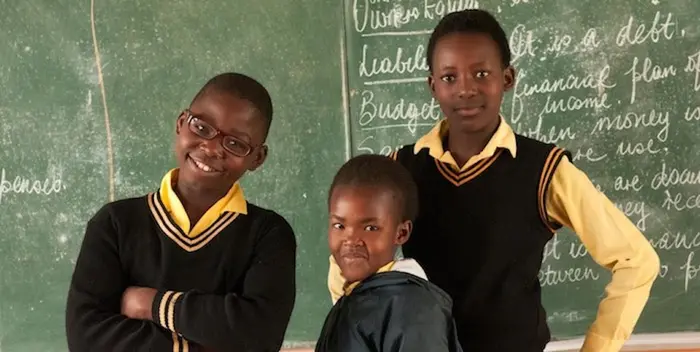
Since launch, Schools for Africa has helped ensure access to education for 30 million children. Usher, one boy from Guinea-Bissau, benefited directly from the Schools For Africa program. Because of a disability, Usher's family feared he would never get an education. But that changed with the establishment of a child-friendly school in Usher's village.
“I thank God that he has this chance to go to school,” Usher's grandmother Néné said. “He is clever and now he is able to look after himself.”
Learn more about Schools for Africa
Frequently asked questions about Mandela’s work for children
What is Nelson Mandela International Day?
Nelson Mandela International Day, or Mandala Day, is observed on July 18 and honors Nelson Mandela’s life, leadership and commitment to equality, education and human rights. For UNICEF USA, the day is also a reminder of Mandela’s belief that every child deserves the chance to learn and thrive.
Why was Nelson Mandela a champion for children?
Nelson Mandela believed that children are one of a country’s most important assets. His advocacy for equality and education helped inspire efforts to expand access to quality learning opportunities for children, especially those facing poverty, discrimination, disability or conflict.
What was Mandela’s connection to UNICEF?
Mandela’s foundation partnered with UNICEF on the Schools for Africa campaign, which has supported quality education for 30 million children across 13 African countries by helping to build schools, train teachers, provide supplies and improve access for disadvantaged children. These priorities are deeply entrenched in UNICEF's ongoing mission supporting children's education worldwide.
What are Nelson Mandela Day activities?
The United Nations designates July 18 as a global day of service, encouraging people to give 67 minutes of their time in honor of Mandela’s 67 years of public service. Nelson Mandela Day activities include volunteering at schools or community centers, reading to children, supporting children’s charities, and donating to organizations like UNICEF USA that continue Mandela’s mission of ensuring every child has access to quality education and a brighter future.
HOW TO HELP
There are many ways to make a difference
War, famine, poverty, natural disasters — threats to the world's children keep coming. But UNICEF won't stop working to keep children healthy and safe.
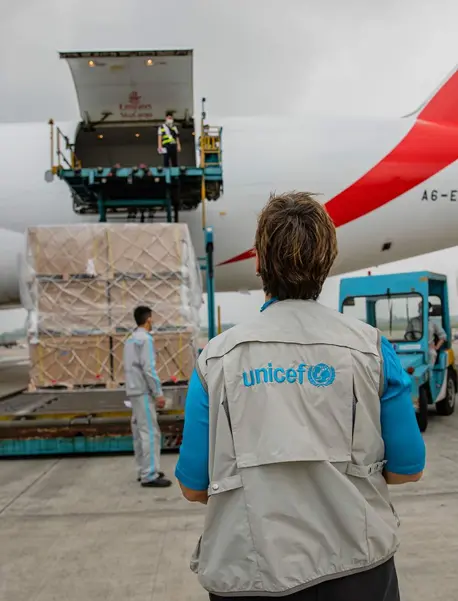
UNICEF works in over 190 countries and territories — more places than any other children's organization. UNICEF has the world's largest humanitarian warehouse and, when disaster strikes, can get supplies almost anywhere within 72 hours. Constantly innovating, always advocating for a better world for children, UNICEF works to ensure that every child can grow up healthy, educated, protected and respected.
Would you like to help give all children the opportunity to reach their full potential? There are many ways to get involved.