10 Emergencies That Need More Support in 2026
Highlights
- Deepening instability, famine and extreme weather endanger children's lives and cut off access to the basic services they rely on
- UNICEF knows how to reach children caught in emergencies around the world
- Massive cuts to humanitarian funding are straining UNICEF's core protection and support programs
- More donor support is urgently needed to fund UNICEF's lifesaving and life-changing work for children
UNICEF is working around the clock to support children in emergencies, but more resources are urgently needed. Here's how to help.
Around the world, children caught in conflict and disaster face challenges they didn’t create and cannot control. Their lives are being uprooted by violence, the threat of famine and extreme weather. In many places, the essential services children need to survive — like health care and education — have failed or are inaccessible.
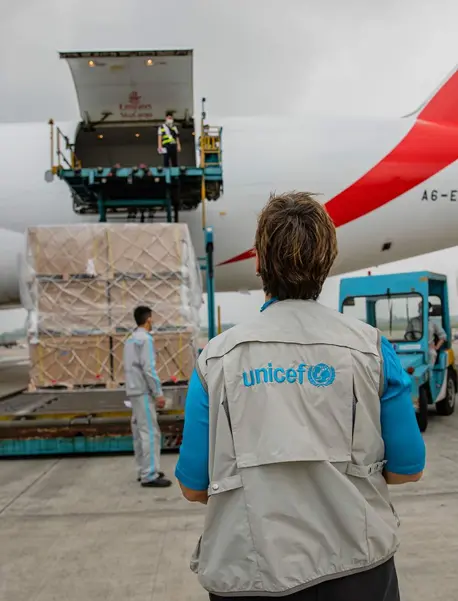
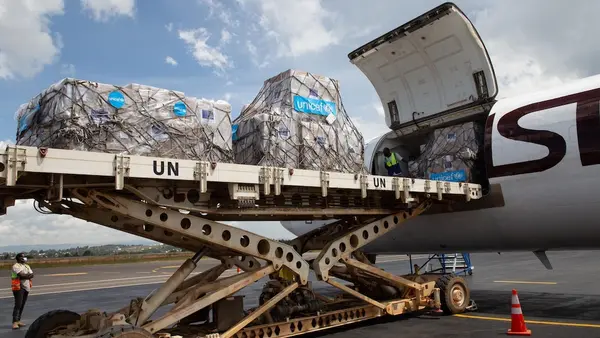
UNICEF knows how to reach these children. Whether it’s delivering lifesaving supplies, creating safe spaces to learn or providing safe water, UNICEF is on the ground to assist families in the greatest need.
But even as children's needs have soared, the funding situation remains bleak. Massive cuts to humanitarian funding are putting UNICEF’s core protection and support programs under strain, as children face deepening instability around the world. Across UNICEF nutrition programming alone, a 72 percent funding gap in 2025 forced cuts in 20 priority countries. Here are 10 emergency contexts that must not be overlooked in 2026:
Afghanistan | Bangladesh | Burkina Faso | Colombia | Haiti
Latin America | Myanmar | Somalia | South Sudan | Syrian refugee response
1. Afghanistan
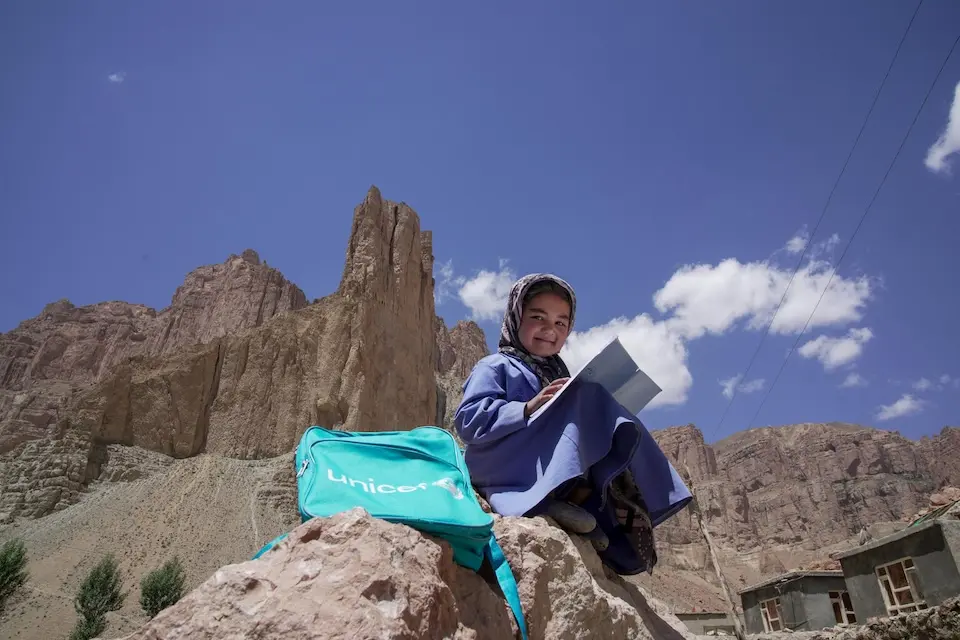
Humanitarian needs in Afghanistan are intensifying amid frequent natural disasters, economic decline and regional instability. Meanwhile, restrictions on women and girls, coupled with reduced funding, have deepened protection risks and left families reeling.
Throughout 2025, UNICEF supported essential services across all 34 provinces, including a network of clinics, mobile health teams and community health workers to reach families in underserved communities. This support allowed UNICEF to expand lifesaving vaccinations and screen hundreds of thousands of children for severe acute malnutrition, ensuring that those at the highest risk received the care they needed. UNICEF also supports programs such as the First Foods Initiative, which provides hard-to-reach families with the tools and information they need to improve the diets of young children — a lifetime-lasting investment in children’s futures.
In 2026, UNICEF’s work in Afghanistan includes:
Scaling up access to health care: Ensuring 12 million people have access to health care in priority provinces
Supporting education access: Reaching more than 5.5 million children in public education with emergency education support
Preventing childhood blindness and disease: Providing vitamin A supplementation for almost 10 million children to provide vital protection from blindness and decrease children’s risk of dying from preventable causes such as measles and diarrhea
Learn more about UNICEF's work for children in Afghanistan
2. Bangladesh
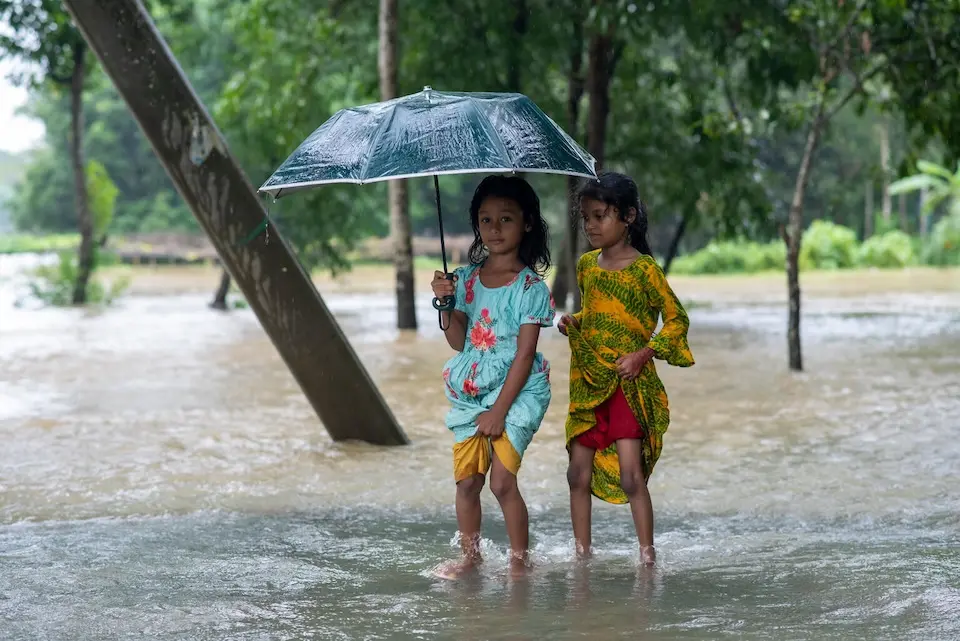
Bangladesh faces a ‘double emergency’ of a protracted refugee crisis and intensifying climate-driven disasters. An estimated 4.4 million people require humanitarian assistance, including 1.2 million Rohingya refugees living in the world’s largest refugee settlement. The lack of durable solutions and escalating conflict in neighboring Myanmar continue to drive new displacement and further strain already overstretched services. Beyond the camps, millions of Bangladeshi children face a relentless cycle of extreme weather that routinely disrupts their education and threatens their access to safe water and health care.
Despite funding cuts in 2025, UNICEF continued to deliver education services for Rohingya refugees and host community children in Cox’s Bazar and Bhasan Char, including building the first fire-resistant and climate-resilient school in the refugee camps to support safe learning for children.
In 2026, UNICEF’s work in Bangladesh includes:
Expanding access to essential health care: Ensuring more than 450,000 children and women can access primary health care services through UNICEF-supported facilities
Combatting child malnutrition: Screening over 320,000 children for wasting — the most immediate, visible and life-threatening form of malnutrition. Children with wasting are too thin and their immune systems are weak, leaving them vulnerable to developmental delays, disease and death
Protecting children from violence and distress: Providing community-based mental health and psychosocial support to over 670,000 children, adolescents and caregivers
Learn more about UNICEF's work for children in Bangladesh
3. Burkina Faso
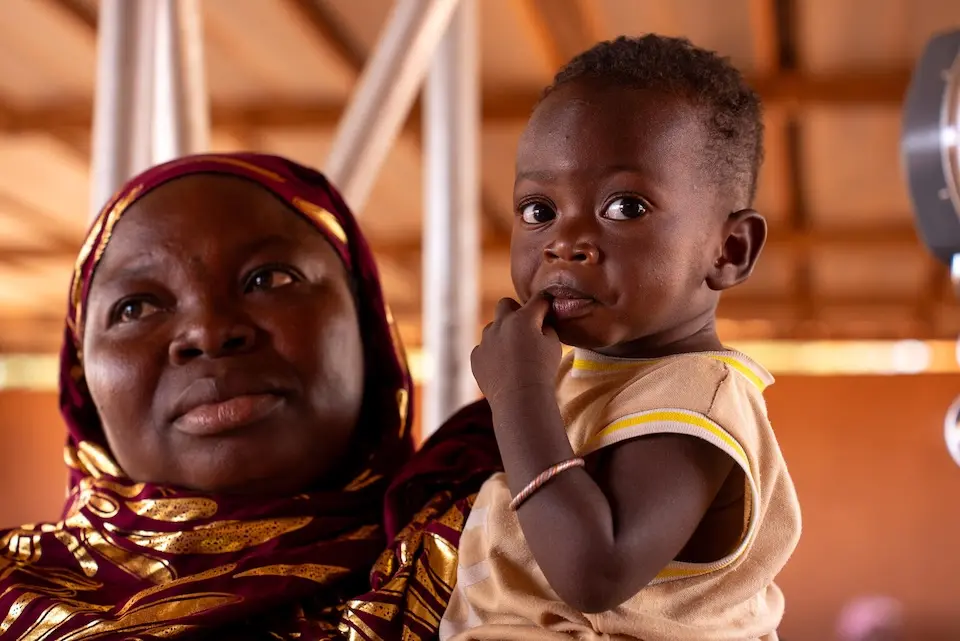
Burkina Faso is facing a severe humanitarian crisis. Years of conflict, combined with extreme weather events such as flash flooding, have forced families from their homes. Today, more than 2.9 million children in the country are in urgent need of assistance.
Despite access to schools and health facilities remaining limited as a result of ongoing insecurity, UNICEF continued to support community-based health, nutrition and education initiatives to support vulnerable families in 2025, including through thousands of community health workers, who are often the only health care providers in crisis-affected areas. UNICEF also distributed nutrition supplies, while UNICEF and partners helped hundreds of thousands of children in need of humanitarian assistance access formal and non-formal education.
In 2026, UNICEF’s work in Burkina Faso includes:
Lifesaving nutrition: Providing specialized treatment for almost 150,000 children suffering from severe wasting
Mental health support: Ensuring 800,000 children and their caregivers have access to community-based mental health care
Safe water and hygiene: Providing 640,000 people with a reliable supply of safe water to protect them from deadly waterborne diseases
Supporting education access: Ensuring 650,000 children can access formal or non-formal education, including early learning
Learn more about UNICEF's work for children in Burkina Faso
4. Colombia
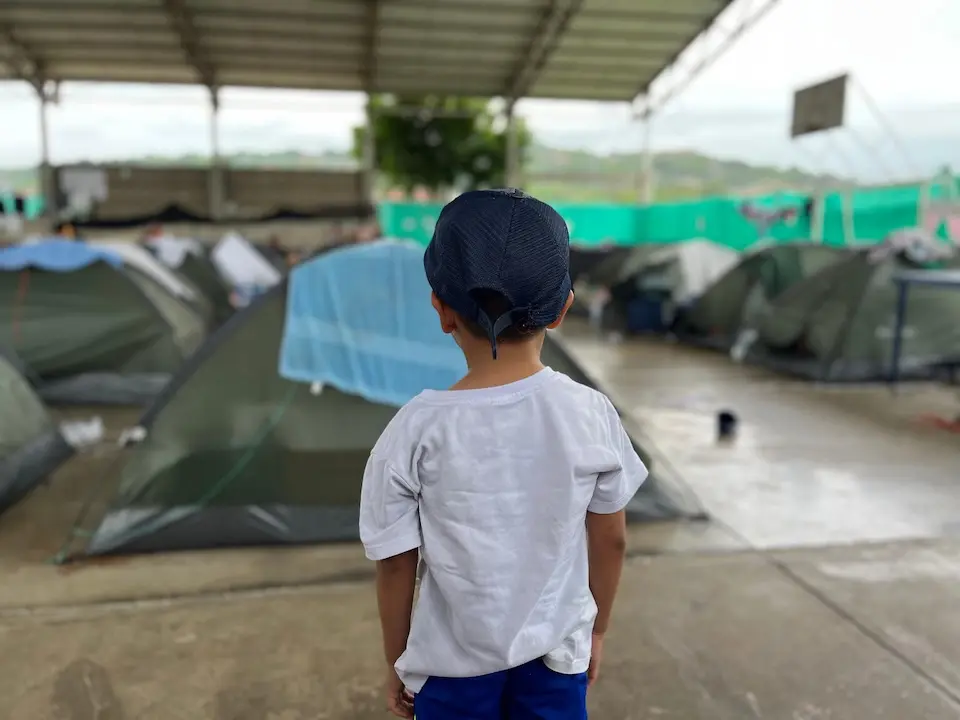
Armed conflict, complex migration flows and disasters have left some 3.7 million children in Colombia requiring humanitarian assistance. The situation deteriorated sharply in 2025 as the country’s decades-long armed conflict intensified, with a child recruited into armed groups every 20 hours and schools increasingly caught in the crossfire. The prolonged violence and loss of access to essential services have disrupted education, leaving more than 900,000 children out of school across the country.
Despite the immense challenges, UNICEF continued to deliver lifesaving support throughout 2025. Tens of thousands of children and adolescents were reached with critical water, sanitation and hygiene (WASH) supplies, as well as nutritional support including micronutrient powder. As the number of incidents involving anti-personnel mines and unexploded ordnance have soared in Colombia, UNICEF has worked with teachers and local partners to strengthen mine and explosive ordnance risk education in schools and communities.
In 2026, UNICEF’s work in Colombia includes:
Supporting continued learning: Enabling more than 144,000 children to access formal or non-formal education, including early childhood services and psychosocial support for students and teachers in conflict-affected zones
Protecting children from violence and distress: Reaching 58,000 children and caregivers with community-based mental health and psychosocial support
Ensuring access to safe water and sanitation: Providing around 40,000 people with a sufficient quantity and quality of safe water and critical hygiene supplies. In coordination with local emergency committees and partners, UNICEF will restore essential services and build community capacity for timely and lifesaving responses
Learn more about UNICEF's work for children in Colombia
5. Haiti
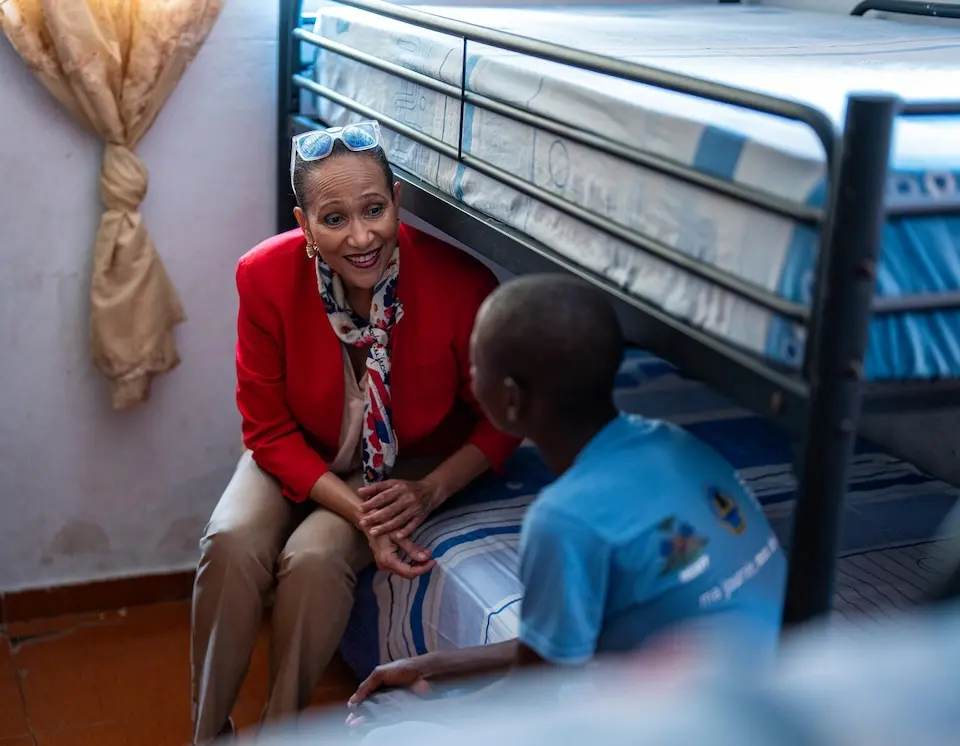
Haiti is grappling with a polycrisis as escalating armed violence, collapsing basic services and recurring climate disasters push children to the brink. Around 2.6 million children require humanitarian support. With armed groups controlling most of metropolitan Port-au-Prince, children and their families are trapped in a cycle of terror and their access to fundamental rights has been severed.
Throughout 2025, UNICEF and partners worked amid significant security constraints to reach hundreds of thousands of children with nutrition screenings and vitamin A supplementation. UNICEF also worked with partners to ensure that thousands of learners could access formal and non-formal education, including vocational training to empower young people with the skills they need for the workplace.
In 2026, UNICEF’s work in Haiti includes:
Expanding access to essential health care: Ensuring more than 636,000 children and women can access primary health care services through UNICEF-supported facilities and mobile clinics
Combatting child malnutrition: Screening more than 610,000 children for wasting
Protecting children from violence and distress: Reaching 400,000 children and caregivers with community-based mental health and psychosocial support, while prioritizing services for survivors of gender-based violence and children formerly associated with armed groups
Learn more about UNICEF's work for children in Haiti
6. Children on the move and armed violence in Latin America
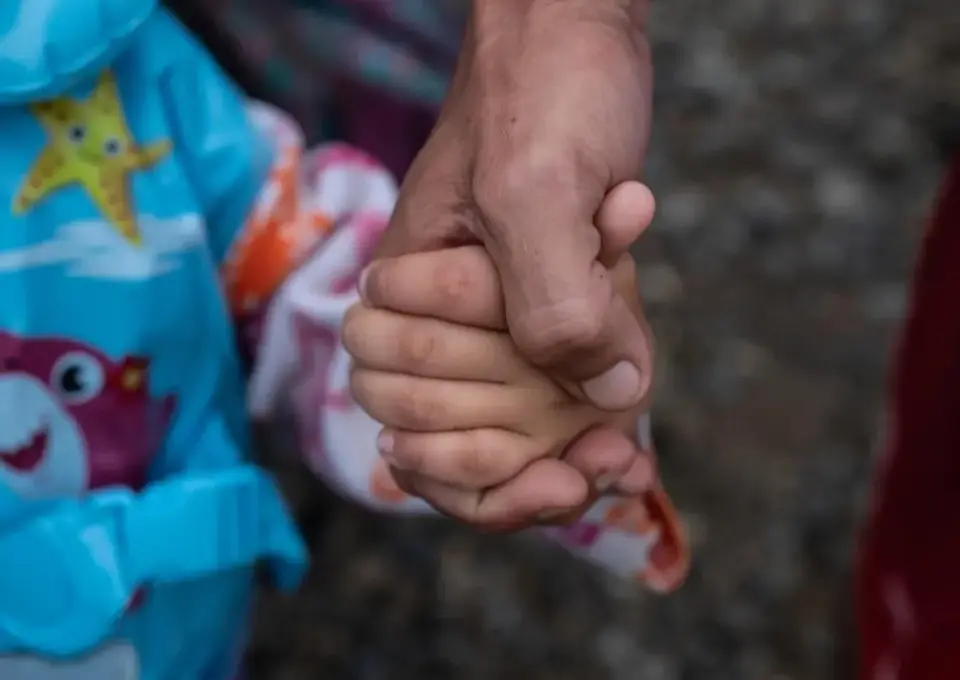
In 2026, almost 4 million children and adolescents in Latin America and the Caribbean will need humanitarian assistance due to the combined impacts of armed violence and unsafe migration. Migrants and displaced children are increasingly at risk of exploitation, family separation, recruitment by armed groups and psychological distress. Meanwhile, countries across the region are facing unprecedented numbers of fatalities due to armed violence, with 1 in 10 deaths the result of homicide.
Despite the volatile conditions, UNICEF and partners continued to deliver lifesaving support in 2025, providing hundreds of thousands of children with psychosocial care, nutrition screenings and essential hygiene supplies, while adapting services to meet the needs of families on both northbound and an increasing number of southbound journeys.
In 2026, UNICEF’s work in Latin America includes:
Expanding access to essential health care: Ensuring around 290,000 children and women can access primary health care services through UNICEF-supported facilities
Protecting children from violence and distress: Providing community-based mental health and psychosocial support to around 470,000 children, adolescents and caregivers
Ensuring access to safe water and sanitation: Reaching more than 640,000 people with a sufficient quantity and quality of safe water
7. Myanmar
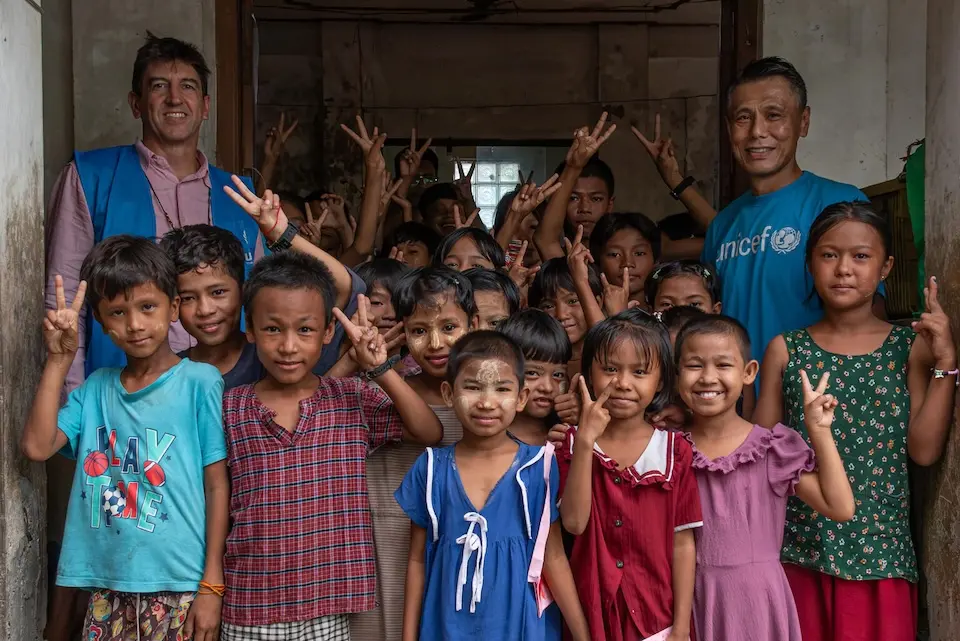
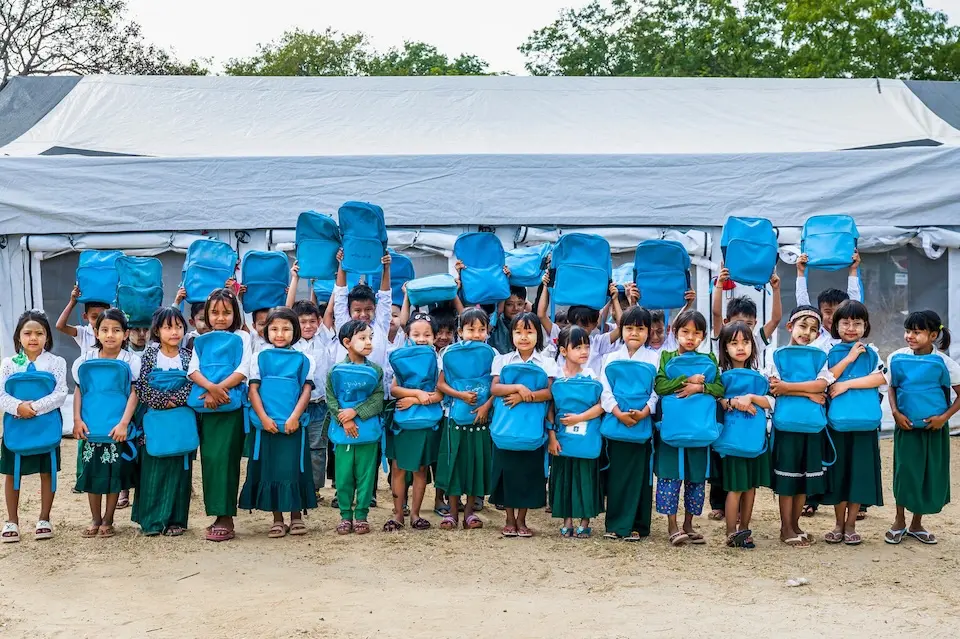
Children in Myanmar are facing a complex and deteriorating crisis driven by conflict, displacement and economic instability. A devastating earthquake and numerous aftershocks in March 2025 intensified an emergency that had already left more than 6.5 million children in need of humanitarian assistance.
In 2025, UNICEF worked closely with community partners to deliver immediate relief. Following the earthquake, UNICEF provided lifesaving medical kits, tents, temporary water supplies and nutrition products to the hardest-hit areas, and distributed thousands of learning packages and roofing sheets for temporary learning spaces. In addition, UNICEF helps empower communities in Myanmar to combat climate change, including through youth-driven reforesting projects.
In 2026, UNICEF’s work in Myanmar includes:
Distributing essential supplies: Reaching 1 million people with WASH supplies
Bolstering health care: Helping 600,000 children and women access primary health care in UNICEF-supported facilities
Investing in learning: Supporting 18,000 educators and facilitators with training and/or incentives
Learn more about UNICEF's work for children in Myanmar
8. Somalia
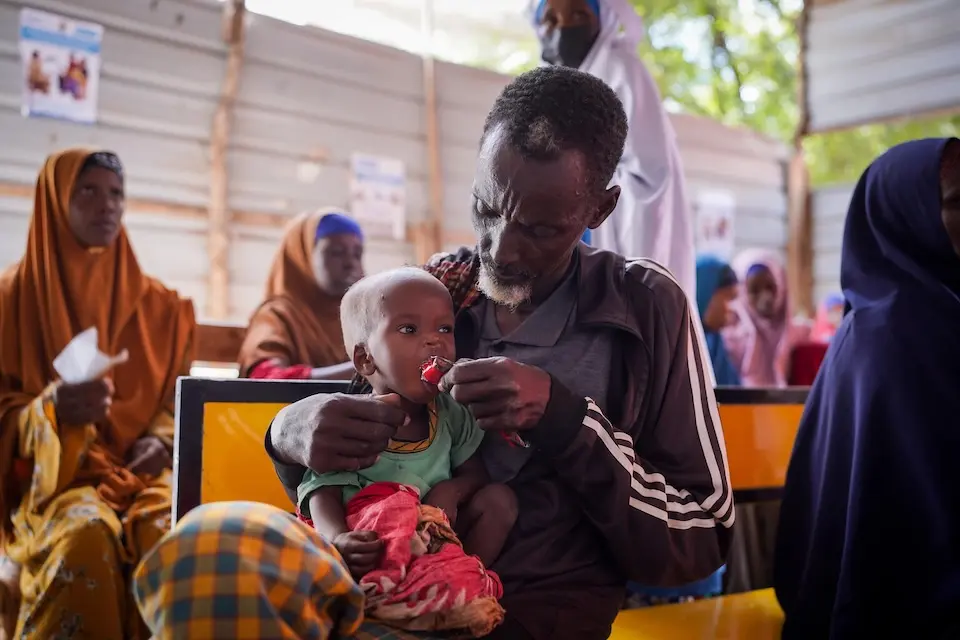
Climate-related shocks and a fragile security and political environment will likely leave an estimated 3 million children in need of humanitarian assistance in 2026. Meanwhile, low vaccination coverage, poor WASH conditions and gender barriers to health care have driven epidemics and communicable diseases across Somalia.
Despite significant funding constraints, UNICEF sustained critical humanitarian operations in 2025, reaching tens of thousands of vulnerable children and their families with lifesaving services in priority districts, with a focus on fostering community-based solutions. In collaboration with its local partners, UNICEF is also spearheading the gradual rollout of a newly developed curriculum tailored to the unique needs of adolescent girls, helping them to step into spaces of learning, leadership and empowerment.
In 2026, UNICEF’s work in Somalia includes:
Expanding lifesaving health care: Ensuring 815,000 children and women can access primary health care services — a critical priority as the country’s health system faces a potential 35 percent reduction in functioning facilities in 2026 due to extreme funding shortfalls
Treating severe child wasting: Providing lifesaving therapeutic treatment for 420,000 children suffering from severe acute malnutrition
Safeguarding children from violence: Providing community-based mental health and psychosocial support to 116,000 children and caregivers. This work includes specialized case management for survivors of gender-based violence and the reintegration of children formerly associated with armed groups
Learn more about UNICEF's work for children in Somalia
9. South Sudan
South Sudan is grappling with a complex set of overlapping crises — including ongoing conflict, a deepening economic downturn and relentless floods — that have left around 5 million children requiring urgent humanitarian assistance. The ongoing crisis in neighboring Sudan has put further strain on South Sudan, particularly on already fragile health, education and social service systems.
Throughout 2025, UNICEF continued to deliver lifesaving support to children and families across the country including essential primary health care services and lifesaving treatment for severe wasting. To help combat the root causes of malnutrition, UNICEF’s cash plus program empowered mothers to move beyond survival and toward financial independence. By combining nutrition services with cash transfers and other support, the program helped women start small businesses, such as vegetable farming, enabling them to provide for their families and earn cash to buy food items that aren’t available at home.
In 2026, UNICEF’s work in South Sudan includes:
Expanding access to essential health care: Ensuring 720,000 children and women can access primary health care services through UNICEF-supported facilities and outreach
Combatting child malnutrition: Admitting 530,000 children with severe wasting for lifesaving treatment
Protecting children from violence and distress: Providing community-based mental health and psychosocial support to 90,000 children and caregivers
Learn more about UNICEF's work for children in South Sudan
10. Syrian refugee response
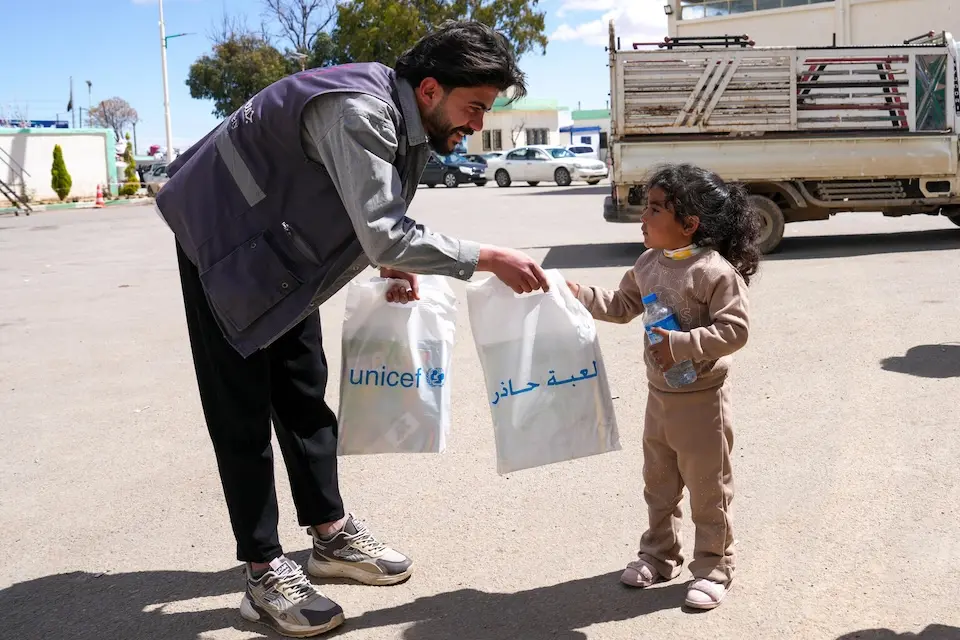
Fifteen years into the Syrian crisis, the situation remains one of the world’s largest displacement emergencies, with millions of children requiring humanitarian assistance across Egypt, Jordan, Lebanon and Türkiye. While host governments have shown immense generosity, years of protracted displacement combined with slow economic growth and high debt and inflation continue to strain host countries’ capacity to provide essential services.
In 2025, UNICEF continued to deliver integrated services to millions of children and families across the region even as it adapted its approach to the evolving context in Syria. This included providing critical primary health care and immunization and maintaining essential water and sanitation services in both camp and host-community settings while also supporting areas where children and families are returning. With the start of the new academic year in 2025, UNICEF also continued to support returnees and children with disabilities to access inclusive, quality education. In Aleppo, for example, UNICEF and partners ran awareness sessions to promote inclusive schooling, recognizing that access to formal education for many children with disabilities remains limited.
In 2026, UNICEF’s work for Syrian refugees includes a focus on sustaining lifesaving assistance while strengthening conditions for safe return, reintegration and recovery, including:
Expanding access to essential health care: Ensuring more than 656,000 children and women can access primary health care services through UNICEF-supported facilities
Ensuring the right to education: Reaching 1.2 million children with access to formal or non-formal education, including early learning programs and vocational pathways for adolescents
Providing safe water and sanitation: Reaching 1.4 million people with a sufficient quantity and quality of safe water and essential hygiene services
A dual approach: Combining humanitarian response with systems strengthening, working with authorities to rebuild essential services, strengthening social cohesion and supporting durable solutions for displaced children and families
This story was adapted from UNICEF.org
HOW TO HELP
There are many ways to make a difference
War, famine, poverty, natural disasters — threats to the world's children keep coming. But UNICEF won't stop working to keep children healthy and safe.
UNICEF works in over 190 countries and territories — more places than any other children's organization. UNICEF has the world's largest humanitarian warehouse and, when disaster strikes, can get supplies almost anywhere within 72 hours. Constantly innovating, always advocating for a better world for children, UNICEF works to ensure that every child can grow up healthy, educated, protected and respected.
Would you like to help give all children the opportunity to reach their full potential? There are many ways to get involved.