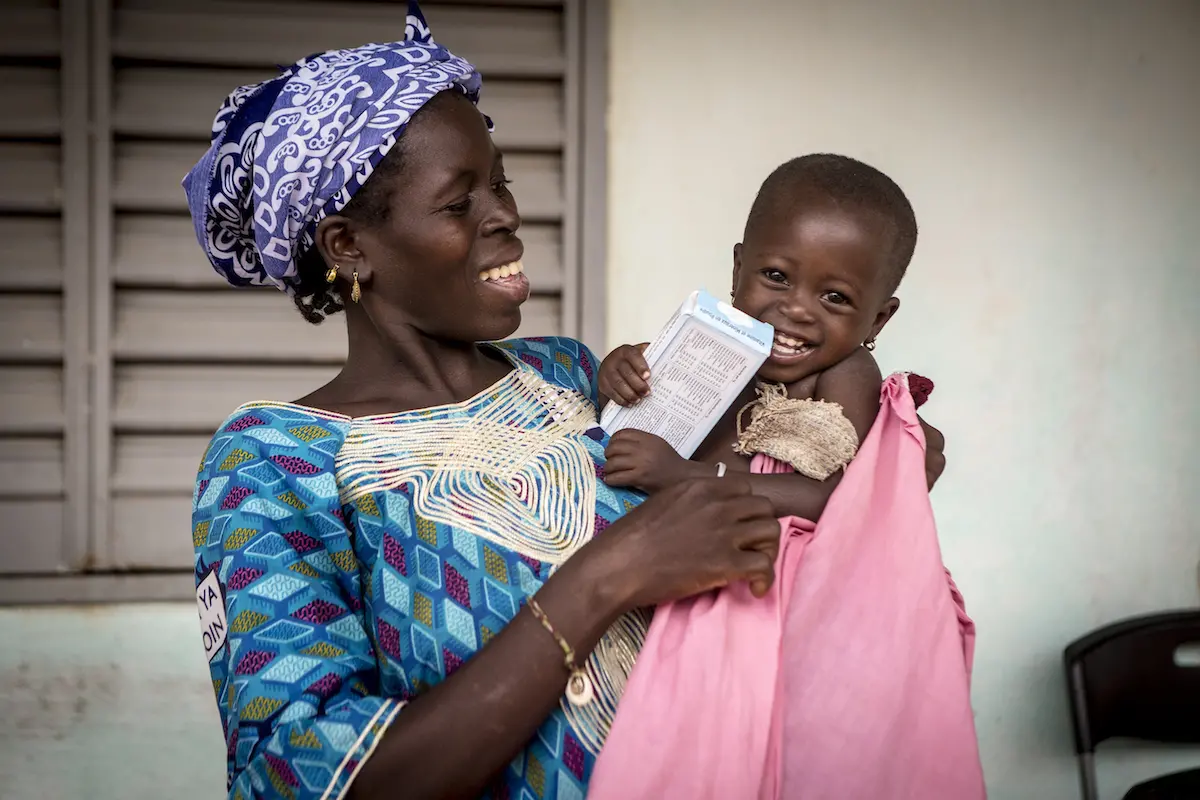
To Improve Kids' Nutrition, a Little Sprinkle Goes a Long Way
Micronutrients in powdered form have long been an important part of UNICEF's global strategy to improve childhood nutrition. Here's how they're used to help fight hidden hunger in children around the world.
The role of micronutrient powders in preventing malnutrition in children, women and adolescent girls
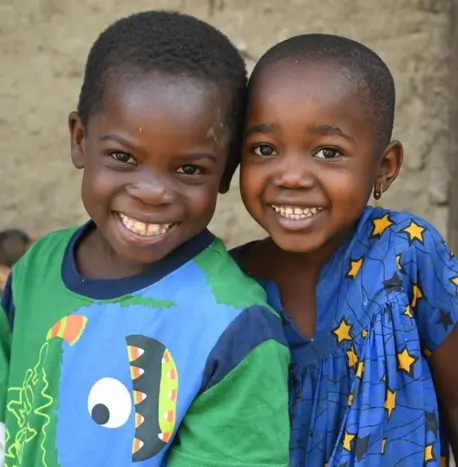
Over 190 million children under age 5 worldwide suffer from undernutrition, often called hidden hunger.
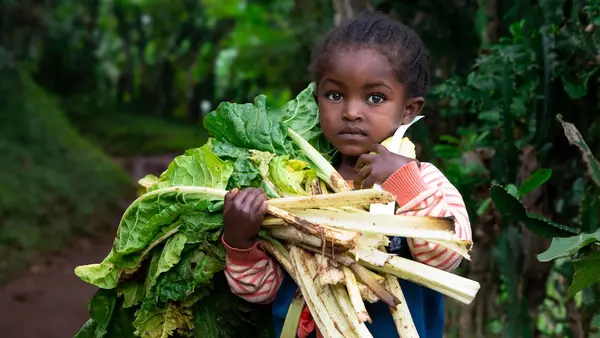
They are not necessarily going hungry; they are undernourished because they are not consuming a sufficient variety of foods to ensure healthy growth and development. Their diets lack certain essential nutrients that are the building blocks of healthy brains, bones and bodies.
When young children aren't getting enough nutritious foods packed with vitamins or minerals, they are more likely to become sick from ordinary infections. Cognitive development is delayed.
The damage from a micronutrient deficiency happens gradually, and so can be difficult to detect until it is too late. It must be remedied early.
Tackling Malnutrition: How UNICEF Fights Child Hunger
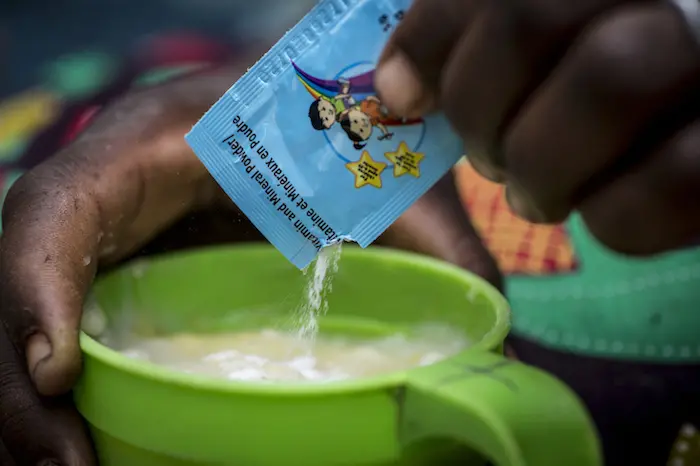
One way UNICEF works to address this issue in vulnerable children is by providing micronutrient powders. A shelf-stable additive, the powders are an easy way for parents to fortify their children's meals at home. Each packet contains a sprinkling of 10 vitamins and five minerals, including Vitamin A, C and B12, plus folic acid, iron, zinc and iodine — all essential nutrients that kids need to grow up healthy.
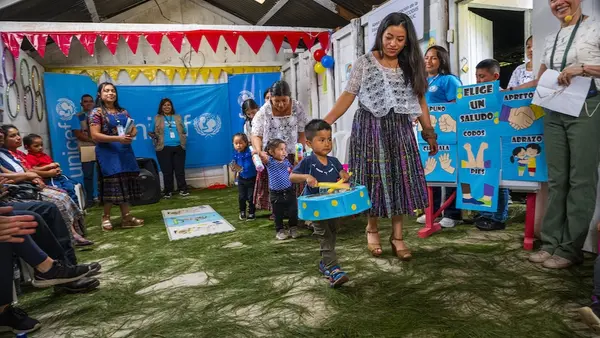
The powders are procured and distributed by UNICEF as part of child malnutrition prevention programs worldwide. Supplying them works in tandem with other strategies such as counseling families on better feeding practices.
The powders are also useful for preventing anemia in adolescent girls and women — protecting their health and the health of their future children.
Inside Look at UNICEF's Response to Nutrition Crisis for Women and Girls
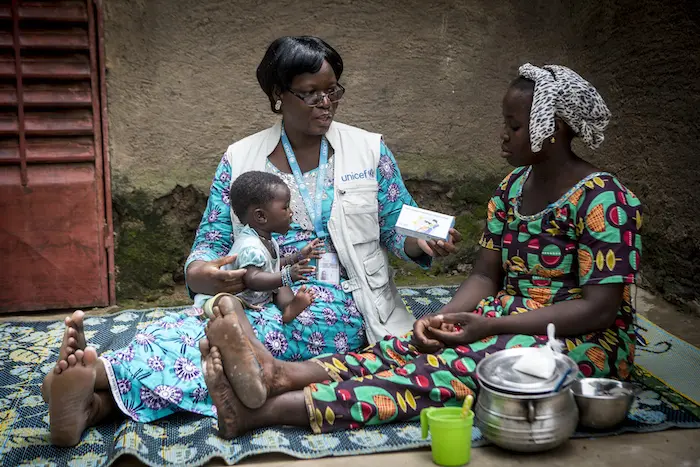
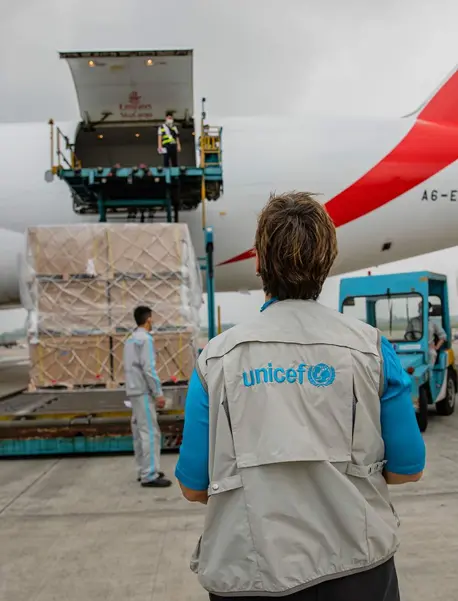
One of the most cost-effective tools in the nutrition toolbox, micronutrient powders are also often among the first items UNICEF's Supply division prepositions ahead of a storm or other natural disaster where an emergency response is imminent. Stored at room temperature and with a shelf life of two to three years, the powders are easy to distribute and dispense: simply open, sprinkle and stir.
For severe, acute cases of malnutrition, there is ready-to-use therapeutic food (RUTF), a protein-rich peanut paste known as the "miracle food" for its ability to bring children back from the brink of starvation. UNICEF is also a strong advocate of early and exclusive breastfeeding to give babies their best start in life.
What is Ready-to-Use Therapeutic Food?
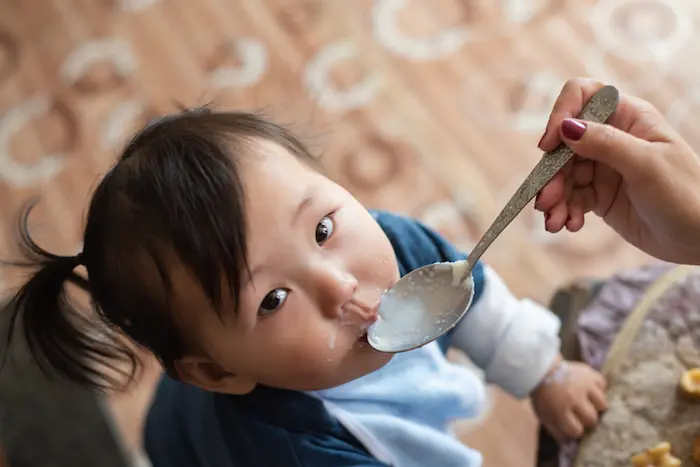
The greatest burden of all forms of malnutrition is shouldered by children and young people from the poorest and most marginalized communities, perpetuating poverty across generations.
Every Child Nourished: a UNICEF commitment
HOW TO HELP
There are many ways to make a difference
War, famine, poverty, natural disasters — threats to the world's children keep coming. But UNICEF won't stop working to keep children healthy and safe.
UNICEF works in over 190 countries and territories — more places than any other children's organization. UNICEF has the world's largest humanitarian warehouse and, when disaster strikes, can get supplies almost anywhere within 72 hours. Constantly innovating, always advocating for a better world for children, UNICEF works to ensure that every child can grow up healthy, educated, protected and respected.
Would you like to help give all children the opportunity to reach their full potential? There are many ways to get involved.