Why Earth Day Matters for Children
While the world takes a moment to consider the health and future of Mother Earth, UNICEF reminds supporters of the urgent needs of vulnerable children and families who are already suffering the worst effects of climate change — and who need urgent help now.
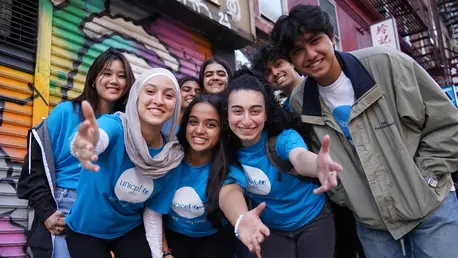
UNICEF stands with children and youth to call for urgent climate action
The Earth Day 2026 theme, “Our Power, Our Planet,” emphasizes the importance of collective action from communities, educators and families in driving environmental progress. It highlights the need to move beyond high-level commitments and toward everyday actions that support renewable energy, sustainability and resilience.
UNICEF supports this vision as part of its response to the climate crisis, working to meet the growing needs of vulnerable children and families already experiencing the impacts of climate change today.
Since the first Earth Day over a half century ago, progress has been made to protect the environment. Yet children continue to face disproportionate harm from climate change and environmental degradation, and in many places, those impacts are worsening.
Learn more about how UNICEF works with partners to mitigate the impacts of climate change on children and help communities build resilience to climate shocks
The origins of Earth Day
Various people deserve credit for the founding of Earth Day. Morton S. Hilbert, an environmentalist and University of Michigan professor emeritus of public health, is one.
In 1968, Hilbert and the U.S. Public Health Service organized the Human Ecology Symposium to educate students about the environmental dangers to their health. That symposium helped catalyze a campaign Hilbert and a group of students pursued over the next two years to get what became the first Earth Day off the ground.
The Santa Barbara Oil Blowout, a massive oil spill off the coast of California in 1969, was what propelled then Wisconsin Senator Gaylord Nelson to take action. Inspired by the energy of the students anti-war movement, Nelson announced a teach-in on college campuses to the national media and enlisted Denis Hayes, a young activist, as organizer.
The date was set for April 22 to coincide with students' spring break. But once the plan was broadened to engage all Americans, the concept drew national attention and a groundswell began to form around the day.
Where does the name Earth Day come from?
A wide range of organizations and faith-based groups came on board and national media picked up the developing story. What had begun as a teach-in turned into a national day of protest and was renamed Earth Day.
On April 22, 1970, a remarkable 10 percent of the U.S. population (some 20 million Americans) took to the streets in hundreds of cities to protest the environmental damage that had already been done and to demand immediate action to safeguard the planet.
And they got results: the U.S. government responded with meaningful protection measures. The Clean Air Act was passed and the Environmental Protection Agency was created that same year. The Clean Water Act followed in 1972, then the Endangered Species Act in 1973.
But as report after report from scientists have shown, the climate keeps changing — rapidly — with humans directly responsible.
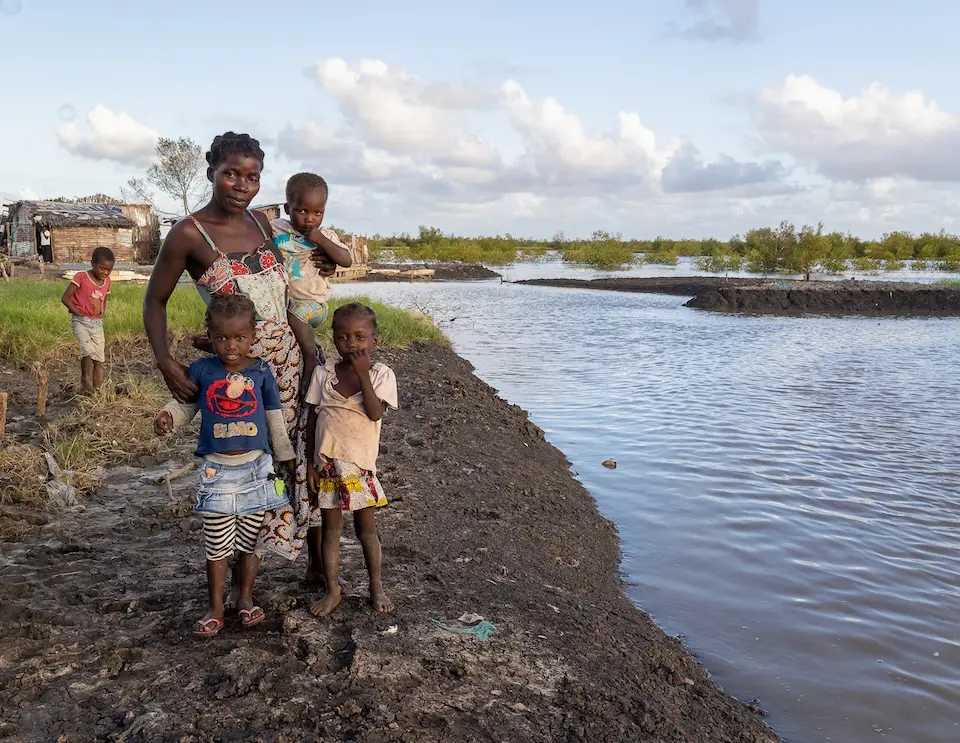
Children in countries least responsible for climate change face greatest risks from the impacts
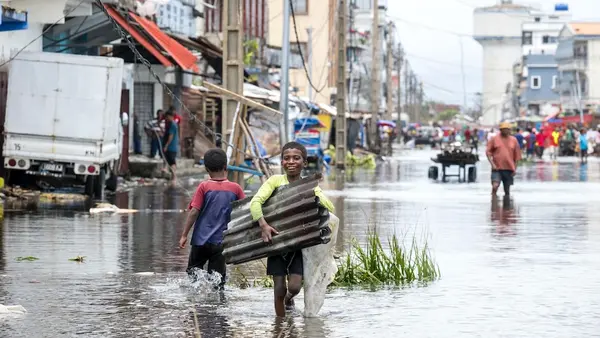
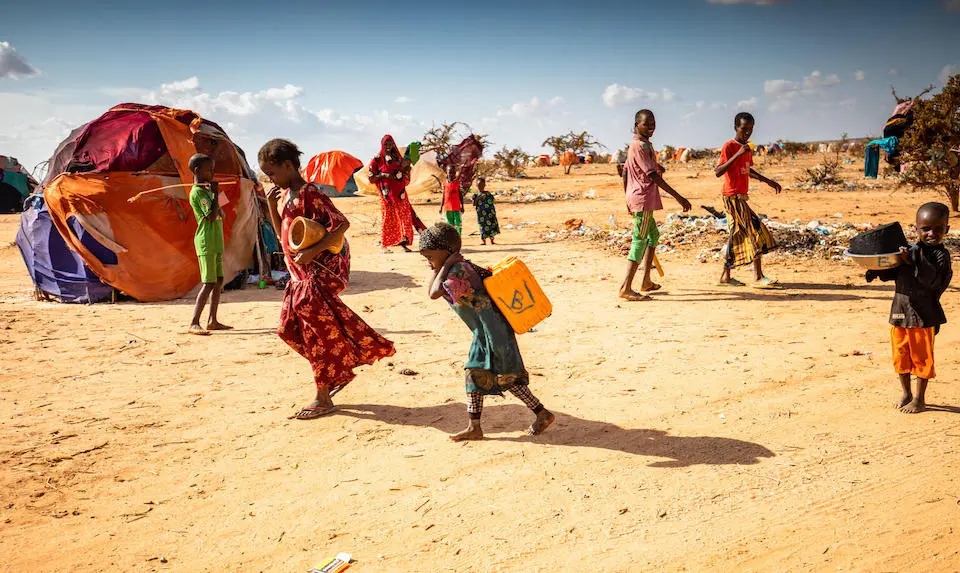
Climate shocks continue to devastate vulnerable communities and countries around the world. Severe drought in the Horn of Africa created a food and malnutrition crisis impacting millions of children, while triggering waves of migration and spikes in violence. Record-breaking monsoon rains resulted in catastrophic flooding in Pakistan in 2022, bringing danger and disease to millions of already vulnerable children and families. Hundreds of millions of children continue to breathe toxic air, making pollution a major contributing factor in the deaths of about 600,000 children under age 5 every year.
According to UNICEF's own global analysis, virtually every child in the world is already exposed to disruptive and damaging impacts of climate change — with about half of all children, or approximately 1 billion, living in 33 countries where climate risks are extremely high — countries with a deadly combination of high exposure to climate hazards and insufficient services to help them cope, countries that are least responsible for climate change in the first place, collectively emitting just 9 percent of global CO2 emissions.
Children and young people will inherit the impacts of climate change — impacts which threaten the life-support systems that make the world habitable. Mitigating these impacts and adapting to them will be critical.
UNICEF's call to action on climate and children aims to spur efforts to build resilience and protect child lives and futures.
Protect, prepare, prioritize: strategies for climate action
For UNICEF, Earth Day is an opportunity to highlight the need for urgent action and renew its call for each country to work to:
- Protect every child — making sure that critical social services children rely on — water, sanitation and hygiene, health, education, nutrition and child protection — are climate sensitive and climate resilient
- Prepare every child — educating children about climate change, teaching green skills and knowledge needed to reduce disaster risks and providing opportunities for children to participate in climate action
- Prioritize children — making sure climate adaptation and resilience building efforts are adequately funded or financed
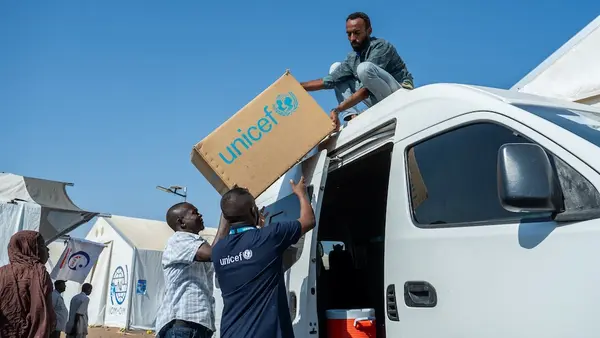
UNICEF continues to meet emergency needs of children and families caught in climate-induced emergencies while working with partners to accelerate adaptation and mitigation measures.
What can we do for Earth Day?
To commemorate Earth Day 2026, you can make a difference by joining UNICEF USA in calling on the U.S. Government to protect children and young people from climate change by incorporating the following practices into U.S. foreign assistance programs and policies:
- financing and enhancing the adaptation and resilience of services children depend upon most, such as water, health, education and nutrition
- reducing emissions and pollution
- developing child-centric climate change response plans
- empowering children as agents of change by including them in decision-making on climate change programs and policy
Climate change undermines many basic human rights, but especially those of the world’s children. For UNICEF, there is no greater threat to children’s rights than the climate crisis.
But children have UNICEF, working around the world to help communities and countries adapt to climate impacts and mitigate their risks — and providing emergency relief when climate disasters strike.
Frequently asked questions about Earth Day
What is Earth Day?
Earth Day is an annual global event that raises awareness about environmental issues and encourages action to protect the planet. UNICEF uses this moment to highlight how climate change is affecting children worldwide and the need for urgent solutions.
When is Earth Day?
Earth Day is celebrated every year on April 22, bringing global attention to environmental challenges that impact children and communities.
Why do we celebrate Earth Day?
Earth Day raises awareness and inspires action to protect the planet for future generations. For UNICEF, it is also a critical moment to emphasize how climate change threatens children’s health, safety and development.
What is the Earth Day 2026 theme?
The Earth Day 2026 theme is “Our Power, Our Planet,” which focuses on collective action and sustainable solutions. UNICEF supports this approach by helping communities build resilience and protect children from climate risks.
What is the impact of climate change on children?
Climate change affects children through extreme weather, pollution, food insecurity and limited access to clean water, education and health care. UNICEF works globally to strengthen essential services and support children affected by these challenges. Learn more about how UNICEF is prioritizing children in the climate crisis.
HOW TO HELP
There are many ways to make a difference
War, famine, poverty, natural disasters — threats to the world's children keep coming. But UNICEF won't stop working to keep children healthy and safe.
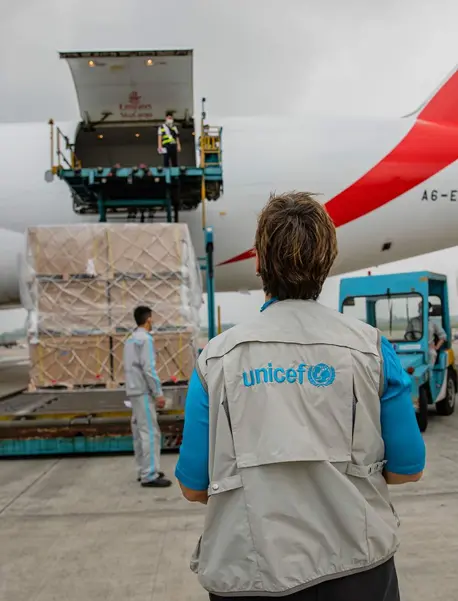
UNICEF works in over 190 countries and territories — more places than any other children's organization. UNICEF has the world's largest humanitarian warehouse and, when disaster strikes, can get supplies almost anywhere within 72 hours. Constantly innovating, always advocating for a better world for children, UNICEF works to ensure that every child can grow up healthy, educated, protected and respected.
Would you like to help give all children the opportunity to reach their full potential? There are many ways to get involved.