UNICEF Battles Deadly Cholera Outbreak in Sudan
UNICEF is working with Sudan's Ministry of Health and other partners to protect children from cholera. More supplies and essential medicines are urgently needed.
Cholera can kill in a matter of hours
After more than two years of full-scale armed conflict in Sudan, a raging cholera outbreak is putting already vulnerable children at further risk. Since January 2025, a total of 32,070 suspected cholera cases and 742 deaths have been recorded. Of the more than 19,000 cases reported in Khartoum State alone, more than 1,700 were among children under the age of 5. The outbreak has spread to 17 out of 18 states.
Malnourished young children are particularly vulnerable
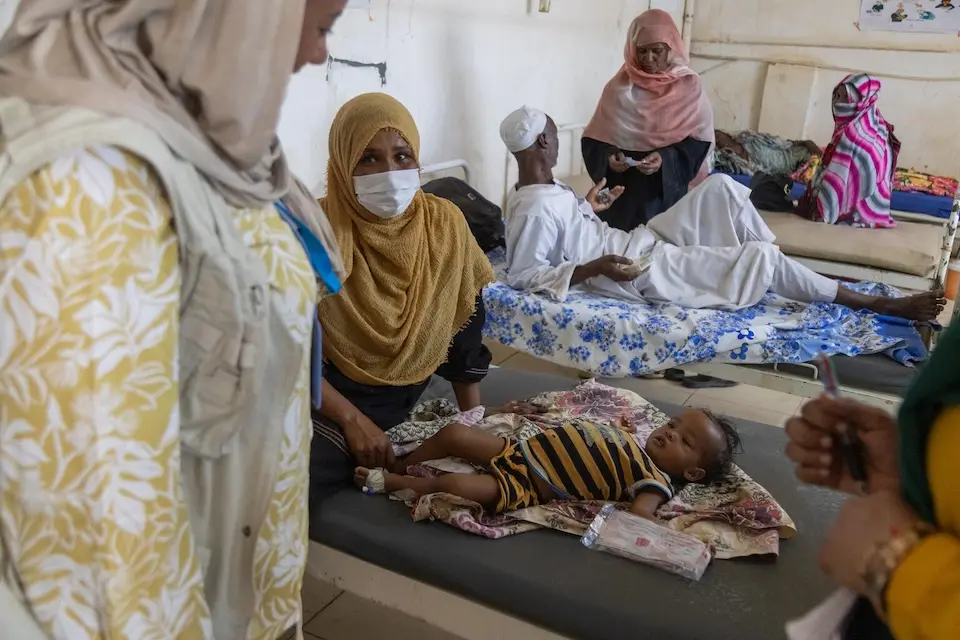
For children already weakened by conflict, lack of nutritious food and poor sanitation, diseases like cholera and malaria can be deadly without prompt treatment. Caused by eating food or drinking water contaminated with the bacterium Vibro cholerae, cholera can cause acute watery diarrhea with severe dehydration.
Untreated, it can claim the life of a small child within hours.
The intestinal disease is entirely preventable with regular handwashing with soap and maintaining separate water and sanitation facilities. It's also easily treatable — when the right supplies are available. "It's a pity to have a patient who is severely ill and we can't do anything for him," says Dr. Ahmed Al-Badri. "He's dying in front of us and we know what to do ... but we didn't have anything. We need a lot of supplies."
Read the latest UNICEF Sudan situation report
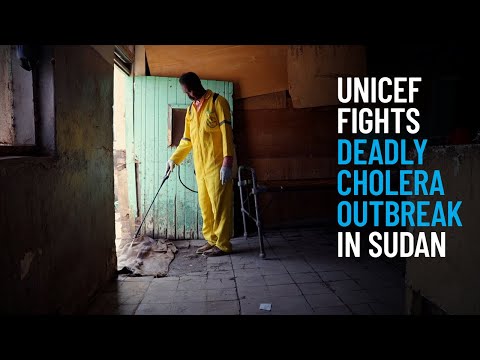
Watch the video: UNICEF is working to save children's lives in Sudan
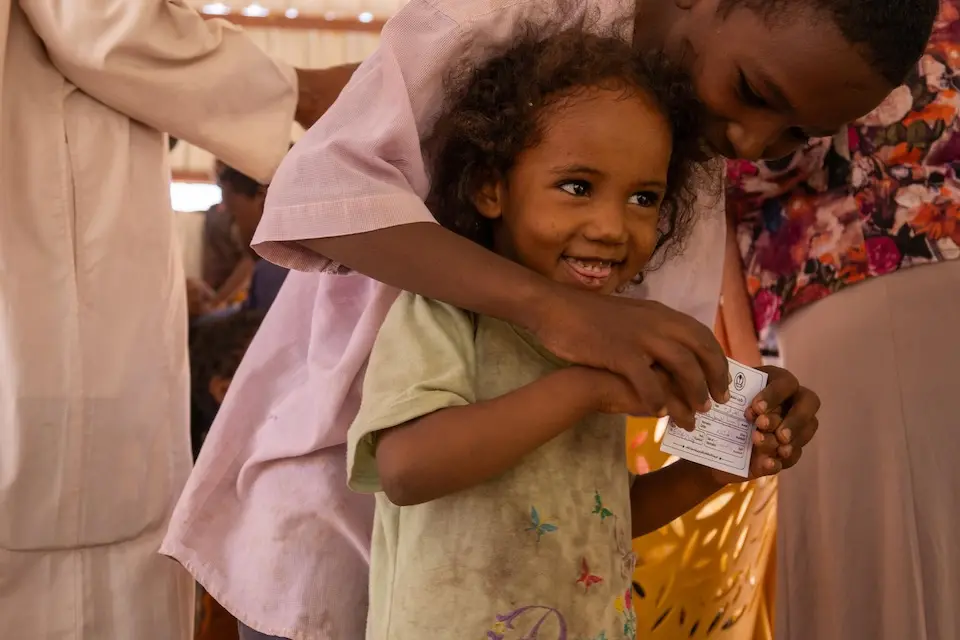
UNICEF is supporting immunization and improving water quality
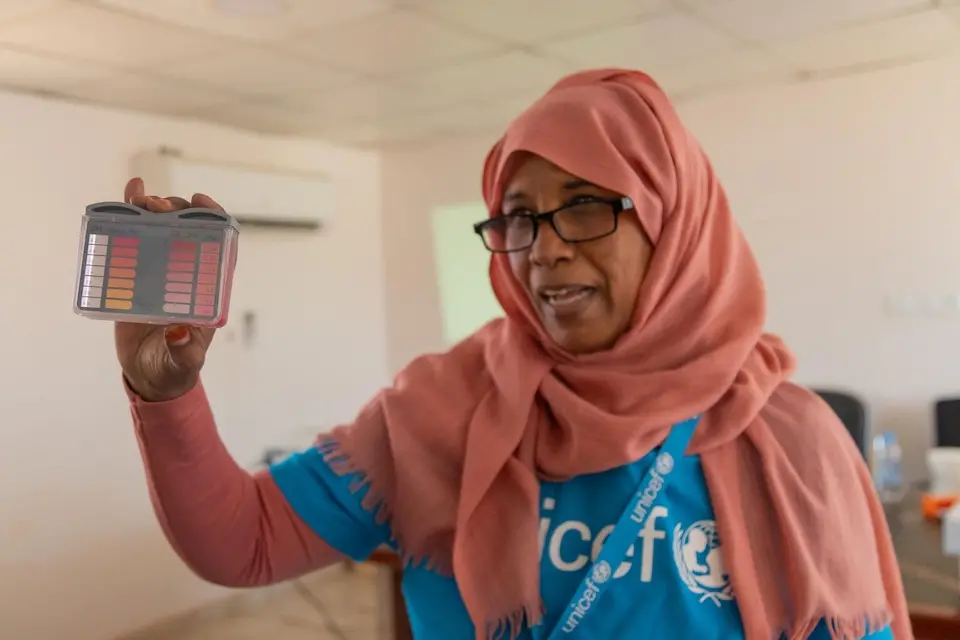
UNICEF and partners are working with the Federal Ministry of Health to curb the spread of cholera and save lives by delivering oral cholera vaccines, ensuring access to safe water, activating community awareness drives to educate families on proper hygiene practices and distributing critical supplies including oral rehydration salts to support early care.
Since the start of 2025, UNICEF has:
- delivered 7.6 million oral cholera vaccines to Sudan's most affected areas
- consistently supported the provision of safe water to benefit 2.5 million individuals
- reached over 2 million people — including 108,000 in the last two weeks of June — through hygiene promotion activities and essential water, sanitation and hygiene (WASH) supplies
Related: UNICEF Protects Children in Sudan as Malaria, Cholera Cases Rise
UNICEF won't stop helping children in Sudan
Sudan remains the world's largest child displacement crisis, with over 5 million children displaced. The ongoing fighting in North Darfur and Kordofan states, combined with continuous displacement and limited access to WASH services and primary health care, are exacerbating the outbreak. Access challenges in conflict-affected areas are further complicating response efforts.
Now the rainy season has begun in most cholera-affected states. Heavy rainfall and flooding are known to contribute to the spread of cholera, adding yet another layer of complexity to the current public health emergency.
Progress has been made: as of July 2, there has been a general decline in cholera cases in most states in Sudan compared to previous weeks, though cases continue to increase in certain hot spot areas, particularly in states with limited access such as North Darfur, West and South Kordofan states.
Despite constraints in funding, UNICEF staff remain on the ground. UNICEF is calling for unimpeded humanitarian access, increased funding and a cessation of hostilities.
Learn more about UNICEF's work to support Sudan's children
Every child has the right to a safe and healthy childhood. By supporting UNICEF with flexible funding, you can ensure increased funding and a more equitable allocation of resources and improve outcomes for some of the world’s most vulnerable children. Please donate.
Right now, the lives of the most vulnerable children hang in the balance as conflicts and crises jeopardize the care and protection that they deserve. Dependable, uninterrupted and effective foreign aid is critical to the well-being of millions of children. Please contact your members of Congress and urge them to support ongoing U.S. investments in foreign assistance.
HOW TO HELP
There are many ways to make a difference
War, famine, poverty, natural disasters — threats to the world's children keep coming. But UNICEF won't stop working to keep children healthy and safe.
UNICEF works in over 190 countries and territories — more places than any other children's organization. UNICEF has the world's largest humanitarian warehouse and, when disaster strikes, can get supplies almost anywhere within 72 hours. Constantly innovating, always advocating for a better world for children, UNICEF works to ensure that every child can grow up healthy, educated, protected and respected.
Would you like to help give all children the opportunity to reach their full potential? There are many ways to get involved.