How UNICEF Supports Children in Chad
Conflict, climate change, lack of resources and an influx of refugees from Sudan and elsewhere have left children and families in Chad in urgent need of assistance. Learn what UNICEF is doing to help, and how to contribute.
Regional strife and instability make life difficult for children and families in Chad
Life in Chad is exceptionally hard. One of the poorest countries in the world — ranking 190 of 191 countries in the Human Development Index — Chad is geographically isolated and suffers deeply from the impacts of climate change.
The nation's long history of political instability combined with a lack of resources and infrastructure further aggravate the situation for Chadian children and families.
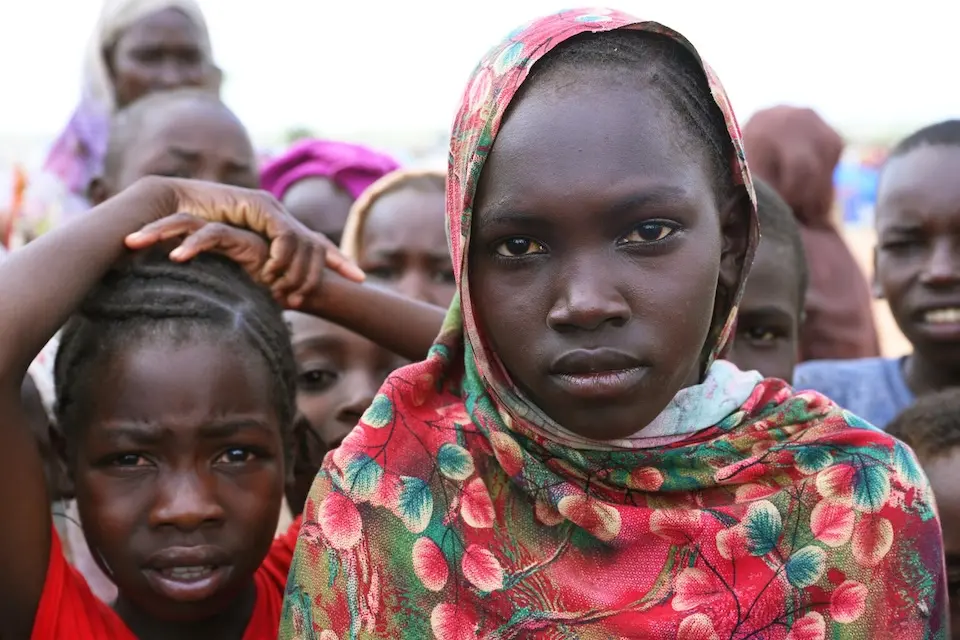
Children make up 57 percent of the country's 18 million people, and 50 percent of children in Chad are affected by multidimensional poverty.
Chad hosts around half of all refugees in West and Central Africa
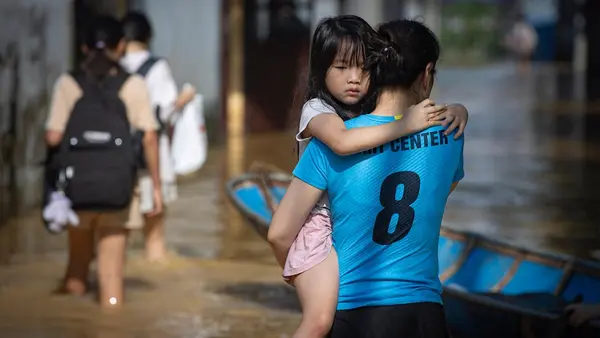
Near-constant conflict in neighboring Sudan has created a large-scale refugee crisis for Chad. The outbreak of Sudan's full-scale civil war in April 2023 increased the strain exponentially, as hundreds of thousands of Sudanese fleeing violence poured in. By March 2024, UNHCR had reported that 1.1 million refugees were sheltering in Chad, 90 percent of them women and children.
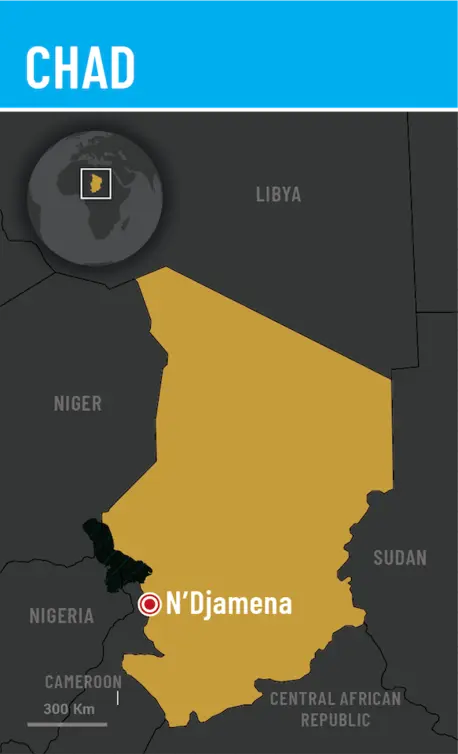
The waves of new refugees flooding into eastern Chad have exacerbated already harsh conditions for those already living there and their host communities. An ongoing struggle for limited resources has heightened tensions between refugee groups and host populations.
Food and water shortages, the spread of disease and a lack of even basic shelter are constant problems, especially for Chad's disproportionately large population of vulnerable young children.
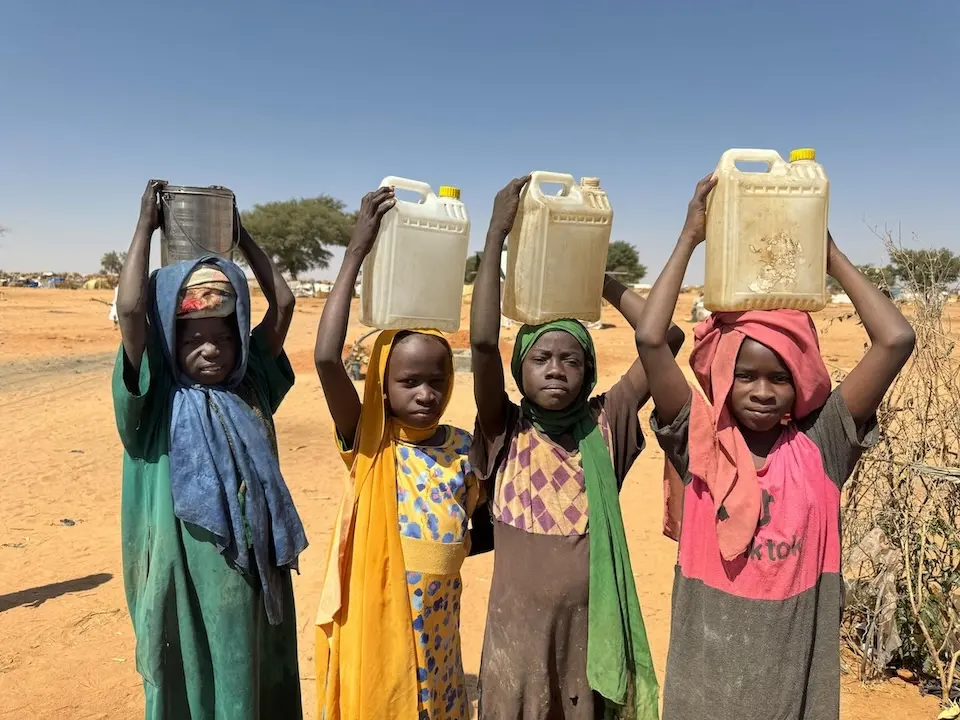
In eastern Chad, only a quarter of the population have access to improved water sources, and even fewer have access to improved sanitation.
The sudden return of tens of thousands of expatriate Chadians from Sudan and the Central African Republic has only added to this crisis.
Instability and the constant threat of violence worsen existing deficits of food, shelter, clean water and sanitation. This difficult combination of conditions has resulted in extreme poverty and frequent outbreaks of disease.
The threat of a major epidemic is a constant. Half of Chad's children are forced into child labor, working instead of attending school. Life-expectancy and literacy rates in the country are among the world's very lowest.
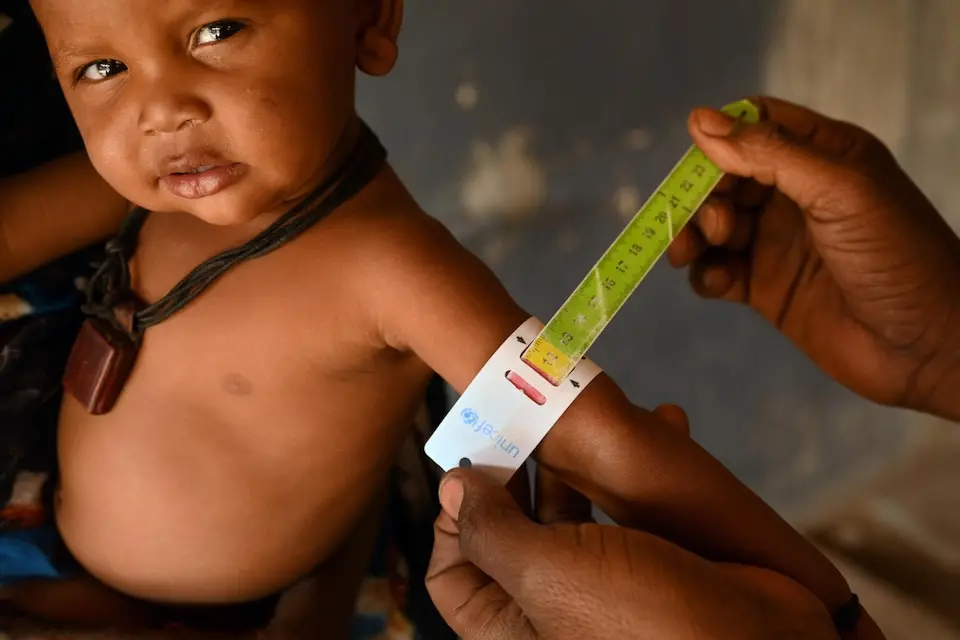
More than 2 million children require treatment for severe wasting, which can be fatal if left untreated. Many children, especially among displaced populations. are exceptionally vulnerable to physical and sexual violence — and to recruitment by various non-state armed groups.
How UNICEF is working to reach children in Chad with health care, nutrition, safe water, education and protection
UNICEF is working with partners to meet the most urgent needs of vulnerable children in Chad — including the internally displaced, refugees, returnees and host populations — to ensure they have access to quality health services, nutrition, water, education and protection from violence and exploitation.
In troubled eastern Chad, UNICEF is reaching children by:
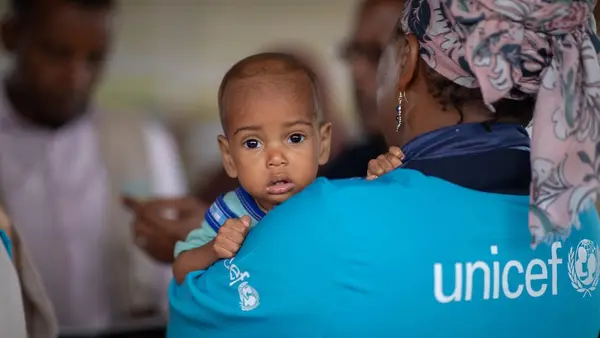
- providing lifesaving Ready-to-Use Therapeutic Food (RUTF) for children suffering from severe acute malnutrition
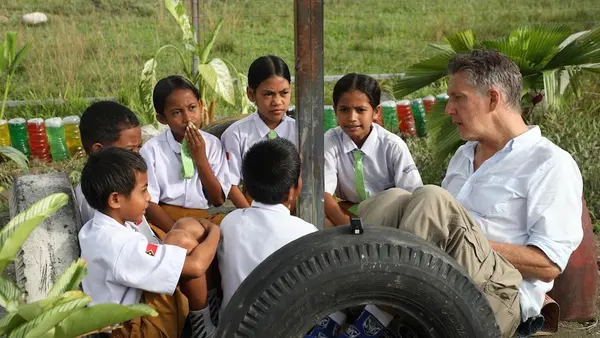
- setting up temporary learning spaces to enable refugee and displaced children to continue their education
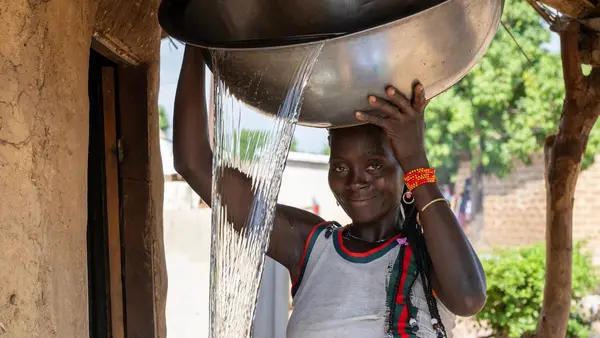
- providing access to safe drinking water, basic sanitation and hygiene services
- bringing community-based mental health and psychosocial support to children, adolescents and caregivers
- reuniting unaccompanied and separated children with their families
- establishing programs for risk mitigation, prevention and intervention to girls, boys and women affected by gender-based violence
- offering safe and accessible channels for reporting sexual exploitation and abuse
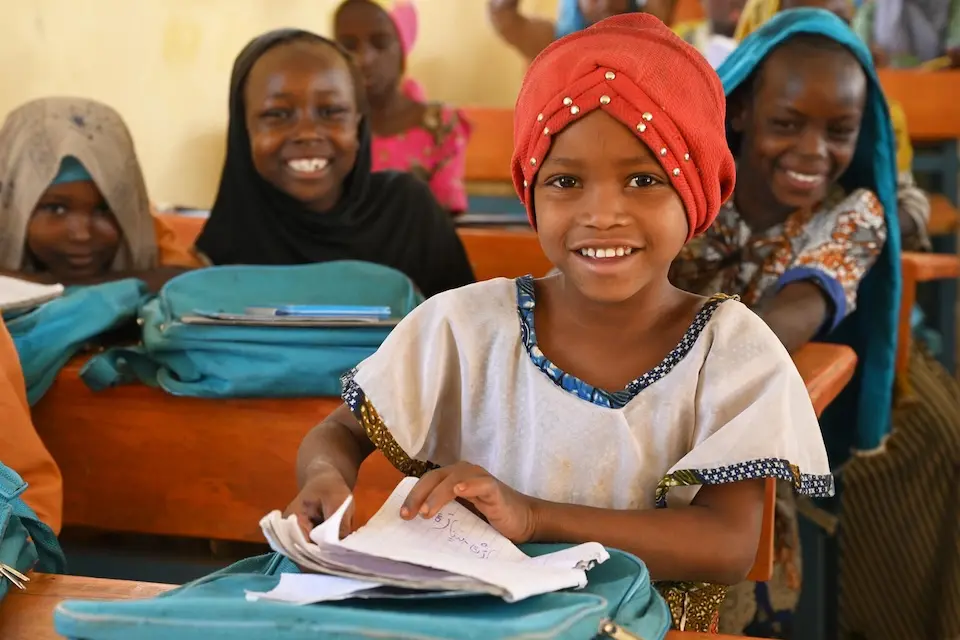
Across Chad, UNCEF continues to facilitate access to inclusive and resilient basic social services and meet children's urgent needs by:
- screening and treating children for severe acute malnutrition
- providing counseling on the feeding of infants and young children to primary caregivers
- rolling out vaccination campaigns to protect children against measles and other childhood diseases
- improving access to safe water and appropriate sanitation and hygiene services
- distributing individual learning materials to students, training teachers and paying teacher salaries
- supporting life skills and vocational training for young people
- providing technical support to government-funded programs for the distribution of cash transfers and in-kind social assistance to at-risk households

While the high degree of isolation, instability and lack of basic infrastructure make the operating environment in Chad exceedingly difficult, UNICEF continues to work diligently to improve conditions for children and their families.