World Polio Day: Eradication Within Reach
Highlights
- Polio, a highly infectious viral disease that causes permanent paralysis in children, is entirely preventable with vaccines.
- The world is close to eradicating polio, but challenges — and outbreaks — persist.
- UNICEF helps vaccinate more than 400 million children against polio every year.
- Outbreak response includes managing vaccine misinformation and building community trust.
- Investing in polio eradication yields big returns for global child health overall.
It is time to pull through on efforts to rid the world of polio once and for all. Five facts about polio, and how to support the fight.
With polio transmission rates near historic lows — and global health funding under threat — the world faces a defining moment in polio eradication.
Despite significant progress against polio, conflicts and other humanitarian crises, fragile health systems, immunization gaps and funding pressures continue to leave millions of children vulnerable. Sustained political leadership, domestic investment and community engagement remain essential to protecting these gains and finishing the job.
To mark World Polio Day, observed every year on Oct. 24, here are five facts about polio — and what it will take to end it once and for all.
Learn about how UNICEF is working with partners to end polio
1. Polio is entirely preventable.
Polio, a highly infectious viral disease, can cause irreversible paralysis, can be fatal, and children under 5 are most at risk. There is no cure, but there are safe and effective vaccines available. No child should have to suffer from a disease that is entirely preventable.
Protecting a community requires a vaccination coverage rate of at least 95 percent. (This allows for the small percentage of the population who are not eligible due to age or a health condition.)
Related: Defeating Polio Means Vaccinating Hard-to-Reach Children
2. We are closer than ever to ending polio, but outbreaks and challenges persist.
Since 1988, the number of children affected by polio has been reduced by 99.9 percent — saving an estimated 1.5 million lives and generating a savings of some $27 billion in treatment and outbreak response costs. More than 20 million people are walking today who otherwise wouldn't be thanks to polio vaccination efforts.
The disease remains endemic in only two countries, Afghanistan and Pakistan, down from 125 countries when global eradication efforts began 38 years ago with the launch of the Global Polio Eradication Initiative (GPEI).
Despite these significant gains, cases of both wild polio and variant poliovirus persist, even in countries that have previously eliminated the disease. Outbreaks have occurred in countries that have been polio-free for decades. Polio outbreaks are often the result of weak health systems and low immunization coverage.
Until all forms of polio are gone, children everywhere remain at risk.
Related: Moving Toward the Finish Line in the Polio Fight
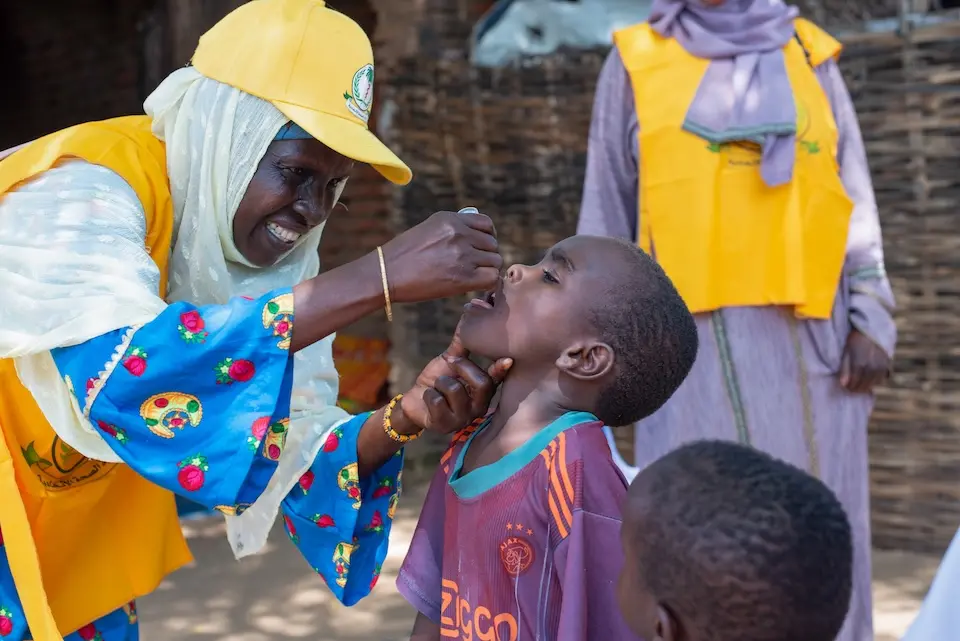
3. UNICEF helps vaccinate more than 400 million children against polio every year.
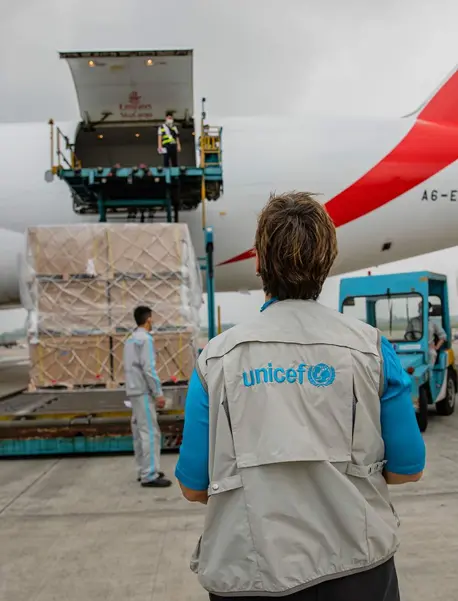
UNICEF manages the procurement and distribution of over 1 billion doses of polio vaccines annually, accounting for more than half of all oral polio vaccines (OPV) given to children globally.
Through these efforts, UNICEF helps vaccinate more than 400 million children against polio every year.
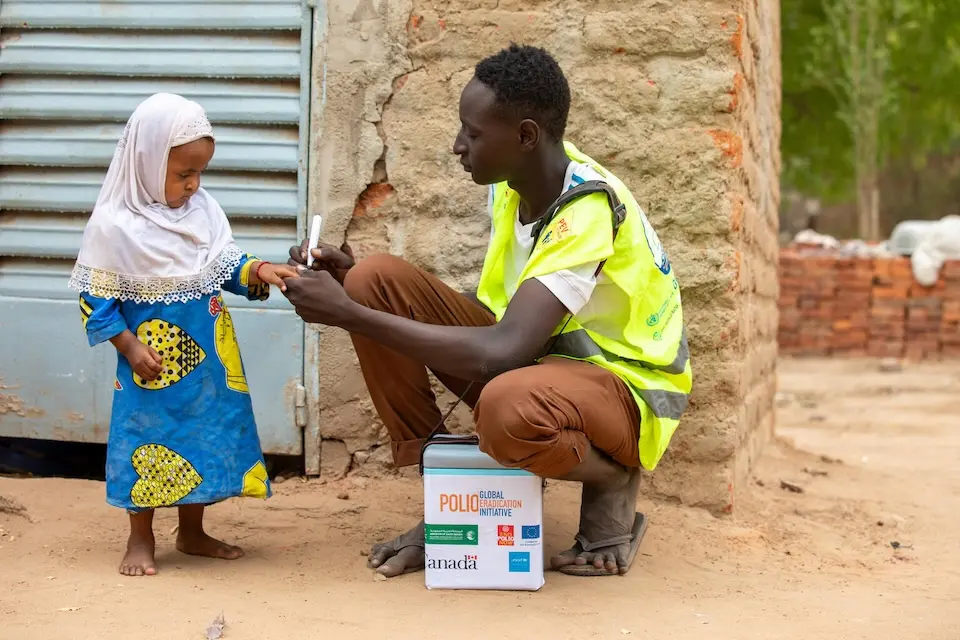
Many of these children live in remote, fragile and conflict-affected areas. Working with governments, community health workers, social mobilizers and others, UNICEF is committed to ensuring that no child is left unprotected, working alongside Rotary International and other partners.
UNICEF's role doesn't stop there. UNICEF also invests in vaccine supply chain infrastructure, including freezer rooms, refrigerators, cold boxes, vaccine carriers, temperature monitoring devices and trains health workers in managing the cold chain to keep vaccines safe during storage and transport.
4. Outbreak response includes managing vaccine misinformation and building community trust.
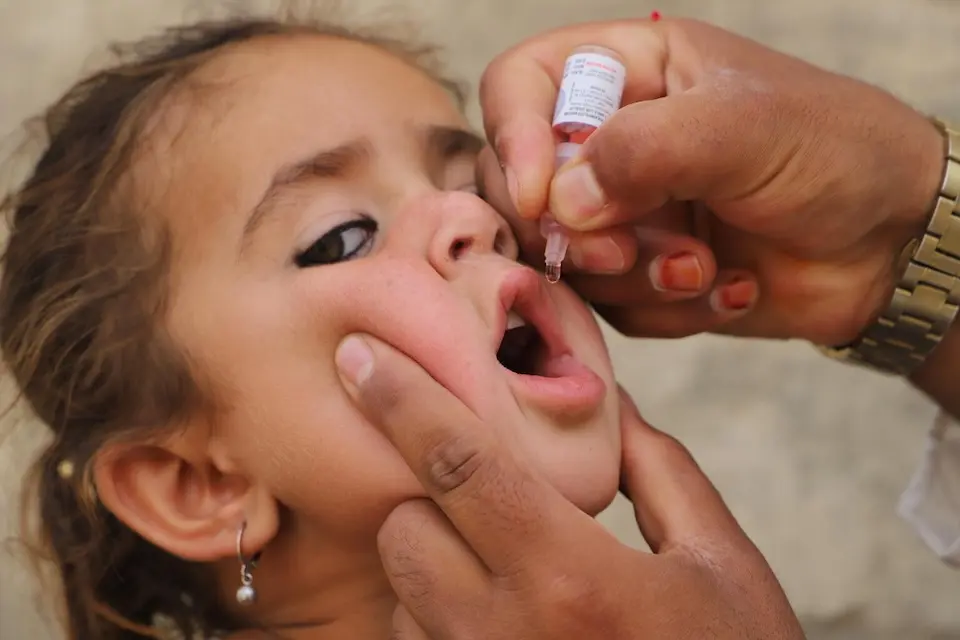
When an outbreak occurs, UNICEF supports high-quality, large-scale polio vaccination campaigns to boost immunity and effectively stop the spread of the disease.
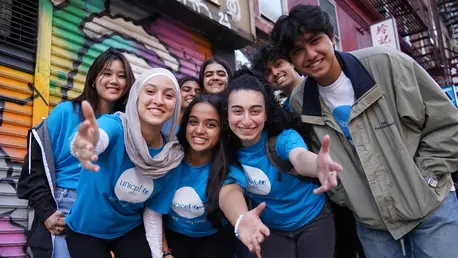
Through the deployment of rapid response teams, UNICEF is on the ground supplying and distributing polio vaccines and managing vaccine misinformation through public information campaigns. Community leaders, including youth advocates, and other social mobilizers play a crucial role in engaging parents, caregivers and other community members and encouraging their participation in getting kids vaccinated. Outreach efforts by UNICEF-trained locally-based polio workers and volunteers help increase vaccine acceptance and demand.
Communication strategies are designed to fit the social and cultural norms of the area. For example, in some communities where cultural norms prevent men from entering households, female community polio workers are on the front lines, building community trust and reaching all children.
Related: Faith, Trust and Child Well-Being in Nigeria

5. Investing in polio eradication yields big returns for global child health overall.
UNICEF argues that investing $6.9 billion toward polio eradication between 2022 and 2029 could yield billions more dollars in savings over the coming decades by eliminating the long-term costs of controlling the disease.
Investing in polio eradication also yields multiple benefits for child health across the board, by expanding overall immunization coverage, building health worker capacities and strengthening disease surveillance, outbreak response and other critical systems needed to battle other infectious diseases.
In the last two polio endemic countries, Pakistan and Afghanistan, and in polio-outbreak countries in Africa and Asia, UNICEF and partners are working to integrate polio response with the delivery of other essential health services, including vaccination against other diseases and improvements in access to safe water, sanitation and hygiene, as well as support for child nutrition and education. This includes sharing resources including frontline workers and community networks to help end polio, sustain eradication while also building stronger health systems that deliver lasting benefits for children.
World Polio Day 2026
Every year on Oct. 24, the world takes a moment to reflect on the global fight against polio. For UNICEF, it is an opportunity to reassert the need for sustained, high-level poliitcal commitments to polio eradication and to secure predictable, long-term financing for the GPEI strategy and for national immunization systems.
Read GPEI's Global Action Plan for ending polio and building resilient health systems
HOW TO HELP
There are many ways to make a difference
War, famine, poverty, natural disasters — threats to the world's children keep coming. But UNICEF won't stop working to keep children healthy and safe.
UNICEF works in over 190 countries and territories — more places than any other children's organization. UNICEF has the world's largest humanitarian warehouse and, when disaster strikes, can get supplies almost anywhere within 72 hours. Constantly innovating, always advocating for a better world for children, UNICEF works to ensure that every child can grow up healthy, educated, protected and respected.
Would you like to help give all children the opportunity to reach their full potential? There are many ways to get involved.