World Humanitarian Day: Honoring Those Who Help Children in Crisis
Highlights
- World Humanitarian Day, observed every Aug. 19, honors humanitarian workers who risk their lives to help people affected by crises.
- Children are especially vulnerable during conflicts, climate disasters, disease outbreaks and other emergencies.
- UNICEF's humanitarian mission includes delivering lifesaving assistance to children in crisis.
- Everyone can take action by donating and advocating for the safety and protection of humanitarian workers.
Humanitarian workers risk their lives to save and protect children, yet face increasing attacks by warring parties. World Humanitarian Day on Aug. 19 is an opportunity to recognize humanitarians for the work they do and the risks they take — and to turn that awareness into tangible action for children.
Help UNICEF humanitarian workers reach more children in need
What is World Humanitarian Day?
World Humanitarian Day is an annual international observance honoring humanitarian workers, including those who have been killed, injured or put at risk while helping people in need. It recognizes the vital role humanitarians play in delivering lifesaving assistance, reducing suffering and preserving the dignity of people affected by crises. It is an opportunity to inspire support for humanitarian workers, to raise awareness of the sacrifices they make, and to advocate for action to ensure their safety and protection.
In conflicts, climate-related disasters, disease outbreaks and other emergencies, children often suffer the most. UNICEF's humanitarian workers put children first.
When is World Humanitarian Day 2026?
World Humanitarian Day is observed every year on Aug. 19. The United Nations General Assembly designated Aug. 19 as World Humanitarian Day in 2008, five years after a bombing at the Canal Hotel in Baghdad killed 22 humanitarian workers, including UN Special Representative Sergio Vieira de Mello.
What is the theme of World Humanitarian Day 2026?
The World Humanitarian Day 2026 campaign theme is "The time for concern is over. The time for consequence is now."
On World Humanitarian Day and throughout the year, UNICEF calls on parties to conflict and world leaders to end attacks on humanitarian workers, uphold international humanitarian law and ensure accountability for any violations.
Local partners and community-based responders are integral to UNICEF’s work. Ensuring they have safe, timely and unimpeded access to reach children, including those living in the most remote locations, is critical. Increasing global support and solidarity are what make UNICEF’s emergency response possible.
That solidarity takes practical forms, from sustained funding to lifesaving supplies to advocacy actions that help protect humanitarian access and keep children's needs at the center of emergency response.
As humanitarian work becomes increasingly dangerous and complex, humanitarian organizations need sustained investment and political will to help keep humanitarian workers safe and able to reach children in need.
Turn awareness into action: Support UNICEF's ongoing humanitarian work for children with a donation to UNICEF USA
Why World Humanitarian Day matters for children
Humanitarian crises can disrupt virtually every part of a child’s life, leaving them deprived of food and clean water, health care and education. Family stability and personal safety can also be affected.
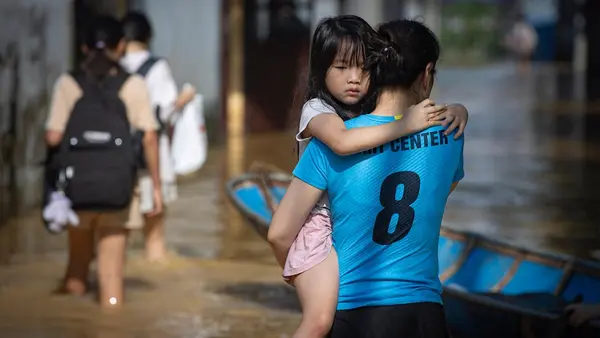
Timely and accessible humanitarian relief becomes incredibly important — efforts like restoring access to safe drinking water in the wake of a flood or other disaster, providing nutrition treatment during a hunger crisis and delivering vaccines during a disease outbreak. For children forced from their homes, humanitarian support can also mean a safe place to learn, protection from violence and exploitation, mental health support and help reuniting with separated family members.
UNICEF works around the world to relentlessly pursue a more equitable world for every child by protecting their rights, meeting their basic needs and expanding their opportunities. In times of crisis, UNICEF responds to help children survive immediate threats and to support their long-term recovery.
Related: 8 Humanitarian Crises and the UNICEF Response
What humanitarians do in times of crisis
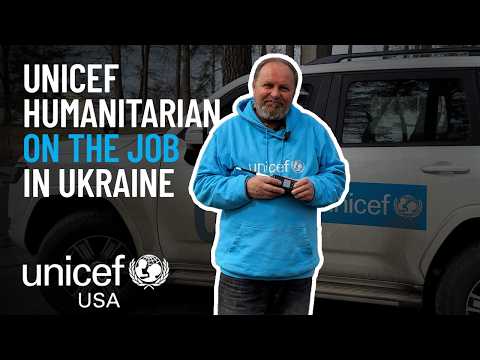
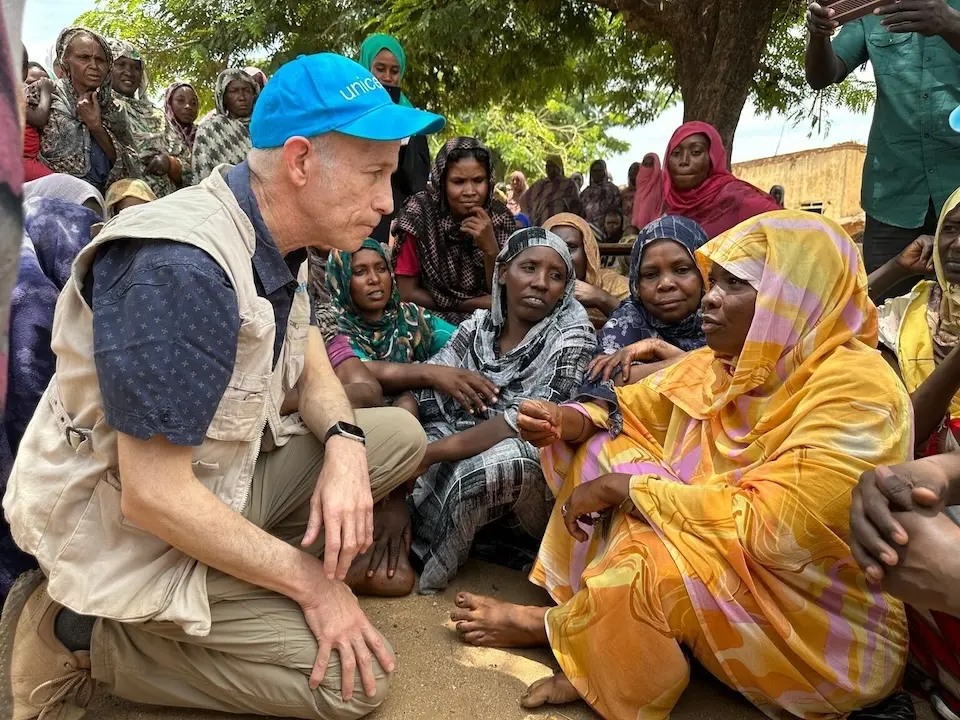
A humanitarian is someone who works to protect life, reduce suffering and support people affected by crises. Many are local or national staff serving their own communities and leveraging local knowledge, relationships and experience.
Humanitarian workers often brave difficult and dangerous environments — from war zones to disaster areas — to deliver lifesaving supplies and essential services. And they have come increasingly under attack. At least 326 humanitarians were killed in 21 countries and territories in 2025 alone. Deliberately targeting humanitarian workers is a war crime.
How UNICEF helps children in humanitarian emergencies
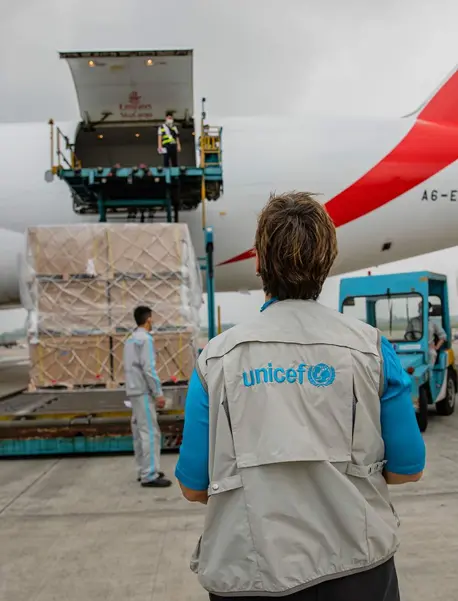
UNICEF delivers rapid, child-focused humanitarian aid worldwide by leveraging a vast network of partners and program, country and regional offices.
Examples of humanitarian aid from UNICEF include:
- safe water, sanitation and hygiene supplies to help children stay healthy and prevent waterborne disease
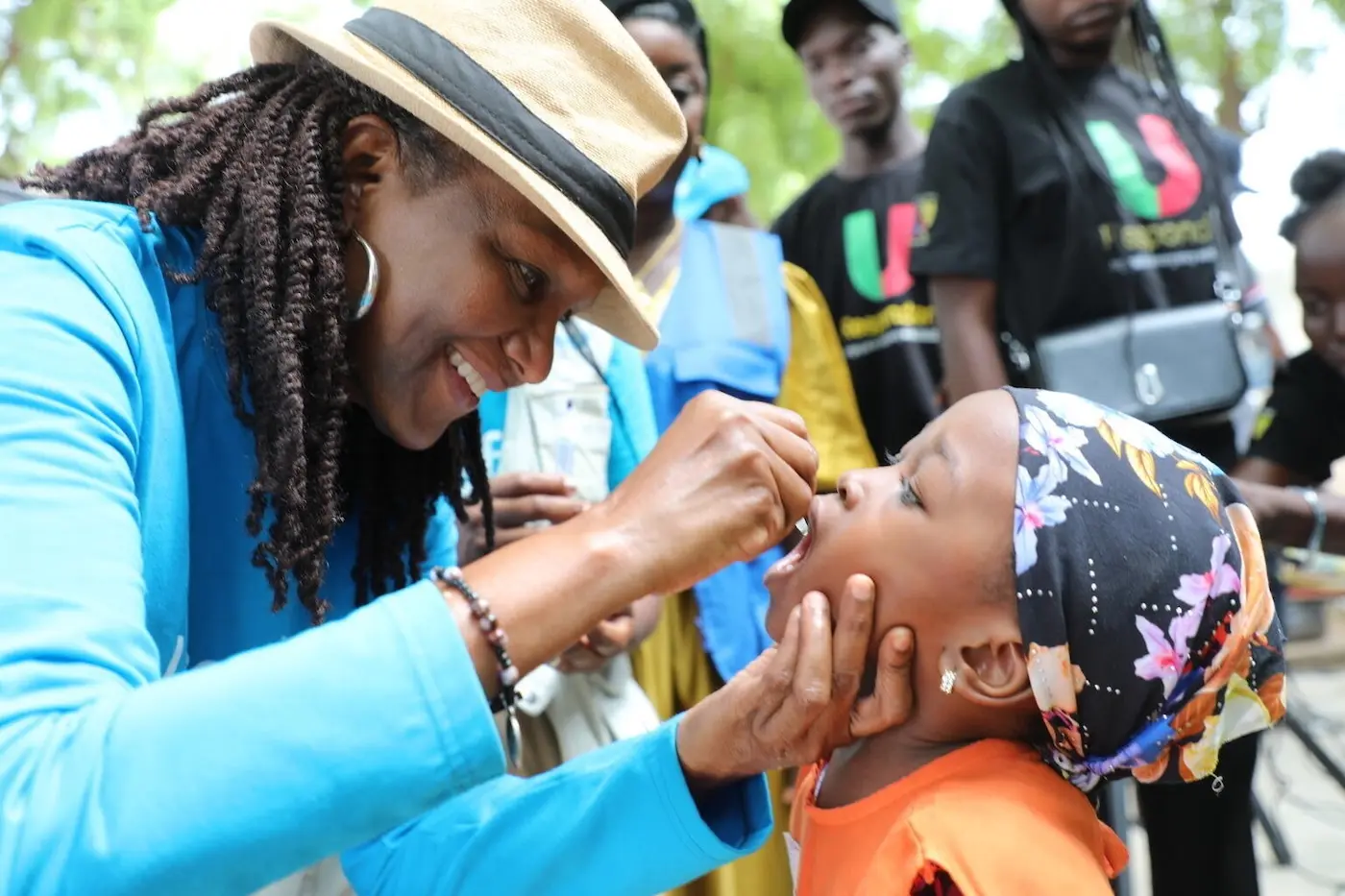
- vaccines and medical supplies to protect children from preventable illness
- treatment for malnutrition, including ready-to-use therapeutic food (RUTF) to help severely malnourished children recover
- emergency shelter
- protection from violence and exploitation
- mental health and psychosocial support
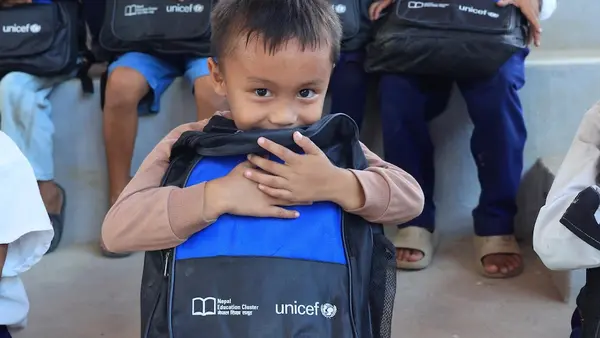
- temporary learning spaces and educational materials so children can continue learning and regain a sense of routine during emergencies
- family tracing and reunification services to reconnect children separated from their families
- humanitarian cash transfers for impoverished families
UNICEF works to support children before, during and after emergencies to help them survive, recover, regain stability and build resilience to future shocks.
Learn more: How UNICEF USA Supports UNICEF Emergency Response
Why humanitarian aid is essential during global crises
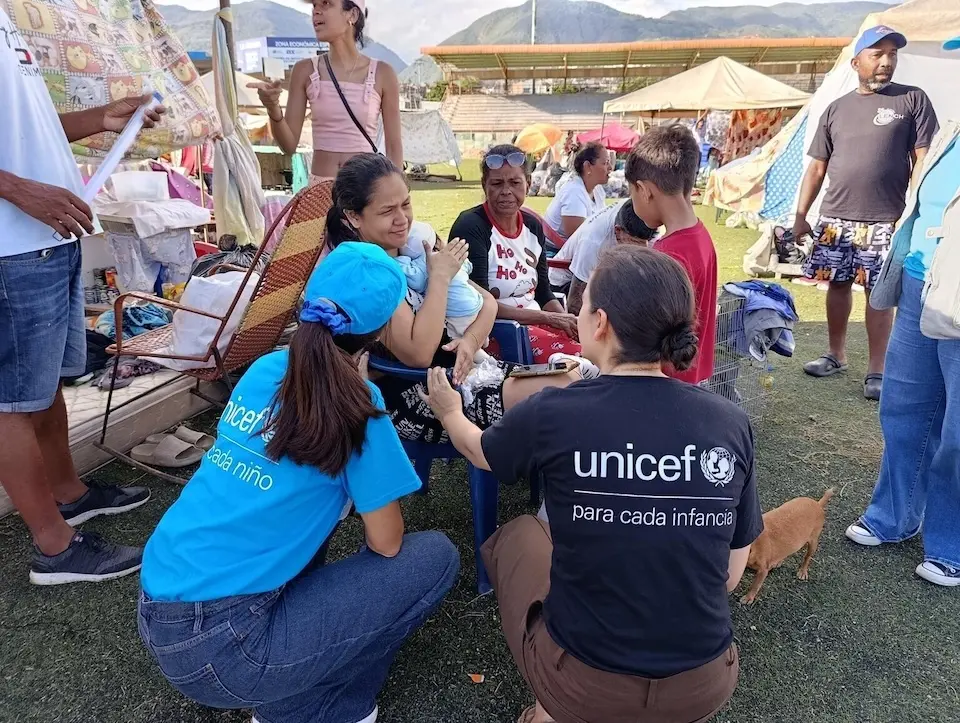
When families and communities are overwhelmed by conflict, disaster, hunger, displacement or disease, humanitarian aid helps meet urgent needs. Emergency supplies, health care, safe water, nutrition, protection and education support can be both lifesaving and stabilizing, having positive effects that extend far beyond the affected community.
Humanitarian aid is both compassionate and practical. It can strengthen global stability, help contain infectious disease outbreaks and give children and communities a stronger foundation for recovery after crisis.
Effective humanitarian response depends on coordination across borders and within communities. Global resources and supply networks, combined with the expertise of local partners and responders, can help lifesaving assistance reach children faster and more effectively.
Preparing for emergencies, and helping communities build resilience to reduce their disaster risks is also a major component of UNICEF's humanitarian mission. Every dollar invested early in high-risk humanitarian contexts saves an average of over $4 on the next emergency.
Learn more: UNICEF Humanitarian Action for Children in 2026
Why humanitarian workers must be protected
Essential aid would not be possible without humanitarian workers — individuals who make lifesaving support possible. Safe, reliable humanitarian access is essential in order for them to reach children in conflict zones, disaster areas and other high-risk emergencies.
When humanitarian aid workers are blocked, threatened or attacked, children can lose access to the support and services they desperately need. An attack on one humanitarian worker can interrupt far more than that one individual's work: it can delay deliveries, suspend programs or stop entire communities from receiving assistance.
Ways to take action to help children on World Humanitarian Day
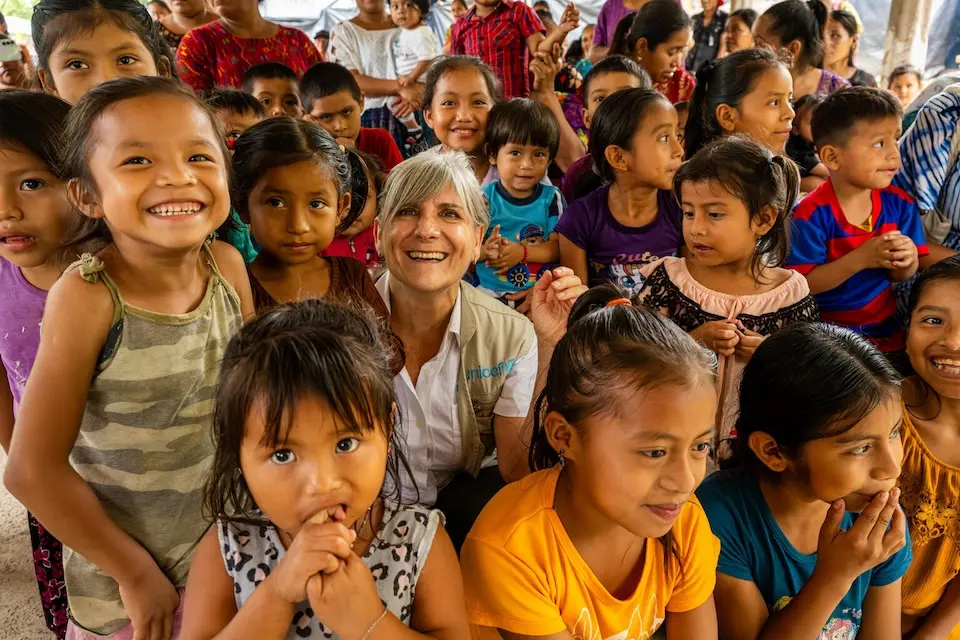
There are many ways to help children in crisis on World Humanitarian Day. Supporting UNICEF is a direct way to ensure support reaches children who need it as quickly as possible. Donate, start a fundraiser, share credible information or use your voice to advocate for the safety and protection of children, civilians and humanitarian workers.
This World Humanitarian Day, honor those who risk so much to help children whose lives have been upended by crisis. Consider becoming a monthly donor.
Frequently asked questions
What is the purpose of World Humanitarian Day?
World Humanitarian Day honors humanitarian workers who help people affected by crises, including those who have been killed, injured or put at risk while serving others. The day also raises awareness of global humanitarian needs and encourages people to take action to support humanitarian work and advocate for their safety and protection.
When is World Humanitarian Day?
World Humanitarian Day is observed every year on Aug. 19. The date is a global reminder to recognize humanitarian workers and support people affected by emergencies.
How does UNICEF help children in humanitarian crises?
UNICEF helps children in emergencies by providing rapid access to essential supplies and services including safe water, treatment for malnutrition, vaccines, health care, protection services and education support. UNICEF works with partners to reach children before, during and after emergencies.
What can I do for World Humanitarian Day?
You can donate, fundraise, advocate, share trusted information and help raise awareness about children in need. A contribution to UNICEF USA helps UNICEF reach more children with lifesaving humanitarian aid.
HOW TO HELP
There are many ways to make a difference
War, famine, poverty, natural disasters — threats to the world's children keep coming. But UNICEF won't stop working to keep children healthy and safe.
UNICEF works in over 190 countries and territories — more places than any other children's organization. UNICEF has the world's largest humanitarian warehouse and, when disaster strikes, can get supplies almost anywhere within 72 hours. Constantly innovating, always advocating for a better world for children, UNICEF works to ensure that every child can grow up healthy, educated, protected and respected.
Would you like to help give all children the opportunity to reach their full potential? There are many ways to get involved.