Winter in Ukraine: Children Need Urgent Assistance
Highlights
- Continued assaults on energy infrastructure are disrupting power and heating across Ukraine
- UNICEF is providing winter cash assistance, repairing district heating and improving energy resilience in schools and health facilities
- Donor support is needed to help children endure the bitter cold months ahead
After almost five years of full-scale war, families in Ukraine are facing a massive escalation of violence, with no end in sight. UNICEF is ramping up its winter response to protect children and the essential services they rely on. There's no time to lose. Here's how to help.
Child casualties in Ukraine have reached their highest levels since the escalation of full-scale war in 2022
As the war in Ukraine moves into its fifth winter, the nation's children are facing a massive escalation of violence. Areas that were once stable are coming under attack, driving up the number of civilian casualties. In October, the total number of children killed in 2026 reached 947 — more than in any year since the invasion in 2022.
Over 11,200 attacks on civilian infrastructure have been reported this year alone — around 40 a day. Homes, schools, hospitals and humanitarian supply warehouses are all being targeted.
Continued assaults on energy infrastructure are disrupting power and heating across the country. To help keep children warm, UNICEF is ramping up delivery of heating fuel to the places where it's needed most — schools, hospitals and health care facilities. UNICEF is also distributing emergency cash assistance to help parents purchase warm clothes and other supplies their children need to survive the freezing months ahead.
Related: Helping Children and Families Recover in Ukraine
Video: Winter magnifies the impacts of war
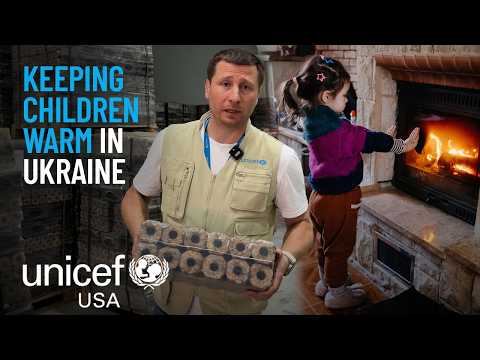
UNICEF lifesaving winter support for Ukraine's children and their families, by the numbers
In preparation for the harsh weather ahead, UNICEF’s 2026–2027 winter response is aiming to reach 3 million people, including 540,000 children. This includes repairing heating systems and providing energy back-up to schools to ensure that 375,000 students can keep learning, in-person, through the winter. Some highlights of UNICEF's support:
- Winter cash assistance for 225,000 people, giving families flexibility to meet their most urgent needs. Support is focused on the most vulnerable, including children living near the front line, children with disabilities and single-parent households
- District heating repairs for 3 million people, including 510,000 children
- Winter heating and energy grants for 2,000 schools. UNICEF is also providing back-up power and fuel for boilers and generators, along with weather-resistant windows and doors, and working with partners to rehabilitate school shelters so children can continue to learn in-person
- Improving energy resilience for 98 health facilities supporting 2.5 million people, including 400,000 children. UNICEF is providing energy back-up solutions — solar panels, batteries and inverters, generators and fuel — to strengthen energy independence
- Providing solid fuel and emergency water and sanitation support to health facilities and "invincibility points" where families can go to warm up and charge their devices during extended blackouts
Learn more about UNICEF's work for children in Ukraine
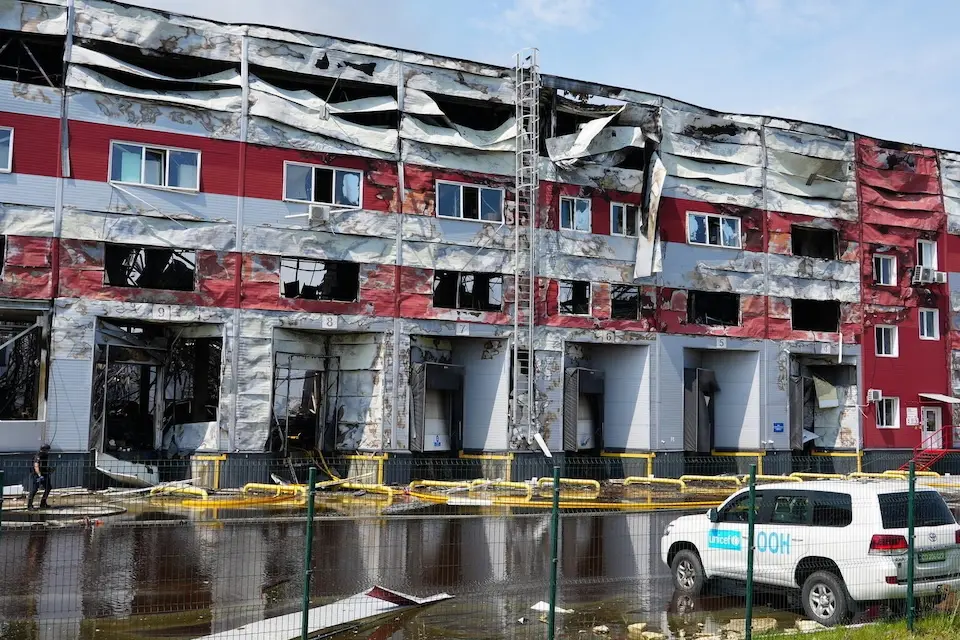
Without critical winter support, more families could be forced out of their homes, joining 3.4 million people already internally displaced in Ukraine
The window for this year's winter response is short and closing. After years of war, families have less ability to absorb shock — parents who cannot keep their children warm may be forced to abandon their homes, joining the more than 3.4 million people already internally displaced in Ukraine.
What children in Ukraine need more than anything else is safety. From the escalation of the war in February 2022 through August 2026, the UN verified 3,946 children killed or injured in Ukraine; the actual number is likely higher. Air raid sirens and bomb shelters have become a fact of life for a generation of children.
I'm 15 and I shouldn't have to think of feeling safe as a dream. — Katia, southern Ukraine
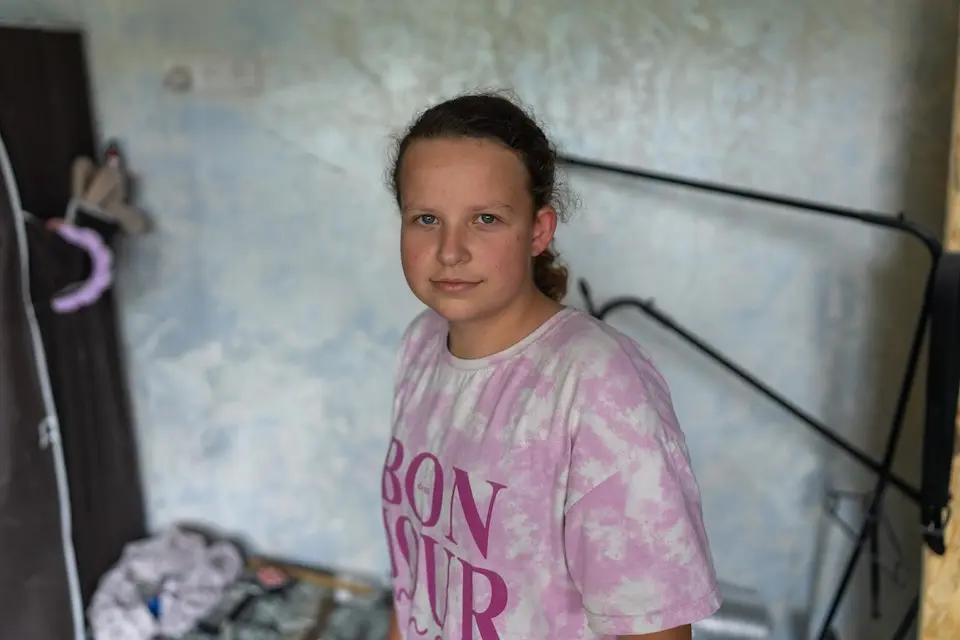
"I'm 15 and I shouldn't have to think of feeling safe as a dream," says Katia, who was forced to flee her hometown of Bakhmut in the Donetsk region four years ago and start a new life in a small village in the Mykolaiv region. Now a tenth grader, she has finally returned to in-person learning, but frequent air raids mean she still spends much of her school day in a shelter.
She shares a hope with children across Ukraine: to live a normal life, attend school and enjoy her childhood without fear of explosions.
"I hope that one day soon, we will be dreaming about what we want to do with our lives, knowing that we are safe to live them," Katia says.
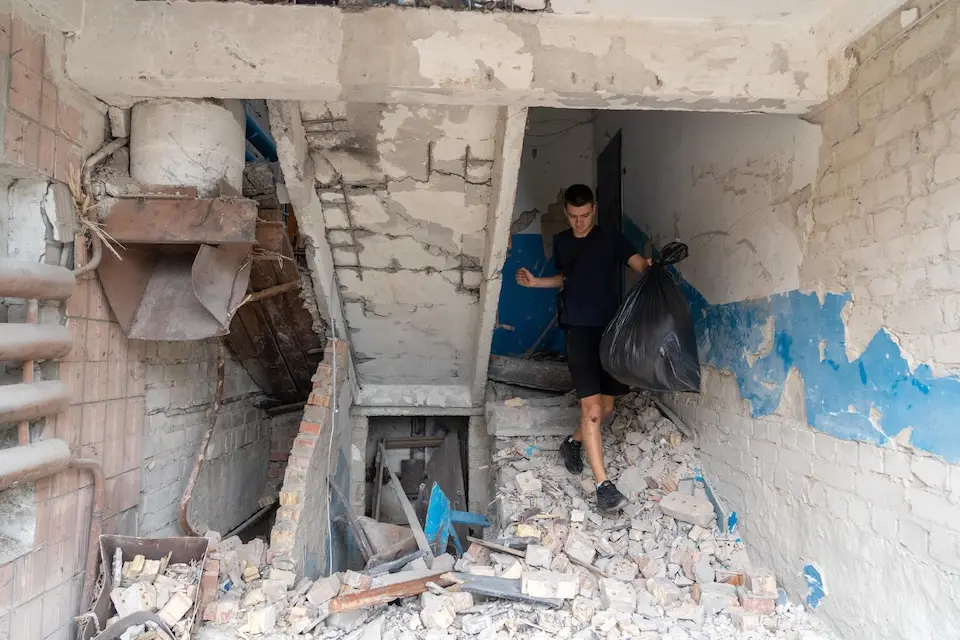
Your support will directly aid children in Ukraine and around the world
UNICEF continues to call for the protection of children and humanitarian facilities across the country.
To meet the needs of 3 million people, including 540,000 children, UNICEF requires $160.5 million for the 2026–2027 winter response in Ukraine.
HOW TO HELP
There are many ways to make a difference
War, famine, poverty, natural disasters — threats to the world's children keep coming. But UNICEF won't stop working to keep children healthy and safe.
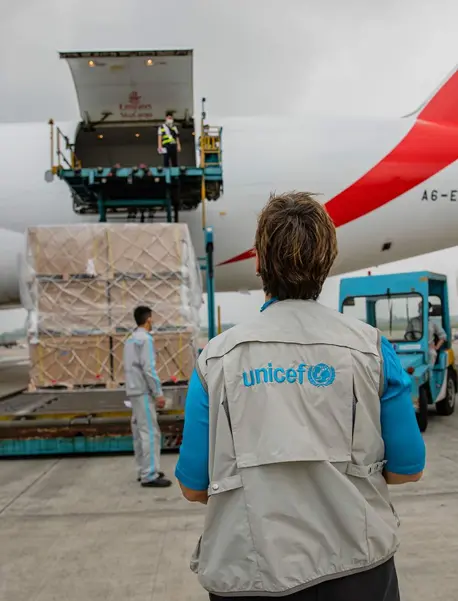
UNICEF works in over 190 countries and territories — more places than any other children's organization. UNICEF has the world's largest humanitarian warehouse and, when disaster strikes, can get supplies almost anywhere within 72 hours. Constantly innovating, always advocating for a better world for children, UNICEF works to ensure that every child can grow up healthy, educated, protected and respected.
Would you like to help give all children the opportunity to reach their full potential? There are many ways to get involved.