UNICEF Reports Worldwide Surge in Childhood Overweight and Obesity
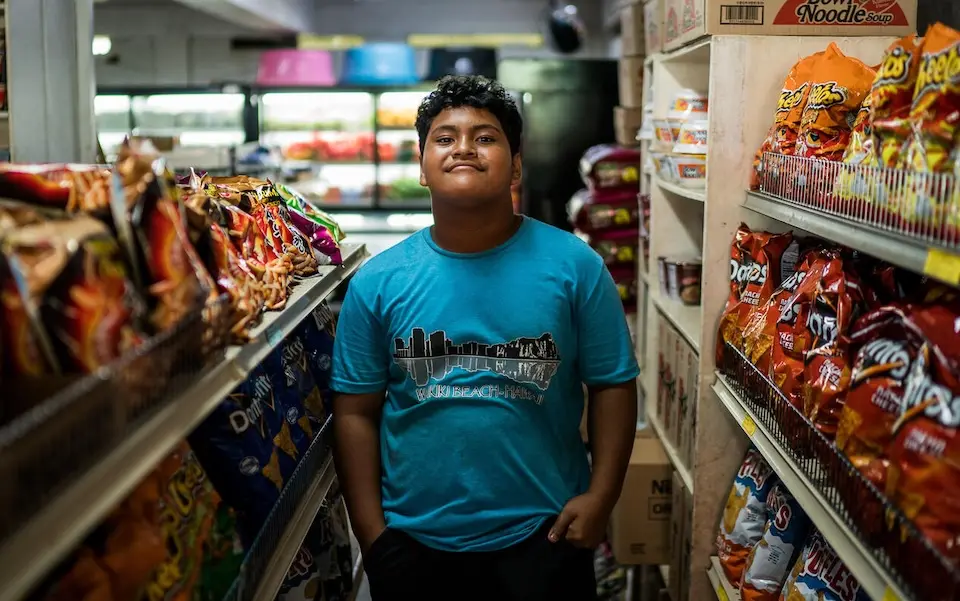
While undernutrition remains a significant concern among children under 5 in most low- and middle-income countries, the prevalence of overweight and obesity is increasing among school-aged children and adolescents. A major culprit: widespread exposure to the marketing of ultra-processed foods.
1 in 10 children globally living with obesity
UNICEF’s flagship Child Nutrition Report, released Sept. 10, 2025, notes a new global trend: rising rates of childhood overweight and obesity.
The report, entitled Feeding Profit: How food environments are failing children, concludes that — for the first time in history — obesity has overtaken underweight as the most prevalent form of malnutrition among school-aged children in all regions of the world except sub-Saharan Africa and South Asia.
Based on the latest data drawn from over 190 countries, 1 in 5 children and adolescents aged 5 to 19 (an estimated 391 million) are living with overweight, while 1 in 10 (188 million) are living with obesity, placing them at risk of life-threatening disease.
Read the UNICEF 2025 Child Nutrition Report, Feeding Profit: How food environments are failing children
Undernutrition, including child wasting and stunting, remains a significant concern, particularly in areas affected by conflict and other crises that fuel food insecurity, mass starvation and even famine. Yet, on a global scale, its prevalence is on the decline, while the number of overweight children quadrupled in low-income countries between 2000-2022, according to the report.
Children are considered overweight when they are significantly heavier than what is healthy for their age, sex and height. Obesity is a severe form of overweight and leads to a higher risk of developing insulin resistance and high blood pressure, as well as life-threatening diseases later in life, including type-2 diabetes, cardiovascular disease and certain cancers.
Learn about How UNICEF Fights Childhood Non-Communicable Diseases
Problem linked to widespread exposure to marketing of ultra-processed foods
The changing child malnutrition landscape, UNICEF explains, is not caused by a sudden decline in children's willpower or parental responsibility; rather, it is largely due to unhealthy food environments dominated by ultra-processed and fast foods. High in sugar, refined starch, salt, unhealthy fats and additives, these foods have become cheap, easy and appealing. Digital marketing gives the food and beverage industry powerful access to young audiences, and the market is saturated; children and adolescents are bombarded by these products everywhere, from shops to schools and digital spaces, the report notes.
In a global poll of 64,000 young people aged 13 to 24 from over 170 countries conducted through UNICEF’s U-Report platform last year, 75 percent of respondents recalled seeing advertisements for sugary drinks, snacks or fast foods in the previous week, and 60 percent said the advertisements increased their desire to eat the foods. Even in conflict-affected countries, 68 percent of young people said they were exposed to these ads.
“When we talk about malnutrition, we are no longer just talking about underweight children,” UNICEF Executive Director Catherine Russell said. “Obesity is a growing concern that can impact the health and development of children. Ultra-processed food is increasingly replacing fruits, vegetables and protein at a time when nutrition plays a critical role in children’s growth, cognitive development and mental health.”
Learn about UNICEF's global child nutrition programs
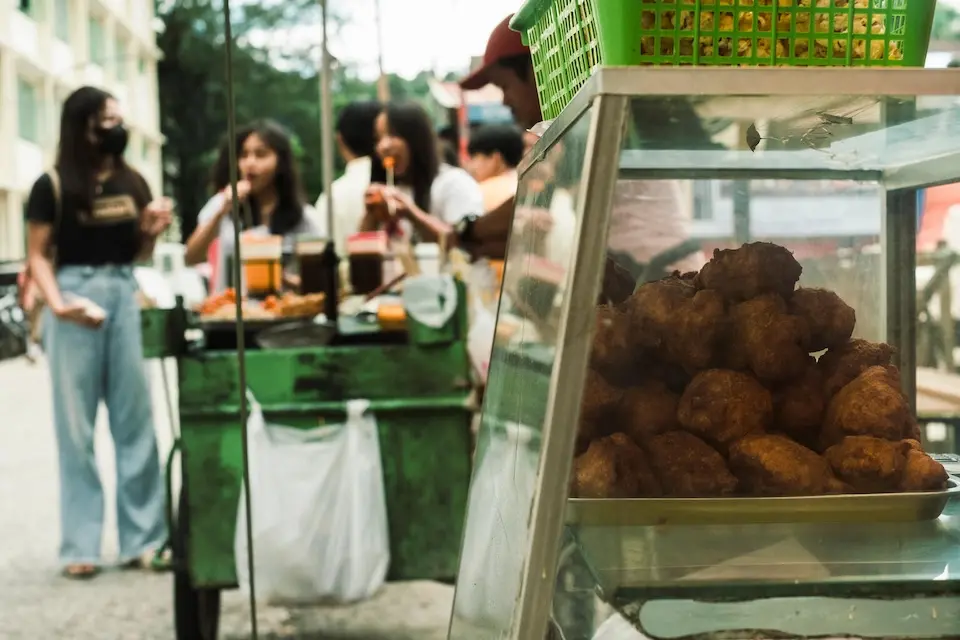
According to the report's findings, several Pacific Island countries have the highest prevalence of obesity globally, including 38 percent of 5- to 19-year-olds in Niue, 37 percent in Cook Islands and 33 percent in Nauru — levels that are double what they were in 2000, and largely driven by a shift from traditional diets to cheap, energy-dense imported foods.
Many high-income countries also continue to have high levels of obesity, the report states. In Chile, 27 percent of 5- to 19-year-olds are living with obesity. In both the United States and the United Arab Emirates, 21 percent of that age group are.
A call to action for governments, other partners to help transform food environments, ensure access to nutritious foods
Without interventions to prevent childhood overweight and obesity, countries face both health and economic impacts, the UNICEF report explains. By 2035, the global economic impact of overweight and obesity is expected to surpass $4 trillion annually by 2035. In Peru, the cost of obesity-related health issues already exceeds $210 billion.
Some governments have already taken steps to counter these trends. Mexico — a country facing a high prevalence of childhood and adolescent obesity, and where sugary drinks and ultra-processed foods account for an estimated 40 percent of children’s daily calories — the government recently banned the sale and distribution of ultra-processed foods and items high in salt, sugar and fat in public schools, positively impacting food environments for over 34 million children.
To transform food environments and to ensure children have access to nutritious diets, UNICEF is calling on governments, civil society and partners to urgently:
- implement comprehensive mandatory policies to improve children’s food environments; this includes food labelling, food marketing restrictions and food taxes and subsidies
- implement social and behavior change initiatives that empower families and communities to demand healthier food environments
- ban the provision or sale of ultra-processed and junk foods in schools, and prohibit food marketing and sponsorship in schools
- establish strong safeguards to protect public policy processes from interference by the ultra-processed food industry
- strengthen social protection programs to address income poverty, and improve financial access to nutritious diets for vulnerable families
“In many countries we are seeing the double burden of malnutrition — the existence of stunting and obesity. This requires targeted interventions,” Russell said. “Nutritious and affordable food must be available to every child to support their growth and development. We urgently need policies that support parents and caretakers to access nutritious and healthy foods for their children.”
Learn about Teaching Your Child Healthy Habits
Help UNICEF reach more children in need.
HOW TO HELP
There are many ways to make a difference
War, famine, poverty, natural disasters — threats to the world's children keep coming. But UNICEF won't stop working to keep children healthy and safe.
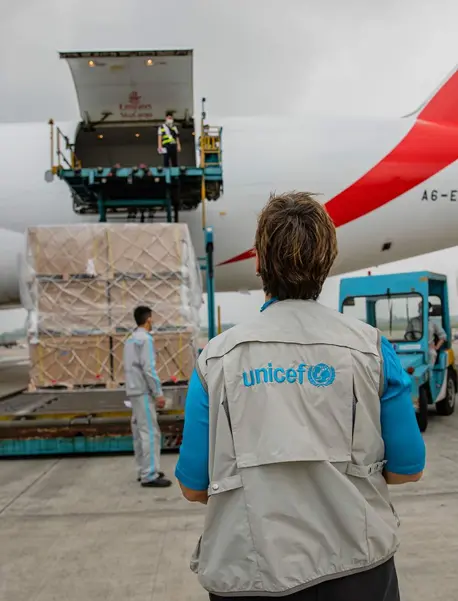
UNICEF works in over 190 countries and territories — more places than any other children's organization. UNICEF has the world's largest humanitarian warehouse and, when disaster strikes, can get supplies almost anywhere within 72 hours. Constantly innovating, always advocating for a better world for children, UNICEF works to ensure that every child can grow up healthy, educated, protected and respected.
Would you like to help give all children the opportunity to reach their full potential? There are many ways to get involved.