World Malaria Day: Prevention, Treatment and How to Protect Children Globally
Highlights
- World Malaria Day, observed on April 25, highlights the global fight to end a preventable yet deadly mosquito-borne disease.
- Malaria disproportionately affects sub-Saharan Africa, where children under age 5 account for the majority of malaria deaths.
- While proven tools for malaria prevention and treatment exist, ensuring access at scale remains a major challenge.
- Funding shortages and strains on health systems have slowed momentum toward elimination, making renewed global action critical.
Malaria remains a leading causes of death for children in high-burden countries. How UNICEF is working with partners to strengthen prevention and access to treatment and help end malaria once and for all.
April 25, a day for action against malaria
World Malaria Day, observed every year on April 25, provides an opportunity to draw attention to the global fight against a preventable yet deadly mosquito-borne disease — and to inspire accelerated efforts toward elimination.
Malaria remains a major cause of illness and death in many lower-income countries. There were 282 million cases of malaria in 2024 — 610,000 of them fatal. The disease has been particularly devastating on the African continent, where children under age 5 account for 75 percent of all malaria deaths.
What makes these losses even more tragic is that effective tools such as vaccines, medications and mosquito-proof bed nets exist. The challenge is making them available at scale, especially in high-risk areas.
UNICEF plays a key role in the global fight against malaria, not just on World Malaria Day but all year round. As the world’s leading vaccine provider, UNICEF works with international organizations, local government agencies and community groups to strengthen prevention through vaccination and other strategies.
UNICEF also works with partners to improve access to treatment to reduce malaria cases and deaths. Read on the learn more.
Global push to end malaria continues
The World Health Organization (WHO) first established World Malaria Day as an annual international day of action in 2007. New themes are introduced each year.
The theme for World Malaria Day 2026 — "Driven to End Malaria: Now We Can. Now We Must.” — emphasizes that ending malaria in our lifetime is a real possibility, thanks to new vaccines, treatments and control tools. Other innovations are in development.
Country-led programs are driving this progress. Over two dozen nations are rolling out malaria vaccination programs; together, these efforts are set reach 10 million children a year with protection.
Another positive trend is that an increasing share of bed nets being distributed are next-generation insecticide-treated nets.
At the same time, funding shortages and major cuts to aid organizations threaten to stall this progress. With conflicts and other humanitarian crises straining health systems and disrupting health services — and climate change altering conditions in ways that can expand malaria transmission — momentum towards malaria elimination has slowed.
World Malaria Day provides an important opportunity to raise awareness and galvanize political will around increasing investment in malaria prevention and treatment at the governmental, NGO and community levels.
Understanding malaria: Causes, symptoms and risks
How malaria spreads
Malaria is a parasite-based disease transmitted through the bite of an infected female Anopheles mosquito, a ubiquitous pest in the sub-tropics. There are different species of the Plasmodium parasite carried by those mosquitos that causes malaria, with the P. falciparum strain being the deadliest.
Though the illness can’t be spread from direct human to human contact, malaria can also be transmitted through infected blood transfusions or shared needles.
Where malaria is most common
The mosquitos that carry the parasite which causes malaria tend to thrive in countries that stay warm year-round — countries in Africa, Central and South America and Southeast Asia located near the equator. Yet the vast majority of malaria cases occur in sub-Saharan Africa. Cases tend to peak during rainy seasons.
Recognizing malaria symptoms — and the importance of early detection and treatment
Malaria can manifest in a variety of symptoms, which usually start 10 to 15 days after a victim is bitten by an infected mosquito. In mild cases, symptoms are often mistaken for other conditions, delaying treatment.
Symptoms of malaria may include fever, chills and headaches or muscle aches; tiredness and fatigue; difficulty breathing; even convulsions and abnormal bleeding. In some cases, an infected person can develop jaundiced skin.
Children with severe malaria can develop severe anemia, respiratory distress or mental impairment.
Malaria is preventable and also treatable, but cases that go undiagnosed and untreated can become severe, even life-threatening. Children under age 5 who contract malaria are at highest risk of severe disease and death due to their under-developed immune systems. Risks are even higher for children who are already weakened by malnutrition.
And there is an economic toll as well. An estimated $12 billion in global productivity is lost annually due to the time parents must take off work to care for sick children. When children miss school due to illness, it affects their educational development.
How malaria is prevented, treated and reduced
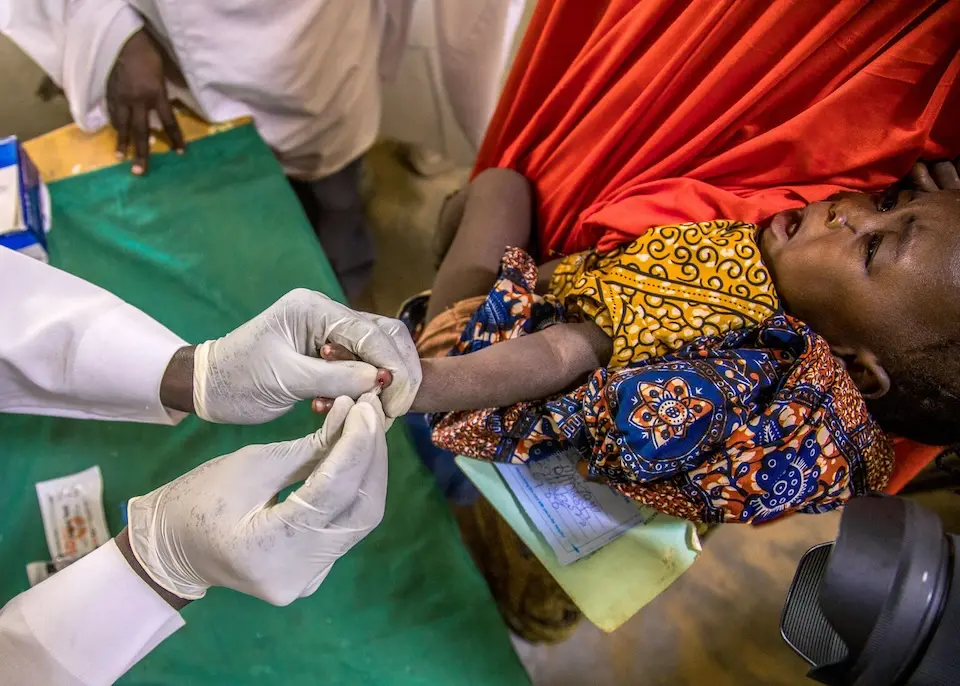
Cost-effective tools that strengthen prevention and help ensure effective treatment of malaria cases include:
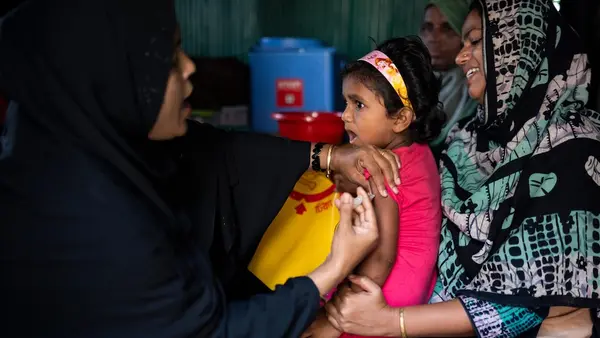
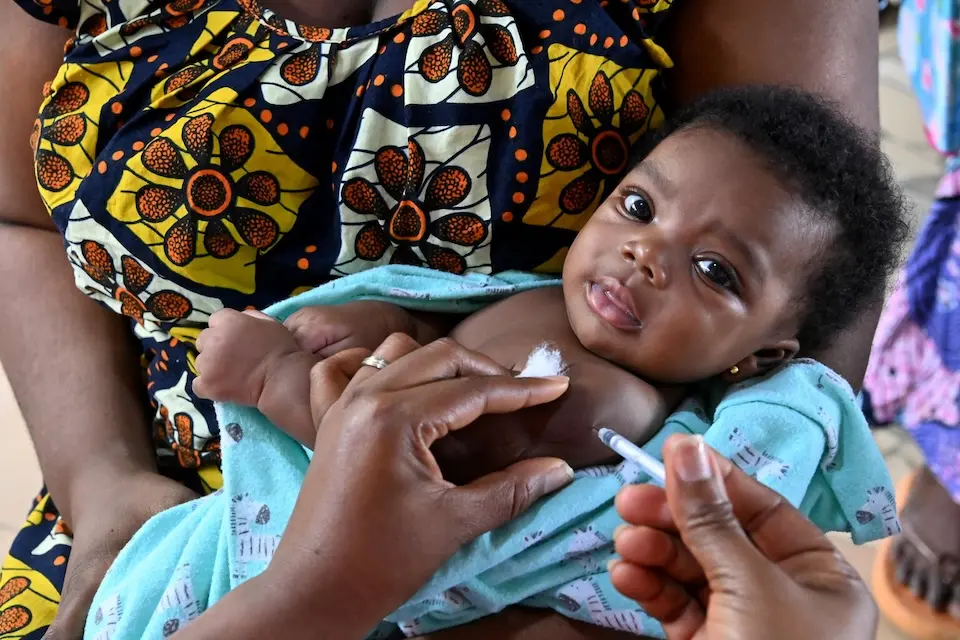
- Vaccines — both the RTS,S/AS01 and R21/Matrix-M vaccines are recommended to help protect children from Plasmodium falciparum malaria, the deadliest malaria parasite and the most prevalent in Africa; when given seasonally in high-transmission areas, malaria vaccination is able to reduce malaria cases by as much as 75 percent
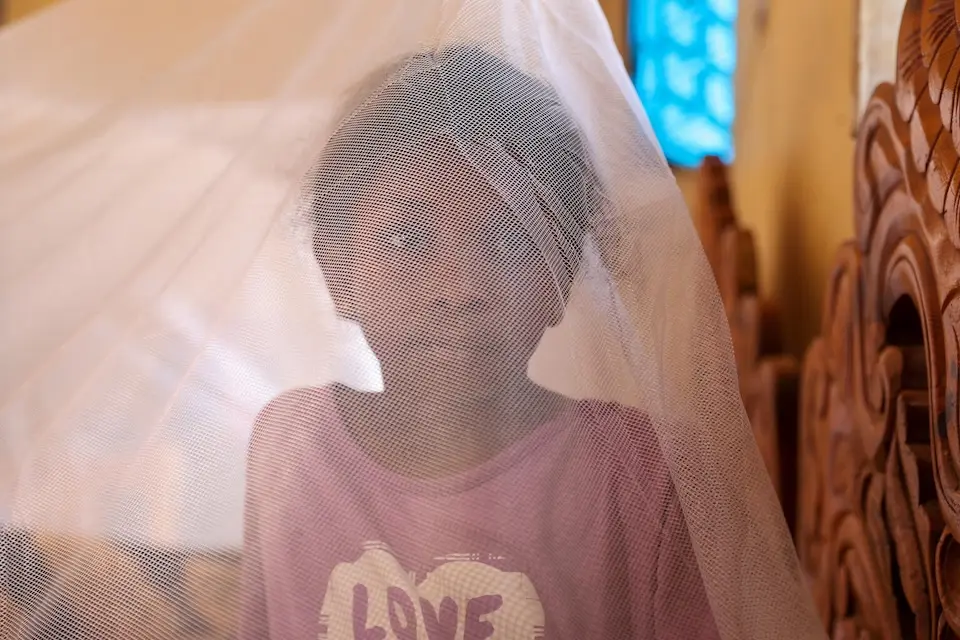
- Insecticide-treated bed nets — considered an essential means of protection, providing a barrier against mosquito bites during the night
- Diagnostic tests — important for early detection
- Anti-malarial medications — supporting treatment and recovery
- Community education programs — disseminating information so that families can better recognize symptoms and act during the critical period when the disease is treatable
UNICEF is on the front lines, working with governments and other partners to ensure that all of these tools and resources are available to children and families who need them most.
Learn more about what UNICEF does to support children's health
Expanding access to malaria vaccines through partnerships
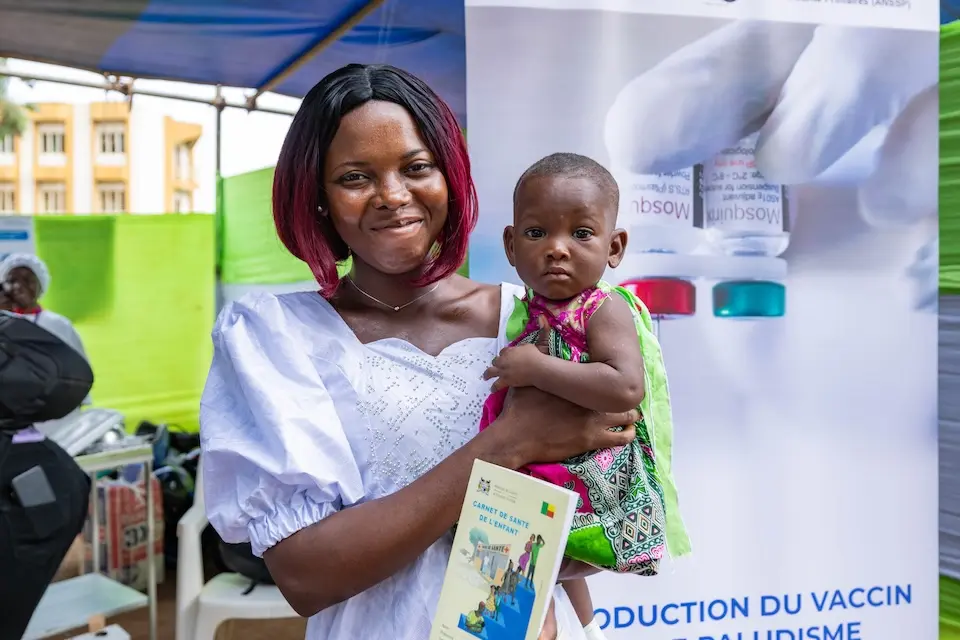
As the world’s largest vaccine provider — reaching an estimated 45 percent of the world's population of children under 5 with lifesaving immunizations every year — UNICEF has been at the center of efforts to scale up malaria vaccination, focusing on high-risk areas.
A pilot vaccination program in Ghana, Kenya and Malawi, coordinated by WHO with ministries of health with support from UNICEF and other partners, launched in 2019. It was a big success, reaching 3 million children over two years, and resulting in a 13 percent drop in child deaths from all causes — underscoring how much malaria contributes to child mortality in countries with moderate and high malaria burden.
Vaccination is now formally recommended for the prevention of P. falciparum malaria in children living in malaria endemic areas.
UNICEF is a major partner in ongoing efforts to support governments and health workers to introduce and scale-up malaria vaccines, prioritizing areas of moderate and high transmission. In 2023, UNICEF procured and delivered over 6 million malaria vaccine doses, building on pilot programs in Ghana, Kenya and Malawi and expanding to additional countries such as Burkina Faso, Cameroon and Sierra Leone.
Distribution has since expanded to many more countries, including Benin, Burundi, Central African Republic, Chad, Côte d’Ivoire, the Democratic Republic of the Congo, Liberia, Mali, Mozambique, Niger, Nigeria, South Sudan, Sudan and Uganda. By 2026, over two dozen countries in Africa had malaria vaccination programs.
To help build capacities for successful vaccination implementation, UNICEF supports the training of health care workers, helps improve vaccine storage infrastructure, and works with local and religious leaders to overcome vaccine hesitancy and encourage families to participate in vaccination campaigns.
In partnership with Gavi, the Vaccine Alliance, UNICEF continues to work toward making malaria vaccines more accessible and more affordable while also assisting governments with integrating malaria vaccination into their routine childhood immunization programs.
Read more: Dispatch from the Front Lines of the Malaria Fight
Protecting children affected by malaria in Sudan
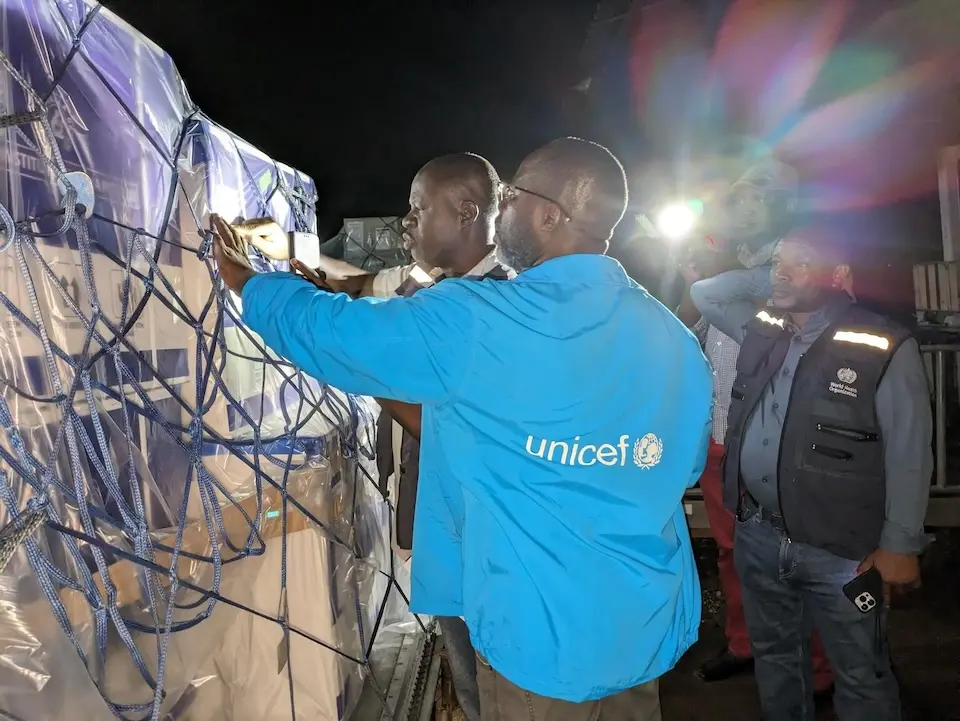
UNICEF is also helping to fight malaria in emergency contexts. In war-ravaged Sudan, UNICEF is working with Sudan's Ministry of Health and other partners to scale up distribution of anti-malarial bed nets, testing kits and vaccines.
Read more about how UNICEF is helping children and families impacted by war in Sudan
UNICEF works in over 190 countries and territories to ensure children are healthy, educated, protected and respected.
Frequently asked questions about malaria
What is malaria, how is malaria transmitted and what causes malaria?
Malaria is a disease transmitted through bites from infected mosquitos carrying Plasmodium parasites. While it is not transmitted by general human-to-human contact, the disease can also be spread by transfusions of infected blood and shared needles.
Where is malaria most common?
The type of mosquitoes that carry the parasite causing malaria thrive in warm climates. A majority of cases are found in sub-Saharan Africa. Young children are particularly vulnerable to the disease.
Why is World Malaria Day observed?
World Malaria Day is a chance to raise awareness among the general public and to mobilize global efforts to increase funding and political will to scale up prevention, treatment and elimination efforts. The theme for World Malaria Day 2026 is “Driven to end malaria: We can. We must.”
HOW TO HELP
There are many ways to make a difference
War, famine, poverty, natural disasters — threats to the world's children keep coming. But UNICEF won't stop working to keep children healthy and safe.
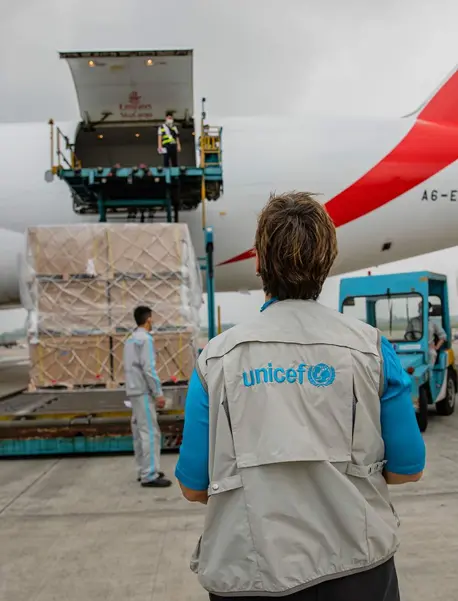
UNICEF works in over 190 countries and territories — more places than any other children's organization. UNICEF has the world's largest humanitarian warehouse and, when disaster strikes, can get supplies almost anywhere within 72 hours. Constantly innovating, always advocating for a better world for children, UNICEF works to ensure that every child can grow up healthy, educated, protected and respected.
Would you like to help give all children the opportunity to reach their full potential? There are many ways to get involved.