Tackling the Climate Crisis in Timor-Leste
Droughts, landslides and flash floods have become routine events in Timor-Leste, disrupting the lives of entire communities and making it harder for children and their families to access essential services. UNICEF and partners are redesigning systems to withstand climate shocks.
The climate crisis is a child rights emergency
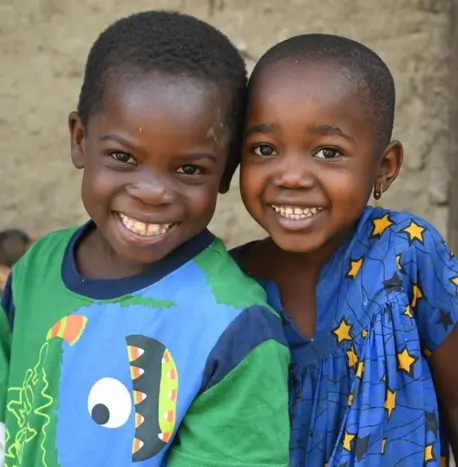
The carbon footprint of children and families in Timor-Leste is next to nothing, yet they are experiencing some of the most intense impacts of a changing climate. Flooded classrooms, shuttered health clinics and crop failures have become everyday realities for children in the small island nation in Southeast Asia.
The climate crisis is not just an environmental issue. It threatens every aspect of childhood. UNICEF and partners in Timor-Leste are meeting the moment by redesigning the systems children depend on: constructing solar-powered schools, supporting climate-resilient health clinics, building social protection systems that anticipate rising needs.
Video: designing resilient systems to withstand climate shocks
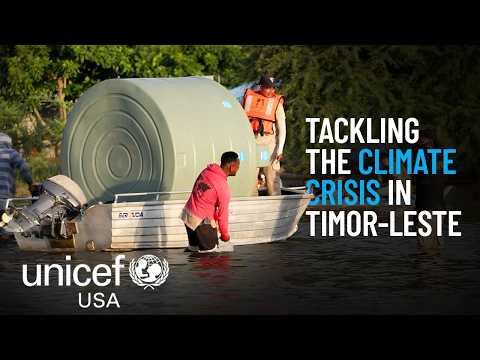
UNICEF supports child-centered climate adaptation and advocates for every child's right to a safe and healthy childhood
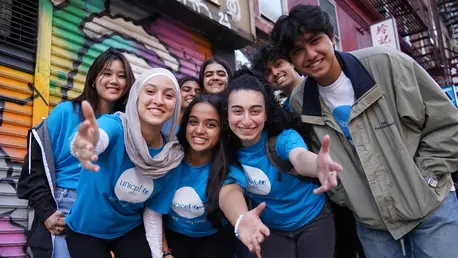
Over 1 billion children around the world are exposed to at least three overlapping climate hazards, threatening their ability to grow up healthy and happy, according to UNICEF's 2026 Climate Risk Report. To protect childhoods, UNICEF's cross-cutting climate response builds resilience and supports disaster-management strategies and sustainable energy solutions around the world while advocating for child-sensitive climate policies and mobilizing young people to act as agents of change in their communities.
Climate action is "not just about carbon," says UNICEF Global Spokesperson James Elder. "It's about fairness — fairness for boys and girls around the world. So we need to be angry enough to care and then inspired and informed enough to act."
Learn more about how UNICEF is responding to the climate crisis.
Support UNICEF's mission. Donate today.
HOW TO HELP
There are many ways to make a difference
War, famine, poverty, natural disasters — threats to the world's children keep coming. But UNICEF won't stop working to keep children healthy and safe.
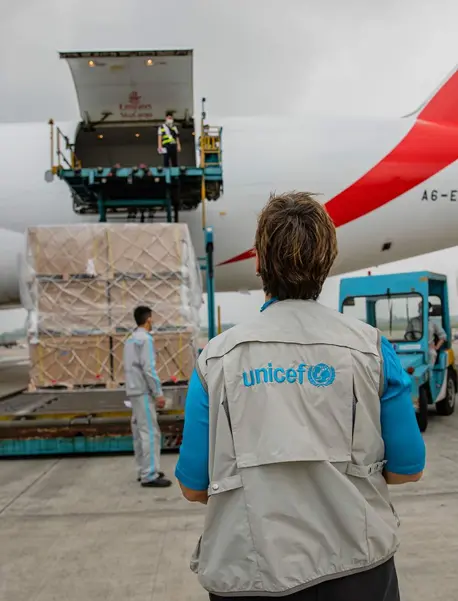
UNICEF works in over 190 countries and territories — more places than any other children's organization. UNICEF has the world's largest humanitarian warehouse and, when disaster strikes, can get supplies almost anywhere within 72 hours. Constantly innovating, always advocating for a better world for children, UNICEF works to ensure that every child can grow up healthy, educated, protected and respected.
Would you like to help give all children the opportunity to reach their full potential? There are many ways to get involved.