At Least 1.6M Children at Risk as Hurricane Melissa Moves Through Caribbean
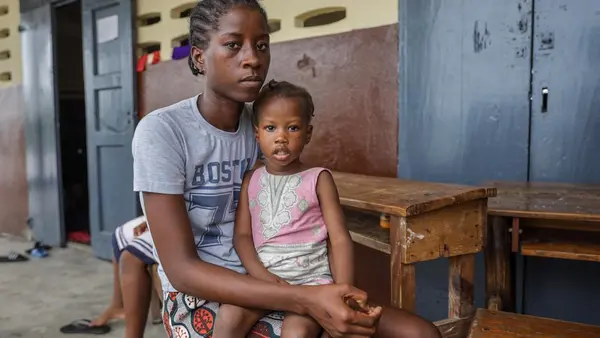
UNICEF is supporting emergency preparedness and response efforts across the region as Hurricane Melissa moves slowly across the Caribbean Sea. Countries including Jamaica, Haiti, Cuba and the Dominican Republic are expected to endure several days of intense weather that could disrupt basic services for children, particularly in vulnerable coastal areas.
updated Oct. 30, 2025
Hurricane Melissa is the strongest storm of the 2025 Atlantic hurricane season
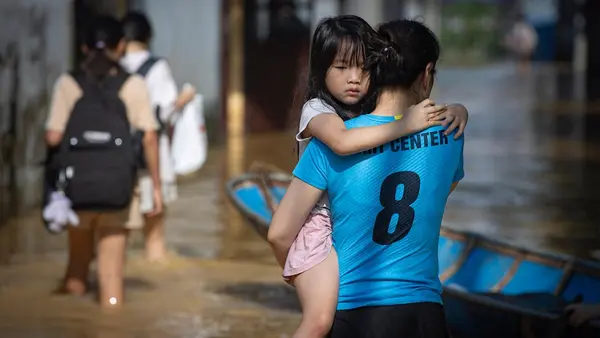
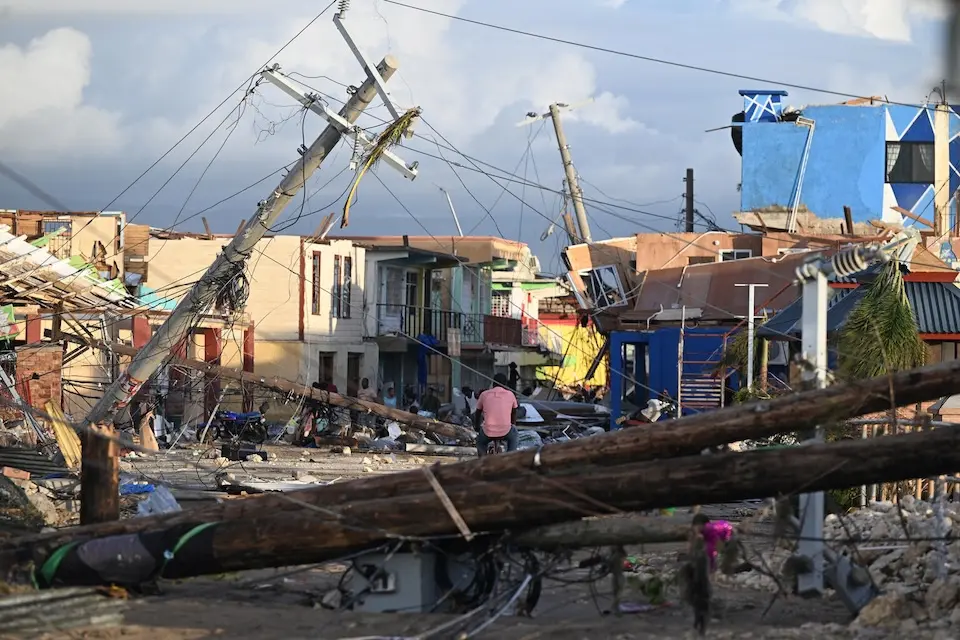
Slow-moving Hurricane Melissa made landfall as a Category 5 storm in Jamaica on Oct. 28, 2025 with winds over 175 miles per hour, causing widespread damage to homes and hospitals and cutting power for hundreds of thousands. It also directly hit Cuba, and affected the Caribbean islands of Haiti and the Dominican Republic, leaving a heavy toll of displaced children and families. Infrastructure has been left broken, crops destroyed and essential services such as health and education have been disrupted.
“In the wake of relentless floods across the Caribbean, hundreds of thousands of children have seen their lives upended suddenly,” Roberto Benes Regional Director for Latin America and the Caribbean, said on Oct. 30. “Children urgently need food, safe drinking water and sanitation, access to health and nutrition services and a path back to education.”
In the days and weeks before the storm, UNICEF worked with national authorities and partners to support emergency preparedness efforts by pre-positioning lifesaving supplies, sharing early warning messages with communities and providing humanitarian cash assistance to households at risk in Jamaica and the south of Haiti to mitigate the storm's impact.
UNICEF is leading or co-leading coordination efforts in WASH (water, sanitation and hygiene), education, nutrition and child protection in Cuba and Haiti, and co-chairing the UN Emergency Technical Team in Jamaica.
All efforts to prepare for the arrival of the hurricane are vital to mitigate damage and loss of life in the most vulnerable communities, especially in regions like the Caribbean. Small islands always face heightened vulnerability to extreme climate events. — Roberto Benes, UNICEF Regional Director for Latin America and the Caribbean, on Oct. 26
“All efforts to prepare for the arrival of the hurricane are vital to mitigate damage and loss of life in the most vulnerable communities, especially in regions like the Caribbean. Small islands always face heightened vulnerability to extreme climate events,” Benes said on Oct. 26. “UNICEF helps strengthen national capacities to anticipate and respond to climate-related emergencies, and to deliver essential services for children. This is fundamental to protecting those who need it most.”
Learn more about how UNICEF works to protect and support children affected by hurricanes
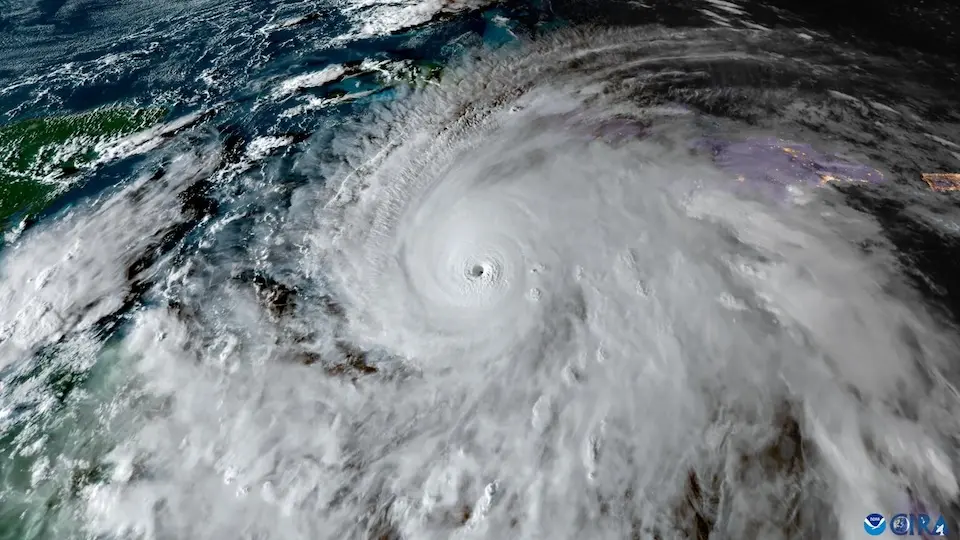
UNICEF and partners prepared for landfall as hurricane wind speeds topped 175 miles per hour
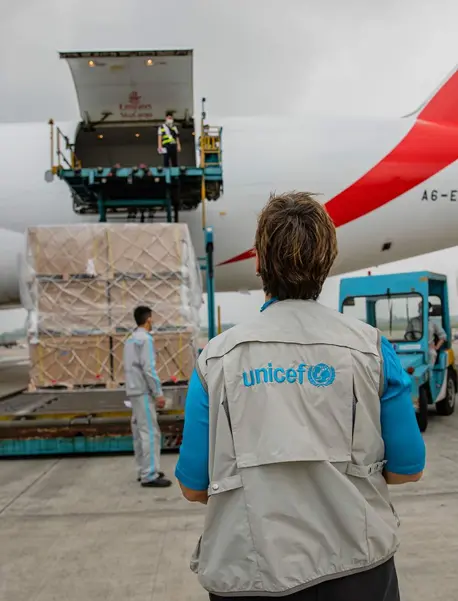
UNICEF’s preparedness measures include pre-positioning 4,000 water containers in Jamaica, 2,900 hygiene kits in Haiti and 1,300 hygiene kits sent to eastern Cuba. An additional 4,000 hygiene kits, water purifiers, tents and water containers are being shipped from Barbados and Panama to Jamaica and Cuba. Health facilities in Haiti have been stocked with enough nutrition supplies to last from one to three months.
At least 700,000 children are at risk in Jamaica, according to UNICEF estimates. UNICEF will support emergency cash transfers for 10,000 children and vulnerable families in Jamaica through the PATH (Program of Advancement Through Health and Education) program. In Haiti, UNICEF has delivered anticipatory cash transfers to around 8,000 households.
The situation is particularly grave in Haiti, where armed groups control more than 85 percent of the capital, Port-au-Prince, and the number of children displaced by violence has almost doubled over the past year. Over 1.3 million people are already displaced; families are struggling to cope amid collapsing services and lack of humanitarian access.
Learn more about UNICEF's ongoing support for children and families in Haiti

UNICEF responds to hundreds of emergencies every year
UNICEF has been supporting emergency preparedness efforts throughout the region on an ongoing basis as part of its commitment to building resilience and reducing disaster risks. Extreme weather events have become more frequent and more intense in the region and all around the world as a result of climate change.
In the past decade, approximately 11 million people, including nearly 4 million children, have been directly affected every year by natural and human-made hazards in Latin America and the Caribbean. In 2024, the region experienced a very active and destructive hurricane season with 18 named storms and 11 hurricanes, five of them major, including Hurricane Beryl.
UNICEF responds to hundreds of emergencies every year — including weather-related disasters such as hurricanes — focusing on vulnerable communities in the hardest-hit areas.
Right now, the lives of the most vulnerable children hang in the balance as conflicts and crises jeopardize the care and protection that they deserve. Dependable, uninterrupted and effective foreign aid is critical to the well-being of millions of children. Please contact your members of Congress and urge them to support ongoing U.S. investments in foreign assistance.
HOW TO HELP
There are many ways to make a difference
War, famine, poverty, natural disasters — threats to the world's children keep coming. But UNICEF won't stop working to keep children healthy and safe.
UNICEF works in over 190 countries and territories — more places than any other children's organization. UNICEF has the world's largest humanitarian warehouse and, when disaster strikes, can get supplies almost anywhere within 72 hours. Constantly innovating, always advocating for a better world for children, UNICEF works to ensure that every child can grow up healthy, educated, protected and respected.
Would you like to help give all children the opportunity to reach their full potential? There are many ways to get involved.