Impact of UNICEF Humanitarian Action in 2024 — Annual Report
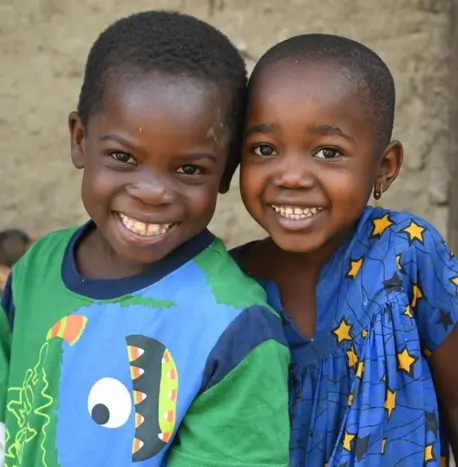
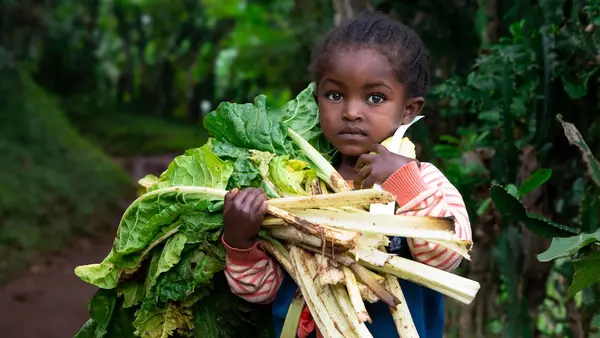
Meet Seraphin, Shaila, Maribel, Nanvuma and Fatima. They are just a few of the tens of millions of children UNICEF reached last year with lifesaving, life-sustaining support and protection. The 2024 results report is in, and here are some of the highlights.
In the face of relentless conflict, climate emergencies and natural disasters, an estimated 183.5 million children required humanitarian assistance last year. And UNICEF teams around the world responded.
Alongside partners, UNICEF reached tens of millions of children and families in 2024 through humanitarian action supporting children's health, nutrition, education and protection, according to its latest results report.
As children were forcibly displaced; as they were killed or injured or suffered other grave violations of their rights; as they were left malnourished or without health care, their education disrupted — UNICEF delivered:
- clean water and sanitation for 41 million people
- measles vaccinations for 24.7 million children
- early detection and treatment of wasting and other forms of malnutrition, benefiting more than 109 million children under age 5
- access to education for 9.2 million children and adolescents
- community-based mental health and psychosocial support services for 22.3 million children
- interventions to prevent gender-based violence and support survivors for 17.7 million children and women
- humanitarian cash assistance for 3.6 million households
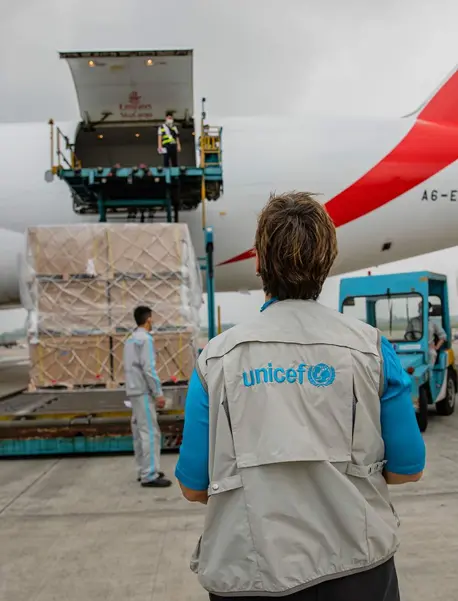
- $1.234 billion worth of supplies to support emergency response
The totality of this impact was made possible with $3.02 billion in humanitarian funding — voluntary contributions from a range of public- and private-sector partners and supporters that included the kind of flexible funding UNICEF depends on to be able to respond swiftly to unfolding emergencies and to address chronic needs of children in some of the world's most challenging environments.
Meet some of the children behind these numbers.
Seraphin in DRC
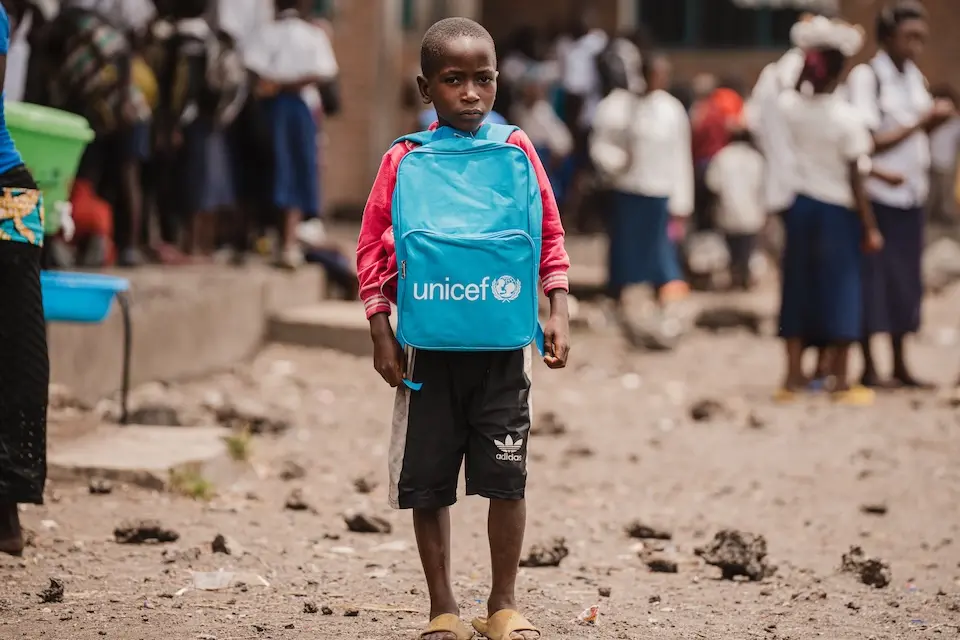
Seraphin, 10, fled with his family to escape violence in Nyamitaba and settle in Bulengo. UNICEF, with partner support, facilitated the construction and rehabilitation of 17 temporary classrooms and the distribution of 3,000 school kits at the Bulengo primary school, where Seraphin, who is in his third year of primary school, can now continue his education.
"When I fled the war, I had to leave my notebooks behind," he says. "When I arrived in Bulengo, I could attend classes, but I didn't have any supplies to take notes. From now on, I'll finally be able to take notes and revise lessons at home."
Shaila in Bangladesh
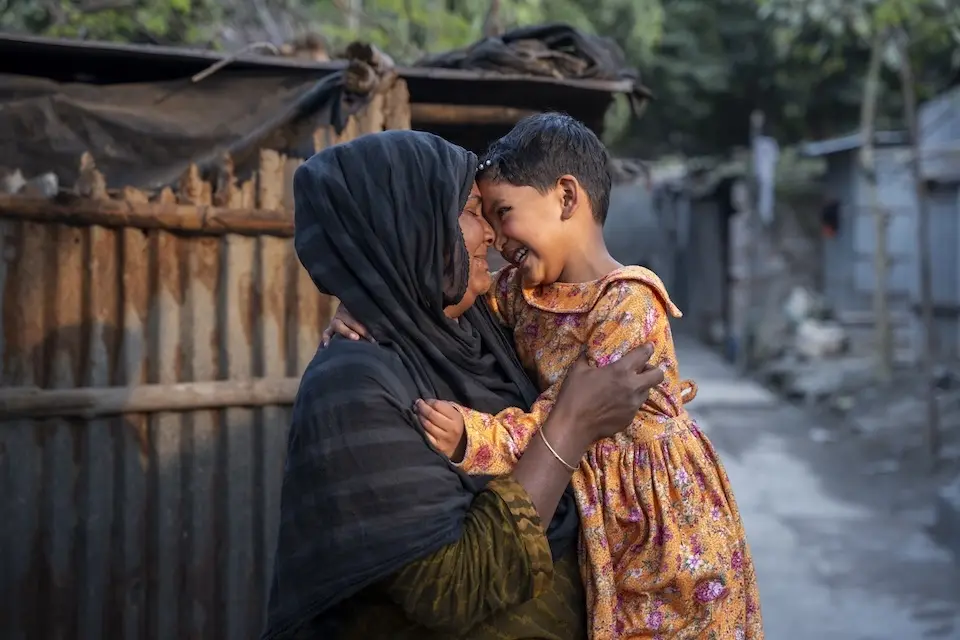
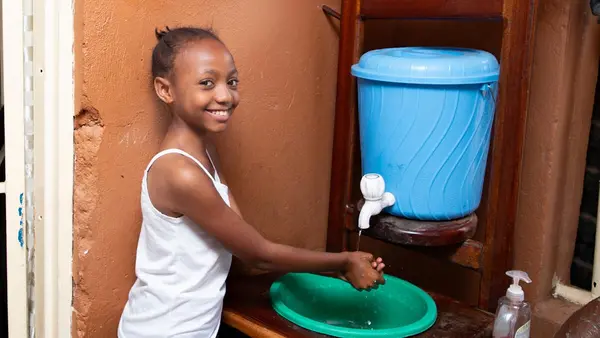
Shaila and her family reside in an urban slum in Rajshahi city, home to 200 low-income families. They have long endured living conditions contaminated by foul sewage. The latrine pits, which stored waste, leaked untreated feces and wastewater into drains, eventually contaminating a nearby pond.
Climate change-related droughts, floods or cyclones exacerbate the situation, as low-quality latrine pits and septic tanks become inundated or severely damaged, increasing health and safety risks, especially for children.
UNICEF supported the construction of a drain in front of the house, while also providing clean water as part of an ongoing initiative to health concerns caused by unsanitary conditions and improve the overall well-being of the children.
Now, with cleaner surroundings and access to clean water, Shaila and her elder sister, Ria, can play safely without the risk of falling ill.
Maribel in Colombia
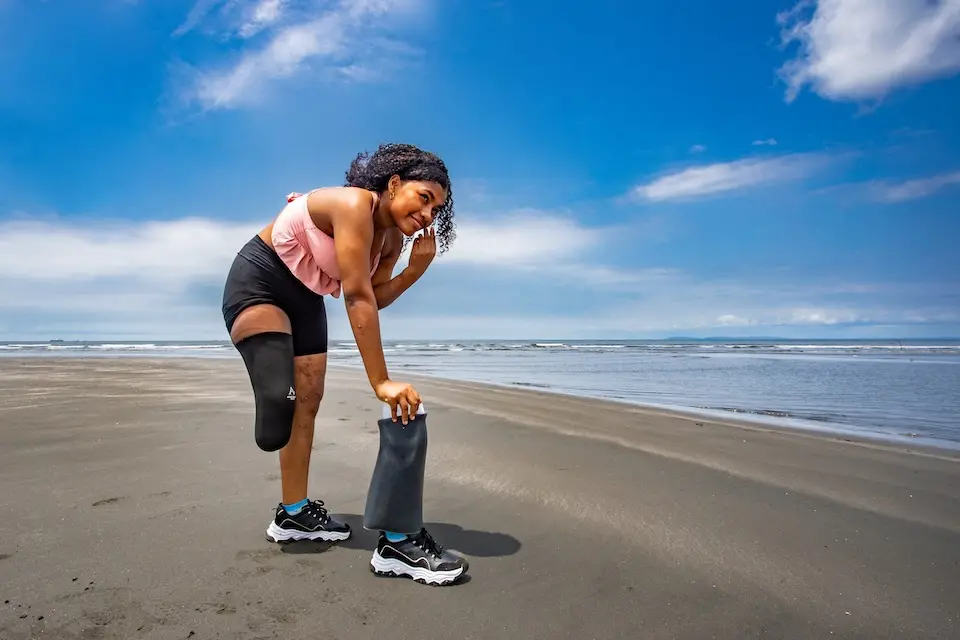
Maribel, 17, lives with her family in Tumaco. She dreams of becoming a lawyer to defend others against injustice. At 16, she faced war head-on: armed confrontations, explosions, crossfire. She stepped on a land mine and lost part of her right leg.
Colombia is one of the countries most contaminated by anti-personnel mines in the world, with more than 100 victims per year, 60 percent of them civilians. Many mines have accumulated during years of armed conflict, and new ones appear every day due to the increase in confrontations and new hostilities between armed actors.
Learn about how UNICEF protects children from unexploded ordnance and landmines
With UNICEF support, Maribel was able to enroll in a local school — taking an acceleration course to make up for lost time — and finished high school in one year. She now hopes to go to university and continue her higher education.
"I want to be a lawyer to fight injustice," Maribel says. "But if I can't study for that career because it's difficult to go to university, I want to help other young women like me who have been injured by landmines to get ahead.”
Nanvuma in Uganda
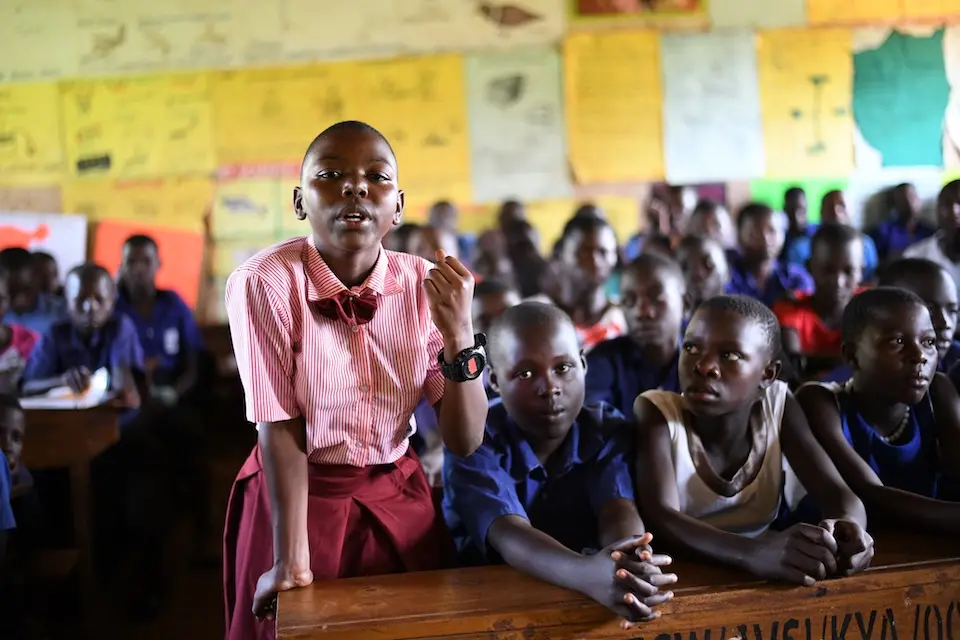
Nanvuma, a 12-year-old pupil at Bugoma Primary School in Kikuube district, Uganda, says she has gained confidence and has learned to socialize and make friends both at school and outside school thanks to a life skills course supported by UNICEF in partnership with the Ministry of Education and Sports. The program focuses on helping adolescent girls acquire 21st-century skills that will make them resilient to a range of vulnerabilities, including the risks of teenage pregnancy and gender-based violence.
More about how UNICEF helps youth build life skills — and why it matters
Fatima in Syria
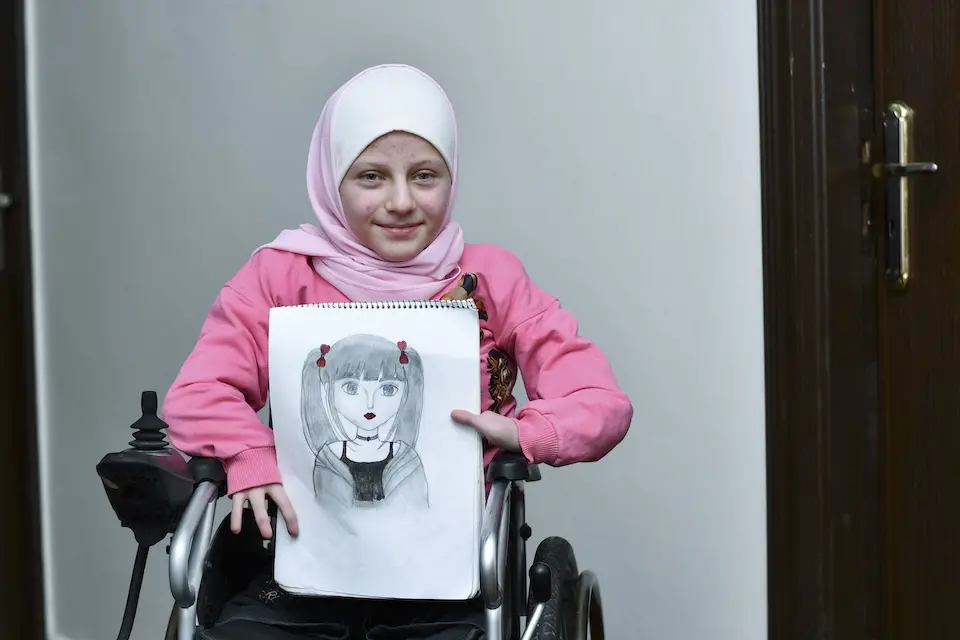
Fatima, 12, of Arbin, Rural Damascus, Syria, was born with limb deformities. “I used to feel overwhelmed speaking to anyone outside my family," she says. "I had never spoken to a large group of people." Connecting with a UNICEF-supported mobile child protection team led her to receive a range of mental health and psychosocial support activities, including drawing lessons — all of which helped her overcome her feelings of isolation and social anxiety. “I’ve always dreamed of becoming a painter, and now I feel like I’m taking real steps toward making that dream a reality."
In November 2024, the mobile team organized a celebration in Hammorieh village, where Fatima participated and recited poems, receiving a standing ovation. “For the first time, I truly felt equal to the other children my age,” Fatima said. “I felt like wings sprouted on my back, and I was flying."
For a more detailed look at the humanitarian situation of children in 2024, and how UNICEF engaged with partners at the local, regional and global levels to save lives, protect childhoods and ensure that children’s rights were upheld, read the full report: UNICEF's Global Annual Results Report 2024: progress achieved and lessons learned
Right now, the lives of the most vulnerable children hang in the balance as conflicts and crises jeopardize the care and protection that they deserve. Dependable, uninterrupted and effective foreign aid is critical to the well-being of millions of children. Please contact your members of Congress and urge them to support ongoing U.S. investments in foreign assistance.
HOW TO HELP
There are many ways to make a difference
War, famine, poverty, natural disasters — threats to the world's children keep coming. But UNICEF won't stop working to keep children healthy and safe.
UNICEF works in over 190 countries and territories — more places than any other children's organization. UNICEF has the world's largest humanitarian warehouse and, when disaster strikes, can get supplies almost anywhere within 72 hours. Constantly innovating, always advocating for a better world for children, UNICEF works to ensure that every child can grow up healthy, educated, protected and respected.
Would you like to help give all children the opportunity to reach their full potential? There are many ways to get involved.