Focusing on Children With the Greatest Needs — Wherever They Are
Around the world, children caught in conflict, displacement, public health emergencies and other crises continue to face unprecedented hardship. UNICEF's global appeal for 2026 emphasizes the need to adapt the humanitarian response amid diminishing resources, and the importance of flexible funding to drive equitable, sustainable impact. A look at some of the ways UNICEF is already delivering for children and families, and where more support is urgently needed.
Flexible funding is more important than ever
On Dec. 10, 2025, UNICEF launched its Humanitarian Action for Children (HAC) 2026 appeal, requesting $7.66 billion to reach 117 million people in need, including 73 million children, in 133 countries and territories.
The appeal comes on the heels of yet another year of unimaginable challenges for children — a year of mounting conflicts, displacement and conflict-related disasters. Many children live in protracted crises, leaving entire generations at risk of under-nutrition, denied education, exposed to disease outbreaks and deprived of safety and stability.
At the same time, steep funding cuts are testing the resilience of UNICEF's humanitarian response and programming.
UNICEF is adapting to operate effectively within this shifting landscape, by leaning into local partnerships and doubling down on preparedness, system strengthening, resilience building and other longer-term solutions that also support development and peace building.
In 2025, even as funding fell, UNICEF found ways to work faster, smarter and better. The 2026 HAC details how UNICEF will keep delivering, while sharpening its focus on the most critical needs of the children at greatest risk, including those living in chronically underfunded and neglected emergencies.
Flexible funding, already essential, will be more important than ever.
“Change is a necessity — not a choice — to keep children alive and safe and learning,” Lucia Elmi, Director of UNICEF Emergency Operations, said during the virtual HAC launch event.
Here are just a few examples of how UNICEF and partners are already delivering for children around the world, and where some of the most pressing needs lie.
Learn more about UNICEF's plans for Humanitarian Action for Children in 2026
Tackling cholera in DR Congo
The Democratic Republic of the Congo is battling its worst cholera outbreak in 25 years, fueled by limited access to safe water and sanitation services. The crisis is further compounded by persistent conflict, displacement and insecurity in the eastern region, which restrict access to health services; acute climate events such as heavy rains and flooding that damage water and sanitation infrastructure; and rapid, unplanned urbanization that has led to overcrowded cities and overwhelmed water, sanitation and hygiene (WASH) systems.
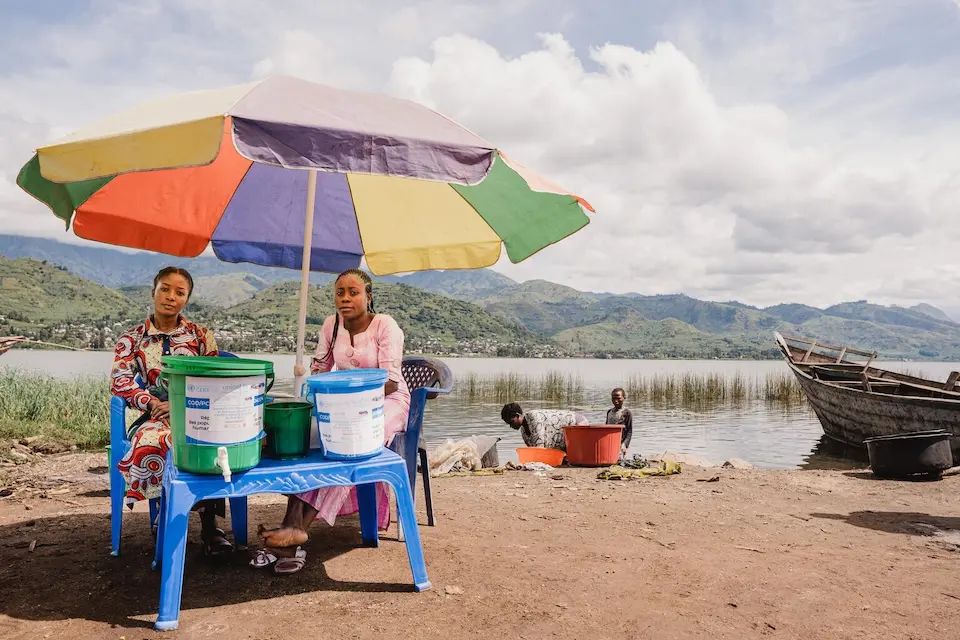
In areas with little prior exposure to cholera, such as Kinshasa, low disease awareness and delays in seeking care are contributing to exceptionally high fatality rates.
UNICEF is supporting rapid response teams working to contain the spread, cholera treatment centers and community engagement initiatives that inform families about prevention, while also working to strengthen WASH facilities in schools, health centers and communities.
More resources are needed to ramp up these efforts, alongside other critical interventions, including skills training and other practical support that helps break cycles of poverty.
Related: Ending Child Poverty: Solutions that Work
UNICEF's DRC response is among the most chronically underfunded.
Learn more about how UNICEF supports children in DR Congo — and how to help
Addressing acute needs in Haiti
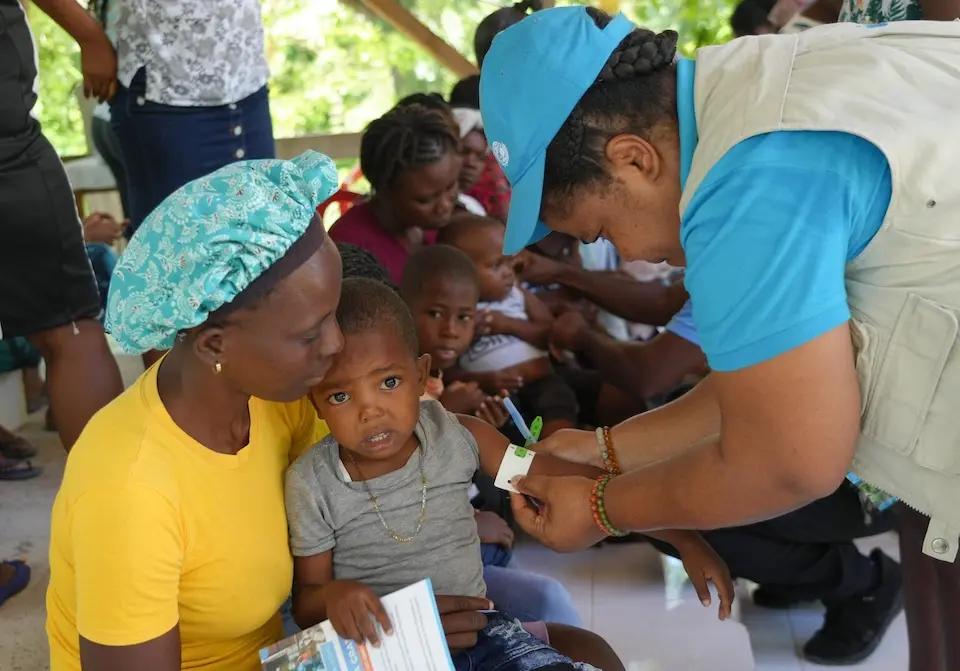
Haiti remains gripped by one of the worst humanitarian crises for children in the world. Armed groups control 90 percent of the capital of Port-au-Prince. Around 1.4 million people are displaced across the country — including more than 741,000 children — and some 5.7 million people face high levels of acute food insecurity.
UNICEF has maintained a steady presence on the ground in Haiti, working with local partners to address a range of emergency needs in health, nutrition, education and child protection. Efforts include supporting mobile clinics and community health workers to deliver maternal and child health care services, immunization and treatment of acute malnutrition. UNICEF also continues to work with local partners to help restore access to safe water.
All these measures and more are part of UNICEF's ongoing emergency response, one that is increasingly focused on strengthening local capabilities to deliver and maintain essential services. Flexible funding is critical to help UNICEF stay nimble in what remains a volatile and dangerous operational environment.
Read more about UNICEF's humanitarian action plan for Haiti in 2026
Offering respite from disaster in Myanmar
Children and families in Myanmar are enduring a steadily deteriorating and increasingly complex humanitarian crisis, driven by conflict and displacement and compounded by natural hazards, economic instability and the erosion of essential social services they depend on.
These overlapping shocks are upending lives and livelihoods across the country, leaving nearly 3.6 million people — more than one-third of them children — internally displaced, forced from their homes, schools and communities. The devastating 7.7-magnitude earthquake of March 28, 2025, followed by more than 235 aftershocks, has further strained already stretched coping capacities, pushing more families into extreme vulnerability.
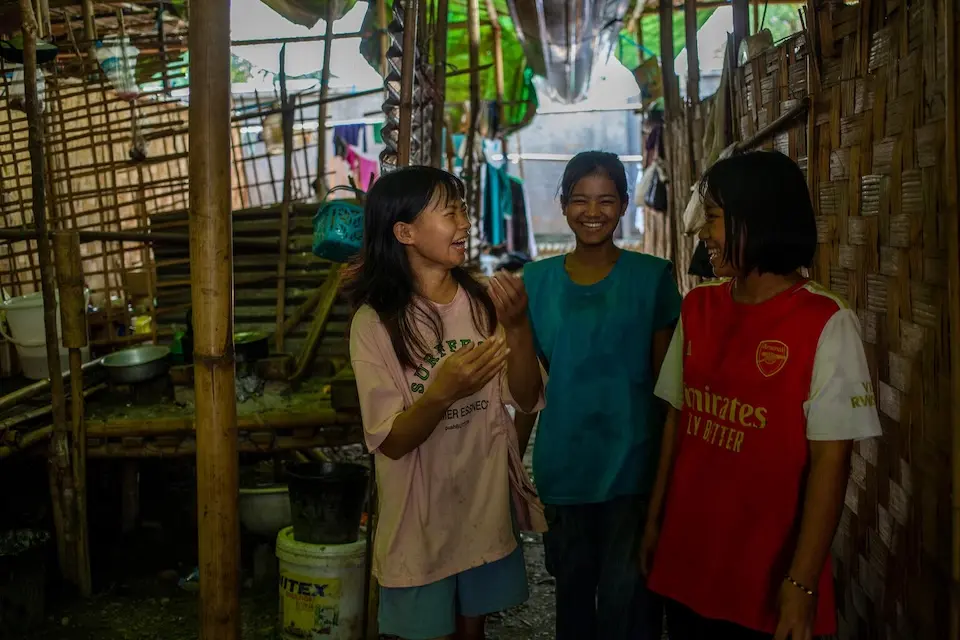
Child-friendly spaces are an important part of UNICEF's ongoing emergency response in the country, providing impacted children and adolescents a respite from the stresses of life. With partner support, UNICEF establishes, equips and staffs these facilities at displacement camps and in communities, to provide a safe place for kids to reconnect with peers, get back to learning, access psychosocial support, engage in sports and recreational activities — and just be a kid.
UNICEF's emergency response in Myanmar is reaching children and families in need, but more flexible funding is required to sustain the impact of ongoing humanitarian support programs, and to enable increased investment in development initiatives that are crucial for promoting long-term resilience and stability in the country.
Learn more about how UNICEF supports children in Myanmar and how to help
Protecting children caught in conflict in Sudan
As the 2026 HAC makes clear, ensuring access to education is foundational to UNICEF's humanitarian action for children in Sudan and many other emergency contexts.
Keeping kids in school is not only crucial for fulfilling their rights to an education — it is also an effective way to protect children and adolescents caught in conflict and other crises from violence, exploitation and abuse, while also protecting their mental health.
Spending the day in a classroom reduces the risk that a child will be recruited and used by armed groups. Staying in school helps protect girls from an early marriage, a common coping mechanism for families in times of desperation.
In emergencies, school is often the place where kids can get access to nutrition, health and other essential services that are so vital to children's recovery and well-being.
In short, education is a lifeline.
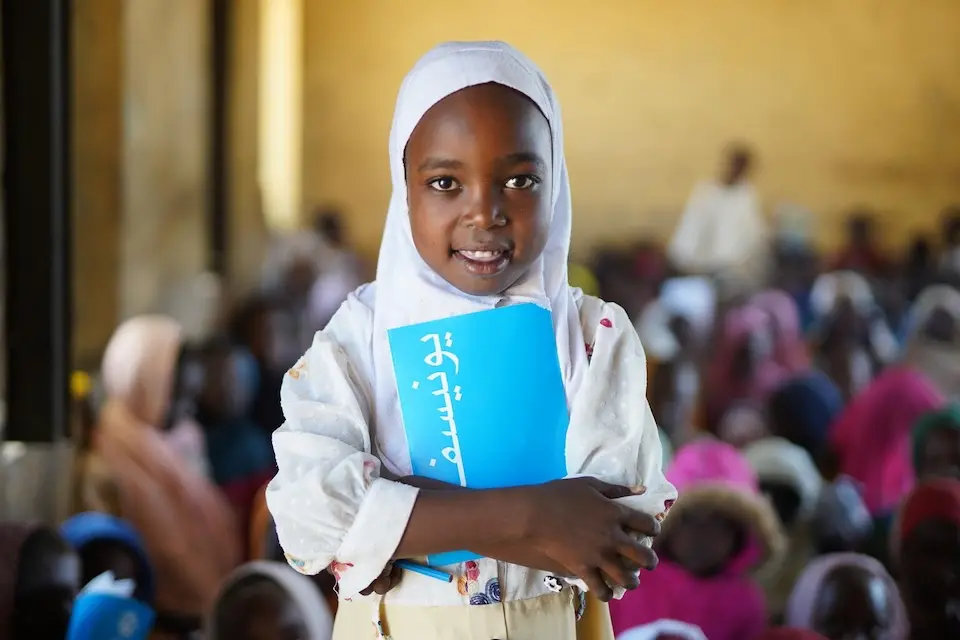
As such, supporting the continuity of education for displaced children and children in host communities remains a pillar of UNICEF's ongoing response to the war in Sudan, alongside other lifesaving interventions focused on child survival and protection, such as preventing and treating severe acute malnutrition and disease.
The target for 2026 in Sudan is to reach 1.6 million children with formal or non-formal education, including early learning.
Read more about UNICEF's humanitarian action plan for Sudan in 2026
Rebuilding futures in Syria
After 14 years of civil conflict, Syria is at a time of transition. Roughly 1 million refugees have returned to the country, in many cases having lived in neighboring host countries for years, and displaced families have moved back to homes in neighborhoods that still bear the scars of war. Across the country, explosive remnants of war continue to claim lives and injure children.
UNICEF remains committed to helping the country with its recovery, and helping to sow the seeds of development — rebuilding schools and water and health systems and otherwise helping to lay a foundation for a sustainable future.
In Syria, as in many other countries, UNICEF is also focusing more on building local capacities, strengthening local institutions and otherwise enabling local actors to manage and sustain essential services. This is where humanitarian work also supports long-term development — and where flexible resources are especially helpful.
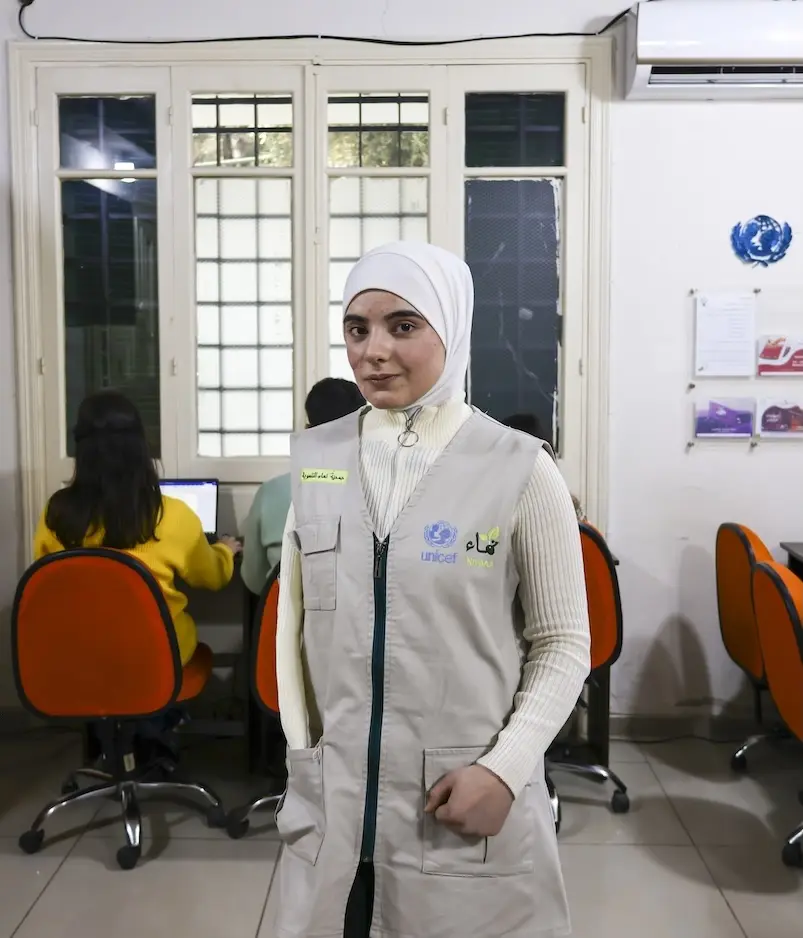
The story of Cidra, 16, of Aleppo City helps illustrate the kinds of interventions that help effect lasting change in the country. Cidra lost her arm at age 6 in a missile attack that killed her younger brother Ahmad. In 2023, she joined a UNICEF-supported adolescent development center, where she was able to receive vital psychosocial support and learn computer and life skills. She now envisions a brighter future. The center, Cidra says, “made me a stronger person. It helped me move forward in life with greater confidence.”
Cidra is one of hundreds of thousands of young women and adolescent girls in Syria who have already benefited from these centers, which are located all across the country. The program is one of many that UNICEF supports as part of its ongoing Syria response — yet another chronically underfunded emergency.
Read about UNICEF's humanitarian action plan for Syria in 2026
UNICEF urgently needs to increase its flexible funding to ensure a more equitable humanitarian response for children mired in protracted crises around the world. With so many chronically underfunded emergencies, unrestricted giving is more important now than ever.
Right now, the lives of the most vulnerable children hang in the balance as conflicts and crises jeopardize the care and protection that they deserve. Dependable, uninterrupted and effective foreign aid is critical to the well-being of millions of children. Please contact your members of Congress and urge them to support ongoing U.S. investments in foreign assistance.
HOW TO HELP
There are many ways to make a difference
War, famine, poverty, natural disasters — threats to the world's children keep coming. But UNICEF won't stop working to keep children healthy and safe.
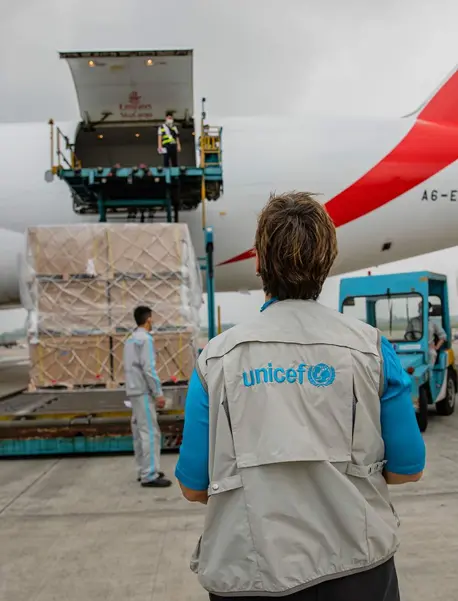
UNICEF works in over 190 countries and territories — more places than any other children's organization. UNICEF has the world's largest humanitarian warehouse and, when disaster strikes, can get supplies almost anywhere within 72 hours. Constantly innovating, always advocating for a better world for children, UNICEF works to ensure that every child can grow up healthy, educated, protected and respected.
Would you like to help give all children the opportunity to reach their full potential? There are many ways to get involved.