Explainer: What Is Famine?
Famine is the most severe form of acute food insecurity. How, and when, is famine declared? And what happens next? Your questions answered.
What is famine?
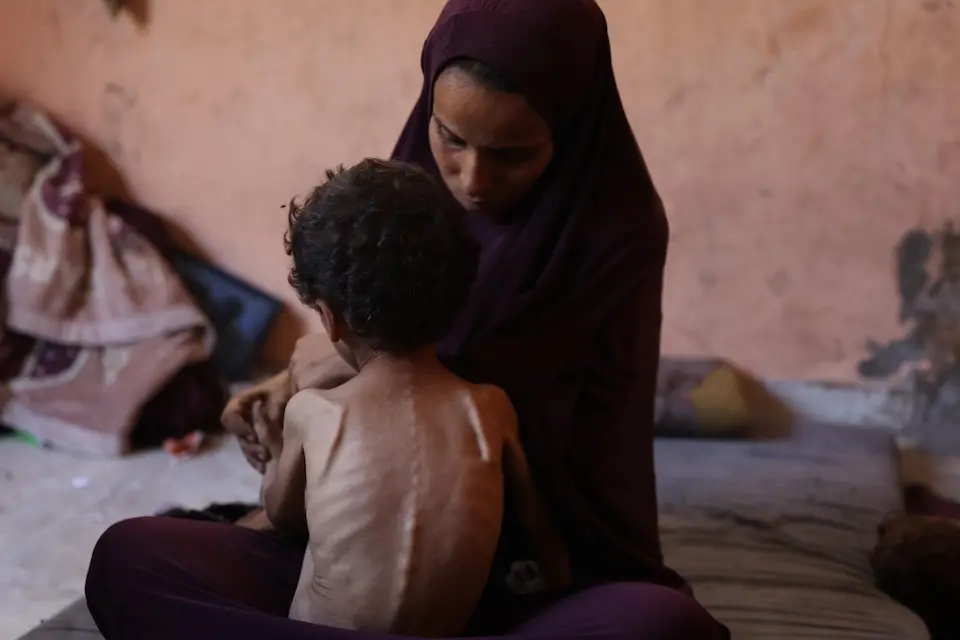
Famine is essentially a technical term that refers to a population facing widespread malnutrition and deaths from starvation or the combination of malnutrition and disease due to a lack of access to food.
When famine is declared in a given area, it means that food, nutrition and health crises are all happening simultaneously, and that these three specific conditions have been met:
- at least 20 percent of households are facing an extreme lack of food
- at least 30 percent of children under age 5 are suffering from acute malnutrition or acute undernutrition
- at least 2 for every 10,000 people are dying each day due to outright starvation or the combined effects of malnutrition and disease
When famine unfolds, children face the greatest risk of experiencing severe food deprivation, severe malnutrition and severe threat of dying.
Who declares a famine?
The internationally recognized Integrated Food Security Phase Classification (IPC) system measures levels of acute food insecurity in phases. Famine is Phase 5, the highest, most severe phase, on the IPC scale.
The IPC — developed in 2004 as part of an initiative to improve food security and nutrition analysis and decision making and now considered the global standard — plays a critical role in identifying famine conditions and informing the response needed to save lives. It is the primary mechanism the international community uses to analyze data and conclude whether famine is happening or projected to happen. Analyses are based on evidence gathered by a wide range of partners and multi-stakeholder technical consensus.
Governments and/or international agencies, not the IPC, are the ones who typically make formal declarations of famine based on IPC reports.
Common drivers of famine and extreme food crises
In many cases, famine is caused by multiple, interrelated factors that are human-made, nature-driven or a combination of both. According to the IPC, the major contributors to famine and food crises are:
- Conflict and war — systems and methods of ensuring access to food, including the delivery of humanitarian assistance, are often disrupted in areas affected by conflict, especially when there is population displacement; people are unable to cultivate the land or gather wild foods and market centers and transport links are destroyed
- Extreme weather — floods, droughts, storms and other weather disasters can easily affect food availability and access
- Economic shocks — conditions leading to loss of employment and declines in household income, disruptions in the food trade, food price inflation and currency volatilities all impact access to food, leading to hunger and malnutrition
Where has famine occurred?
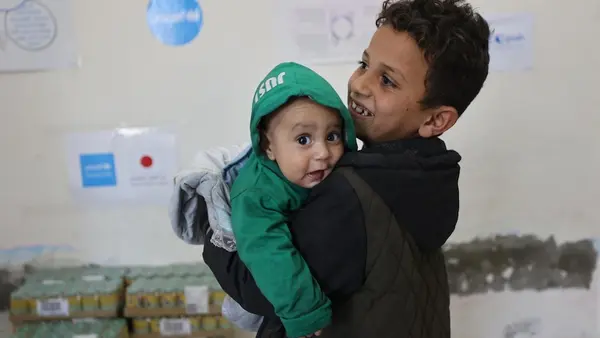
Famine was confirmed in Gaza on Aug. 22, 2025, the first-ever official classification of famine in the Middle East region. Almost two years of conflict, repeated displacement and severe restrictions on humanitarian access — compounded by repeated interruptions and impediments to access to food, water, medical aid, support to agriculture, livestock and fisheries and the collapse of health, sanitation and market systems — have pushed people into starvation.
Parts of Sudan were classified as experiencing famine in 2024, and famine conditions continue in several more as a result of the ongoing conflict that erupted in Khartoum in mid-April 2023 and quickly engulfed the entire country.
Famine was classified by the IPC in South Sudan in 2017 and again in 2020. IPC identified famine in Somalia in 2011.
Modern-day famines are different than the famines that occurred in the 1970s and 1980s, when drought was the main driver in Ethiopia and other nations. The risks of a famine developing today are largely driven by conflict.
Severe food insecurity in Gaza and UNICEF's response
How does the IPC get its information?
The IPC itself does not collect data. The information comes from humanitarian partners like UNICEF who are operating on the ground and positioned to collect and report back on food security, nutrition and mortality trends in a given area; people's livelihoods and the coping strategies they're using to find food; and other useful information gathered during routine monitoring, such as children's MUAC (middle-upper arm circumference) measurements.
When a location is unreachable, mobile phone surveys can be deployed or satellites can be used to generate information.
Technical experts from IPC partners analyze the data to determine a classification from least to most severe. Phase 1 on the severity scale means there is minimal or no food insecurity; Phase 2 means people are facing stress, Phase 3 a food crisis; Phase 4 signals an emergency, Phase 5 five a catastrophe, or famine.
Each of these phases comes with guidance on where and how best to intervene, influencing response priorities and objectives. When famine is suspected, a Famine Review Committee is convened to verify.
The IPC tracks hunger but can also raise alarms ahead of potential widespread acute malnutrition before it transforms into more serious life-threatening conditions.
How does UNICEF respond when famine looms?
UNICEF's response in areas under threat of famine focuses first and foremost on protecting children and their rights, including their right to nutrition. UNICEF often leads multi-agency response operations focused on delivering nutrition support and treatment for malnourished children.
By the time famine is declared, by definition, many deaths from hunger and malnutrition have already occurred. Preventing famine through monitoring, early warning and early response to potential and emerging food and nutrition crises is paramount. So is investing in effective nutrition, health, water and sanitation programs and strengthening social protection systems.
Where conflict is the key driver, it is critical for hostilities to end so that humanitarian assistance can be provided to affected populations and economic activities and basic services can resume.
UNICEF supports an integrated, multi-sectoral approach to ensure famine responses happen early and go beyond immediate food assistance.
Malnourished Children: How UNICEF Fights Child Hunger
Every Child Nourished: UNICEF's nutrition programs
You can help end child malnutrition. Donate today.
HOW TO HELP
There are many ways to make a difference
War, famine, poverty, natural disasters — threats to the world's children keep coming. But UNICEF won't stop working to keep children healthy and safe.
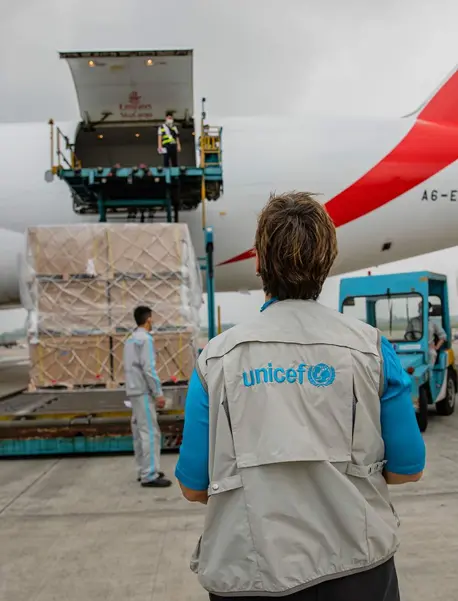
UNICEF works in over 190 countries and territories — more places than any other children's organization. UNICEF has the world's largest humanitarian warehouse and, when disaster strikes, can get supplies almost anywhere within 72 hours. Constantly innovating, always advocating for a better world for children, UNICEF works to ensure that every child can grow up healthy, educated, protected and respected.
Would you like to help give all children the opportunity to reach their full potential? There are many ways to get involved.