The Power of Play in Gaza
Highlights
- Children in Gaza are surrounded by destruction and depravation
- Play helps children in crisis zones heal, connect and feel whole again
- UNICEF delivers play along with other forms of essential aid
- UNICEF provides recreation materials and establishes safe, clean child-friendly spaces
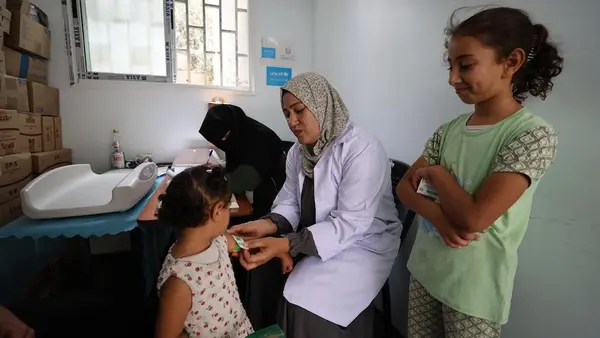
UNICEF-supported sports and recreation activities offer children in the Gaza Strip a much-needed opportunity to play, connect and heal.
Every child deserves to play and learn safely
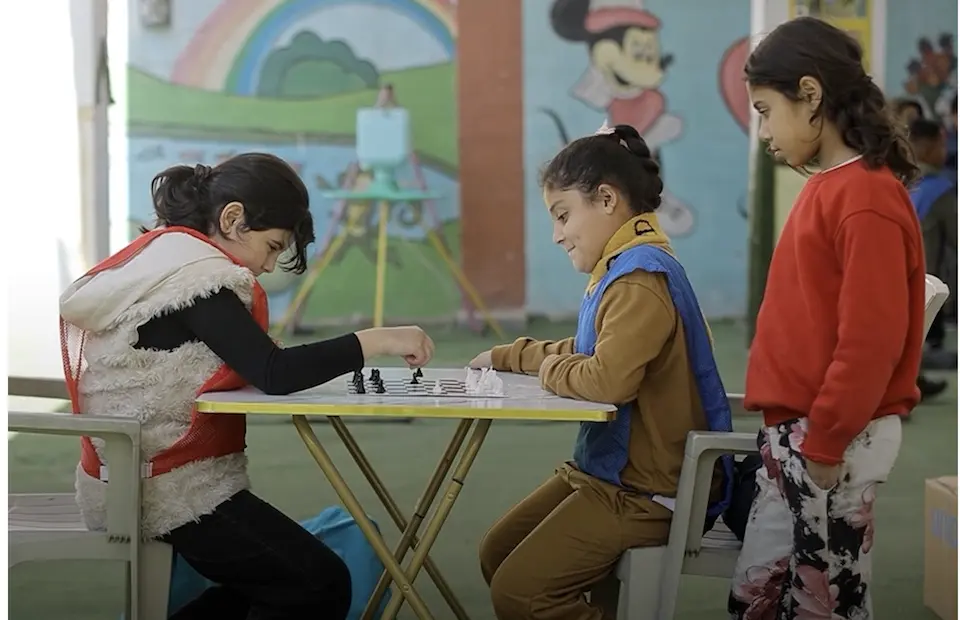
Soccer, volleyball, chess, hopscotch, tug-of-war, jumping rope — for children surrounded by relentless destruction and uncertainty in the Gaza Strip, games and play bring psychological relief, joy and the opportunity to be with friends and loved ones.
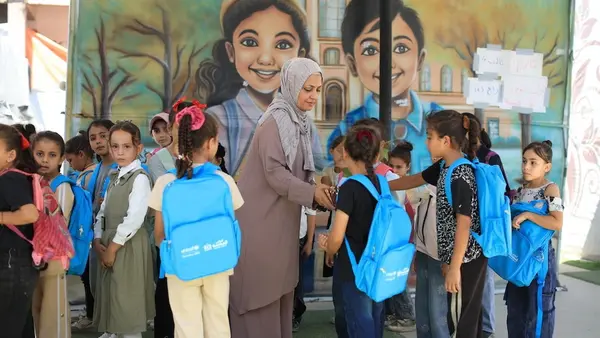
That’s why UNICEF delivers play as an essential form of aid, providing recreational supplies and maintaining child-friendly spaces where children can just be kids for a while. Because every child has the right to play in a safe, clean environment.
Learn more about the importance of sports and play for children worldwide
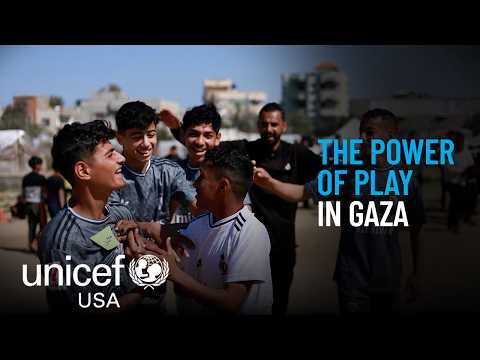
Video:
Why play matters
Crowded into just 40 percent of the available territory at a density equivalent to 100 people in an area the size of a football field, children in Gaza remain in survival mode, living with unimaginable daily stress. Bombardment, quadcopters and drones are a constant presence. More than 200 Palestinian children have been killed since the announcement of a nominal ceasefire in October 2025. Access to nutritious food, safe water, medical care and other essentials remains limited.
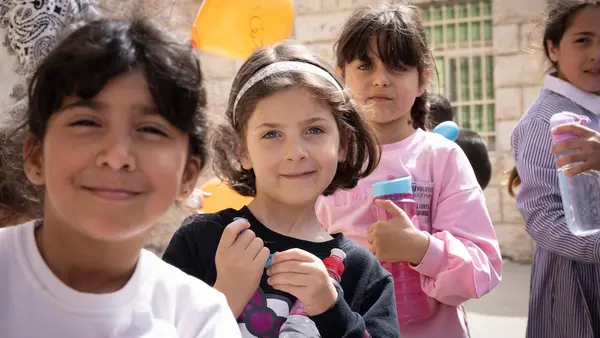
And yet, Gaza's children still want and need the same things as any child anywhere: a place to play and learn, the chance to be with friends and feel happiness.
"I play chess because it helps improve my mood," says 11-year-old Shadi. "Chess makes me smarter."
"When I play football, I feel like I'm releasing negative energy," says Louay, 17. "I feel joy while playing, because we play with our friends and loved ones."
Football brings back the good old memories. — Badr, 16
"I feel psychological relief and joy while playing," adds Badr, 16. "Football brings back the good old memories."
Play is how children reclaim what has been stolen from them
When UNICEF asked 11,000 Palestinian children to imagine what a child-centered recovery in Gaza should look like, having a safe place to play was high on their list. The youngest, in particular, dream of playgrounds, parks, beaches and sports fields — spaces where they can reclaim their childhoods.
To date, 35,000 children have been reached with recreation activities across the Gaza Strip, but every child needs safe spaces, support and the chance to simply be a child.
Learn more about UNICEF's work for children in Gaza
For parents and caregivers: How to Talk to Your Children About Conflict and War
HOW TO HELP
There are many ways to make a difference
War, famine, poverty, natural disasters — threats to the world's children keep coming. But UNICEF won't stop working to keep children healthy and safe.
UNICEF works in over 190 countries and territories — more places than any other children's organization. UNICEF has the world's largest humanitarian warehouse and, when disaster strikes, can get supplies almost anywhere within 72 hours. Constantly innovating, always advocating for a better world for children, UNICEF works to ensure that every child can grow up healthy, educated, protected and respected.
Would you like to help give all children the opportunity to reach their full potential? There are many ways to get involved.