5 Ways UNICEF Delivers Nutrition to Children
With active programs in 130 countries, UNICEF is a global leader in supporting and improving child nutrition — and tackling child malnutrition. Here's how.
Every child has the right to nutrition
UNICEF takes a comprehensive approach to child nutrition, addressing the root causes and immediate effects of undernutrition; improving access to safe water and sanitation to prevent disease; educating caregivers and other community members about best feeding practices; and rushing emergency nutrition support to children in need in times of crisis.
Here are some of the ways UNICEF works in pursuit of the ultimate goal: a world where every child is nourished.
Learn more about how UNICEF fights child hunger
1. Supplying lifesaving treatment
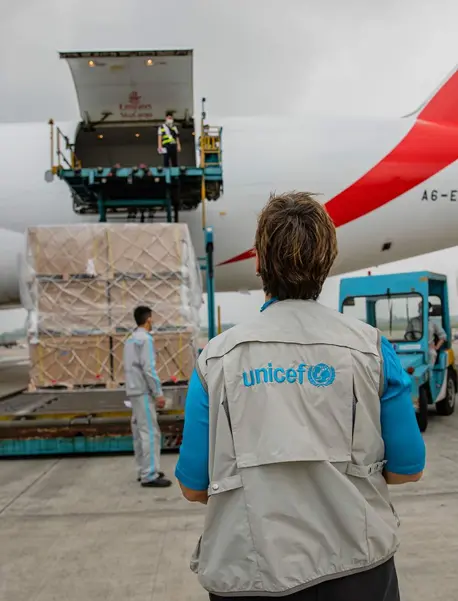
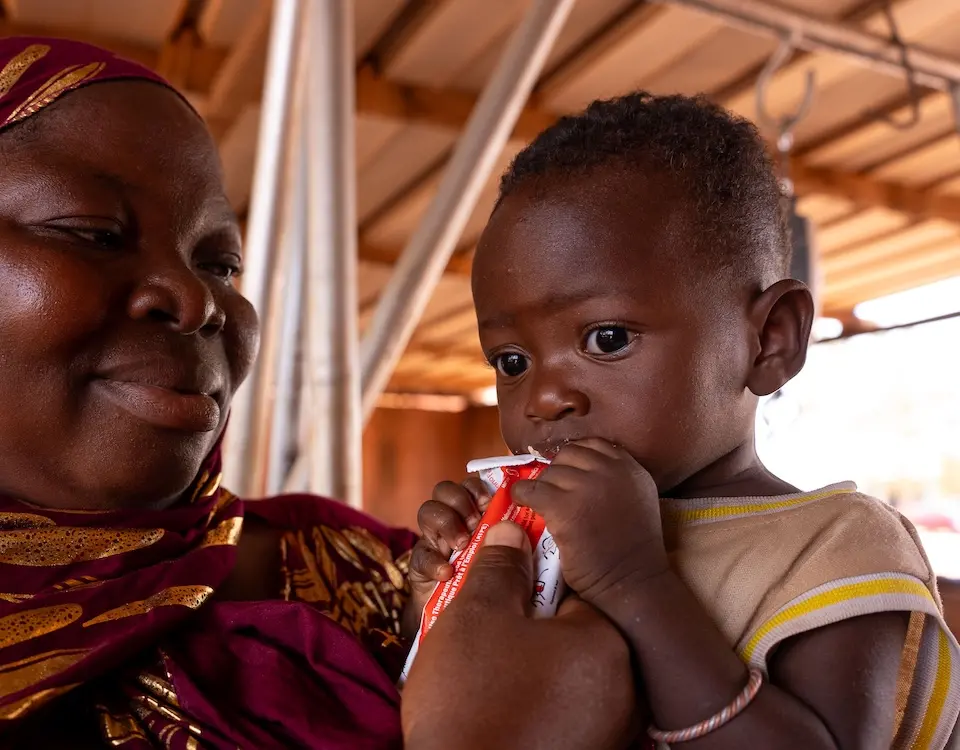
UNICEF remains the world's largest supplier of ready-to-use therapeutic food (RUTF), a lifesaving treatment for children suffering from severe acute malnutrition.
Making sure there are enough packets of the nutritious peanut paste for every child in need is a top priority for emergency responders in Afghanistan, Gaza, Sudan and other countries where food insecurity has reached crisis levels, sending child malnutrition rates soaring.
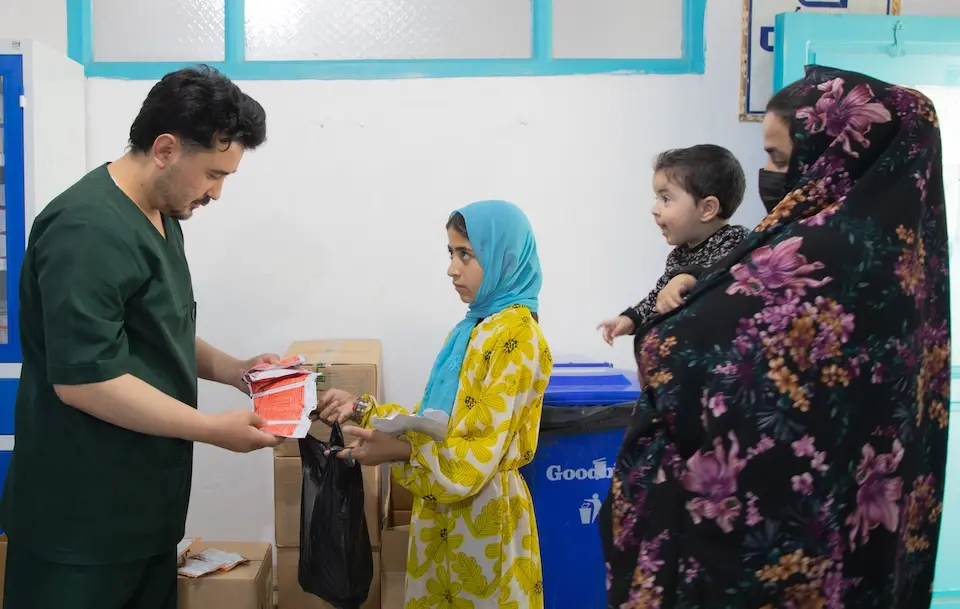
UNICEF also supplies lipid-based nutrient supplements (LNS), high-energy biscuits and ready-to use infant formula to prevent and treat acute malnutrition in children.
Related: Famine Takes Hold in Sudan
2. Screening children for speedy referrals
For an acutely malnourished child, every minute counts: the faster the condition is detected, the faster treatment can start, optimizing odds of recovery. This is why screening children for malnutrition using the MUAC (middle-upper arm circumference) measuring tape is so important.
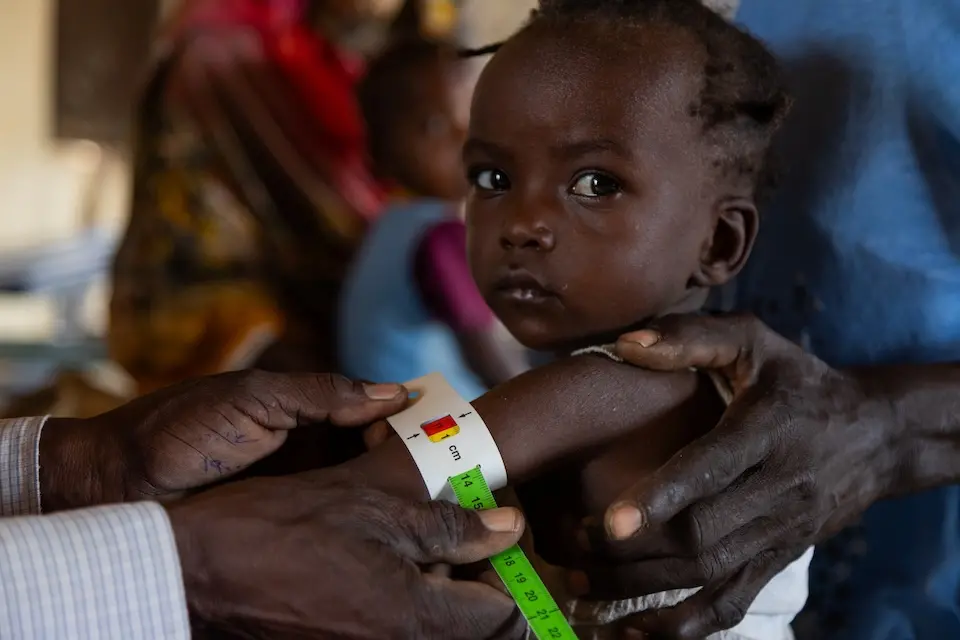
UNICEF has helped expand the use of this basic tool among frontline health and nutrition workers as well as parents and caregivers worldwide.
Learn more about the MUAC tape
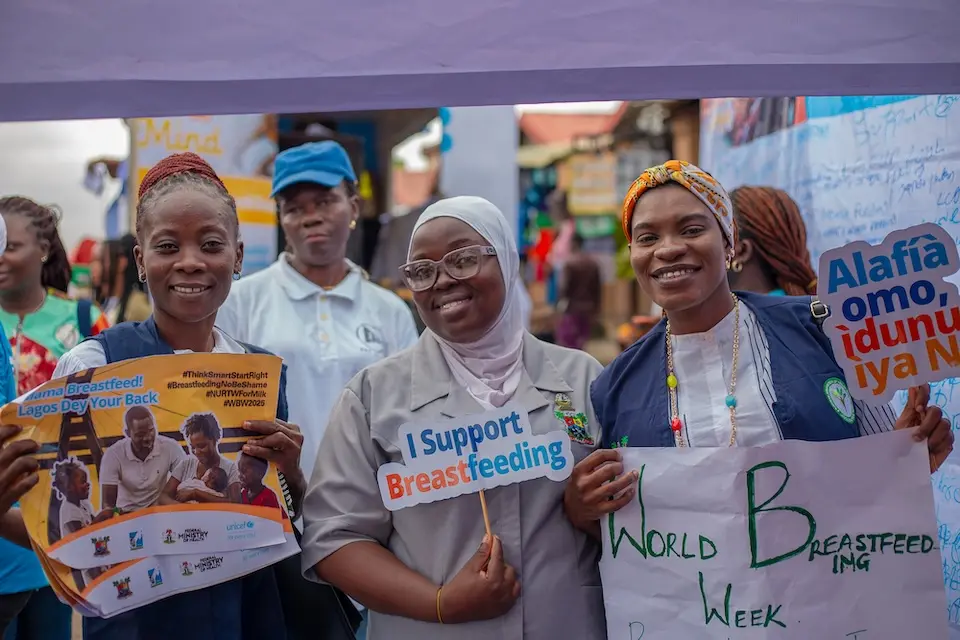
3. Supporting breastfeeding mothers
Feeding a baby breast milk exclusively during their first six months gives them their best start in life.
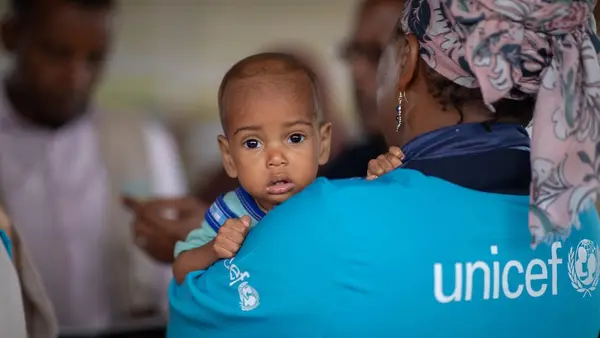
UNICEF works with global, national and local partners to communicate the benefits of breastfeeding and to help connect breastfeeding mothers with support services.
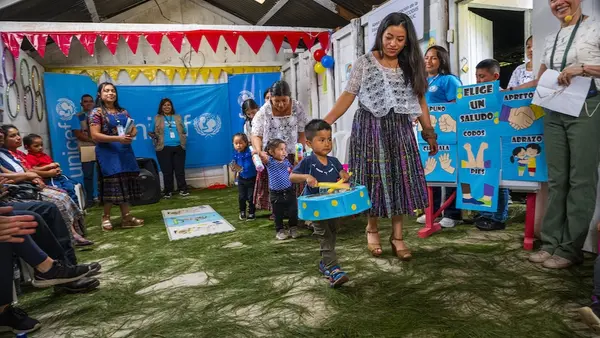
4. Promoting healthy diets by educating caregivers
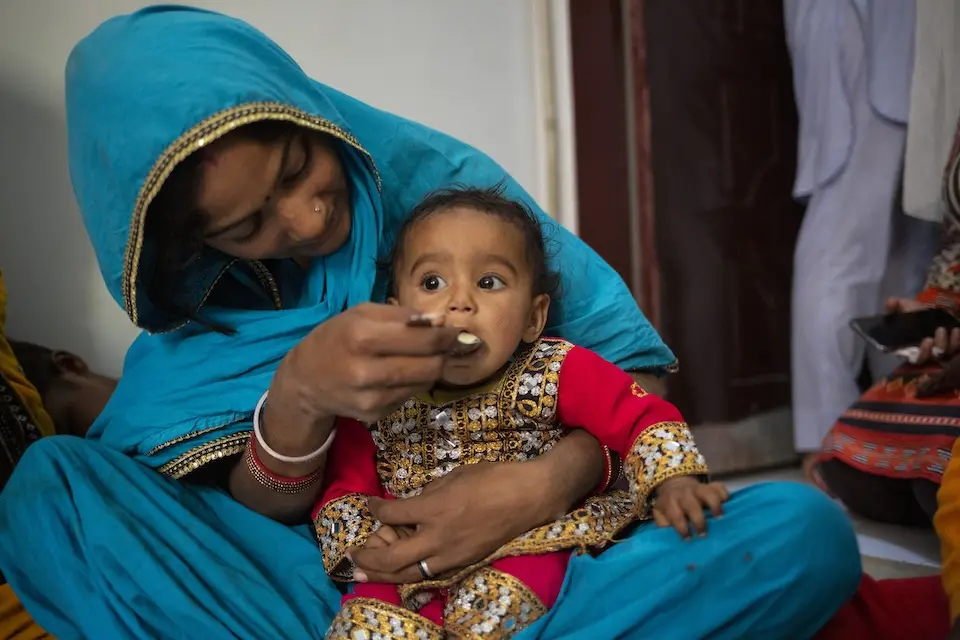
Through local and community partnerships, UNICEF is helping to improve child nutrition by supporting programs that counsel parents and caregivers on best feeding practices. Some initiatives offer cooking demonstrations.
5. Helping to create new, sustainable food sources
UNICEF is committed to helping to transform local food systems in ways that will ensure that the nutritious diets children need to grow and develop to their full potential are accessible, affordable and sustainable.
These efforts include supporting local farmers or working with community groups to boost local food production.
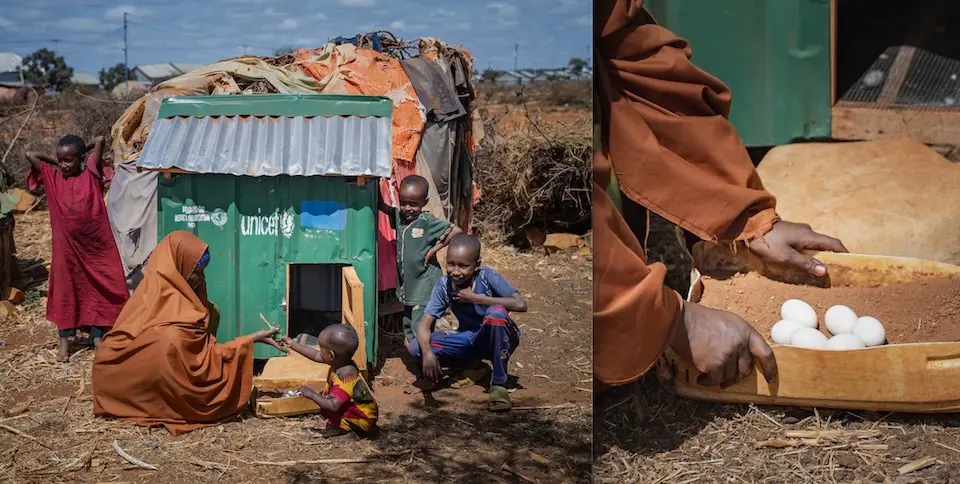
In Kassala state, Sudan, UNICEF provided technical expertise and funding to help families start their own vegetable gardens. At the Barwaaqo camp for displaced families in Baidoa, Somalia, UNICEF helped set up a chicken house, creating a steady supply of eggs to eat.
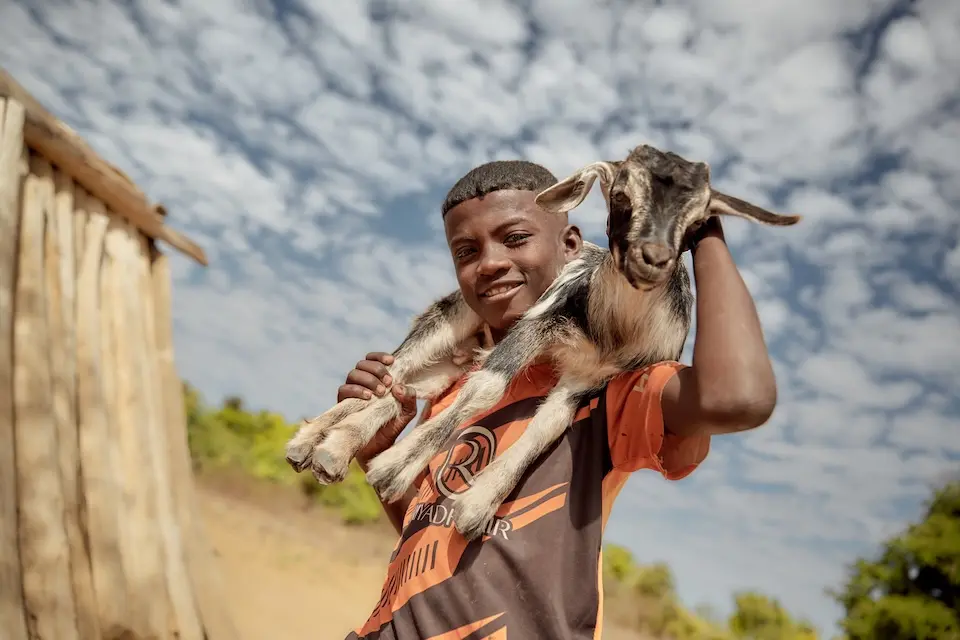
A UNICEF-supported community savings program in Madagascar is helping to improve food and nutrition security for tens of thousands of people across three districts in the Anrosy region, while generating new earning opportunities. Twelve-year-old Tolotra's family started herding goats — a great source of meat and milk for their own meals, as well as to sell.
A global nutrition crisis
Conflicts, extreme weather and economic shocks have left many countries in the throes of a global food and nutrition crisis. The need to protect, promote and support good nutrition for all children has never been greater.
HOW TO HELP
There are many ways to make a difference
War, famine, poverty, natural disasters — threats to the world's children keep coming. But UNICEF won't stop working to keep children healthy and safe.
UNICEF works in over 190 countries and territories — more places than any other children's organization. UNICEF has the world's largest humanitarian warehouse and, when disaster strikes, can get supplies almost anywhere within 72 hours. Constantly innovating, always advocating for a better world for children, UNICEF works to ensure that every child can grow up healthy, educated, protected and respected.
Would you like to help give all children the opportunity to reach their full potential? There are many ways to get involved.