World Health Day: Driving Action for Children’s Health Worldwide
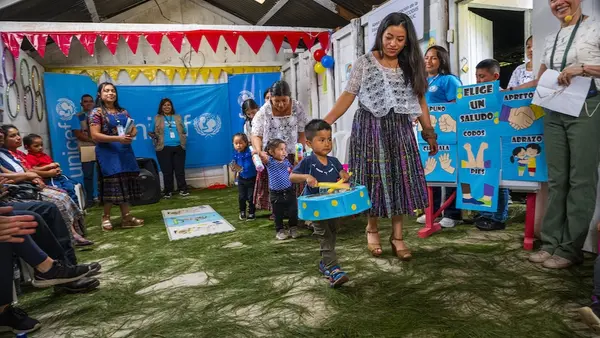
World Health Day helps draw attention to critical health issues and drive action for better health coverage for all. Alongside partners, UNICEF works to support every child’s right to be healthy and to ensure children not only survive, but also thrive. Learn more, including how to support this important work.
April 7: a day to focus on children's health
By spotlighting urgent global health priorities, World Health Day helps raise public awareness, mobilize funding for critical health services and advance advocacy and action toward greater global health equity.
Observed on April 7, World Health Day marks the anniversary of the founding of the World Health Organization (WHO) in 1948.
UNICEF's mandate is to protect children's rights, including the right for every child to be healthy. That commitment means working with partners to support and improve access to quality health care, focusing on children who are at greatest risk of disease, malnutrition and other health-related threats.
Ensuring good health for children is foundational for a healthy adult population and the success of future society.
Learn more about what UNICEF does for children's health
World Health Day 2026: celebrating the power of science to protect and improve children's health
WHO's theme for World Health Day 2026 — “Together for health. Stand with science." — celebrates the power of scientific knowledge and collaboration to protect the health of people, animals, plants and the planet and improve the lives and health of children and families everywhere.
Alongside partners, UNICEF supports evidence-based solutions and innovations to improve health care for children and families, scaling up essential care services, increasing immunization coverage and strengthening health systems to better respond to outbreaks and other public health crises.
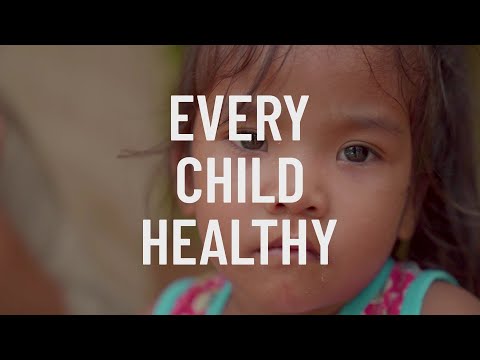
UNICEF programs that bring the goals of World Health Day to life
Through its many public and private partnerships, and operating at the global, national and community levels, UNICEF backs a range of activities and interventions.
UNICEF program efforts pertinent to World Health Day include:
- scaling up essential care services to expand access, reduce preventable child deaths
-
upskilling and otherwise supporting community health workers and other frontline health care workers
-
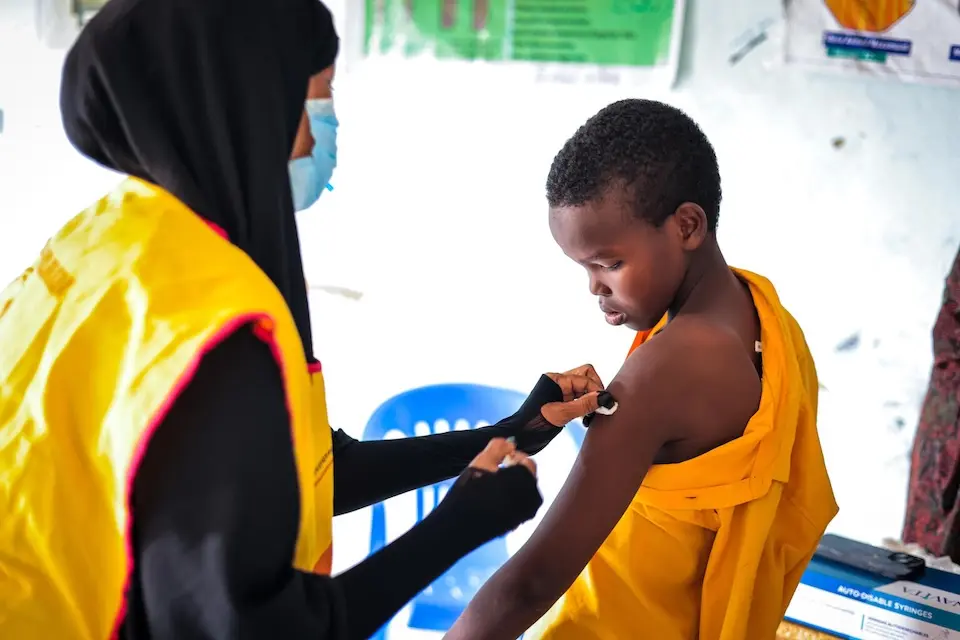
strengthening immunization programs to make sure every child is reached with lifesaving vaccines
-
improving safe, clean water and sanitation services
-
promoting best hygiene practices like handwashing and toilet use to reduce the spread of cholera and other waterborne diseases
-
building resilience of health systems to keep services going, even during emergencies
-
supporting nutrition counseling for caregivers to promote best feeding practices
-
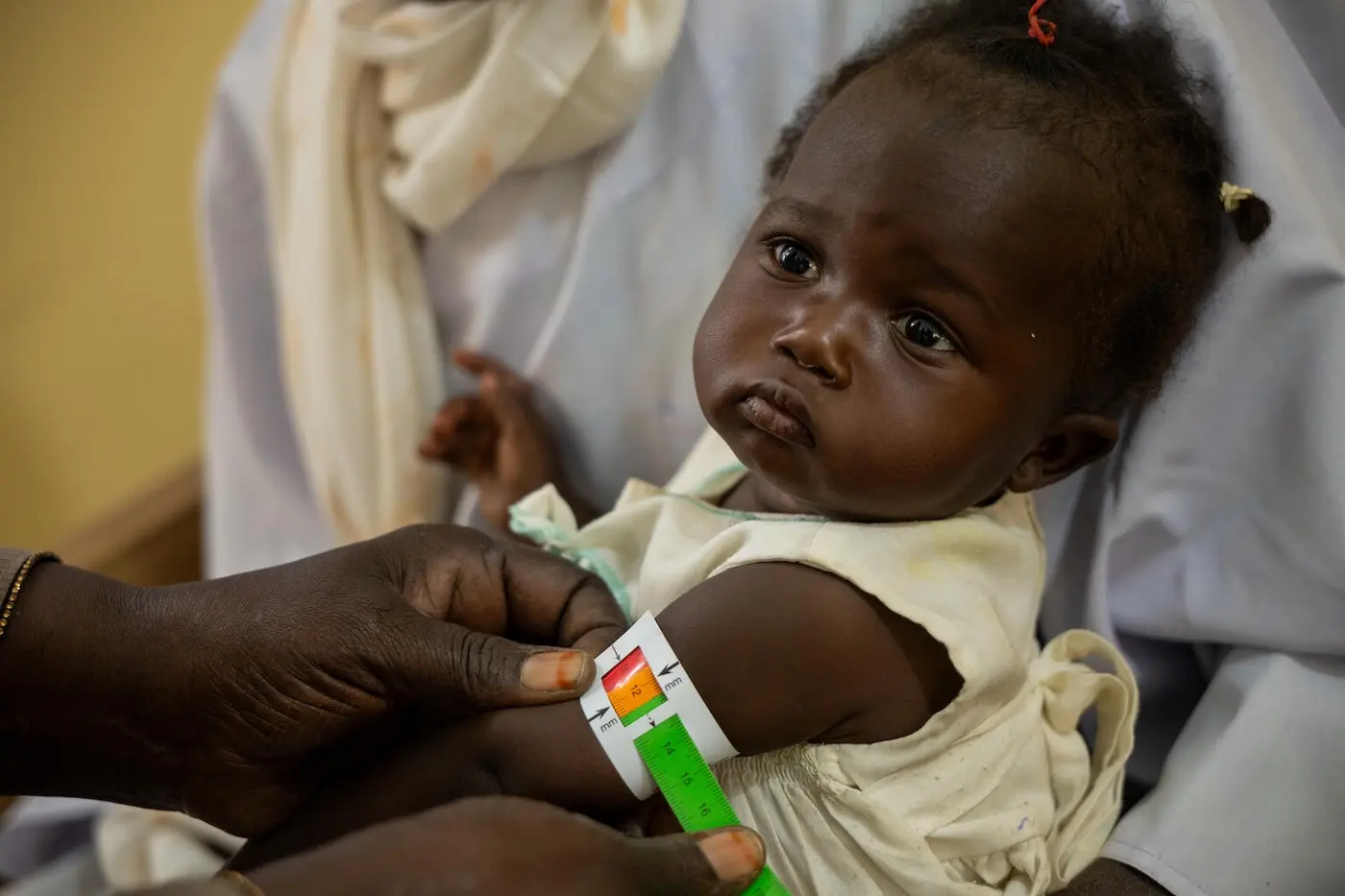
expanding malnutrition screenings and treatment for children suffering from severe acute malnutrition (SAM), which is life-threatening
-
supporting access to mental health services for children and adolescents including children with disabilities
Here's a closer look at three of these key program areas.
Addressing child malnutrition globally
Malnutrition continues to endanger the lives and well-being of millions of children around the world. Obstacles like poverty, war, natural disasters and the impacts of climate change threaten to undermine progress toward the shared global goal of ending child malnutrition worldwide.
Every year, UNICEF provides nutrition services to hundreds of millions of children, adolescents and women around the world.
UNICEF-supported nutrition programs and interventions include: screening for early signs of malnutrition; training community health workers, parents and caregivers in early detection and response; deploying lifesaving nutritional support to at-rish children during emergencies.
UNICEF is also the world’s largest supplier of ready-to-use therapeutic food, a cost-effective peanut-based paste that is nutrient-rich, shelf-stable and easy to administer.
Learn about symptoms of malnutrition in children
Expanding vaccine access to protect children from preventable disease
Vaccines are a safe, effective way for children to avoid severe illness and death from preventable diseases. As the world’s largest vaccine buyer, UNICEF delivers close to 3 billion doses each year — enough to reach nearly half the world’s children under 5 with protection against deadly diseases — while helping governments and communities build stronger health systems for every child.
Supporting maternal health to give children a healthier start in life
Quality maternal health is an essential first step in child survival. UNICEF works with partners to implement programs worldwide that support safe pregnancy, childbirth, breastfeeding and improved maternal health care and nutrition.
Learn about UNICEF's global initiative to improve maternal nutrition
UNICEF supports programs that make nutritious foods more accessible and affordable for all women, such as large-scale food fortification programs that provide essential vitamins and nutrients. UNICEF also works to strengthen vital maternal health care services as part of national primary health care systems and through home visits by well-trained community health workers.
Improving maternal and newborn health and survival was the focus of World Health Day 2025.
Related: Aid cuts threaten fragile progress in ending maternal deaths, UN agencies warn
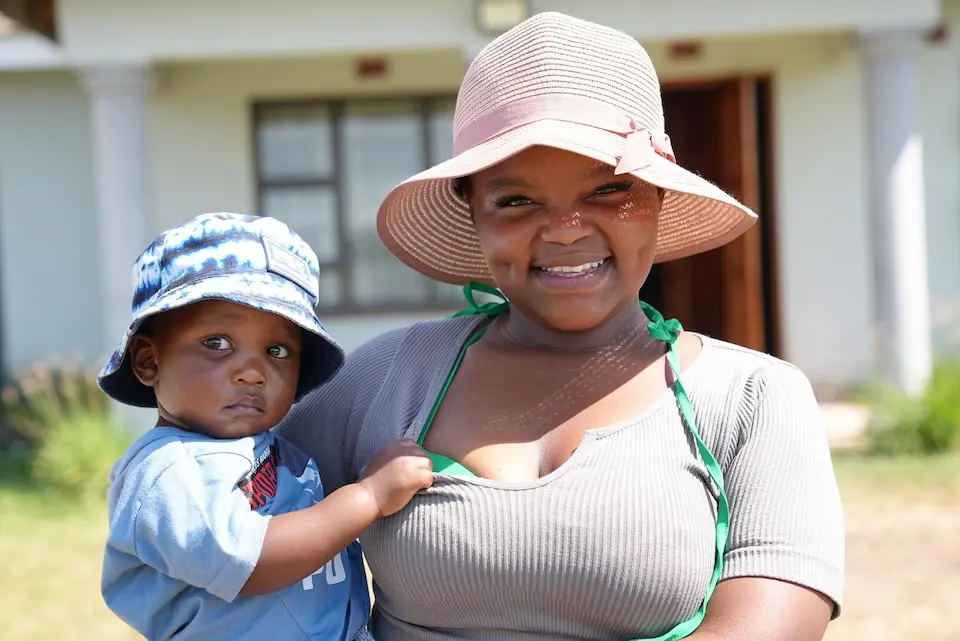
How to support the goals of World Health Day
Families and communities can honor World Health Day by supporting local education and advocacy efforts aimed at contributing to global health progress, and publicly supporting equitable health care for all. Caregivers can work with children to teach them healthy habits that will help ensure a future of good health.
This includes establishing routines that support children’s physical and mental well-being — booking annual health screenings, cooking balanced meals at home and making time for physical activities like hiking or swimming. Getting children involved in family health routines builds their capacity for making healthy choices as adults.
Taking action for children’s health on World Health Day
This World Health Day, help improve health care access for children worldwide with a contribution to UNICEF. Donate monthly, or start a fundraiser. Join the conversation on social media to help raise awareness of ways to support children's health globally.
Frequently asked questions about World Health Day
What does World Health Day celebrate?
World Health Day celebrates global efforts to improve health and well-being for people everywhere. The day raises awareness of health inequalities affecting vulnerable populations, especially children.
How is the World Health Day theme chosen?
The World Health Organization selects the World Health Day theme each year to highlight urgent global health priorities. The theme of World Health Day helps guide awareness campaigns and global health initiatives throughout the year.
When is World Health Day?
World Health Day takes place every year on April 7 to mark the founding of the World Health Organization and to mobilize organizations and communities to raise awareness about global health and support for global health solutions.
Why is World Health Day important for children’s health?
The day helps bring attention to the many challenges affecting children’s health, such as malnutrition and inequitable access to vaccines and other essential services. Organizations, including UNICEF, use the day to highlight what is working and the need for more support to drive progress toward global health goals.
How can I support children’s health on World Health Day?
Support organizations like UNICEF that are working to improve access to quality health care services, including immunizations, for children worldwide.
HOW TO HELP
There are many ways to make a difference
War, famine, poverty, natural disasters — threats to the world's children keep coming. But UNICEF won't stop working to keep children healthy and safe.
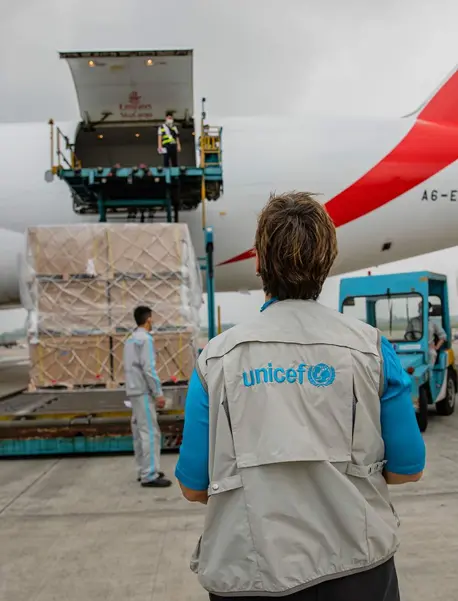
UNICEF works in over 190 countries and territories — more places than any other children's organization. UNICEF has the world's largest humanitarian warehouse and, when disaster strikes, can get supplies almost anywhere within 72 hours. Constantly innovating, always advocating for a better world for children, UNICEF works to ensure that every child can grow up healthy, educated, protected and respected.
Would you like to help give all children the opportunity to reach their full potential? There are many ways to get involved.