How UNICEF Supports Children in Sudan
As armed conflict in Sudan rages on, UNICEF remains committed to reaching children and families in need of lifesaving support and protection and working with partners to keep critical health, nutrition and other services going. Learn more, including how to help.
"The reality for children in Sudan is growing darker hour by hour" — UNICEF statement, April 14, 2026
Sudan: one of the world’s gravest humanitarian crises for children
Sudan, already one of the most dangerous places in the world to be a child, has become even more perilous amid full-scale armed conflict between warring groups.
Poverty and hunger were already widespread when heavy fighting broke out in Khartoum on April 15, 2023, quickly spreading into other cities in regions. Roughly 13 million people were forcibly displaced by the violence, half of them children, making it the largest child displacement crisis in the world.
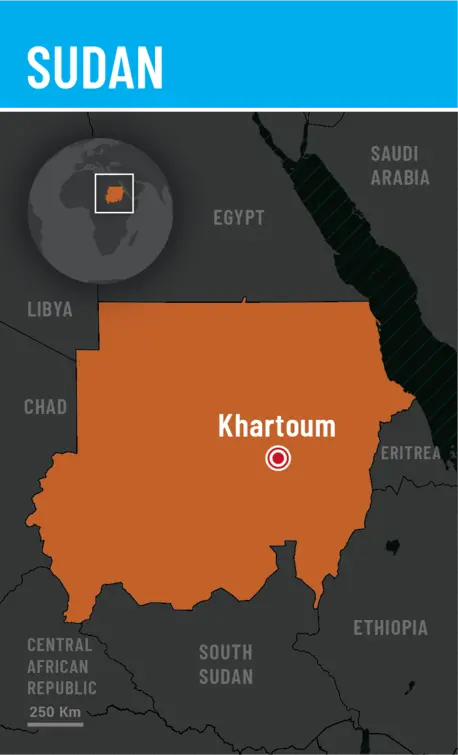
The conflict has upended children's lives and continues to endanger their health, safety and present and future well-being. A devastating hunger catastrophe has unfolded on a scale not seen since the Darfur crisis in the early 2000s, and continues to intensify, with famine already confirmed in some areas.
Food, water and other essential supplies are scarce, and access to essential services have been sharply curtailed. Prices for staples have soared. Schools and health facilities are closed or poorly functioning.
As of February 2026, an estimated 33.7 million people in Sudan — including 17.3 million children — required urgent humanitarian assistance as conflict escalated across Sudan's Darfur and Kordofan regions and Blue Nile state.
Funding shortfalls have significantly constrained the scale and continuity of lifesaving interventions, leaving crisis-affected children increasingly vulnerable. Millions of children are out of reach as humanitarian access remains blocked.
UNICEF teams are on the ground working with dozens of local NGOs and other partners around the clock to deliver emergency supplies and devise ways to restore and sustain critical services and support in health, nutrition, water and sanitation, education and child protection.
UNICEF is also working in Chad and other neighboring countries to assist refugees fleeing conflict and to support host communities that are themselves in need of humanitarian aid.
Read more about how UNICEF keeps delivering for children in Sudan
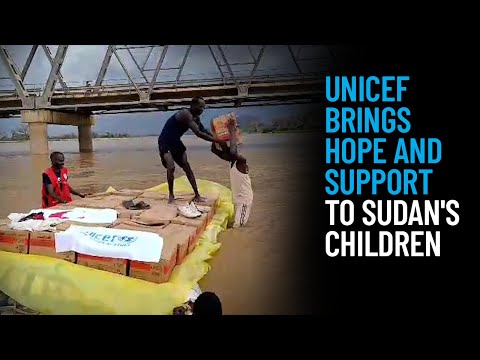
How UNICEF is helping children in Sudan
UNICEF — long been focused on improving critical services and providing lifesaving support and protection to the most vulnerable families and children of Sudan — has been steadily scaling up lifesaving interventions to meet the increasingly urgent needs of those displaced and otherwise endangered by the ongoing conflict.
There are also natural hazards to contend with, such as drought and seasonal flooding, conditions that have become more frequent and more intense due to climate change. These climate shocks have uprooted millions of people from their homes, jobs and lives, sometimes many times over.
Responding to escalating risks of disease, famine and malnutrition
Priority programs for UNICEF and partners in Sudan include:
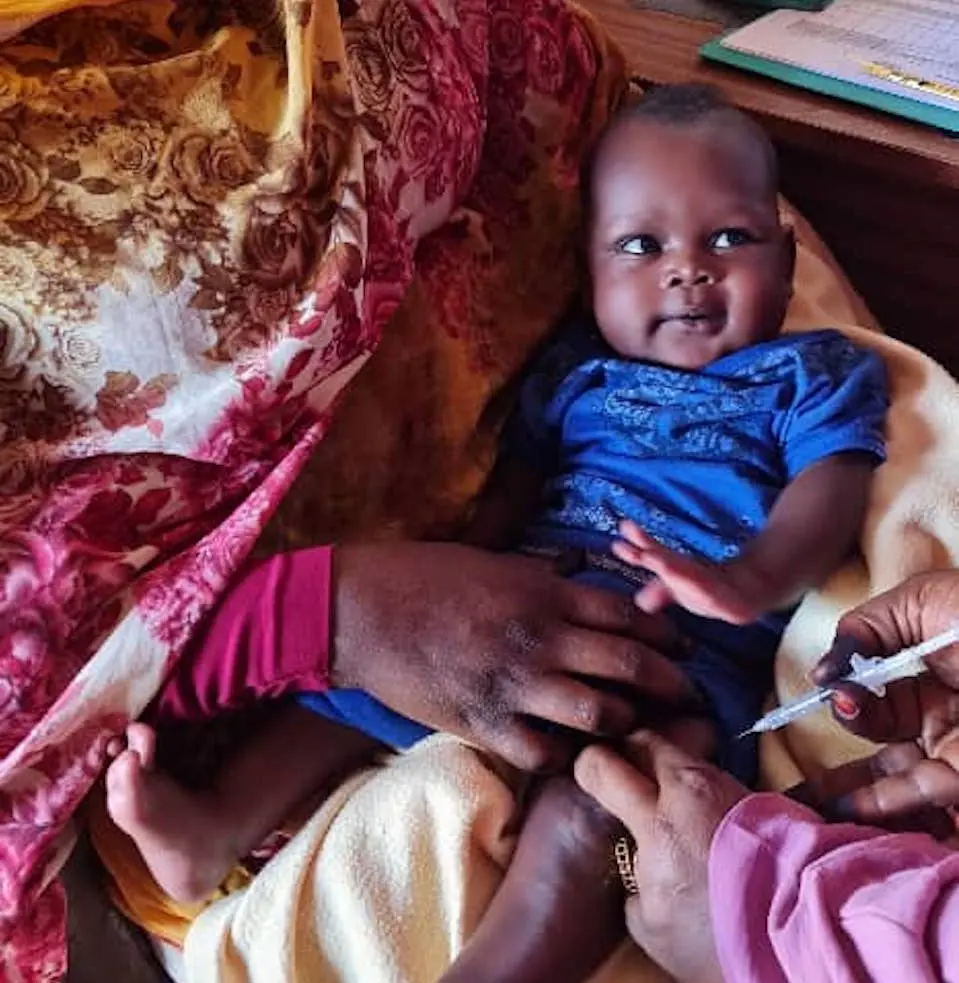
- Health — including supporting primary health care centers and hospitals; providing medicines and medical supplies; working with partners to bolster the country's fragile health system and increase immunization rates among children to prevent outbreaks of vaccine-preventable disease; protecting and strengthening the cold chain to preserve essential medicines including vaccines; and providing mental health and psychosocial support to traumatized Sudanese children
Read about how UNICEF battled a deadly cholera outbreak in Sudan
- Water, sanitation and hygiene (WASH) — including providing safe drinking water and strengthening or restoring critical WASH services to improve health and well-being and reduce risks of cholera and other waterborne, infectious diseases
Learn about UNICEF's water and sanitation programs
- Nutrition — including screening and treating children for malnutrition; UNICEF is the lead supplier of the ready-to-use therapeutic food (RUTF) used to treat child wasting, a leading cause of death among Sudanese children under 5
Learn more about how UNICEF fights child hunger
- Child protection — including monitoring and reporting violence against children in Sudan and other grave violations of child rights; identifying unaccompanied and separated children and reuniting them with their families; preventing and responding to gender-based violence
Learn more about how UNICEF protects children in conflict
- Education — including improving access to formal or informal schooling to address learning poverty, help children get back into a routines in a safe environment and regain a sense of normalcy — all critical for supporting traumatized children's mental health
Back to School in Sudan: Hope in a Backpack
As needs increase across all these program areas, funding gaps grow ever wider due to sharp decreases in humanitarian aid.
UNICEF has a strong field presence inside Sudan, with more than 400 staff supported by nearly 200 field extenders, and has been able to scale up capacities in the hard‑to‑reach areas. But more support from donors is required to ensure UNICEF can keep delivering children and families.
Supporting education, child protection in Sudan
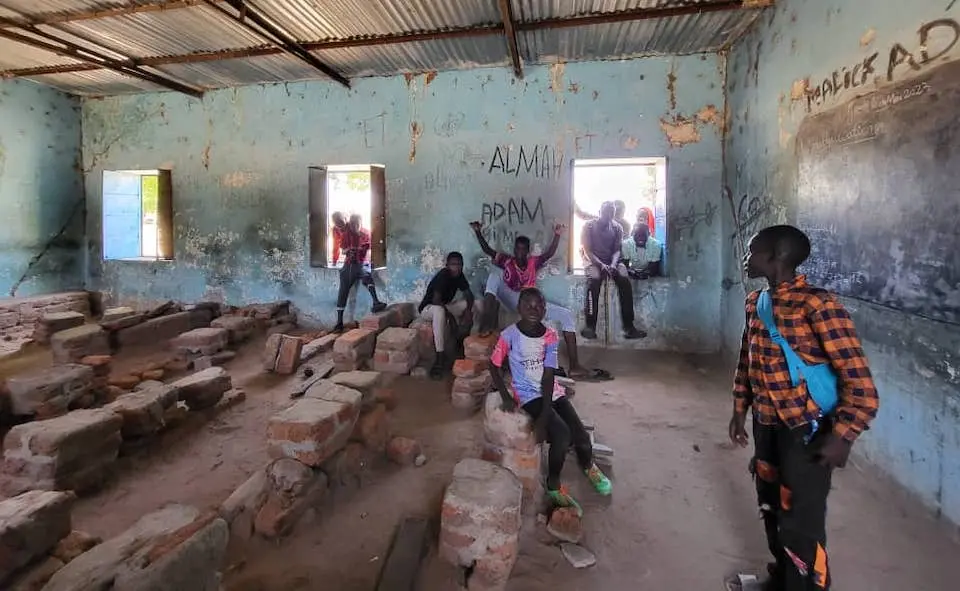
Even before armed conflict shuttered all educational institutions across Sudan in spring 2023, millions of children across the country were out of school.
UNICEF works to keep kids in Sudan learning in schools or alternative spaces, through digital means or in child-friendly spaces that UNICEF sets up in refugee camps and other sites where displaced families are sheltering. Child-friendly spaces also connect children with other services, including mental health and psychosocial support.
Child protection teams also work to help keep children safe. UNICEF monitors child rights violations in the country, including the rising number of Sudanese children being forcibly recruited by armed groups, which not only puts them in physical danger but also causes mental distress. Many of these children become victims of gender-based violence.
Flexible funding helps emergency response teams stay nimble
Despite insecurity, logistical challenges and access constraints, UNICEF and partners have continued to reach children in Sudan with lifesaving support, finding ways to keep supplies coming.
After the factory and warehouses run by Sudan's only domestic manufacturer of RUTF were burned down — destroying thousands of cartons bound for malnutrition treatment centers — UNICEF Spokesperson James Elder called it "yet another bitter blow" and the "darkest, most distinct illustration to date of how the conflict threatened the lives of children through multiple means."
Yet, Elder added, "somewhat miraculously" and "certainly heroically," outpatient therapeutic programs continued to operate — a testament to UNICEF’s partners, and the health workers of Sudan.
It also put into stark relief the importance of flexible funding in helping emergency response teams stay nimble, ensuring that resources are deployed wherever and whenever they are needed the most.

Flexible funding remains the best way to ensure that UNICEF can continue delivering lifesaving protection and support to children and families suffering the impacts of the conflict in Sudan and other related crises.
Having maintained a presence in the country since the 1950s, UNICEF remains committed to staying and delivering for children, especially the most vulnerable.
Frequently asked questions
When Sudan war start, and how many children are affected?
A civil conflict erupted on April 15, 2023 with violent clashes between armed groups in Khartoum that quickly spread nationwide, intensifying humanitarian needs among already vulnerable children and families. UNICEF estimates that close to 34 million people — including over 17 million children — urgently need assistance. Climate shocks and water scarcity have also contributed to widespread suffering in Sudan.
What are the biggest challenges for children in Sudan?
Continued violence, forced displacements and a breakdown in critical services have increased children's risks of grave violations, disease, hunger, malnutrition and mental trauma. Disruptions in education jeopardize children's futures.
What is UNICEF doing to help children in Sudan?
Alongside partners, UNICEF is helping to shore up and sustain critical health, nutrition, education and protection services. Despite access and funding constraints, UNICEF is delivering lifesaving assistance to children and families in need across all 18 states, reaching millions of people every year, but more donor support is needed to scale the response.
Support children in Sudan and around the world with a tax-deductible donation to UNICEF USA today.