World Water Day
UNICEF co-leads this United Nations day of observance focused on the global water crisis. With the theme Water and Gender, World Water Day 2026 aims to spotlight how women and girls are still disproportionally affected by water scarcity.
Water and Gender: the focus of World Water Day 2026
Every year since 1993, the United Nations recognizes World Water Day on March 22 to bring attention to water scarcity — an issue that continues to affect billions of people around the world — and rally for action.
The theme for World Water Day 2026: Water and Gender, a nod to how women and girls are disproportionately impacted when unable to access sufficient water, sanitation and hygiene (WASH) services and support, and the need to close that gender gap.
Jointly led by UNICEF and UN Women in collaboration with UN-Water, the 2026 campaign aims to raise awareness and galvanize support for efforts to achieve gender equality around this critical issue, by providing educational resources and organizing events across the globe. There is also a social media campaign around #worldwaterday.
Related: 1 in 4 Worldwide Still Lack Access to Safe Water
An opportunity to drive action to improve safe water access
Ensuring safe water and sanitation for all is one of the main UN Sustainable Development Goals for 2030. Efforts must be intensified to reach that goal.
Between 2015 and 2024, 961 million people gained access to safely managed drinking water services, raising global coverage from 68 percent to 74 percent, according to UNICEF; yet that still left 2.1 billion people without, including 106 million people who must rely on surface water sources such as rivers and lakes.
UNICEF projects that lower-middle-income countries need to double current rates of progress, while low-income countries would need a sevenfold increase in basic water coverage to achieve universal access.
Learn more: For disparities in water usage by country at a glance, check out worldometer's water page
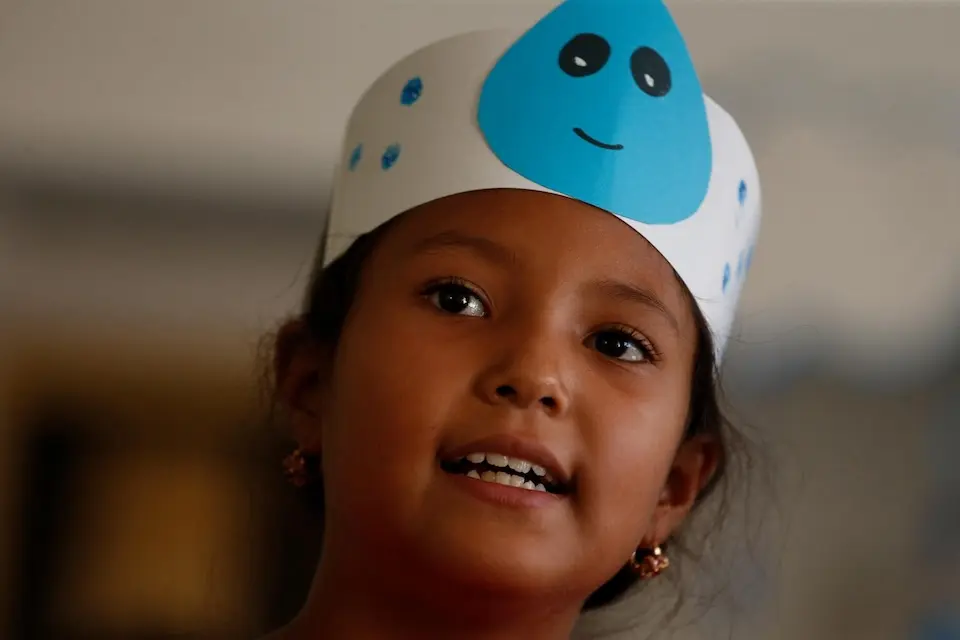
'Where water flows, equality flows' — a push for gender quality on World Water Day 2026
The burdens of water scarcity fall hardest on women and adolescent girls.
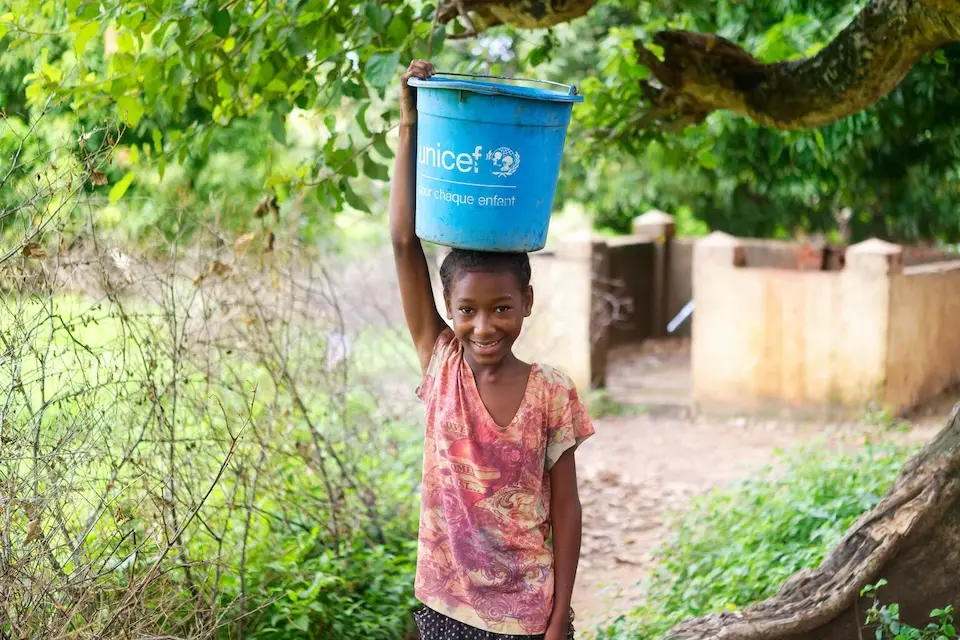
In 80 percent of homes without a source of running water, they are usually the ones responsible for collecting it, which often means long treks carrying heavy buckets, often at increased risk to their personal safety. The labor-intensive work can also interfere with their school time, depriving them of educational opportunities.
Cultural norms in many affected regions dictate that women and girls serve as caretakers when family members are sickened by contaminated water or as a result of poor WASH conditions. Climate shocks such as severe drought have only exacerbated the crisis.
Those same intrinsic paternalistic views have also kept women out of leadership roles to address these issues. That’s why World Water Day 2026 is focusing on the connection between water and gender equality, and advocating for women’s voices to be included at all levels of decision making and implementation.
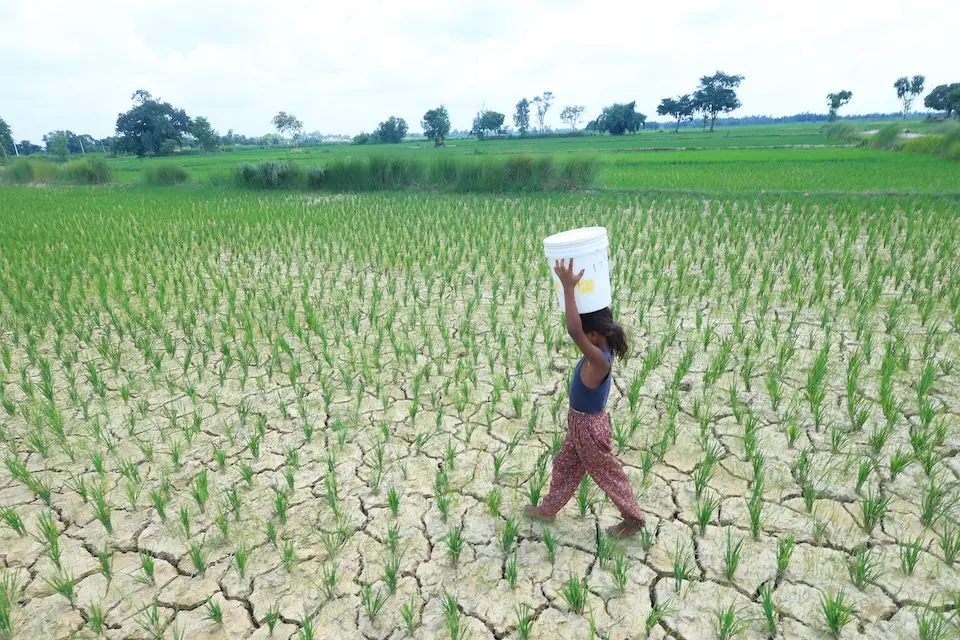
The global water crisis and its impact on children, particularly girls
Young children are particularly hit hard by the lack of safe, clean water, and WASH access in general. Drought, made worse by climate shocks, can impact agriculture and food access. A lack of running water in homes can lead to time taken away from education and an increase in vulnerability to attack because of the trek to remote sources for water collection.
Lack of clean sanitation and hygiene leads to an increased chance of major illness and death from diarrheal diseases for children aged 5 and under, because of their still-developing immune systems.
“These inequalities are especially stark for girls, who often bear the burden of water collection and face additional barriers during menstruation,” UNICEF WASH Director Cecilia Sharp explains.
How to participate in World Water Day
World Water Day is a chance to drive awareness, educate and increase public engagement around the global water crisis. Participants can spread information and attention by posting with #worldwaterday on social media. Every post or video shared contributes to the conversation.
Reports and other resources are available in multiple languages on the United Nations World Water Day website, along with opportunities to join community events. A new world water development report is scheduled for release before March 22.
How World Water Day can help communities in need
Driving attention to the crisis of a lack of water access among underserved populaces is a means to increase awareness, information and donations that fund lifesaving programs.
Building resilience today and for future generations means:
- improving water system infrastructure where needed
- embracing innovations such as solar-powered water pumping, managed aquifer recharge and satellite mapping of new well water locations
- building local capacities for managing water systems to ensure sustainability
Related: The Lifesaving Impact of Solar Power
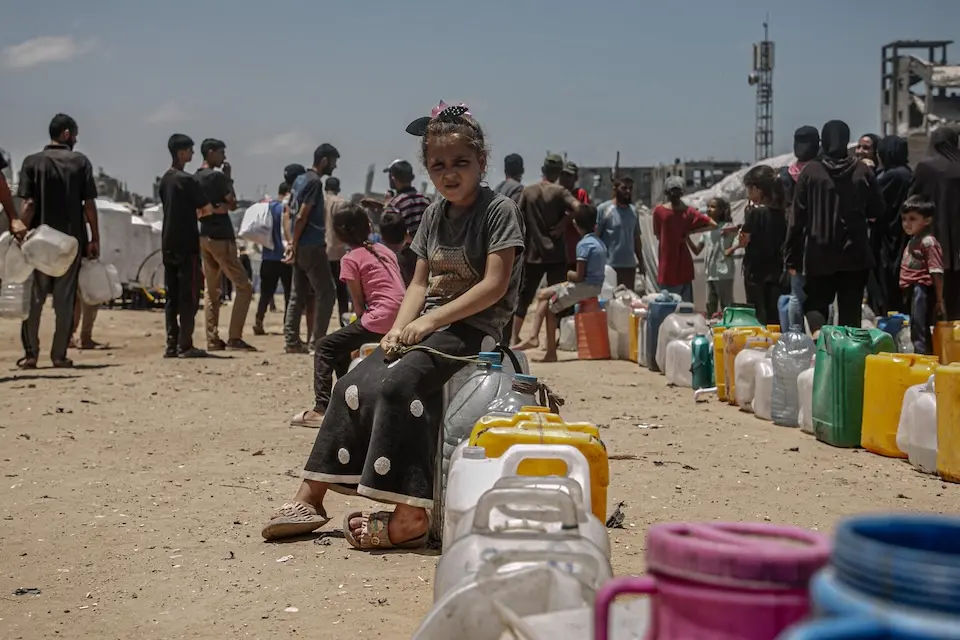
How UNICEF works to improve access to clean water
Ensuring access to safe water, as well as adequate sanitation and hygiene, is core to UNICEF's mission.
UNICEF works with partners in over 100 countries to increase safe water access in homes, schools and health clinics and to improve water quality.
In climate emergencies, natural disasters, and major conflicts, UNICEF and partners provide water and water purification supplies; at the government level, the organization also helps with policy-making, financial planning, monitoring progress and sustainability efforts related to strengthening water systems.
Learn more about UNICEF's water projects
Another way to contribute: UNICEF USA Market's Inspired Gifts
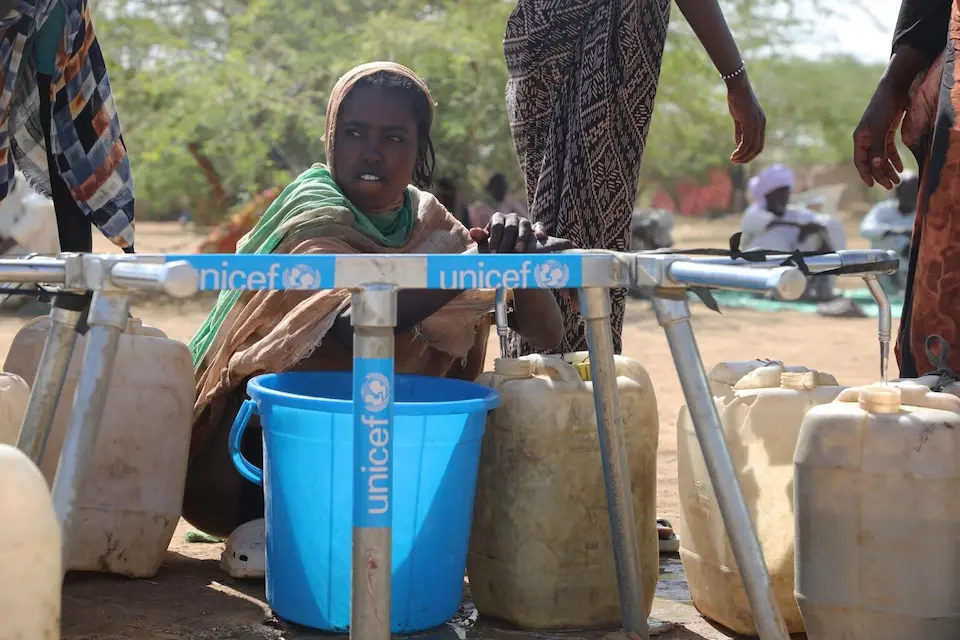
Frequently asked questions about
World Water Day and UNICEF USA
Why is clean water a children’s rights issue?
Children suffer due insufficient access to clean water and proper sanitation and hygiene — with hundreds of children under 5 dying every day from preventable diseases caused by a lack of basic WASH services in homes and in schools. Girls are particularly vulnerable.
How does UNICEF support access to safe water worldwide?
UNICEF partners with governments and community partners in over 100 countries to establish and support various programs to improve WASH access where it is needed most. That includes building resilient water systems in homes, schools and health clinics and distributing emergency supplies during a crisis.
What are some ways to participate in World Water Day?
Supporters can help raise awareness and advocate for action to address the global water crisis by sharing information on social media using hashtag #worldwaterday, educating themselves about the issues and donating to organizations like UNICEF that are working worldwide to end water scarcity.
HOW TO HELP
There are many ways to make a difference
War, famine, poverty, natural disasters — threats to the world's children keep coming. But UNICEF won't stop working to keep children healthy and safe.
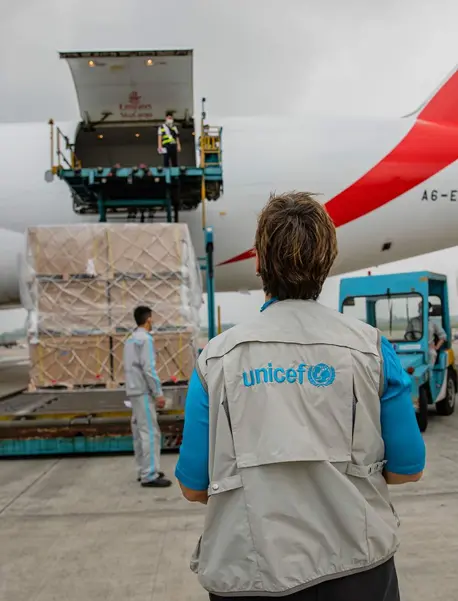
UNICEF works in over 190 countries and territories — more places than any other children's organization. UNICEF has the world's largest humanitarian warehouse and, when disaster strikes, can get supplies almost anywhere within 72 hours. Constantly innovating, always advocating for a better world for children, UNICEF works to ensure that every child can grow up healthy, educated, protected and respected.
Would you like to help give all children the opportunity to reach their full potential? There are many ways to get involved.