Symptoms of Malnutrition
in Children
Identifying a malnourished child is critical to ensure timely treatment. UNICEF works with governments and other partners to deliver resources and training to communities where malnutrition risks are high. Learn the signs and how to support UNICEF's response.
Malnutrition in its various forms remains a scourge that endangers the lives and well-being of millions of children globally.
Despite progress toward eliminating child malnutrition — the UN Sustainable Development Goals for 2030 include zero hunger — poverty, war, natural disasters and the impacts of climate change remain major obstacles to ensuring every child is nourished.
Malnutrition is particularly damaging during the first 1,000 days of life, a critical stage of development. Prevention can come with caregiver training and counseling and a consistently nutrient-rich diet. Recovery can come with appropriate medical care.
Malnourished children are 11 times more likely to die of preventable conditions such as measles, cholera and malaria than well-nourished children. Nearly half of all deaths among children under age 5 are linked to undernutrition.
UNICEF works with other UN agencies, governments and community partners in 130 countries to combat hunger and to deliver critical resources and care to children in need.
Just as essential is the support that is provided to parents, caregivers and frontline workers. UNICEF supports programs that train people to recognize the symptoms of malnutrition and act before it is too late.
Discover How UNICEF Helps Malnourished Children and Fights Child Hunger
What is malnutrition in children?
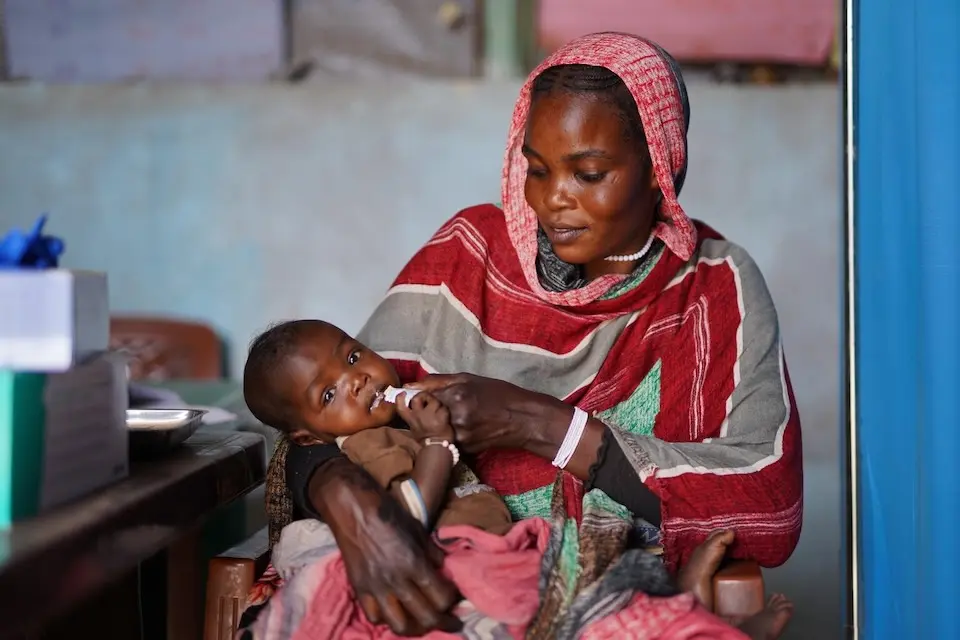
Malnutrition in children is a condition caused by an improper diet or lack of enough healthy food and nutrient intake for proper growth and development. Though it's often associated with emaciation, it can manifest in different ways, including:
- undernutrition — defined as a deficiency of macronutrients (carbs, protein, fat) and micronutrients (vitamins and minerals)
- wasting — a condition where a child is significantly underweight compared to their height; it often weakens the immune system and can cause death if left untreated
- stunting — a condition where a child is short for his or her age; can lead to developmental issues
- obesity — when a child is significantly overweight compared to their height; often caused by eating a diet of processed foods high in fat, sugar and salt, obesity can lead to high blood pressure and heart issues
Every Child Nourished: UNICEF's global commitment to child nutrition
Symptoms of malnutrition in children
Symptoms of malnutrition range from changes in a child's growth or body composition, even thin nails.
- Weight loss or gain: Malnourished children can be underweight or overweight, for their age or size. A slowing down in height growth can indicate stunting.
- Blood pressure or heart rate changes: Malnutrition can lower a child's heart rate and blood pressure, putting them at risk for potentially life-threatening arrhythmia.
- Lack of energy and stamina: in severe cases, it may be difficult for the child to walk or even stand.
- Increased infections or illness: Malnutrition weakens the immune system, making the child more susceptible to infection and disease. Wounds can take longer to heal.
- Digestive and appetite issues: These include loss of appetite or diarrhea
- Condition of hair and nails: A malnourished child's hair may breaks easily or change texture or color; their nails may be cracked, weak or slow-growing nails
- Muscle deterioration due to loss of fat and muscle mass, visible bone structure
- Swelling from fluid retention, usually in the stomach or legs and feet.
-
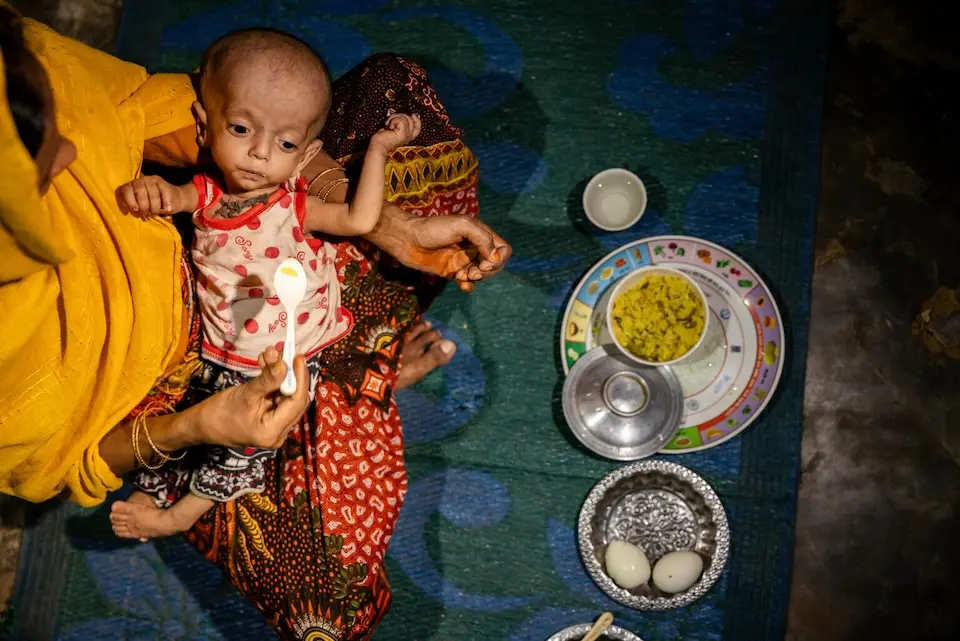
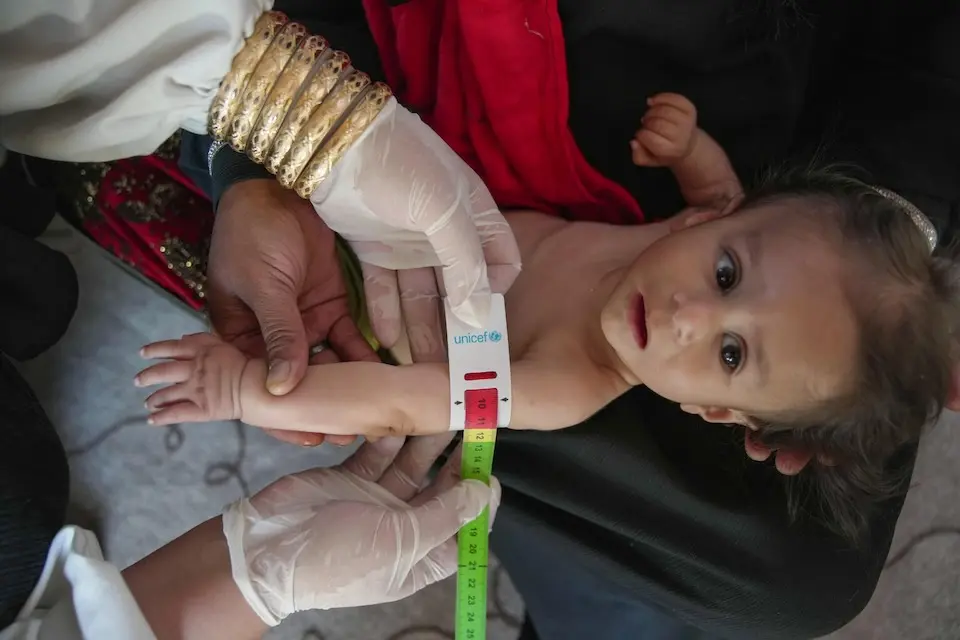
A caregiver tends to a severely malnourished 14-month-old girl at a refugee camp in Bangladesh. © UNICEF/UNI622135/Njiokiktjien
Other signs a child could be malnourished
In addition to the noticeable physical toll, malnutrition can have severe effects on brain development, resulting in mental and behavioral issues. Among the signs:
- Poor focus: Malnutrition can lead to trouble with concentration and difficulty in learning and retaining new information.
- Bad mood: Malnourished children might exhibit moody or irritable behavior. The condition can also lead to increased anxiety and depression.
- Lethargy: Fatigue can leave children uninterested in socializing and playing.
- Delayed development: Infants who are malnourished may be slower to hit milestones such as crawling, walking and talking.
How can early signs of malnutrition in children be detected?
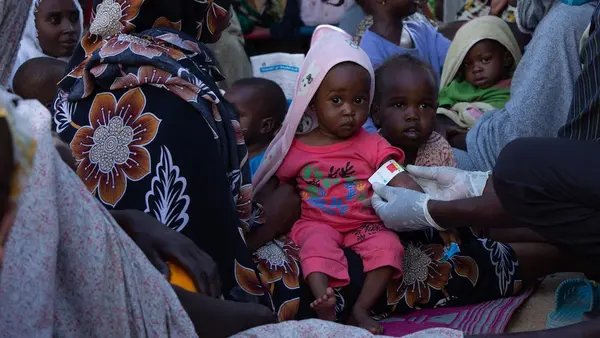
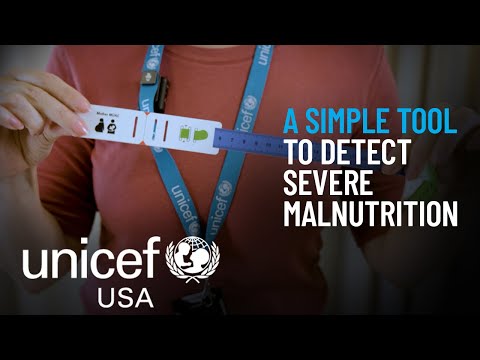
The standard for detecting malnutrition is to monitor diet and height and weight over a period of time. For health and other frontline workers, caregivers and other community members, there is a practical and portable method for quickly diagnosing a child's nutritional status: the MUAC (mid-upper arm circumference) tape.
The color-coded scale on the tape indicates whether a child needs treatment: green signals low probability, yellow for moderate and red for severe probability of malnutrition.
Watch the video
Can malnutrition in children be reversed?
Even in severe cases, with timely, appropriate treatment, most children recover from malnutrition. Early identification is key.
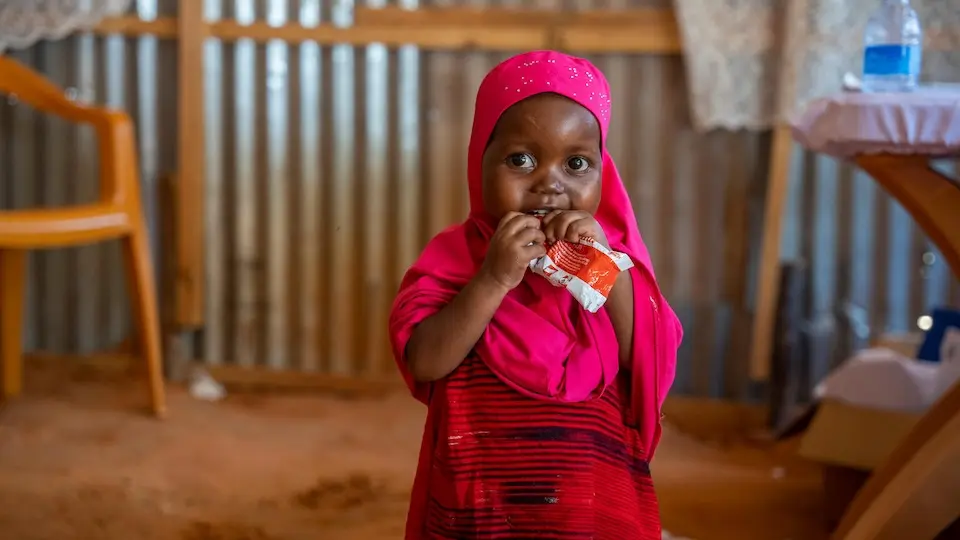
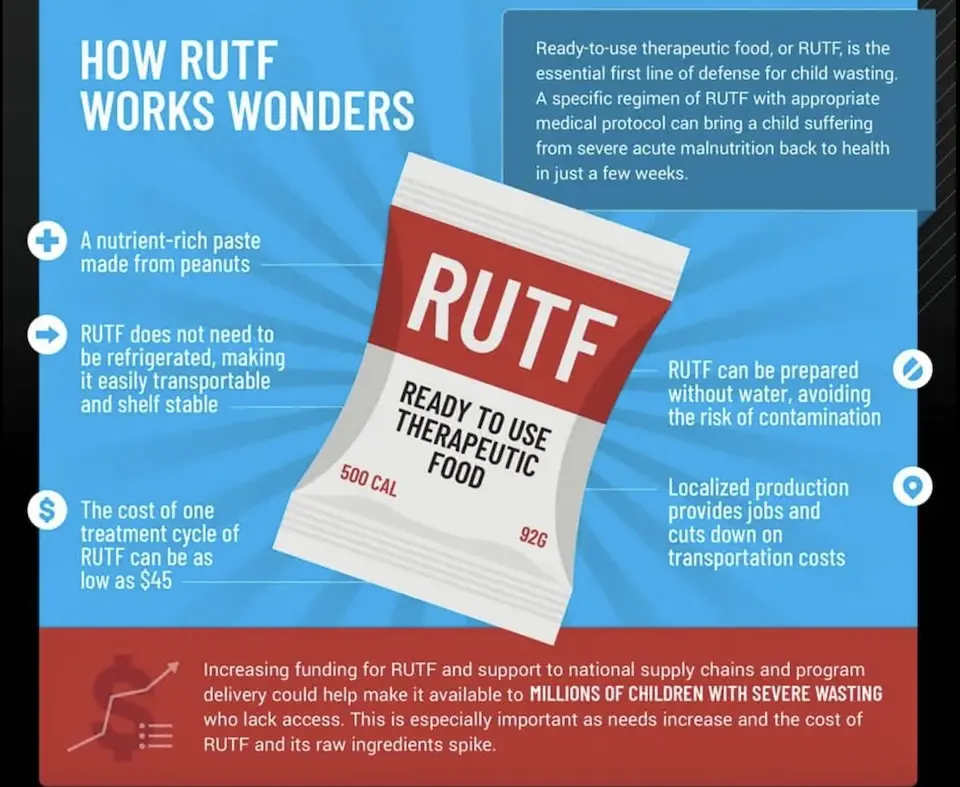
Treatment options include ready-to-use therapeutic food (RUTF), a peanut-based paste that is nutrient rich, shelf stable and easy to administer. A single carton provides up to an eight-week course of treatment for a severely malnourished child, making it cost effective. Additional medical care may be needed to treat infection or dehydration.
How UNICEF helps malnourished children
UNICEF is the world's largest supplier of RUTF. Other UNICEF nutrition programs and interventions focus on:
- screening children for early signs of malnutrition
- training community health workers in early detection and referral
- supporting mothers and caregivers with guidance on best feeding practices
- promoting the benefits of breastfeeding and supporting breastfeeding mothers
- working with local partners in vulnerable communities to strengthen long-term nutrition systems
- responding to emergencies with therapeutic nutrition supplies including RUTF packets
- providing dietary supplements such as micronutrient powders, which can be sprinkled on food
Learn more: 5 Ways UNICEF Delivers Nutrition to Children
How to support lifesaving programs for malnourished children
UNICEF relies entirely on voluntary contributions — from governments, businesses, foundations, civil society groups and individuals — to fund its programs worldwide. But donating is just one way to help. Supporters can also help raise awareness of the issue by sharing a link to this page and other UNICEF stories and resources, and by advocating to elected representatives for policies that support child nutrition.
Learn more about where UNICEF works and how to help UNICEF reach more children in need.