How UNICEF Helps Children in Ukraine Withstand War
A look at some of the ways UNICEF is supporting children and families impacted by the war in Ukraine.
Updated January 7, 2026
On the ground in Ukraine since 1997, UNICEF has stayed to provide critical support and humanitarian assistance to children and families in Ukraine and neighboring countries since the escalation of the war on Feb. 24, 2022.
The impact on Ukraine's children has been cataclysmic. To escape the death and destruction, nearly a third of the children in Ukraine have been forced to flee the country, and millions more have been internally displaced.
Here is a look at some of the specific challenges Ukrainian families are facing — and what UNICEF is doing to help.
Providing support to help families survive Ukraine's harsh winters
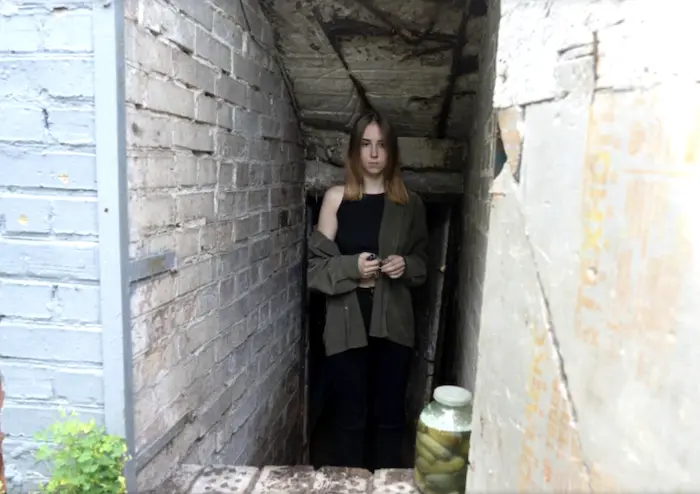
"We want the snow to fall on a new roof, not our heads," 17-year-old Oleksandra said. Her family worked hard to repair their home, which was severely damaged during the early months of the war in Ukraine, before winter arrived. "When I returned to Irpin, I did not recognize the city because everything was broken. It felt like a piece of your memories had been torn off," she explained. © UNICEF
Seventeen-year-old Oleksandra and her family did everything they could to repair their house for the cold Ukrainian winter months. The house was badly damaged by shrapnel and bullets, the roof torn down.
Ukrainians continue to deal with harsh winter weather. With many houses destroyed, families like Oleksandra's struggle to meet basic needs. Freezing temperatures and heavy snowfall only bring more challenges.
UNICEF is providing humanitarian cash assistance to give families the flexibility to meet their most urgent needs, including blankets, warm winter clothes for children and heating fuel.
Read more about how UNICEF is on the ground helping families brave their fourth winter amid war
Helping children in Ukraine get back to school — a top priority
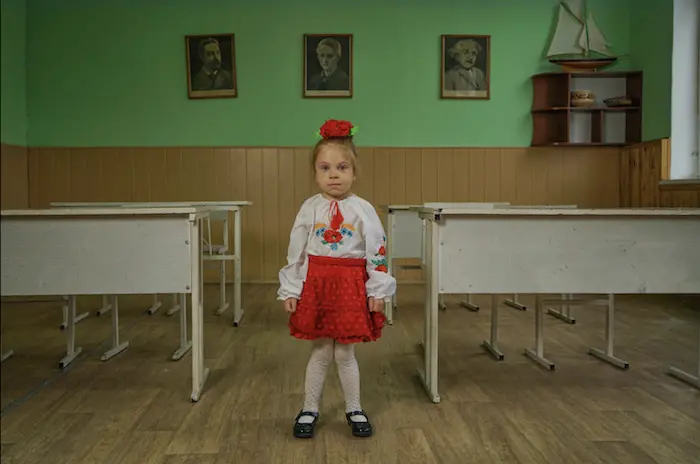
Lyuda cried the first time she saw her old classroom destroyed, remembering all of her belongings that were left inside: her shoes, her jacket and her teddy bear. The teachers of Horenka, a small village in the Kyiv region, are determined to help children continue learning, despite the Ukraine war. © UNICEF/Olena Hrom
Some 4.6 million children have had their education disrupted since the war began. With education infrastructure damaged or destroyed, families are struggling to find ways to ensure their children can still receive an education.
As of February 2025, close to 3 million children, adolescents and caregivers have received UNCEF-supported mental health services since the war began. The organization is also providing teachers with first aid training, to help them prepare as first responders if their school is attacked.
Read more about how UNICEF youth volunteers are helping children in Ukraine continue learning
Ensuring children with disabilities have the support they need
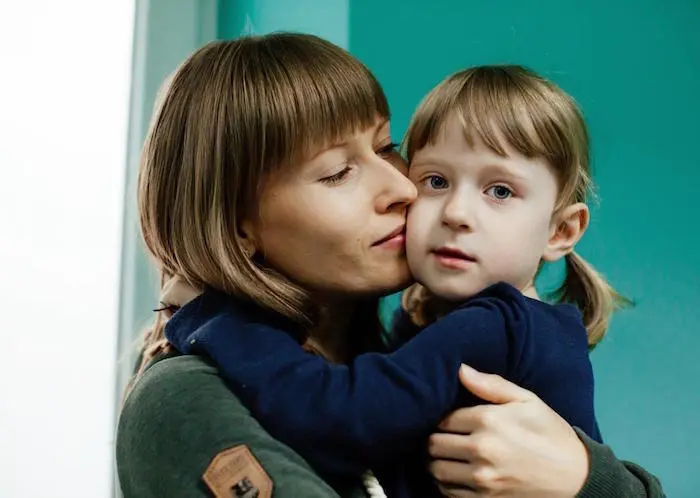
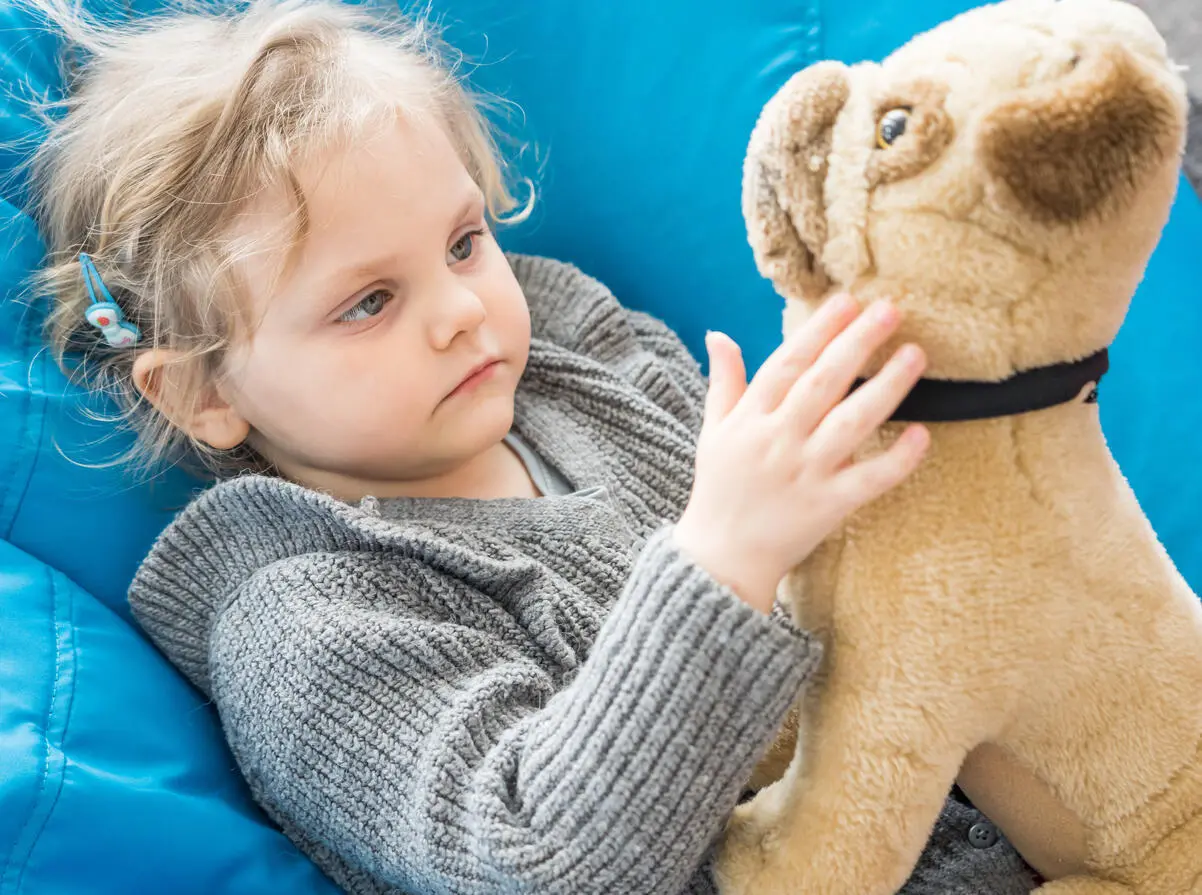
Theona, a 4-year-old girl who is on the autism spectrum, was able to receive the support she needs when her family was forced to relocate to Lviv, Ukraine, due to the war. She now attends a child development center supported by UNICEF and is learning how to express her feelings using picture cards. © UNICEF
As 14 million fled their homes in search of safety, children with disabilities were uprooted both from their familiar surroundings and from the support system so essential to them. Four-year-old Theona has autism spectrum disorder, and when her family left their home in Kherson, they needed to find a new support system for her after they resettled in southern Ukraine around 600 miles from Lviv.
Theona received services from UNICEF-supported specialists at the Dzherelo Children's Rehabilitation Center. Across Ukraine, UNICEF is working to provide children with disabilities the professional care and assistive devices they need.
Read more about how UNICEF continues to help children with disabilities and their families
Distributing cash assistance to give families flexibility to meet their most urgent needs
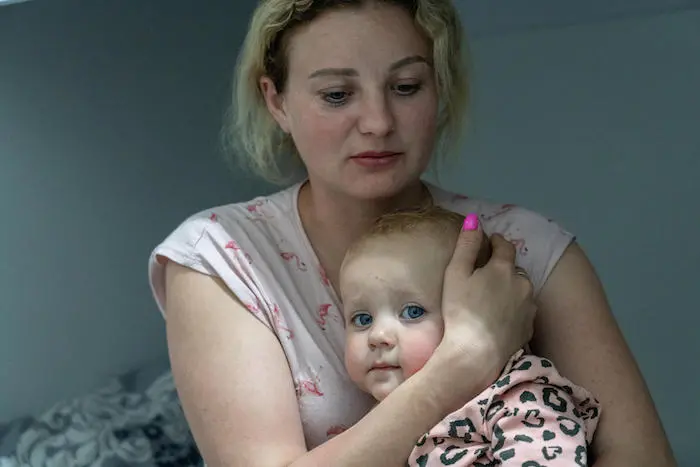
Vira, a mother of three from Zaporizhzhia oblast in eastern Ukraine, was able to use UNICEF’s humanitarian cash assistance to purchase food and medicine for her children. ©UNICEF/UN0678107/Filippov
Making emergency cash payments to families is one of the quickest and most effective ways to meet the urgent needs of children. UNICEF and partners distribute humanitarian cash transfers to families in Ukraine — focusing on those with three or more children and children with disabilities.
"This program is about helping families in a crisis do what they believe is best for their children," said Murat Sahin, UNICEF Representative in Ukraine. "No one is in a better position to decide how to get the most out of this support than a parent or guardian."
Creating support hubs for families fleeing to neighboring countries

Visitors to the UNICEF-UNHCR Blue Dot center in Brasov, Romania, are welcomed by the smiles of twin teenage boys from Odessa, Yevgheny and Oleksei. The two are inseparable, and spend many hours at the front desk, assisting refugees and helping the center staff with various tasks. “We come here almost every day now, as volunteers, trying to help other Ukrainians that are in this hard situation, like us.” ©UNICEF/UN0712206/Raica
As the Ukraine war sent millions of children and women fleeing across borders, UNICEF and UNHCR worked together to open 'Blue Dot' service hubs along popular transit routes. These safe havens provided a range of services, including essential information on available accommodation and transportation, safe spaces for children to play, and counseling and mental health support.
The initial UNICEF-UNHCR Blue Dots, operating in Poland, Romania, Slovakia, Moldova, Bulgaria and elsewhere, were a success in providing urgent support to refugee children and their families.
Help UNICEF save and protect Ukraine's most vulnerable children and families. Your contribution can make a difference. Donate today.
HOW TO HELP
There are many ways to make a difference
War, famine, poverty, natural disasters — threats to the world's children keep coming. But UNICEF won't stop working to keep children healthy and safe.
UNICEF works in over 190 countries and territories — more places than any other children's organization. UNICEF has the world's largest humanitarian warehouse and, when disaster strikes, can get supplies almost anywhere within 72 hours. Constantly innovating, always advocating for a better world for children, UNICEF works to ensure that every child can grow up healthy, educated, protected and respected.
Would you like to help give all children the opportunity to reach their full potential? There are many ways to get involved.